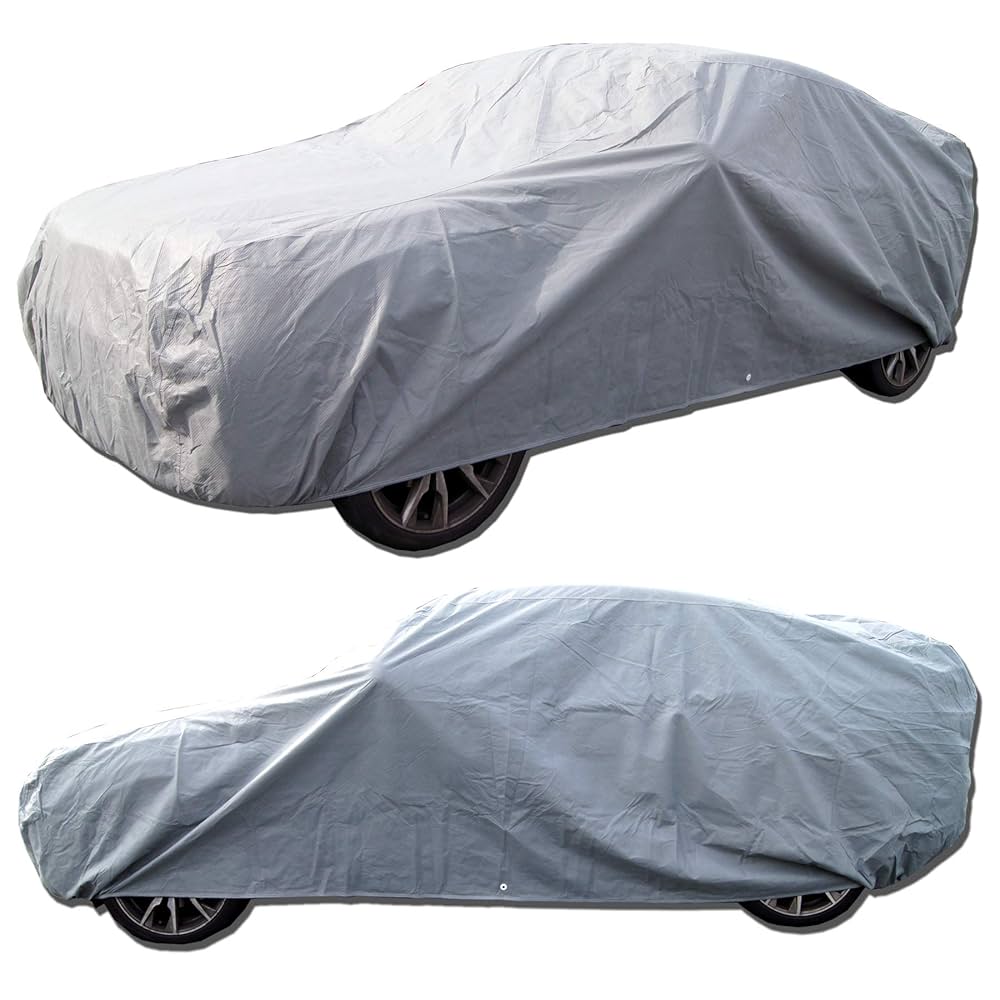
Have you ever stepped outside to find your car buried under a thick layer of snow? It’s frustrating, time-consuming, and can even damage your vehicle.
You might be wondering, are car covers good for snow? Using the right cover could save you from harsh winter weather, protect your paint, and make your mornings easier. But not all covers are created equal, and choosing the wrong one might cause more harm than good.
You’ll discover the truth about car covers in snowy conditions and learn how to keep your car safe all winter long. Keep reading—you don’t want to miss these essential tips!

Credit: www.amazon.com
Benefits Of Car Covers In Snow
Using a car cover in snowy weather helps protect your vehicle. It acts as a barrier against the cold and wet conditions.
Car covers keep your car cleaner and reduce damage caused by ice and snow buildup.
Shielding Against Snow And Ice
A car cover stops snow from settling directly on your car. It also prevents ice from forming on windows and doors.
This protection makes it easier to clean your car after a snowfall. You do not need to scrape ice or brush off heavy snow.
Preventing Paint Damage
Snow and ice can harm your car’s paint. Salt and chemicals on roads increase this risk during winter.
A car cover acts like a shield. It protects your paint from scratches and corrosion caused by winter elements.
Reducing Frost Buildup
Frost can make your car windows hard to see through. A cover blocks frost from forming on glass surfaces.
This means less time spent scraping frost early in the morning. It also helps keep your windshield clear and safe.

Credit: www.amazon.com
Choosing The Right Car Cover
Car covers help protect your vehicle from snow and harsh winter weather. Choosing the right cover keeps your car safe and clean. It is important to know what features suit your needs best.
This guide explains materials, waterproofing, and sizing. These points help you pick a cover that fits well and protects well in snow.
Material Types For Winter Protection
Car covers come in different materials. Some are soft, others are tough. The right material keeps snow and ice from damaging your car’s paint.
- Polyester: Lightweight and easy to handle. Offers good protection against snow.
- Polypropylene: Breathable and strong. It prevents moisture build-up under the cover.
- Fleece-lined: Soft inside to protect paint. Good for heavy snow areas.
- Vinyl-coated: Durable and water-resistant. Works well in wet snow conditions.
Waterproof Vs. Water-resistant Covers
Waterproof covers stop all water from reaching your car. Water-resistant covers block most water but allow some to pass through. Choosing depends on your climate and how long you park outside.
| Type | Protection Level | Best Use |
| Waterproof | 100% water block | Heavy snow and rain |
| Water-Resistant | Blocks most water | Light snow and dry conditions |
Sizing And Fit Considerations
A cover that fits well protects better. Too tight can cause scratches. Too loose can let snow blow under the cover.
- Measure your car’s length, width, and height before buying.
- Check the product size chart carefully.
- Look for covers with elastic hems or straps for a snug fit.
- Consider extra room if you use accessories like roof racks.
Proper Use And Maintenance
Car covers can protect your vehicle from snow and ice. Using and caring for them correctly helps keep your car safe.
Following simple steps ensures the cover lasts longer and works well every winter.
Installing The Cover Correctly
Place the cover on a clean, dry car before snow starts. Make sure it fits snugly to avoid wind damage.
Secure all straps or ties to keep the cover in place during strong winds and heavy snow.
- Start at the front bumper and pull the cover over the car
- Adjust the cover to cover all parts, including mirrors and wheels
- Fasten straps under the car or at the wheels
- Check for loose areas where snow can get in
Cleaning And Storing Covers
Clean the cover after use to remove dirt and salt. This prevents damage and keeps the material strong.
Store the cover in a dry place away from direct sunlight. Fold it neatly to avoid wrinkles and tears.
- Shake off loose snow before removing the cover
- Use mild soap and water to clean the cover
- Air dry the cover completely before folding
- Store in a breathable bag or container
Avoiding Common Mistakes
Do not cover a wet car. Trapped moisture can cause rust and mold.
Avoid using covers that are too small or too large. Wrong size can cause damage or let snow in.
- Never drive with the cover on
- Do not use harsh chemicals to clean the cover
- Replace the cover if it has holes or tears
- Remove heavy snow from the cover regularly

Credit: www.amazon.com
Alternative Snow Protection Methods
Car covers can protect your vehicle from snow, but they are not the only option. Other methods can also keep your car safe during winter. These alternatives can be easier or more effective in some situations.
Using different snow protection methods can help prevent damage and keep your car clean. Here are some good choices to consider besides car covers.
Using Carports And Garages
Carports and garages offer solid protection from snow and ice. They block snow from settling on your car and protect it from harsh weather.
A garage keeps your car fully covered and safe from damage. Carports cover the car but are usually more open. Both reduce the need to clear snow off your vehicle.
- Garages provide full protection against snow and ice.
- Carports offer shelter but allow some airflow.
- Both reduce the risk of paint damage and rust.
- They save time by reducing snow removal.
Applying Protective Sprays
Protective sprays can help guard your car’s paint and parts from snow damage. These sprays create a thin barrier that repels water and ice.
Using sprays designed for winter can reduce rust and make snow easier to remove. They also protect rubber seals and metal from freezing and cracking.
- Apply sprays to paint, glass, and rubber parts.
- Choose sprays that repel water and ice.
- Reapply sprays every few weeks during winter.
- Follow product instructions for best results.
Regular Snow Removal Techniques
Removing snow from your car regularly helps prevent damage and keeps your car ready to drive. Snow left on the car can freeze and cause scratches or rust.
Use soft tools to clear snow gently. Remove snow from the roof, windows, and around wheels to avoid problems when driving.
- Use a soft brush or broom to clear snow.
- Avoid metal shovels or hard tools that can scratch.
- Clear snow before it turns to ice.
- Remove snow from all parts of the car, including mirrors and lights.
Potential Drawbacks Of Car Covers In Snow
Car covers protect vehicles from snow, but they can cause some problems. It is important to know the risks before using one in snowy weather.
This article explains the main drawbacks of car covers during snow conditions. You will learn about scratches, moisture issues, and wind damage.
Risk Of Scratches From Ice
Snow often turns into ice on your car cover. When you remove the cover, ice can rub against the paint. This rubbing can cause small scratches on your car’s surface.
Ice particles stuck on the cover act like sandpaper. Moving the cover while ice is present increases the chance of damage.
- Avoid pulling the cover if ice is stuck.
- Clear ice gently before removing the cover.
- Use soft covers designed for winter use.
Moisture Trapping Issues
Car covers can trap moisture under them. Snow melts and creates water that stays between the cover and the car. This moisture can cause rust on metal parts.
Trapped moisture also leads to mold or mildew smells inside the car. It may harm rubber seals and paint if the cover does not allow air flow.
- Choose covers with breathable materials.
- Remove covers regularly to let the car dry.
- Check for wet spots under the cover often.
Wind Damage Concerns
Strong winds can lift and flap car covers. This movement can scratch the paint or damage the cover itself. The cover may also come off during windy snowstorms.
Wind damage is worse if the cover does not fit well or lacks secure straps. Loose covers move more and increase the risk of harm.
- Use covers with tight fits and straps.
- Secure the cover well before windy weather.
- Inspect covers after storms for any damage.
Frequently Asked Questions
Do Car Covers Protect Against Snow Damage?
Yes, car covers provide a protective barrier against snow. They prevent snow from accumulating on the vehicle’s surface. This helps in avoiding potential damage like rust, paint chipping, and freezing of locks. Using a high-quality, weather-resistant car cover is essential for optimal protection.
Can Car Covers Prevent Ice Buildup?
Car covers can help reduce ice buildup on your vehicle. By covering your car, you minimize direct contact with moisture. This reduces the risk of ice forming on windows and locks. Choose a car cover designed for winter use for best results.
Are All Car Covers Suitable For Snow?
Not all car covers are suitable for snow. It’s important to select a cover made from durable, weather-resistant materials. Look for features like waterproofing and insulation. These ensure your vehicle is well-protected during heavy snowfall.
How Do I Choose A Car Cover For Snow?
Choose a car cover made from waterproof, breathable materials. Ensure it fits your vehicle snugly to prevent wind damage. Look for features like UV protection and reinforced seams. These aspects enhance durability and provide better protection against snow.
Conclusion
Car covers protect your car from snow and ice buildup. They save time by making snow removal easier. Covers also prevent scratches caused by snow brushes or ice scrapers. Choose a cover made for winter use to stay safe. Keep your car clean and damage-free during snowy days.
Using a car cover is a smart way to guard your vehicle. It helps maintain your car’s look and value. Simple, effective protection against harsh winter weather. Worth considering for every driver in snowy regions.