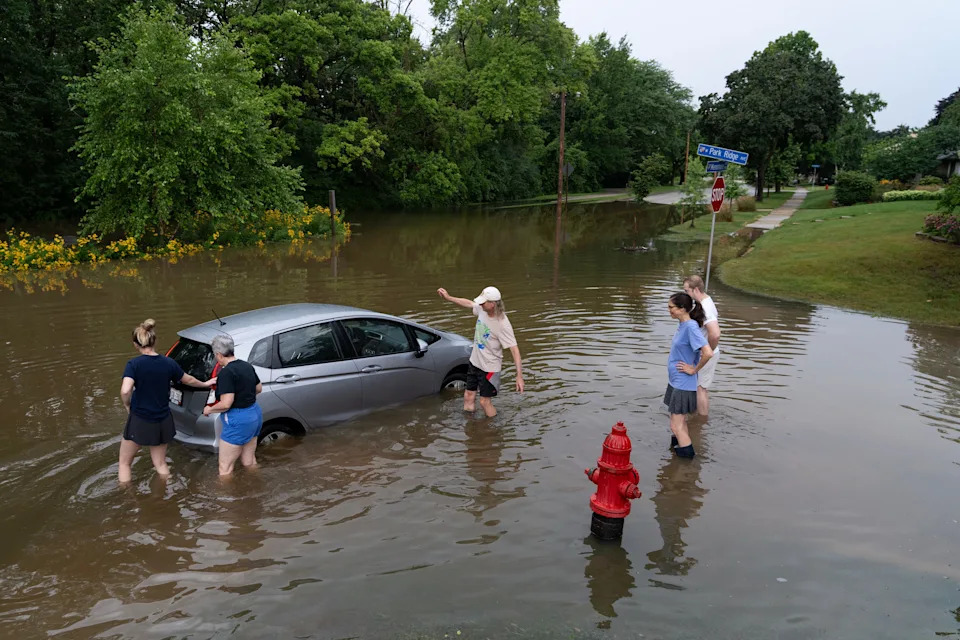
Have you ever wondered if your car is protected when floodwaters rise? Floods can happen suddenly, and the damage to your vehicle can be costly and stressful.
You might think your insurance has you covered, but is that really true? Understanding whether cars are included in flood insurance can save you from unexpected expenses and frustration. Keep reading to find out exactly what your policy covers and how you can make sure your car stays safe when the water comes.

Credit: eu.36kr.com
Flood Insurance Basics
Flood insurance helps protect your property from water damage. It covers losses caused by flooding.
Many people wonder if their cars are covered by flood insurance. Understanding the basics can help.
What Flood Insurance Covers
Flood insurance mainly covers damage to buildings and their contents. It does not usually cover vehicles.
- Structural damage to your home or building
- Damage to electrical and plumbing systems
- Damage to personal belongings inside the home
- Temporary living expenses if your home is unlivable
Cars and other vehicles are typically excluded from flood insurance. Auto insurance may cover flood damage instead.
Types Of Flood Insurance Policies
There are two main types of flood insurance policies. Each covers different risks and needs.
| Policy Type | What It Covers | Who Needs It |
| Building Property | Damage to the structure and foundation | Homeowners and business owners |
| Personal Property | Contents inside the building like furniture and electronics | Renters and homeowners |
Both policies do not cover cars. For vehicle damage, check your auto insurance or special coverage.
Car Insurance And Flood Damage
Floods can cause serious damage to vehicles. Many car owners wonder if their insurance covers flood damage. Understanding your policy can help you prepare for such events.
This article explains standard auto insurance coverage and how comprehensive coverage works with floods.
Standard Auto Insurance Coverage
Standard auto insurance usually covers damages from accidents and collisions. It may also cover injuries to people and damage to other cars or property.
Most standard policies do not cover flood damage. This means damage caused by water entering the car during floods is not paid for under basic coverage.
Comprehensive Coverage And Floods
Comprehensive coverage protects your car from damage that is not caused by a crash. Flood damage is included in this coverage.
- Flood damage to the engine
- Damage to electrical systems
- Interior water damage
- Damage caused by rising water or mud
Comprehensive coverage is optional. You should check if your policy includes it to protect your car from floods.
| Type of Coverage | Flood Damage Covered |
|---|---|
| Standard Auto Insurance | No |
| Comprehensive Coverage | Yes |
Why Flood Insurance Usually Excludes Cars
Flood insurance protects homes and buildings from water damage. It does not usually cover cars. This is because cars are not considered part of the property.
People often wonder if their cars are safe under flood insurance. Understanding why cars are excluded helps you make better coverage choices.
Focus On Property And Structures
Flood insurance mainly covers the house and other buildings on the land. It pays for repairs to the structure itself and some belongings inside.
The policy looks at the property as a whole, not movable items like cars. Structures are fixed in place and damaged by floodwaters.
- Houses
- Garages
- Decks and porches
- Basements
Vehicle Coverage Limitations
Flood insurance does not cover cars because vehicles have their own insurance rules. Car insurance covers flood damage under specific plans.
Flood damage to cars is usually part of comprehensive car insurance. This keeps flood insurance focused on buildings and land.
- Flood insurance excludes personal vehicles
- Cars need separate comprehensive insurance
- Flood insurance covers only fixed property

Credit: eu.36kr.com
Options For Protecting Your Car From Floods
Floods can damage cars in many ways. Water can harm the engine, electrical parts, and interior.
Knowing your protection options helps you avoid big repair costs after a flood.
Adding Comprehensive Coverage
Standard car insurance usually does not cover flood damage. You need comprehensive coverage.
This coverage helps pay for damage caused by floods, storms, or falling objects.
- Check your policy to see if comprehensive coverage includes flood damage
- Add comprehensive coverage if your current policy lacks it
- Keep proof of added coverage in case you need to file a claim
Alternative Protection Measures
Besides insurance, you can use other ways to protect your car from flood damage.
These measures reduce the risk of harm when floods happen in your area.
- Park your car on higher ground or in a garage
- Use waterproof car covers to protect the exterior
- Keep emergency supplies and a flood plan ready
- Move your car quickly if a flood warning is issued
Filing A Flood-related Car Insurance Claim
Flood damage to cars is a common problem after heavy rain or storms. Many people wonder if their car insurance covers flood damage. Most standard auto insurance policies do not cover floods.
Comprehensive insurance may cover flood damage. It is important to know how to file a claim if your car is damaged by a flood.
Steps To Take After Flood Damage
First, do not try to start your flooded car. This can cause more damage. Take pictures of the car and the flood damage. Contact your insurance company as soon as possible.
Move your car to a safe place if it is possible and safe to do so. Keep all receipts for any expenses related to the damage.
- Do not start the car after flood damage
- Take clear photos of the damage
- Contact your insurer quickly
- Keep receipts for repairs or towing
- Move the car to a safe place
Documentation And Claim Process
Gather all documents before filing your claim. This includes your insurance policy, photos of damage, and repair estimates. Fill out the claim form provided by your insurer.
An insurance adjuster may inspect your car. They will assess the damage and estimate repair costs. Keep in touch with your insurer for updates on your claim.
- Collect insurance policy and damage photos
- Get repair or towing estimates
- Complete and submit the claim form
- Allow an adjuster to inspect your car
- Follow up with your insurance company
Costs And Factors Affecting Flood-related Car Claims
Flood damage to cars can lead to costly repairs or even total loss. Understanding what affects the cost helps owners prepare better.
Insurance plays a key role in covering flood damage. Different factors change how much you pay and what is covered.
Deductibles And Premiums
Deductibles are the amounts you pay before insurance covers flood damage. Premiums are the regular payments for your insurance policy.
- Higher deductibles usually lower your premium costs.
- Lower deductibles mean higher premiums but less out-of-pocket costs after damage.
- Insurance companies set premiums based on risk and flood history.
- Premiums may increase if you make a flood claim on your car.
Impact Of Flood Zones On Insurance
Flood zones determine the chance of flooding in an area. They affect how much insurance costs and coverage limits.
| Flood Zone | Risk Level | Insurance Cost Impact |
| Zone A | High risk | Higher premiums and stricter coverage rules |
| Zone B | Moderate risk | Moderate premiums with some coverage limits |
| Zone C | Low risk | Lower premiums and fewer restrictions |
Preventing Flood Damage To Your Vehicle
Floods can seriously damage your car. Water can harm the engine and electrical parts.
Taking steps to protect your vehicle helps avoid costly repairs and keeps it safe.
Safe Parking Strategies
Park your car on high ground away from water sources. Avoid low areas that flood easily.
If you expect heavy rain, move your vehicle to a garage or higher parking lot.
- Check weather reports for flood warnings
- Use covered parking if possible
- Avoid parking near rivers, lakes, or drainage ditches
- Keep your car keys handy for quick moves
Emergency Preparedness Tips
Have a plan for your car if a flood is coming. Know how to protect it quickly.
Keep emergency supplies like a flashlight, phone charger, and waterproof bags in your car.
- Keep important documents in a waterproof container
- Disconnect the battery if water reaches the car
- Do not start the engine if the car is wet inside
- Call for help if you cannot move your car safely

Credit: www.thezebra.com
Frequently Asked Questions
Are Cars Included In Standard Flood Insurance Policies?
No, standard flood insurance does not cover cars. It only covers property and building structures. Auto insurance policies usually cover vehicle flood damage.
Can I Buy Flood Insurance Specifically For My Car?
No, flood insurance for cars is not sold separately. Vehicle flood damage is covered under comprehensive auto insurance, not flood insurance.
How Does Auto Insurance Cover Flood-damaged Vehicles?
Comprehensive auto insurance covers flood damage, including water damage and theft during floods. Flood insurance only covers home-related losses.
What Should I Do If My Car Floods?
Contact your auto insurer immediately to file a claim. Do not try to start a flooded car to avoid further damage.
Conclusion
Understanding flood insurance for cars is crucial. It protects your investment. Flood damage can be costly. Regular car insurance often doesn’t cover floods. Check your policy details. Ensure adequate coverage for peace of mind. Consider adding comprehensive coverage. It often includes flood damage.
Talk to your insurance provider. Ask questions. Get the best protection for your car. Stay informed and proactive. Secure your vehicle against potential flood risks. Always be prepared. Your car’s safety matters.