Are you tired of scrubbing stubborn food off your pans or worrying about harmful chemicals in your cookware? Ceramic coated pans have become a hot topic in kitchens everywhere.
But are they really as good as they claim to be? If you want a pan that’s easy to clean, safe to use, and lasts long, you need to know the truth before making a choice. Keep reading to discover what makes ceramic coated pans stand out — and whether they’re the right fit for your cooking style and your health.

Credit: www.seriouseats.com
Ceramic Coating Basics
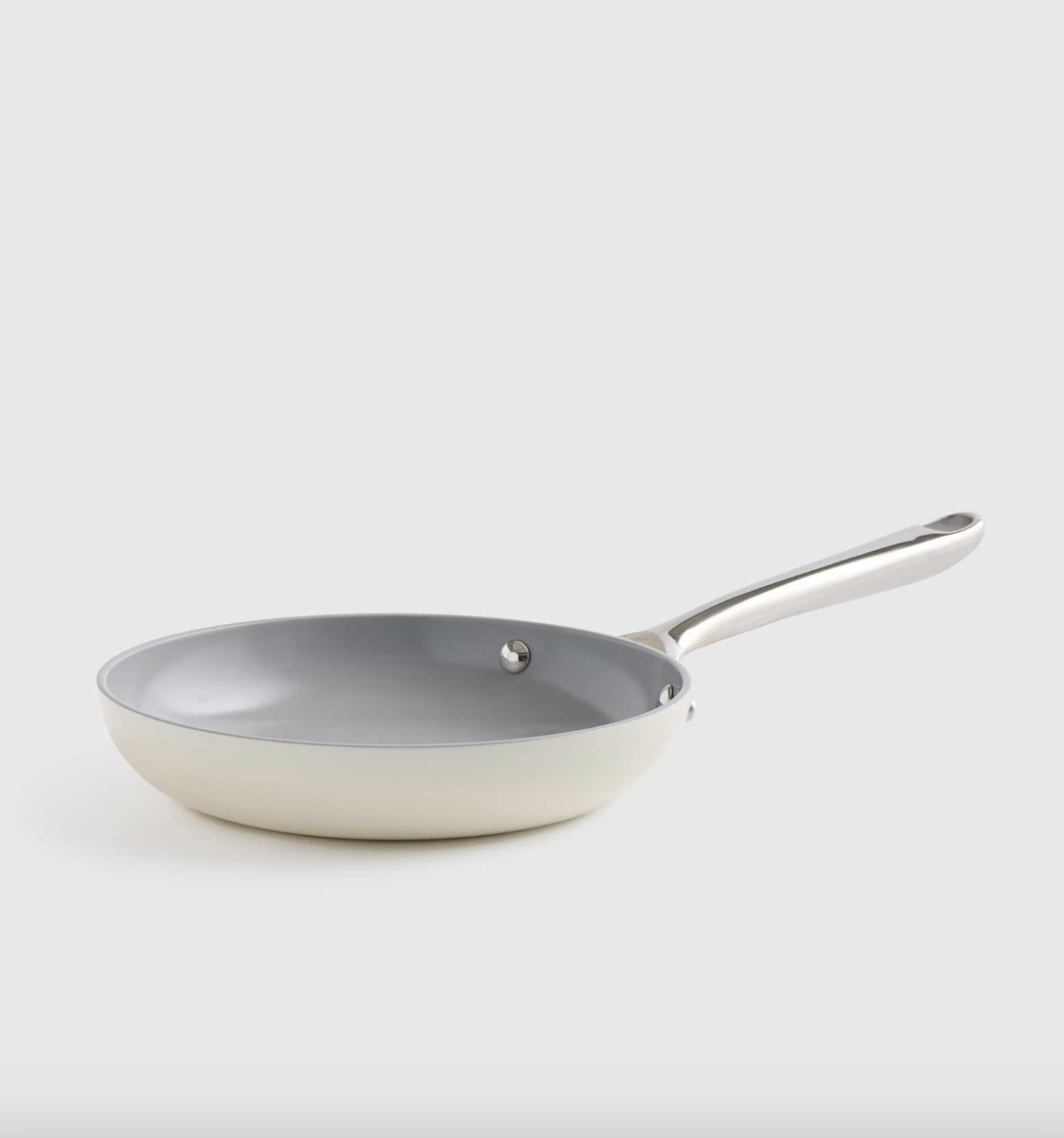
Ceramic coated pans are popular for cooking. They offer a different surface than metal or non-stick pans.
This guide explains what ceramic coating is and how manufacturers make it.
What Ceramic Coating Is
Ceramic coating is a smooth layer applied to cookware. It helps prevent food from sticking.
- Made from inorganic materials
- Non-stick without chemicals like PTFE or PFOA
- Heat resistant and durable
- Usually white or light-colored
- Easy to clean after cooking
How It’s Made
Making ceramic coating involves several steps. It starts with a base pan, often aluminum or stainless steel.
| Step | Description |
| Cleaning | Remove dirt and oils from pan surface |
| Applying Base Coat | Spread a primer layer for better adhesion |
| Spraying Ceramic Layer | Apply ceramic mixture evenly on the pan |
| Curing | Heat the pan to harden the ceramic layer |
| Quality Check | Inspect for smoothness and durability |
Credit: nymag.com
Advantages Of Ceramic Pans
Ceramic coated pans are popular for many reasons. They offer good cooking performance and easy care.
This guide covers the main advantages of ceramic pans in four key areas.
Non-stick Performance
Ceramic pans have a smooth surface that prevents food from sticking. This feature lets you cook with less oil or butter.
- Cook delicate foods like eggs and fish easily
- Use less fat for healthier meals
- Enjoy even cooking without burning food
Health Benefits
Ceramic coatings are free from harmful chemicals found in some other pans. They do not release toxins during cooking.
This makes ceramic pans a safer choice for your family’s health.
Heat Distribution
| Feature | Benefit |
| Even heat spread | Food cooks evenly without hot spots |
| Quick heating | Reduces cooking time |
| Heat retention | Keeps food warm longer |
Ease Of Cleaning
The ceramic surface cleans easily with warm water and mild soap.
- Residue wipes off without scrubbing hard
- Dishwasher safe models available
- No need for harsh cleaning chemicals
Potential Drawbacks
Ceramic coated pans offer many benefits but also have some drawbacks.
Understanding these issues helps you decide if they fit your cooking style.
Durability Concerns
Ceramic coatings can wear out faster than traditional non-stick pans.
They may chip or crack if dropped or scratched by metal utensils.
Heat Sensitivity
Ceramic pans do not handle very high heat well.
- Avoid using them on maximum heat settings.
- High heat can damage the coating and reduce its lifespan.
- Use medium or low heat for best results.
Maintenance Tips
| Maintenance Action | Reason |
|---|---|
| Use wooden or silicone utensils | Prevents scratching the coating |
| Hand wash with mild soap | Protects coating from harsh chemicals |
| Allow to cool before cleaning | Prevents warping and cracking |
| Avoid abrasive scrubbers | Keeps surface smooth and intact |
Comparing With Other Cookware
Ceramic coated pans are popular for cooking. They offer a different experience than other pans.
This section compares ceramic coated pans with Teflon, stainless steel, and cast iron cookware.
Ceramic Vs. Teflon
Ceramic pans use a natural, non-stick coating made from sand. Teflon pans use a synthetic chemical coating called PTFE.
Ceramic coatings are free from chemicals like PFOA and PTFE. Teflon pans can release fumes if overheated.
- Ceramic pans are safe at higher temperatures.
- Teflon pans have a very smooth non-stick surface.
- Ceramic coatings may wear out faster than Teflon.
- Teflon pans are easier to clean but need gentle care.
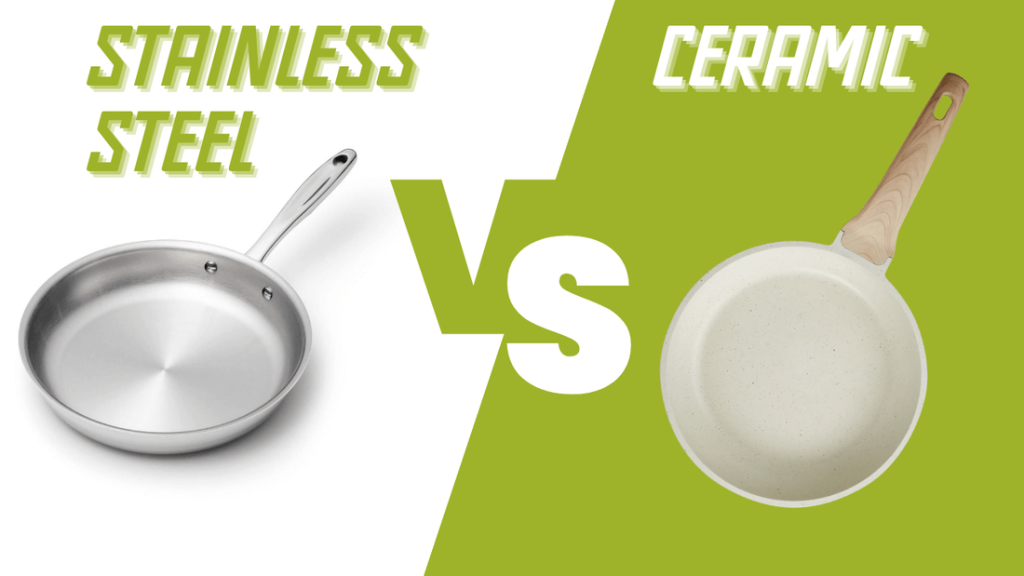
Ceramic Vs. Stainless Steel
Stainless steel pans are strong and last a long time. They do not have a non-stick surface like ceramic pans.
Ceramic pans are better for cooking sticky foods because of their coating. Stainless steel pans need more oil to prevent sticking.
- Stainless steel pans heat evenly and can handle high heat.
- Ceramic pans cook gently and are easy to clean.
- Stainless steel pans can cause food to stick without oil.
- Ceramic pans may chip if handled roughly.
Ceramic Vs. Cast Iron
Cast iron pans are very heavy and heat well. They need regular seasoning to keep food from sticking.
Ceramic pans are lighter and ready to use without seasoning. They cool down faster than cast iron pans.
- Cast iron pans last for many years.
- Ceramic pans are easier to clean and maintain.
- Cast iron can add iron to your food.
- Ceramic pans do not react with acidic foods.
Choosing The Right Ceramic Pan
Ceramic coated pans are popular for cooking without much oil. They offer a smooth surface and look good in any kitchen.
Picking the right ceramic pan can make cooking easier and safer. You should know what features matter most.
What To Look For
Check if the ceramic coating is thick and even. Thin coatings wear out fast and may peel.
- Non-toxic and free from harmful chemicals
- Scratch resistance for long use
- Even heat distribution
- Comfortable handles that stay cool
- Oven safe up to a certain temperature
Price Vs. Quality
Low price ceramic pans may save money but last less time. High quality pans cost more but perform better.
| Price Range | Quality Features | Expected Lifespan |
| Under $20 | Thin coating, basic handles | 6-12 months |
| $20 – $50 | Better coating, some scratch resistance | 1-2 years |
| Above $50 | Thick coating, durable, oven safe | 3+ years |
Brands To Consider
Look for brands that focus on safe materials and durability. Customer reviews can help find reliable ones.
- GreenPan
- Cuisinart
- T-fal
- Caraway
- WearEver
Care And Longevity
Ceramic coated pans need careful care to last long. Proper cleaning and storage keep them in good shape.
Knowing what to avoid helps protect the coating from damage. This guide explains how to care for ceramic pans.
Proper Cleaning Methods
Clean your ceramic pan after each use. Use warm water and mild soap with a soft sponge. Avoid harsh scrubbing pads.
- Let the pan cool before washing
- Use a non-abrasive sponge or cloth
- Do not soak the pan for a long time
- Remove stuck food with baking soda paste
- Dry the pan thoroughly after washing
Storage Advice
Store ceramic pans carefully to avoid scratches. Do not stack pans without protection between them.
| Storage Tip | Reason |
|---|---|
| Place a soft cloth between stacked pans | Prevents scratches on the ceramic coating |
| Keep in a dry place | Prevents rust on metal parts |
| Store handles facing out | Reduces the risk of dropping or knocking |
| Do not hang heavy pans | Avoids warping or dropping |
Avoiding Common Mistakes
Avoid sudden temperature changes. Do not heat an empty pan. Use wooden or silicone utensils only.
- Do not use metal utensils to prevent scratches
- Avoid cooking sprays that can build residue
- Do not put ceramic pans in the dishwasher
- Do not use harsh chemicals or bleach
- Do not stack pans without protection

Credit: www.seriouseats.com
Frequently Asked Questions
What Are Ceramic Coated Pans Made Of?
Ceramic coated pans are made from metal, usually aluminum, coated with a ceramic layer. This layer is derived from natural sand and provides a non-stick surface. The coating is free from harmful chemicals like PTFE and PFOA, making it a safer choice for cooking.
Are Ceramic Coated Pans Durable?
Ceramic coated pans are moderately durable with proper care. Their non-stick surface can wear over time, especially with metal utensils. To extend their lifespan, use wooden or silicone utensils and avoid high heat. Regular maintenance and gentle cleaning also help preserve their coating.
How To Clean Ceramic Coated Pans?
Clean ceramic coated pans with mild detergent and a soft sponge. Avoid abrasive materials that can scratch the surface. For stubborn stains, soak the pan in warm soapy water. Always let the pan cool before washing to prevent warping and maintain the coating’s integrity.
Can Ceramic Coated Pans Go In The Oven?
Many ceramic coated pans are oven-safe, but it varies by brand and model. Always check the manufacturer’s guidelines for temperature limits. Typically, they can withstand up to 500°F. Avoid using them under a broiler, as extreme heat can damage the coating.
Conclusion
Ceramic coated pans offer a good balance of cooking and easy cleaning. They heat food evenly and usually need less oil. These pans are safe and free from harmful chemicals. They can last long if handled gently. Still, avoid using metal utensils to keep the coating intact.
Overall, ceramic pans suit many kitchens. They provide a healthy and simple way to cook daily meals. Choose one that fits your needs and care style. A small effort keeps them working well for years.