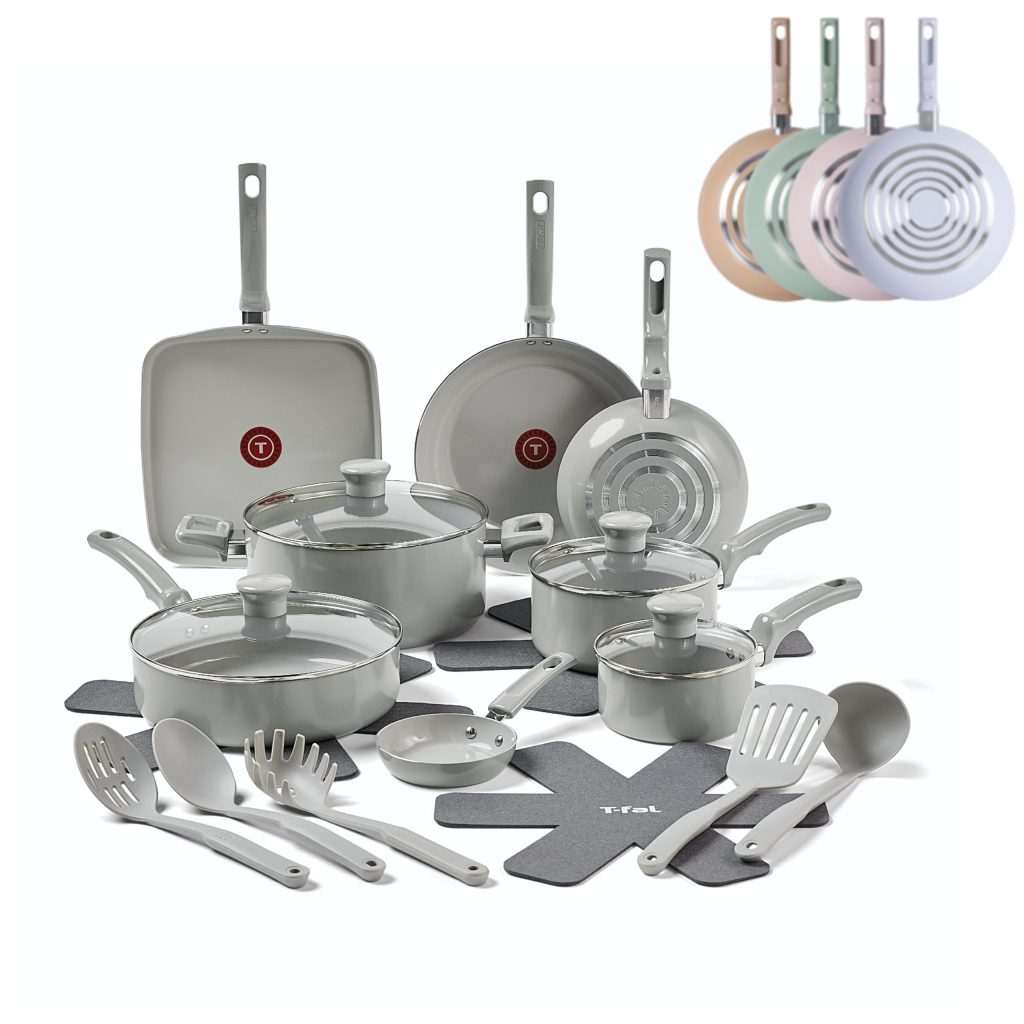
Are you tired of scrubbing stubborn food off your pans? You might have heard that ceramic cookware is a great non-stick option, but is it really true?
If you want to know whether ceramic cookware can make cooking and cleaning easier for you, this article will clear up the confusion. Keep reading to discover how ceramic cookware performs, what makes it different, and whether it’s the right choice for your kitchen.
Your next cooking experience could be much smoother than you think!

Credit: www.amazon.com
Ceramic Cookware Basics
Ceramic cookware has grown popular for its non-stick features and easy cleaning. It offers a good alternative to traditional non-stick pans.
This cookware often uses a ceramic coating that helps prevent food from sticking. Let’s explore what ceramic coating is and the types of ceramic cookware available.
What Is Ceramic Coating
Ceramic coating is a layer applied to cookware surfaces. It is made from inorganic materials like silica and other minerals.
This coating creates a smooth, hard surface that resists sticking. It does not contain chemicals like PTFE or PFOA found in some non-stick coatings.
- Made from natural minerals
- Free from harmful chemicals
- Offers a non-stick cooking surface
- Can withstand high cooking temperatures
- Easy to clean with mild soap and water
Types Of Ceramic Cookware
There are several types of ceramic cookware based on construction and coating. Each type has different uses and benefits.
| Type | Description | Common Uses |
|---|---|---|
| 100% Ceramic | Made fully from ceramic material without metal core | Slow cooking, baking |
| Ceramic-Coated Metal | Metal base with a ceramic non-stick coating | Frying, sautéing |
| Enamel-Coated Cast Iron | Cast iron covered with a ceramic enamel layer | Roasting, braising |
| Ceramic Titanium | Metal cookware combined with ceramic and titanium for strength | Durable everyday cooking |

Credit: www.amazon.com
Non Stick Properties Of Ceramic
Ceramic cookware has grown popular for its non stick surface. Many wonder how ceramic can prevent food from sticking. This section explains the science behind its non stick property.
We also compare ceramic cookware to traditional non stick pans. This will help you understand the differences in performance and care.
How Ceramic Creates Non Stick Surface
Ceramic cookware features a smooth glaze made from inorganic minerals. This glaze forms a hard, shiny coating on the pan. The surface is very smooth, which helps reduce food sticking.
- The ceramic layer is free of chemicals like PTFE and PFOA.
- It creates a natural barrier between food and metal.
- The coating is heat resistant and does not degrade easily.
- Food slides off easily with little to no oil needed.
Performance Compared To Traditional Non Stick
Traditional non stick pans often use coatings with chemicals like Teflon. These coatings offer excellent release but can wear off over time. Ceramic coatings differ in durability and heat tolerance.
| Feature | Ceramic Cookware | Traditional Non Stick |
|---|---|---|
| Coating Material | Inorganic mineral glaze | PTFE-based synthetic |
| Heat Resistance | High (can handle higher temperatures) | Lower (prone to damage above 500°F) |
| Durability | Resistant to scratches but can wear with heavy use | Can peel or chip over time |
| Non Stick Performance | Good, best with light oil | Excellent when new, less so with wear |
| Cleaning | Easy to clean, dishwasher safe | Easy but may require gentle care |
Durability And Maintenance
Ceramic cookware offers a non-stick surface that many cooks enjoy. Its durability depends on how you care for it. Proper maintenance keeps the coating intact for a longer time.
Understanding how to clean and handle ceramic pans helps avoid damage. This guide shares tips to keep your cookware in good shape.
Care Tips To Preserve Non Stick Quality
Clean ceramic cookware gently to protect the coating. Use soft sponges and mild detergents. Avoid metal scrubbers that can scratch the surface.
- Wash by hand instead of using a dishwasher
- Use low to medium heat for cooking
- Avoid cooking sprays that leave residue
- Let cookware cool before cleaning
- Store carefully to prevent scratches
Common Issues And How To Avoid Them
| Issue | Cause | How to Avoid |
| Peeling or Chipping | High heat or sharp tools | Use wooden or silicone utensils, cook on medium heat |
| Staining | Cooking acidic foods or burnt residue | Clean promptly, avoid overheating |
| Loss of Non-Stick | Using abrasive cleaners or metal utensils | Use gentle cleaning tools, avoid metal utensils |
| Warping | Sudden temperature changes | Let cookware cool before washing with cold water |
Health And Safety Factors
Ceramic cookware is popular for its non-stick surface and easy cleaning. Many people wonder if it is safe for health. This section explains key facts about ceramic cookware and safety.
We will explore the chemical makeup of ceramic cookware. Then, we will look at how it compares to other materials in terms of health and safety.
Chemical Composition And Safety
Ceramic cookware usually has a base made from metal like aluminum or stainless steel. It is coated with a layer of ceramic made from natural minerals. This ceramic layer creates the non-stick surface.
- The ceramic coating contains no harmful chemicals like PTFE or PFOA.
- It does not release toxic fumes when heated.
- The surface is free from lead, cadmium, and other heavy metals.
- Ceramic coatings are safe for cooking at moderate temperatures.
- Overheating ceramic cookware can damage the coating but will not release dangerous chemicals.
Benefits Over Other Cookware Materials
| Cookware Type | Health Safety | Non-Stick Performance | Durability |
|---|---|---|---|
| Ceramic | No toxic chemicals, safe coating | Good, works well with less oil | Moderate, can chip if dropped |
| Non-stick (PTFE/PFOA) | May release fumes if overheated | Excellent, very smooth surface | Lower, coating can wear off |
| Cast Iron | Safe, may add iron to food | Needs seasoning for non-stick | Very high, lasts many years |
| Stainless Steel | Safe, no coating chemicals | Poor without oil or butter | High, resists damage well |
Choosing The Right Ceramic Cookware
Ceramic cookware is popular for its non-stick surface and even heat distribution. Choosing the right set can make cooking easier and healthier.
It is important to know what features to look for and which brands offer reliable products. This guide will help you select the best ceramic cookware for your kitchen.
Features To Look For
Good ceramic cookware should have a smooth, non-stick coating that is free from harmful chemicals. Durability and heat resistance matter as well.
- Non-toxic and free from PTFE and PFOA
- Scratch-resistant surface
- Even heat distribution
- Compatibility with your stove type (induction, gas, electric)
- Easy to clean and dishwasher safe
- Comfortable and heat-resistant handles
Popular Brands And Products
Several brands are known for their quality ceramic cookware. Checking the features and prices can help you pick a set that fits your needs.
| Brand | Popular Product | Key Feature |
| GreenPan | Venice Pro | Thermolon ceramic coating |
| Cuisinart | Advantage Ceramica | Stainless steel base |
| T-fal | Initiatives Ceramic | Durable non-stick |
| Caraway | Non-toxic Cookware Set | Oven safe to 550°F |
Credit: www.williams-sonoma.com
Frequently Asked Questions
What Makes Ceramic Cookware Non-stick?
Ceramic cookware is non-stick due to its slick ceramic coating. This coating prevents food from sticking and allows easy cleaning. It’s free from harmful chemicals found in some non-stick alternatives. This makes it a healthier choice for cooking.
Is Ceramic Cookware Safer Than Teflon?
Yes, ceramic cookware is generally considered safer than Teflon. It doesn’t release toxic fumes when overheated. It’s free from PTFE and PFOA, which are used in Teflon. This makes ceramic a healthier option for cooking.
How Long Does Ceramic Cookware’s Non-stick Last?
Ceramic cookware’s non-stick quality typically lasts 1-2 years with regular use. Its lifespan depends on care and usage. Avoid using metal utensils and high heat to prolong its non-stick properties. Proper maintenance ensures better performance and longevity.
Can I Use Metal Utensils On Ceramic Cookware?
No, using metal utensils on ceramic cookware is not recommended. Metal can scratch the ceramic coating, reducing its non-stick properties. Opt for silicone or wooden utensils instead. This helps maintain the cookware’s non-stick surface and overall condition.
Conclusion
Ceramic cookware offers a good non-stick surface for cooking. It works well with less oil, making meals healthier. Over time, the coating may wear out, so handle it gently. Regular care helps keep its non-stick quality longer. Choose ceramic pots and pans if you want easy cooking and cleaning.
Remember, no pan lasts forever. Keep these tips in mind for the best results. Ceramic cookware can be a smart choice in your kitchen.