
Are you tired of spending endless hours scrubbing your ceramic pots by hand? Imagine a world where you could simply place them in the dishwasher and walk away, knowing they’ll come out sparkling clean.
The question is, are ceramic pots dishwasher safe? This might be a simple yet game-changing revelation for your kitchen routine. We’ll uncover the truth about ceramic pots and dishwashers. You deserve to know whether you can save precious time without risking damage to your cherished cookware.
Keep reading to discover how you can simplify your life, protect your pots, and make the most of your dishwasher. Your kitchen routine is about to change for the better!
Ceramic Pot Basics
Ceramic pots are popular for cooking and decorating. They come in many styles and sizes. Understanding the basics helps you care for them properly. This way, they last longer and stay beautiful.
Types Of Ceramic Pots
- Earthenware:Made from natural clay, porous and delicate.
- Stoneware:Fired at high temperatures, sturdy and dense.
- Porcelain:Smooth, white, and often very thin but strong.
- Glazed Ceramic:Coated with a shiny layer to prevent stains.
Common Uses
- Cooking stews, soups, and casseroles.
- Baking breads and desserts.
- Serving food directly at the table.
- Decorative plant pots and indoor gardens.
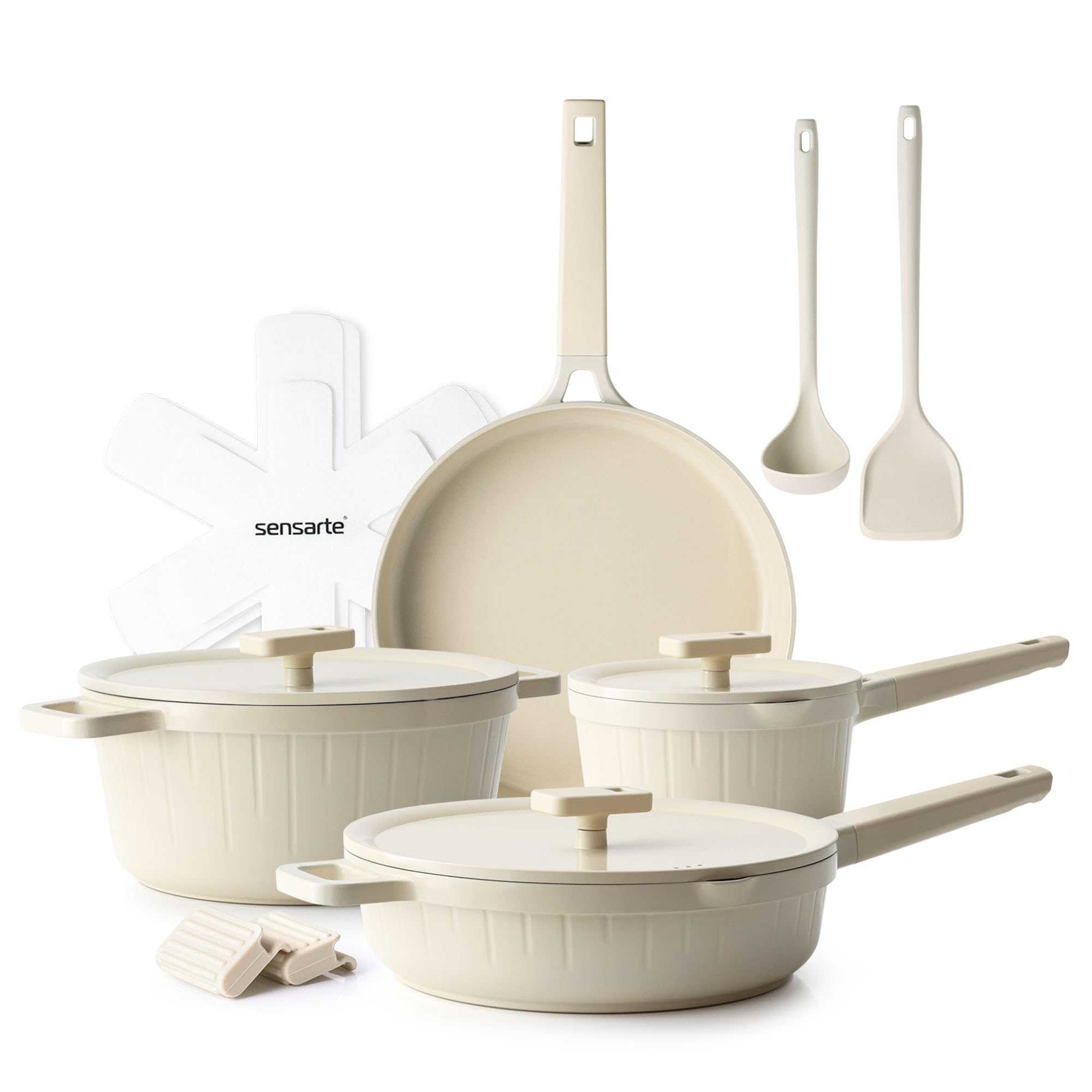
Credit: www.amazon.ca
Dishwasher Safety Factors
Understanding the dishwasher safety of ceramic pots involves more than just tossing them in the machine. Several key factors influence whether your ceramic cookware will hold up or suffer damage over time. Paying attention to these details can save you from unexpected cracks, fading, or chipping.
Material Durability
Not all ceramics are created equal. Some ceramic pots are made from high-quality, dense clay fired at very high temperatures, which makes them more resistant to heat and water. Others might be more porous or delicate, increasing the risk of damage in a dishwasher.
If you’ve ever noticed your ceramic pot’s edges becoming rough or small chips after dishwasher cycles, this is a sign the material isn’t durable enough for that kind of cleaning. Ask yourself: does your ceramic feel sturdy or somewhat fragile? This could be a good indicator of dishwasher safety.
Glaze And Finish Impact
The glaze on your ceramic pot acts like a shield, protecting the surface from stains and water absorption. However, some glazes are not dishwasher-friendly and can wear down or crack under intense heat and detergent chemicals.
Shiny, smooth finishes tend to survive dishwashers better, but matte or hand-painted finishes may fade or peel after repeated washes. Think about the look and feel of your pot’s finish—does it seem delicate or robust? That’s a clue for its dishwasher compatibility.
Manufacturer Guidelines
Checking the manufacturer’s instructions is one of the smartest moves you can make. They often provide clear advice on whether the ceramic pot is dishwasher safe or if hand washing is recommended.
Ignoring these guidelines can lead to frustrating damage that’s often irreversible. If you’ve lost the original packaging or manual, try searching online with the model number or brand name—you might find valuable user experiences or official advice.
Risks Of Dishwashing Ceramic Pots
Dishwashing ceramic pots can seem convenient, but it carries risks. The high heat and strong detergents in dishwashers may harm the pots. Understanding these risks helps protect your ceramic cookware and keep it looking good.
Cracking And Chipping
Dishwashers use hot water and strong jets, which can cause cracks. Sudden temperature changes also stress the ceramic surface. Over time, small cracks grow, leading to chipping. These damages reduce the pot’s lifespan and can affect cooking quality.
Color Fading
The dishwasher’s harsh detergents can fade ceramic colors. Bright patterns and glazes lose their shine. Repeated washing dulls the pot’s appearance, making it look old and worn. This fading lowers the visual appeal of your ceramic pots.
Residue And Staining
Dishwashers may leave soap residue on ceramic surfaces. This residue can build up, causing stains and spots. Some ceramic pots absorb stains more easily after dishwasher use. Hand washing helps prevent residue and keeps pots clean and fresh.
Hand Washing Vs Dishwasher
Choosing between hand washing and using a dishwasher for ceramic pots depends on many factors. Both methods have their benefits and drawbacks. Understanding these can help keep your ceramic pots in good shape for longer.
Pros And Cons Of Hand Washing
Hand washing lets you clean ceramic pots gently. You can control water temperature and use soft sponges. This reduces the risk of chips or cracks. It also helps remove tough stains carefully.
- Pros:Protects delicate surfaces, removes stubborn stains, and prevents damage.
- Cons:Takes more time and effort. Might not sanitize as well as dishwashers.
When To Choose Dishwasher
Dishwashers save time and energy when cleaning ceramic pots. Use the dishwasher for pots labeled as dishwasher safe. The high heat and water pressure clean pots thoroughly. Avoid using it for old or fragile ceramics to prevent damage.
- Choose dishwasher for durable, modern ceramic pots.
- Skip dishwasher for hand-painted or antique pots.
- Use dishwasher for quick cleaning after light use.
Expert Cleaning Tips
Keeping your ceramic pots looking fresh and lasting longer depends heavily on how you clean them. Expert cleaning tips can make a big difference, preventing damage and maintaining the pot’s shine. Let’s break down some practical advice that you can easily apply every time you wash your ceramic cookware.
Safe Detergents
Choose gentle dishwashing detergents that do not contain harsh chemicals or abrasives. These can wear down the ceramic glaze over time, leading to dullness or cracks.
Look for detergents labeled as “safe for delicate cookware” or “mild formula.” These protect your ceramic pots without sacrificing cleaning power.
Have you noticed your pots looking dull after washing? It might be time to switch your detergent.
Water Temperature
Use warm water rather than hot water to clean your ceramic pots. Extremely hot water can cause thermal shock, especially if your pot has any tiny cracks or imperfections.
Warm water helps loosen food residues gently without risking damage. Avoid sudden temperature changes, like rinsing a hot pot with cold water.
Try to keep the water temperature steady—this small step can extend the life of your ceramic cookware.
Loading Tips
Place your ceramic pots carefully in the dishwasher to avoid bumping or scratching. Give them enough space so they don’t hit other dishes or the dishwasher racks during the wash cycle.
Position pots face down or at an angle that allows water to flow freely inside and around them. This ensures thorough cleaning without pooling water spots.
Have you ever found chips or cracks after a dishwasher cycle? Proper loading can help you avoid that costly mistake.

Credit: www.amazon.ca
Maintaining Ceramic Pot Longevity
Keeping your ceramic pots in great shape takes more than just gentle washing. The right care extends their life and keeps them looking fresh and functional. Let’s look at practical ways you can protect your ceramic cookware every day.
Proper Storage
Storing ceramic pots correctly prevents chips and cracks. Avoid stacking them directly on top of each other without protection.
- Use soft cloth or paper towels between pots to cushion.
- Store them in a dry place to avoid moisture buildup that can weaken the material.
I once stacked my pots carelessly and ended up with a cracked rim. That taught me to always add padding, no matter how careful I think I am.
Regular Inspection
Check your ceramic pots often for any signs of damage. Look for small cracks, chips, or glaze wear that might get worse over time.
If you spot any issues early, you can avoid bigger problems and unsafe cooking. Ask yourself: Is this pot still safe to use or does it need repair or replacement?
Avoiding Thermal Shock
Rapid temperature changes cause ceramic to crack. Never move a hot pot directly into cold water or onto a cold surface.
- Let your pot cool down naturally before washing.
- Warm it gradually before adding hot ingredients.
One time, I poured cold water into a hot ceramic pot, and it cracked instantly. That experience made me respect the slow and steady approach to heating and cooling.

Credit: www.amazon.ca
Frequently Asked Questions
Are All Ceramic Pots Dishwasher Safe?
Not all ceramic pots are dishwasher safe. Check the manufacturer’s label for specific care instructions to avoid damage.
Can Dishwasher Damage Ceramic Pot Glaze?
Yes, harsh detergents and high heat in dishwashers can dull or crack ceramic glaze over time.
How To Clean Ceramic Pots Without A Dishwasher?
Hand wash ceramic pots using mild soap, warm water, and a soft sponge to preserve their finish and durability.
Will Dishwasher Ruin Ceramic Pot’s Lifespan?
Frequent dishwasher use can shorten ceramic pot lifespan by causing chips, cracks, or glaze wear.
Conclusion
Ceramic pots can often go in the dishwasher, but not always. Check the manufacturer’s instructions first to be sure. Some ceramics may crack or lose shine with hot water and strong detergents. Hand washing with mild soap helps protect the pot’s surface.
Taking simple care steps keeps your ceramic pots looking good longer. Clean pots make cooking and serving easier every day. Choose the best way to wash based on your pot’s type. This keeps your kitchen tools safe and ready for use.
Simple care makes a big difference.