
Are you wondering whether your beautiful ceramic dishes can withstand the rigors of your dishwasher? It’s a common question that can leave you feeling uncertain as you stand in your kitchen, wanting to preserve both the beauty and functionality of your dinnerware.
You might have invested in a stunning ceramic set that you adore, and the last thing you want is to damage it through improper care. In this blog post, we’re diving into the world of ceramics to uncover the truth about their dishwasher safety.
By the end, you’ll know exactly how to keep your ceramics looking pristine while enjoying the convenience of modern dishwashing. So, let’s unravel the mystery together and give you peace of mind with every wash.

Credit: www.elicstudio.com
Ceramics And Dishwasher Safety
Ceramics are popular in kitchens for their beauty and durability. Many people wonder if ceramics can go in the dishwasher without damage. Understanding the connection between ceramics and dishwasher safety helps keep your dishes looking great longer. This section explains different types of ceramics and how dishwashers affect them.
Types Of Ceramics
Ceramics come in various forms. Each type reacts differently to dishwasher cleaning.
- Earthenware:Made from porous clay. It often has a glaze but can absorb water. Not very dishwasher safe.
- Stoneware:Fired at higher temperatures. It is denser and less porous. Usually safer for dishwashers.
- Porcelain:Made from fine clay and fired at very high heat. It is strong and non-porous. Generally dishwasher safe.
- Bone China:Contains bone ash for extra strength. Delicate but can often handle dishwasher cycles.
How Dishwashers Affect Ceramics
Dishwashers use hot water, strong detergents, and high pressure. These elements can harm certain ceramics.
- High heat can cause cracks or crazing in delicate ceramics.
- Strong detergents may fade painted or hand-decorated designs.
- Water pressure might chip edges if items are not placed carefully.
- Repeated dishwasher use can wear down glazes and finishes over time.
Choosing the right ceramics for dishwasher use protects your investment. Always check manufacturer guidelines before placing ceramics in the dishwasher.

Credit: potterycrafters.com
Risks Of Dishwasher Cleaning
Using a dishwasher to clean your ceramic dishes might seem like a time saver, but it comes with certain risks you should be aware of. Not all ceramics are designed to handle the harsh environment inside a dishwasher. Understanding these risks can help you protect your favorite pieces and keep them looking new.
Potential Damage To Glaze And Paint
The high heat and strong detergents inside a dishwasher can wear down the glaze on ceramics. This glaze acts as a protective layer, and once damaged, your dishes may lose their shine and become more porous.
Painted designs are even more vulnerable. I once noticed the beautiful patterns on a ceramic plate fading after just a few dishwasher cycles. If your ceramics have detailed artwork or hand-painted elements, washing by hand might be the safer choice.
Cracking And Chipping Concerns
Repeated exposure to the intense water pressure and temperature changes in a dishwasher can cause ceramics to crack or chip. Even sturdy-looking pieces may develop tiny fractures that worsen over time.
Think about how you feel when glassware chips from a minor bump—ceramics react similarly but aren’t always as easy to spot. If you’ve experienced a chipped mug or cracked bowl after dishwashing, you know how frustrating it can be.
Have you ever wondered if the convenience of the dishwasher is worth the risk to your favorite ceramic items? Sometimes, a little extra care can save you from replacing cherished pieces.
Safe Dishwasher Practices
Safe dishwasher practices help protect your ceramic dishes from damage. Ceramics can chip or crack if handled carelessly. Following simple steps keeps your ceramics clean and intact. Understanding dishwasher settings and detergent choice is key. Loading dishes properly also avoids unnecessary wear.
Choosing The Right Cycle
Select a gentle or delicate cycle for ceramics. These cycles use lower temperatures and less water pressure. Avoid heavy or high-heat cycles that may cause cracks. A short wash cycle reduces the time ceramics spend in water. This limits exposure to harsh conditions.
Using Gentle Detergents
Use mild, phosphate-free detergents to clean ceramics safely. Harsh chemicals can wear down glazes and decorations. Avoid bleach or abrasive powders that damage surface finishes. Choose detergents labeled safe for delicate items. This helps maintain the beauty and strength of your ceramics.
Proper Loading Techniques
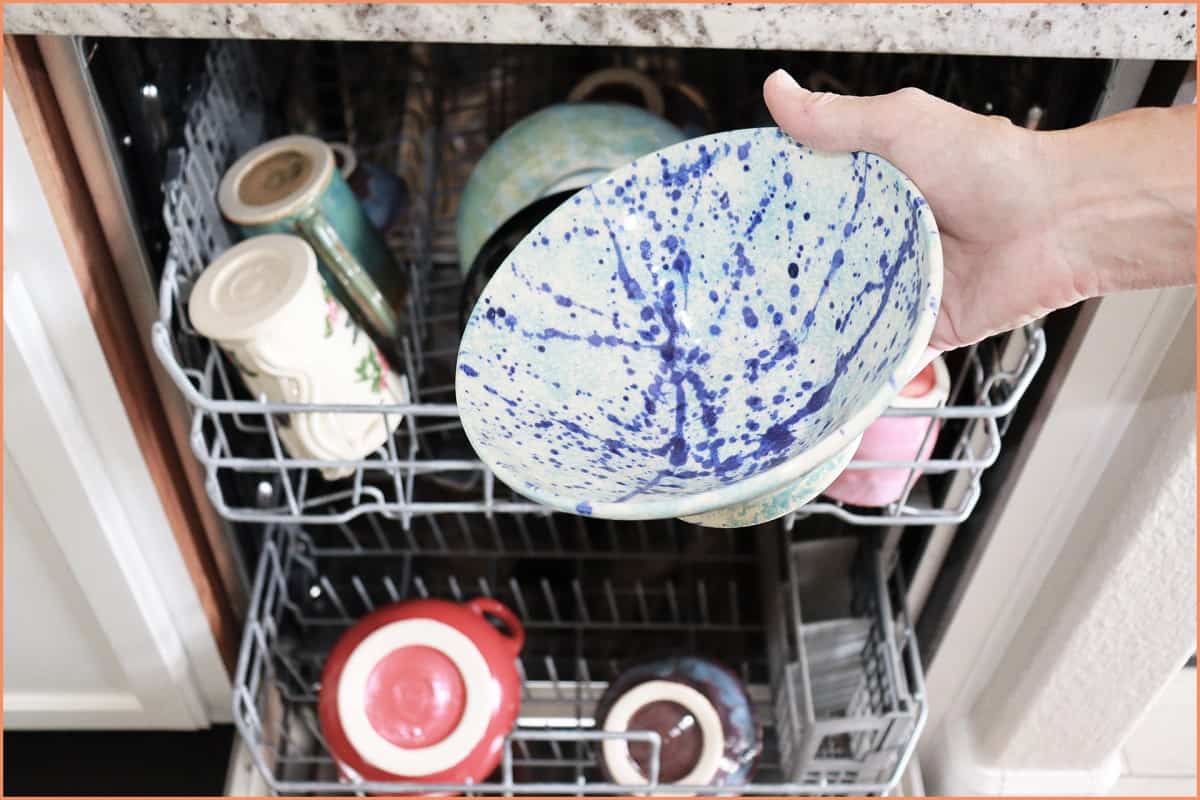
- Place ceramics securely to prevent movement during the wash.
- Keep ceramic pieces separate to avoid collisions.
- Do not overload the dishwasher; it strains dishes and the machine.
- Face ceramic bowls and plates downward for better water flow.
- Use dishwasher racks and holders designed for fragile items.
Careful loading reduces the risk of chipping and cracking. It also improves cleaning efficiency. Proper practices extend the life of your ceramic dishes.
Credit: potterycrafters.com
Alternatives To Dishwasher Cleaning
Dishwasher cleaning is not always the best choice for ceramics. Some ceramics can crack, fade, or lose their finish in the dishwasher. Alternatives to dishwasher cleaning offer gentle care that keeps your ceramics safe and beautiful. These methods help you clean without risking damage.
Hand Washing Methods
Hand washing is the safest way to clean ceramics. Use warm water and mild soap to avoid harsh chemicals. A soft sponge or cloth prevents scratches on the surface. Avoid abrasive scrubbers or steel wool that can damage the glaze. Rinse ceramics thoroughly to remove soap residue. Dry with a soft towel or let air dry to avoid water spots.
Best Cleaning Products For Ceramics
Choose gentle cleaning products designed for delicate items. Mild dish soap works well for everyday cleaning. For tough stains, try baking soda mixed with water to form a paste. White vinegar diluted with water can remove mineral deposits and brighten ceramics. Avoid bleach or harsh chemicals that weaken ceramic surfaces. Always test new products on a small area first to ensure safety.
Identifying Dishwasher-safe Ceramics
Knowing if ceramics are safe for the dishwasher helps protect your dishes and your machine. Some ceramics can handle the heat and water pressure, while others may crack or fade. Identifying dishwasher-safe ceramics saves you time and effort in hand washing and keeps your ceramics looking new.
Labels And Manufacturer Guidelines
Check the bottom or back of your ceramic items for labels. Look for words like “dishwasher safe” or dishwasher symbols. Manufacturers often include care instructions on packaging or tags. Follow these guidelines to avoid damage.
Not all ceramics come with clear labels. When in doubt, visit the manufacturer’s website or contact customer service. They provide reliable information about the product’s durability in dishwashers.
Testing Small Pieces Safely
Test a small ceramic piece before washing a full set. Place the item on the top rack of the dishwasher. Use a gentle or eco-friendly cycle to reduce heat and pressure.
After the wash, check for cracks, fading, or changes in texture. If the piece remains intact, larger items may be safe to wash this way. Always test cautiously to protect your ceramics.
Maintaining Ceramic Longevity
Maintaining the longevity of ceramic items ensures they stay beautiful and functional for years. Ceramics can be delicate, so careful handling and proper care are essential. Small habits help protect the surface and prevent damage from everyday use.
Regular Care Tips
- Hand wash ceramics with mild soap and warm water.
- Avoid using harsh scrubbers that can scratch the surface.
- Dry ceramics thoroughly to prevent water stains and cracks.
- Limit exposure to sudden temperature changes to avoid cracks.
- Use soft cloths or sponges for cleaning instead of abrasive pads.
- Check for chips or cracks regularly and avoid using damaged pieces.
Storage Recommendations
- Store ceramic items in a dry place to prevent moisture damage.
- Separate pieces with soft cloth or padding to avoid scratches.
- Stack plates and bowls carefully, with protection between each item.
- Keep ceramics away from heavy objects that may cause chips.
- Use shelves with stable support to prevent accidental falls.
Frequently Asked Questions
Are All Ceramics Dishwasher Safe?
Not all ceramics are dishwasher safe. Some may crack or fade due to heat and harsh detergents. Always check manufacturer guidelines before washing ceramics in a dishwasher.
Can Dishwasher Damage Ceramic Glaze?
Yes, dishwashers can damage ceramic glaze over time. High temperatures and strong detergents can cause dullness or chipping. Handwashing is safer for delicate glazed ceramics.
How To Clean Ceramics Safely In A Dishwasher?
Use a gentle cycle and mild detergent to clean ceramics. Avoid overcrowding and place ceramics securely to prevent movement and damage during the wash.
What Ceramics Should Never Go In A Dishwasher?
Hand-painted, antique, or porous ceramics should not go in a dishwasher. These types are sensitive to heat and water pressure, risking damage and color fading.
Conclusion
Ceramics can usually go in the dishwasher safely. Check the label or maker’s advice first. Avoid sudden temperature changes to prevent cracks. Use gentle settings to keep your ceramics in good shape. Hand washing works well for delicate or old pieces.
Taking care of your ceramics helps them last longer. Simple steps protect your favorite dishes every day. Clean ceramics look nice and stay strong. Dishwasher use depends on the type and quality of ceramic. Always choose what works best for your items.