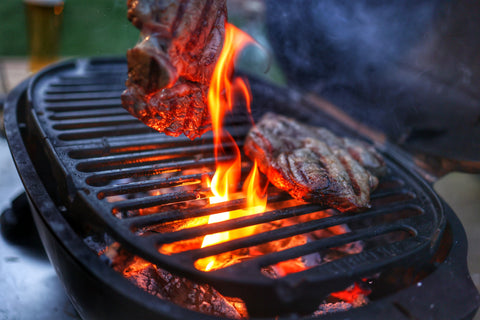
Are you someone who loves the smoky flavor of food cooked on a charcoal grill? You’re not alone.
But have you ever stopped to wonder if using a charcoal grill might be bad for your health? It’s a question that many grill enthusiasts don’t think about until they hear conflicting information. You’ll discover the truth behind charcoal grilling and its impact on your well-being.
Keep reading to find out what you need to know to enjoy your favorite cookouts safely.
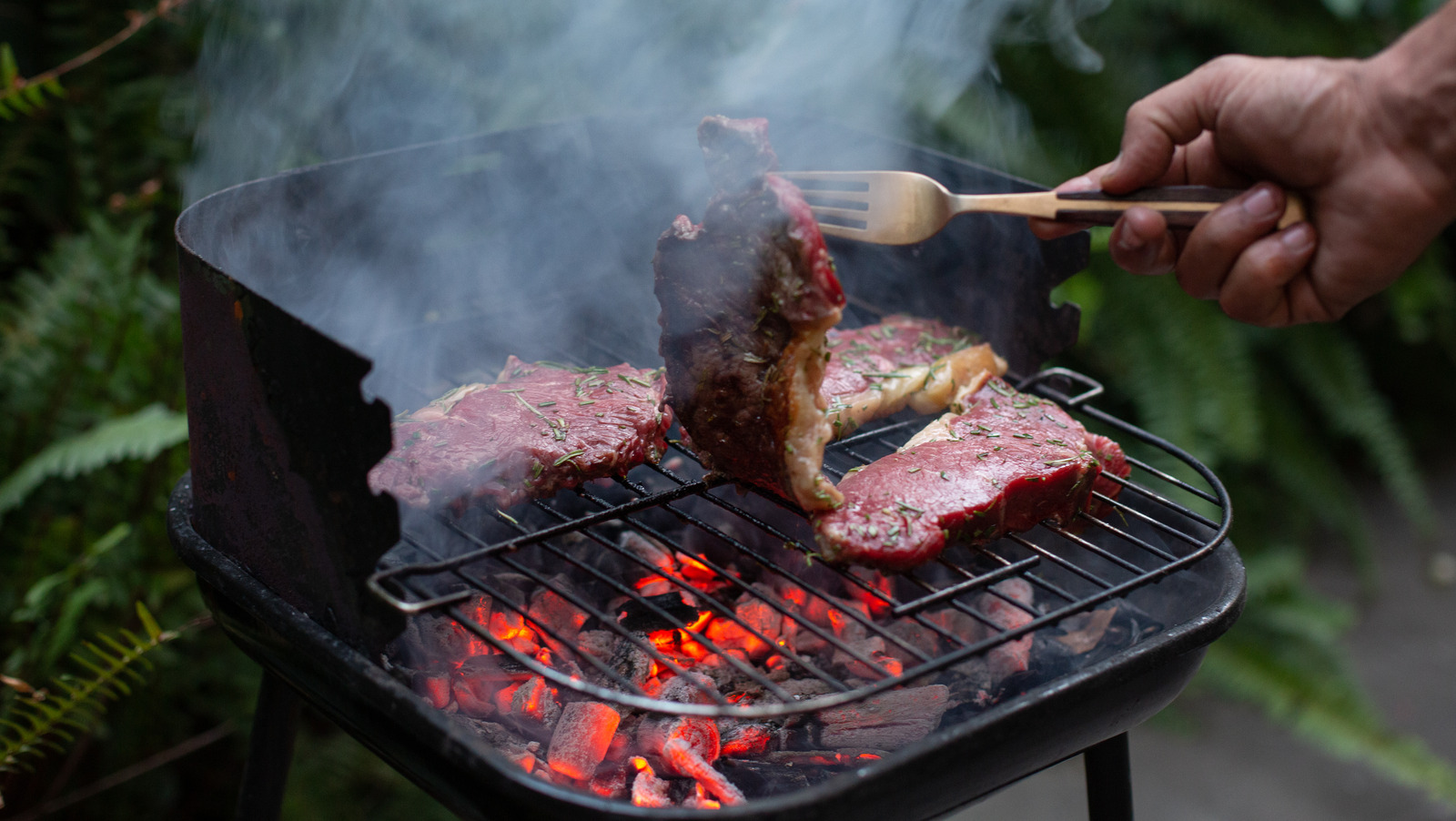
Credit: www.thetakeout.com
Health Impacts Of Charcoal Grilling
Charcoal grilling is popular for its smoky flavor. Many people wonder if it is safe for health.
This article explains how charcoal smoke and particles affect the body.
Smoke And Carcinogens
Charcoal smoke contains harmful chemicals called carcinogens. These chemicals can cause cancer in the long term.
- Polycyclic aromatic hydrocarbons (PAHs) form when fat drips on hot charcoal.
- Heterocyclic amines (HCAs) develop in cooked meat at high heat.
- Both PAHs and HCAs can damage DNA cells.
- Repeated exposure increases the risk of cancer.
Effects Of Inhaled Particles
When you breathe in charcoal smoke, tiny particles enter your lungs. These particles can cause health problems.
| Particle Type | Health Effect |
| Fine particulate matter (PM2.5) | Causes lung irritation and breathing issues |
| Carbon monoxide | Reduces oxygen in blood, causing headaches and dizziness |
| Volatile organic compounds (VOCs) | Can trigger allergic reactions and asthma |

Credit: www.siuhaau.com
Environmental Concerns
Charcoal grills are popular for cooking, but they raise some environmental issues. Understanding these concerns helps us make better choices. This section looks at the impact of charcoal on the environment.
We focus on the carbon footprint of charcoal and how its production affects forests. These are key points to consider when thinking about charcoal use.
Carbon Footprint Of Charcoal
Charcoal grilling releases carbon dioxide and other gases. These gases add to global warming. Charcoal produces more carbon emissions than gas or electric grills.
- Charcoal burning creates smoke and soot
- It releases methane, a strong greenhouse gas
- Charcoal production uses energy and fuels
- Transportation of charcoal adds to emissions
Deforestation And Charcoal Production
Charcoal is made from wood, which often comes from cutting down trees. This can lead to deforestation. Losing trees harms wildlife and reduces oxygen in the air.
| Impact | Description |
| Forest Loss | Large areas cleared to make charcoal |
| Soil Erosion | Tree roots no longer hold soil in place |
| Habitat Damage | Animals lose homes and food sources |
| Reduced Air Quality | Less oxygen and more dust in the air |
Comparing Charcoal To Other Grilling Methods
Many people enjoy grilling food outdoors. Charcoal grills are popular but not the only choice.
This article compares charcoal grills with gas and electric grills. It helps you understand their differences.
Gas Grills Vs. Charcoal
Gas grills use propane or natural gas to cook food. They heat up quickly and stay at a steady temperature.
Charcoal grills use burning charcoal to create heat. They take longer to heat but add a smoky flavor.
- Gas grills are easier to control and clean.
- Charcoal grills give food a unique smoky taste.
- Gas grills produce fewer harmful chemicals than charcoal.
- Charcoal grills release more smoke and soot.
- Charcoal grilling needs more time and effort.
Electric Grills Vs. Charcoal
Electric grills use electricity to heat metal plates. They are simple to use and work indoors.
Charcoal grills use burning coal outdoors. They offer a traditional grilling experience with smoke.
- Electric grills are cleaner and produce no smoke.
- Charcoal grills add smoky flavor but create more smoke.
- Electric grills heat quickly and are easy to use.
- Charcoal grills need more time to prepare.
- Electric grills can be used inside homes or apartments.
Safety Tips For Charcoal Grilling
Charcoal grilling is a popular way to cook outdoors. It can create tasty meals but also has some risks. Knowing safety tips helps you enjoy grilling safely.
Using charcoal grills correctly reduces dangers like smoke inhalation and burns. Follow these tips to keep your grilling safe and fun.
Reducing Smoke Exposure
Smoke from charcoal grills can irritate your eyes and lungs. Try to avoid breathing in too much smoke while cooking.
Grill in open spaces with good airflow. This helps carry smoke away from you and your guests.
- Light the charcoal outside, not indoors.
- Stand upwind of the grill to avoid smoke.
- Use a chimney starter to light charcoal faster and cleaner.
- Keep the grill lid open if smoke builds up too much.
Safe Charcoal Handling
Charcoal can get very hot and cause burns or fires. Handle it carefully before, during, and after grilling.
Store charcoal in a dry place away from children and pets. Use long tools to move hot charcoal safely.
- Never add lighter fluid to hot or warm charcoal.
- Use heat-resistant gloves when handling hot coals.
- Allow charcoal to cool completely before disposing of ashes.
- Keep a bucket of water or fire extinguisher nearby.
Benefits Of Charcoal Grilling
Charcoal grilling offers a unique way to cook food outdoors. Many people enjoy it for the taste and experience it provides.
This method uses charcoal briquettes or lump charcoal as fuel, which creates a distinct flavor. It is also a popular choice for many due to its cost and ease of use.
Flavor And Cooking Experience
Charcoal grills give food a smoky taste that gas grills cannot match. The heat from charcoal allows for good searing and caramelization of meats and vegetables.
- Charcoal creates higher temperatures for better searing.
- The smoke adds a rich, smoky flavor to the food.
- It allows for cooking with indirect heat for slow roasting.
- Many find the grilling process more hands-on and enjoyable.
Affordability And Accessibility
Charcoal grills are usually less expensive than gas grills. Charcoal is easy to find in most stores and comes in different types to suit your needs.
| Aspect | Charcoal Grills | Gas Grills |
| Cost | Lower initial price | Higher initial price |
| Fuel | Charcoal briquettes or lump charcoal | Propane or natural gas |
| Availability | Widely available in stores | Requires gas supply or tanks |
| Maintenance | Simple cleaning, ash disposal needed | More parts to clean and maintain |

Credit: www.siuhaau.com
Alternatives To Traditional Charcoal
Charcoal grills are popular but may cause health and environmental concerns. Many people want safer and cleaner grilling options.
You can find alternatives that reduce smoke, chemicals, and pollution. These options still give great flavor without the downsides.
Sustainable Charcoal Options
Sustainable charcoal comes from renewable sources and less harmful processes. It helps protect forests and lowers air pollution.
Look for charcoal made from coconut shells, bamboo, or wood from managed forests. These burn cleaner and last longer than regular charcoal.
- Coconut shell charcoal produces less smoke and ash
- Bamboo charcoal grows quickly and is eco-friendly
- Charcoal from certified forests supports good forest care
Innovative Grilling Techniques
New grilling methods reduce harmful smoke and improve safety. These techniques use different fuels or tools for better results.
Try electric grills, pellet grills, or gas grills. They create less smoke and do not release harmful chemicals like charcoal.
- Electric grills heat food with electricity, no smoke
- Pellet grills use compressed wood pellets for flavor
- Gas grills burn cleaner with propane or natural gas
Frequently Asked Questions
Are Charcoal Grills Harmful To Health?
Charcoal grills produce smoke containing harmful chemicals. Prolonged exposure to these can increase health risks. Using natural lump charcoal and proper ventilation reduces these risks significantly.
Do Charcoal Grills Release Toxic Fumes?
Yes, charcoal grills emit carbon monoxide and polycyclic aromatic hydrocarbons (PAHs). These fumes can be toxic if inhaled in large amounts. Always grill outdoors and avoid inhaling smoke directly.
Can Cooking On Charcoal Cause Cancer?
Charcoal grilling can create carcinogens like PAHs and heterocyclic amines (HCAs). Consuming these in large amounts may increase cancer risk. Moderation and proper cooking techniques help minimize this risk.
Is Charcoal Grilling Safer Than Gas Grilling?
Both have pros and cons. Charcoal grilling produces more smoke and carcinogens. Gas grilling emits fewer harmful chemicals but may lack flavor. Choosing depends on personal preference and safety practices.
Conclusion
Charcoal grills can add great flavor to your food. They do produce smoke, which may have some risks. Cooking at lower temperatures helps reduce harmful substances. Using natural lump charcoal is a safer choice. Keep your grill clean to avoid flare-ups and chemicals.
Enjoy grilling but take simple steps to stay safe. Balance taste with health for the best grilling experience. Your food can be tasty without extra health worries. Choose wisely and grill smart for happy meals.