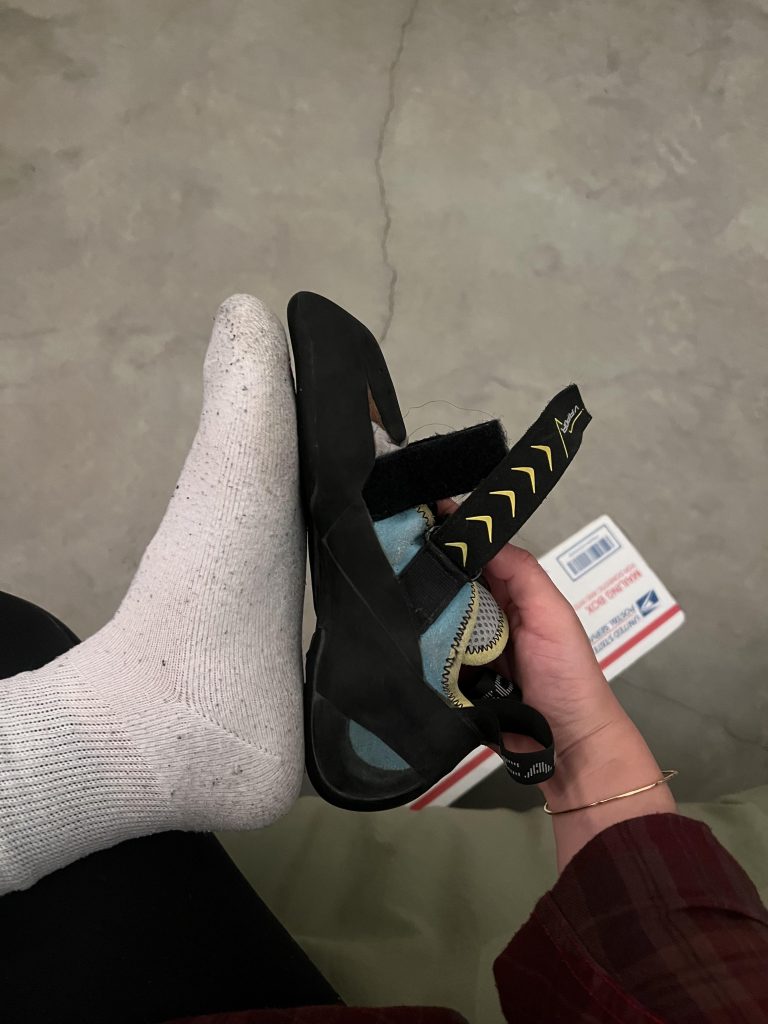
Have you ever wondered if climbing shoes are supposed to hurt? If you’re new to climbing, or even if you’ve been at it a while, that tight, uncomfortable feeling inside your shoes can make you question if it’s normal or if something’s wrong.
You want your shoes to fit just right—snug enough to give you control but not so tight that they cause pain. You’ll discover why climbing shoes might feel uncomfortable, when that discomfort is actually helpful, and when it’s a sign you need a different fit.
Keep reading to learn how to find the perfect balance between performance and comfort for your climbing adventures.

Credit: www.reddit.com
Why Climbing Shoes Feel Tight
Climbing shoes often feel tight and snug. This fit helps climbers perform better on rocks and walls.
The tightness can cause discomfort at first. Understanding why shoes fit this way can help you choose the right pair.
Purpose Of A Snug Fit
A snug fit keeps your foot secure in the shoe. It stops your foot from sliding during climbs.
Tight shoes also improve precision. They help you feel the rock better with your toes.
- Prevents foot movement inside the shoe
- Increases control and stability
- Enhances sensitivity on small holds
- Supports aggressive climbing techniques
Common Pressure Points
Climbing shoes press on certain parts of your foot more. These spots can feel sore after wearing shoes.
Knowing these pressure points helps you adjust or choose better shoes.
- Toes: Usually squeezed tightly for control
- Ball of the foot: Bears weight on small edges
- Heel: Must fit firmly to avoid slipping
- Arch: Some shoes press here depending on shape

Credit: www.reddit.com
Signs Of Unhealthy Pain
Climbing shoes should fit snugly, but they should not cause serious pain. Understanding the difference between normal discomfort and unhealthy pain helps protect your feet.
Unhealthy pain can lead to injuries or long-term damage. It is important to recognize the signs early to avoid problems.
Sharp Vs. Mild Discomfort
Mild discomfort is normal when breaking in new climbing shoes. Your feet may feel tight or slightly sore at first.
Sharp pain is a warning sign. It may feel like stabbing, burning, or pinching in specific spots on your foot.
- Mild discomfort usually fades after climbing or wearing shoes for a short time.
- Sharp pain often persists and gets worse with use.
- Sharp pain can cause numbness or skin damage.
When To Stop Using Shoes
Stop using your climbing shoes if you feel sharp pain during or after climbing. This pain can damage your feet if ignored.
If shoes cause blisters, bruises, or numbness, stop wearing them. These signs mean the shoes do not fit well or are too tight.
- Sharp pain that lasts beyond climbing sessions
- Blisters or wounds on your feet
- Numb or tingling toes
- Swelling or redness after use
Choosing The Right Fit
Climbing shoes should fit well, but they are not supposed to hurt. The right fit helps you climb better and keeps your feet comfortable.
Finding the perfect pair of climbing shoes can take time. It’s important to focus on how they fit your feet.
Measuring Your Feet Correctly
Start by measuring your feet to find the right shoe size. You can do this at home with a piece of paper and a ruler.
Make sure to measure both feet, as one foot might be slightly larger than the other. Use the measurement of the larger foot.
- Trace your foot on a piece of paper
- Measure the longest part from heel to toe
- Use these measurements to find your size
Trying Different Brands And Models
Not all brands fit the same way. Trying different brands and models can help you find a shoe that fits your feet well.
Visit a store to try on different climbing shoes. Pay attention to how each pair feels on your feet.
- Test shoes from various brands
- Walk around to see if they feel comfortable
- Check if they hold your foot snugly but not tightly
Breaking In Climbing Shoes
Climbing shoes often feel tight and uncomfortable at first. This is normal because they need to fit snugly for better grip.
Breaking in climbing shoes means softening the materials and letting your feet adjust. This process makes the shoes more comfortable.
Effective Break-in Techniques
Wearing your shoes at home helps them stretch gently. Try wearing them for short times to avoid pain.
Using a hairdryer to warm the shoes while wearing thick socks can also soften the material. This makes the shoes mold to your feet.
- Wear shoes around the house for 30 minutes daily
- Use a hairdryer on leather or synthetic material
- Wear thick socks to stretch shoes safely
- Stretch tight areas by gently bending or massaging
How Long Break-in Should Take
Breaking in climbing shoes usually takes a few days to a few weeks. It depends on the shoe material and how often you wear them.
Leather shoes take longer to soften. Synthetic shoes break in faster but still need time to fit well.
- Leather shoes: about 1-3 weeks
- Synthetic shoes: about a few days to 1 week
- Wear shoes regularly but avoid long climbs at first
Tips For Enhanced Comfort
Climbing shoes often feel tight at first. Comfort is important for better climbing.
This guide shares easy tips to make your climbing shoes more comfortable. Small changes help a lot.
Using Socks Or Liners
Wearing socks or liners can reduce friction and prevent blisters inside your climbing shoes. Thin liners also help absorb sweat.
- Choose thin, breathable socks to keep feet dry.
- Use special climbing liners made of silk or synthetic fibers.
- Try liners if your shoes feel too tight but you want a bit more cushion.
- Keep socks clean and dry to avoid odor and discomfort.
Adjusting Lacing And Straps
Proper lacing and strap adjustment improve fit and comfort. Tighten or loosen shoes to match foot shape and climbing style.
| Adjustment | Benefit |
| Tighten laces near toes | Better toe control and reduced slipping |
| Loosen laces near ankle | Less pressure and more comfort |
| Secure straps firmly | Prevents foot movement inside shoe |
| Adjust after each climb | Maintains comfort during long sessions |
When To Consider Custom Shoes
Climbing shoes often feel tight at first. A bit of pressure is normal. But pain is not.
If your shoes hurt a lot or cause blisters, custom shoes might help you. They fit your feet better.
Benefits Of Custom Fit
Custom shoes match the shape of your feet exactly. They reduce pain and improve climbing.
Better fit means better control on small edges. You can climb longer without discomfort.
- Fits unique foot shapes
- Prevents hot spots and blisters
- Improves foot sensitivity
- Offers better support
Cost Vs. Comfort
Custom shoes cost more than regular ones. But they can save money on foot care.
Comfort is important for climbing success. Pain can stop you from practicing and improving.
- Custom shoes have higher upfront cost
- Less chance of foot injuries
- Longer climbing sessions possible
- Better investment for serious climbers

Credit: www.reddit.com
Frequently Asked Questions
Do Climbing Shoes Hurt When Breaking In?
Yes, climbing shoes can cause discomfort during break-in. They feel tight to improve grip. Pain usually lessens after a few uses as shoes stretch and mold to your feet.
Should Climbing Shoes Fit Painfully Tight?
Climbing shoes should fit snugly but not cause sharp pain. A tight fit improves performance but extreme pain can harm feet and reduce climbing enjoyment.
How To Reduce Climbing Shoe Pain?
To reduce pain, wear shoes for short sessions initially. Use breathable socks if allowed. Stretch shoes gently and choose the right size and model for your foot shape.
Is Foot Pain Normal With Climbing Shoes?
Mild foot pain is common due to tight fit and pressure points. Severe pain or numbness is not normal and may signal improper fit or need for different shoes.
Conclusion
Climbing shoes may feel tight but should not cause sharp pain. Small discomfort can help with grip and control. Avoid wearing shoes that hurt your toes or feet badly. Choose shoes that fit snugly but still feel okay. Remember, comfort helps you climb better and longer.
Find the right balance between fit and feeling good. Your feet deserve care, even in climbing shoes. Keep trying different pairs until you find the best match. Happy climbing starts with comfortable shoes.