When you’re a busy parent, every second counts. You’re juggling feeding times, nap schedules, and the elusive moment of peace for yourself.
So, when it comes to cleaning baby bottles, convenience is key. If you’re using Comotomo bottles, you might be wondering if you can safely pop them into the dishwasher. After all, a dishwasher can save you precious time and energy.
But is it safe for your little one’s bottles? Understanding this could mean less time at the sink and more time doing what truly matters. Stick around, because what you discover next could transform your daily routine and give you one less thing to worry about.
Comotomo Bottle Features
Comotomo bottles are popular for their thoughtful features that make feeding easier. Parents appreciate their safe materials and smart design. These features also impact whether the bottles are dishwasher safe and easy to clean.
Material And Design
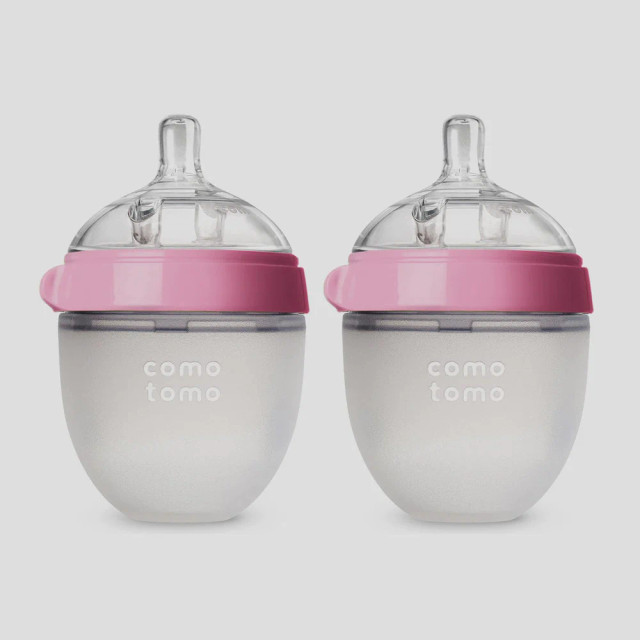
Comotomo bottles are made from soft, medical-grade silicone. This material is safe for babies and free from harmful chemicals like BPA. The silicone feels like real skin, helping babies feel comfortable while feeding.
The bottle’s wide neck design allows easy filling and cleaning. It also fits most standard bottle brushes and dishwasher racks. The soft, squeezable body helps control milk flow and reduces colic by minimizing air intake.
Parts And Components
The bottle has a few main parts:
- Wide silicone bottle body
- Soft silicone nipple designed to mimic breastfeeding
- Two anti-colic vents to reduce air swallowing
- Wide screw ring to hold the nipple securely
All parts are removable and dishwasher safe, making cleaning simple. The silicone parts are flexible but durable, lasting through repeated washing cycles.

Credit: www.calmandchic.com
Dishwasher Safety Of Comotomo Bottles
Comotomo bottles are popular among parents for their soft silicone design and ease of cleaning. Knowing their dishwasher safety helps maintain bottle quality and hygiene. Proper dishwasher use can save time and keep bottles clean without damage.
Manufacturer’s Recommendations
Comotomo advises hand washing to extend bottle life. The silicone body can withstand dishwasher heat but may weaken over time. The manufacturer suggests placing bottles on the top rack only. Avoid using harsh detergents or high-heat drying cycles. Regular inspection of bottles is important to check for wear.
Temperature And Cycle Considerations
Use a gentle or baby bottle cycle on the dishwasher. High temperatures can deform silicone or reduce softness. Avoid heated drying; air drying is safer. Keep bottles away from direct heating elements inside the dishwasher. Cooler water cycles help maintain bottle shape and safety.
Best Cleaning Practices
Keeping Comotomo bottles clean is essential for your baby’s health. Proper cleaning removes milk residue and bacteria. Follow best practices to ensure thorough cleaning without damaging the bottles. Use gentle yet effective methods suited for these silicone bottles.
Hand Washing Techniques
Hand washing Comotomo bottles is simple and safe. Use warm water and mild dish soap. Avoid harsh chemicals or abrasive scrubbers that may damage the silicone.
- Disassemble all parts including nipples and caps.
- Use a bottle brush to clean inside the bottle thoroughly.
- Clean nipples carefully with a nipple brush to remove milk residue.
- Rinse all parts well with warm water to remove soap.
- Allow bottles and parts to air dry on a clean rack.
Hand washing allows close attention to hard-to-reach spots. It also helps preserve the bottle’s soft, silicone surface.
Using Dishwasher Safely
Comotomo bottles are dishwasher safe. Place bottles on the top rack only. This prevents exposure to intense heat at the bottom.
- Disassemble all parts before placing them in the dishwasher.
- Use a gentle or baby-safe dishwasher cycle.
- Avoid using heated drying cycles; air dry instead.
- Check bottles after washing for any leftover residue.
Dishwashing saves time but handle with care. Proper placement and cycle choice keep bottles clean and intact.

Credit: www.anbbaby.com
Common Cleaning Mistakes
Cleaning Comotomo bottles properly keeps them safe and lasting long. Many make common mistakes that cause damage or leave mold. Understanding these errors helps keep bottles clean and safe for babies. This section highlights key cleaning mistakes to avoid for better bottle care.
Avoiding Damage
Comotomo bottles are soft silicone, which can tear easily. Avoid sharp tools or scrubbers that can cut the surface. Hot water is good, but extreme heat may warp the bottle. Use warm water and mild soap for washing. Check the bottle parts regularly for any signs of wear or damage.
Preventing Mold And Residue
Mold grows in damp, hidden areas like bottle necks and caps. Clean all parts thoroughly after each use. Let bottles dry completely before storing to stop mold growth. Avoid leaving milk or formula in the bottle for too long. Use a bottle brush to clean hard-to-reach spots. Rinse well to remove any soap residue that may build up over time.
Alternative Cleaning Methods
Alternative cleaning methods help keep Comotomo bottles safe and fresh. These methods suit parents who prefer gentle care over dishwasher use. They prevent damage to the soft silicone and keep bottles hygienic. Simple techniques can clean thoroughly without harsh tools or chemicals.
Sterilizing Options
Sterilizing kills germs and bacteria on baby bottles. Use boiling water by placing bottles in a pot for five minutes. Electric steam sterilizers offer fast and easy sterilization without chemicals. Microwave sterilizer bags work well and save time. Always allow bottles to cool before use. Sterilizing ensures safe feeding for your baby.
Natural Cleaning Solutions
Natural solutions clean Comotomo bottles without harsh chemicals. Mix warm water with mild dish soap for daily cleaning. Baking soda helps remove odors and stains. Use a vinegar solution to disinfect and remove mineral buildup.
- Mix 1 part white vinegar with 3 parts water.
- Soak bottles for 15-20 minutes.
- Rinse well with clean water.
These natural cleaners keep bottles fresh and safe for babies. They protect the silicone material from damage and wear. Regular cleaning with natural ingredients supports your baby’s health.
Maintenance Tips For Longevity
Keeping your Comotomo bottles in great shape ensures they last through many feeding sessions. Proper maintenance not only preserves the bottle’s quality but also protects your baby from potential hygiene issues. Let’s look at some practical tips you can apply daily to extend the life of your bottles.
Storage Recommendations
Store your Comotomo bottles in a clean, dry place away from direct sunlight. Excessive heat or UV rays can degrade the silicone material and cause discoloration. Avoid keeping them in damp areas where mold or bacteria might grow.
Use a dedicated container or shelf to keep bottles and parts separated from other kitchen items. This prevents contamination and makes it easier to find everything when you need it. If you’re traveling, consider a breathable bottle bag to protect your bottles without trapping moisture.
Regular Inspection
Check your Comotomo bottles regularly for signs of wear or damage. Look closely at the silicone nipples and the body for cracks, tears, or discoloration. Even minor damage can affect the bottle’s safety and performance.
Replace any parts that show deterioration immediately to avoid issues during feeding. Have you ever noticed small cracks that weren’t visible at first? That’s why consistent inspection can save you from unexpected problems.

Credit: www.amazon.com
Frequently Asked Questions
Are Comotomo Bottles Safe To Clean In A Dishwasher?
Yes, Comotomo bottles are dishwasher safe. You can place them on the top rack for cleaning. This helps maintain their shape and quality while ensuring thorough sanitation.
Can I Use A Dishwasher For Comotomo Bottle Parts?
All parts of Comotomo bottles, including nipples and caps, are dishwasher safe. Use the top rack to avoid heat damage and prolong their lifespan.
Does Dishwasher Cleaning Damage Comotomo Bottles?
Dishwasher cleaning does not damage Comotomo bottles if placed on the top rack. Avoid high heat cycles to keep the silicone soft and durable.
How Often Should I Dishwasher Clean Comotomo Bottles?
Clean Comotomo bottles in the dishwasher after every use. Regular cleaning prevents bacteria build-up and keeps your baby’s feeding items hygienic.
Conclusion
Comotomo bottles are safe for dishwasher cleaning. Place them on the top rack only. Avoid high heat settings to keep bottles in good shape. Hand washing also works well for better care. Regular cleaning keeps bottles fresh and safe for babies.
Trust simple steps to keep feeding time easy. Choosing the right cleaning method helps bottles last longer. Clean bottles mean healthy feeding and happy babies.