Are you tired of standing over the sink, scrubbing each of your cookie cutters by hand? You might be wondering if you can just toss them in the dishwasher.
After all, who wouldn’t want to save time and effort in the kitchen? Before you decide, it’s crucial to know whether your cookie cutters are truly dishwasher safe. Missteps could lead to rust, warping, or even ruining your beloved baking tools.
Dive into this article, and discover the secrets to keeping your cookie cutters in pristine condition while making your life easier. Let’s unravel the truth together and ensure your next baking adventure is both efficient and safe!

Credit: sweetprintsinc.com
Materials And Dishwasher Safety
Cookie cutters come in different materials, each with unique care needs. Knowing these materials helps to decide if dishwasher cleaning is safe. Some materials handle heat and water well. Others may warp or rust. Understanding this keeps your cutters in good shape for many uses.
Metal Cookie Cutters
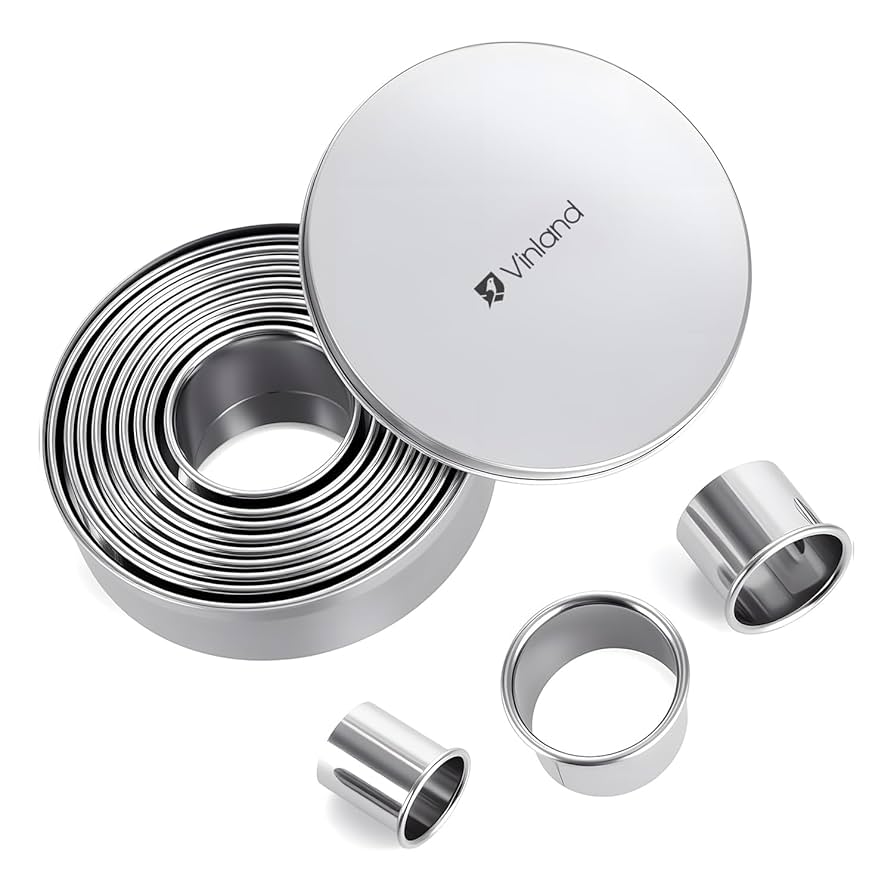
Metal cookie cutters are strong and sharp. They often come in stainless steel or tin-plated steel. Stainless steel cutters usually resist rust and dishwasher damage. Tin-plated cutters may rust if washed in a dishwasher. The heat and water can wear off the coating, causing rust spots. Hand washing is safer for tin-plated cutters.
Plastic Cookie Cutters
Plastic cookie cutters are lightweight and affordable. Most are dishwasher safe, but check the label. High heat can sometimes warp cheaper plastics. Place them on the top rack to avoid direct heat. Avoid long dishwasher cycles to keep their shape and color. Hand washing is gentle and extends their life.
Silicone Cookie Cutters
Silicone cutters are flexible and heat resistant. They handle dishwasher cleaning well without damage. Silicone does not rust or warp. They dry quickly and stay clean. Dishwasher use saves time and effort. Always check for food residue before loading to keep them fresh.
Risks Of Dishwasher Cleaning
Cleaning cookie cutters in the dishwasher might seem like a quick and easy option. However, it can lead to several risks that could shorten the life of your cutters or ruin their performance. Understanding these risks helps you decide if dishwasher cleaning is really worth it for your cookie cutters.
Warping And Damage
Dishwashers use high heat and strong water pressure that can easily warp thinner or plastic cookie cutters. Once warped, they won’t cut dough properly, which ruins your baking experience. Have you noticed your cutters bending after a dishwasher run? That’s the heat and force at work.
Rust And Corrosion
If your cookie cutters are made of metal, especially non-stainless steel, dishwasher cleaning can cause rust and corrosion. The prolonged exposure to water and detergent inside the dishwasher creates a harsh environment. Rust not only damages the cutter but can also end up in your dough, which is definitely not safe.
Loss Of Shape And Detail
Cookie cutters often have fine edges and detailed shapes to create perfect cookies. Dishwasher cycles can dull these edges and cause the cutters to lose their sharpness. When the details fade, your cookies won’t look as precise, and that can be frustrating after all your effort.
Hand Washing Best Practices
Hand washing cookie cutters is often the safest way to keep them in great shape. It gives you control over the cleaning process, helping to avoid damage from harsh dishwasher cycles. Let’s look at some practical tips to make your hand washing routine both easy and effective.
Effective Cleaning Techniques
Start by rinsing your cookie cutters in warm water to loosen any dough or residue. Use a soft brush or sponge to scrub gently, especially around intricate edges where bits can hide. Avoid using steel wool or abrasive pads as they can scratch or warp your cutters.
If you notice stubborn dough stuck inside, soak the cutters in warm, soapy water for a few minutes before scrubbing. This softens the residue and makes cleaning easier without extra force. Have you tried using an old toothbrush for those tight spots? It works wonders without damaging your tools.
Safe Cleaning Products
Choose mild dish soap free from harsh chemicals or strong fragrances. Harsh detergents can degrade materials over time, especially plastic or wooden cutters. A gentle soap keeps your cutters clean without stripping away protective coatings or finishes.
Avoid bleach and ammonia-based cleaners, as they can cause discoloration and weaken the metal. If you want a natural option, a mixture of baking soda and water creates a gentle scrub that removes stains and odors safely.
Drying And Storage Tips
After washing, dry your cookie cutters immediately with a soft cloth. Leaving them wet increases the risk of rust on metal cutters and warping on plastic ones. You can also air dry them on a clean towel, but make sure they’re completely dry before storing.
Store cookie cutters in a dry place, ideally in a container where they won’t get bent or crushed. Consider lining the storage box with paper towels to absorb any leftover moisture. Have you noticed how a cluttered drawer can damage delicate cutters? Keeping them organized helps maintain their shape and longevity.

Credit: www.amazon.com
When To Use Dishwasher
Knowing exactly when to put your cookie cutters in the dishwasher can save you from unexpected damage and keep your baking tools in top shape. Not all cookie cutters are designed to withstand dishwasher conditions, so it’s important to make informed choices. Let’s break down how to decide if and when your cookie cutters are ready for the dishwasher.
Checking Manufacturer Guidelines
Before tossing your cookie cutters into the dishwasher, check the packaging or the manufacturer’s website. Many brands clearly state whether their cookie cutters are dishwasher safe. If you can’t find any information, it’s safer to hand wash them to avoid ruining your tools.
Some manufacturers include specific tips, such as avoiding certain dishwasher detergents or placement within the dishwasher. Ignoring these details might cause rust or warping. Have you ever ruined a beloved kitchen tool because you skipped this step?
Using Dishwasher Safe Racks
Placing cookie cutters on the right rack matters. Use racks designed for small items or utensils to prevent cutters from falling through or getting bent. If your dishwasher has a top rack specifically for delicate items, that’s usually the best spot.
Keeping your cutters secure during the wash cycle reduces the risk of damage. It also ensures they get cleaned properly without being tossed around. What’s your strategy for keeping small kitchen tools safe in the dishwasher?
Avoiding High Heat Settings
High heat can warp or melt plastic cookie cutters and degrade metal ones over time. Opt for a gentle or low-heat setting whenever possible. Some dishwashers have a “delicate” or “eco” mode that’s ideal for sensitive baking tools.
Using cooler water and air drying prevents warping and rust. If your dishwasher doesn’t offer these options, it might be better to hand wash. Have you noticed any change in your cookie cutters after washing them with hot water?
Maintaining Cookie Cutter Longevity
Keeping your cookie cutters in top shape ensures they last through countless baking sessions. Longevity isn’t just about the material; it’s about how you care for them daily. Small habits can make a big difference in preserving their sharp edges and preventing rust or damage.
Regular Inspection
Check your cookie cutters often for any signs of rust, warping, or cracks. Catching these issues early helps you fix or retire a cutter before it ruins your dough or becomes unsafe. Have you noticed any cutters that feel less sturdy after washing?
Preventing Buildup
Sticky dough or leftover sugar can harden in tiny crevices and dull the cutter’s edge over time. Clean your cutters immediately after use with warm, soapy water and a soft brush to remove residue. Avoid abrasive scrubbers that might scratch or weaken the metal.
Proper Storage Solutions
Store your cookie cutters in a dry place where they won’t bump into each other and cause dents. Using a dedicated container or hanging them on hooks keeps them organized and safe. Have you tried using magnetic strips or small boxes to keep cutters separated and easy to find?

Credit: www.amazon.com
Frequently Asked Questions
Are All Cookie Cutters Dishwasher Safe?
Not all cookie cutters are dishwasher safe. Metal cutters may rust, and plastic ones can warp. Always check the manufacturer’s instructions before placing them in the dishwasher.
How To Clean Cookie Cutters Without A Dishwasher?
Wash cookie cutters by hand using warm, soapy water. Use a soft brush to remove dough residue. Dry them thoroughly to prevent rust or damage.
Can Dishwasher Damage Cookie Cutter Shapes?
Yes, dishwasher heat and water pressure can bend or distort cookie cutters. This risk is higher for thin metal and delicate plastic cutters. Hand washing is safer for shape preservation.
Which Materials Of Cookie Cutters Are Dishwasher Safe?
Stainless steel and some sturdy plastic cutters are usually dishwasher safe. Avoid dishwasher use for aluminum, tin, or decorated cutters to maintain their quality and shape.
Conclusion
Cookie cutters can be dishwasher safe, but it depends on their material. Metal cutters may rust if washed in a dishwasher often. Plastic cutters usually handle dishwasher cleaning better. Always check the manufacturer’s instructions before washing. Hand washing often keeps cookie cutters in good shape longer.
Taking care of your cutters helps you bake happily every time. Simple care makes a big difference in their lifespan. Keep your kitchen tools clean and ready for your next baking adventure.