
Are you considering upgrading your kitchen with a new dishwasher? One question that might be on your mind is, “Are dishwasher dimensions standard?”
Understanding the size of dishwashers is crucial because it ensures that you make the right choice for your space without any unpleasant surprises. Imagine the frustration of purchasing a dishwasher only to find out it doesn’t fit under your counter! By diving into the details of dishwasher dimensions, you can save time, money, and avoid unnecessary stress.
Stick around to uncover everything you need to know about finding the perfect fit for your kitchen. Your ideal dishwasher awaits!
Common Dishwasher Sizes
Dishwashers come in several common sizes to fit different kitchens. Knowing these sizes helps choose the right model for your space. Many dishwashers follow standard measurements, but options vary.
Width Variations
The width is the most important size factor. Most built-in dishwashers are 24 inches wide. This size fits under standard kitchen counters easily. Compact dishwashers offer a smaller 18-inch width. These are ideal for small kitchens or apartments. Some portable and countertop models are even narrower. Choosing the right width depends on your kitchen layout and space.
Height And Depth Options
Standard dishwashers usually measure 34 to 35 inches in height. This fits under most kitchen counters. Some models offer adjustable legs to fit uneven floors. Depth typically ranges from 24 to 25 inches. This depth matches counter depths and allows door clearance. Slimmer models may have less depth for tight spaces. Check dimensions carefully to avoid installation problems.
Standard Vs. Compact Models
Dishwashers come in different sizes to fit various kitchen spaces and needs. Understanding the difference between standard and compact models helps in choosing the right one. Both types offer unique advantages for different households.
Full-size Dishwashers
Full-size dishwashers usually measure about 24 inches wide. They fit well in most kitchen layouts. These models hold more dishes and work efficiently for larger families. They offer multiple racks for plates, pots, and utensils. Many include advanced features like adjustable racks and energy-saving modes. Full-size dishwashers are ideal for homes with higher dishwashing demands.
Slimline Alternatives
Slimline dishwashers are narrower, about 18 inches wide. They suit small kitchens and apartments with limited space. These compact models hold fewer dishes but still clean well. Slimline units often fit under counters or in tight spots. They use less water and energy, making them eco-friendly. Slimline dishwashers suit singles or couples with lighter dishwashing needs.
Measuring Your Space
Measuring your space accurately is the first crucial step before choosing a dishwasher. Many assume dishwasher sizes are standard, but variations exist that can affect fit and performance. Taking precise measurements helps you avoid costly mistakes and ensures a smooth installation process.
Key Dimensions To Check
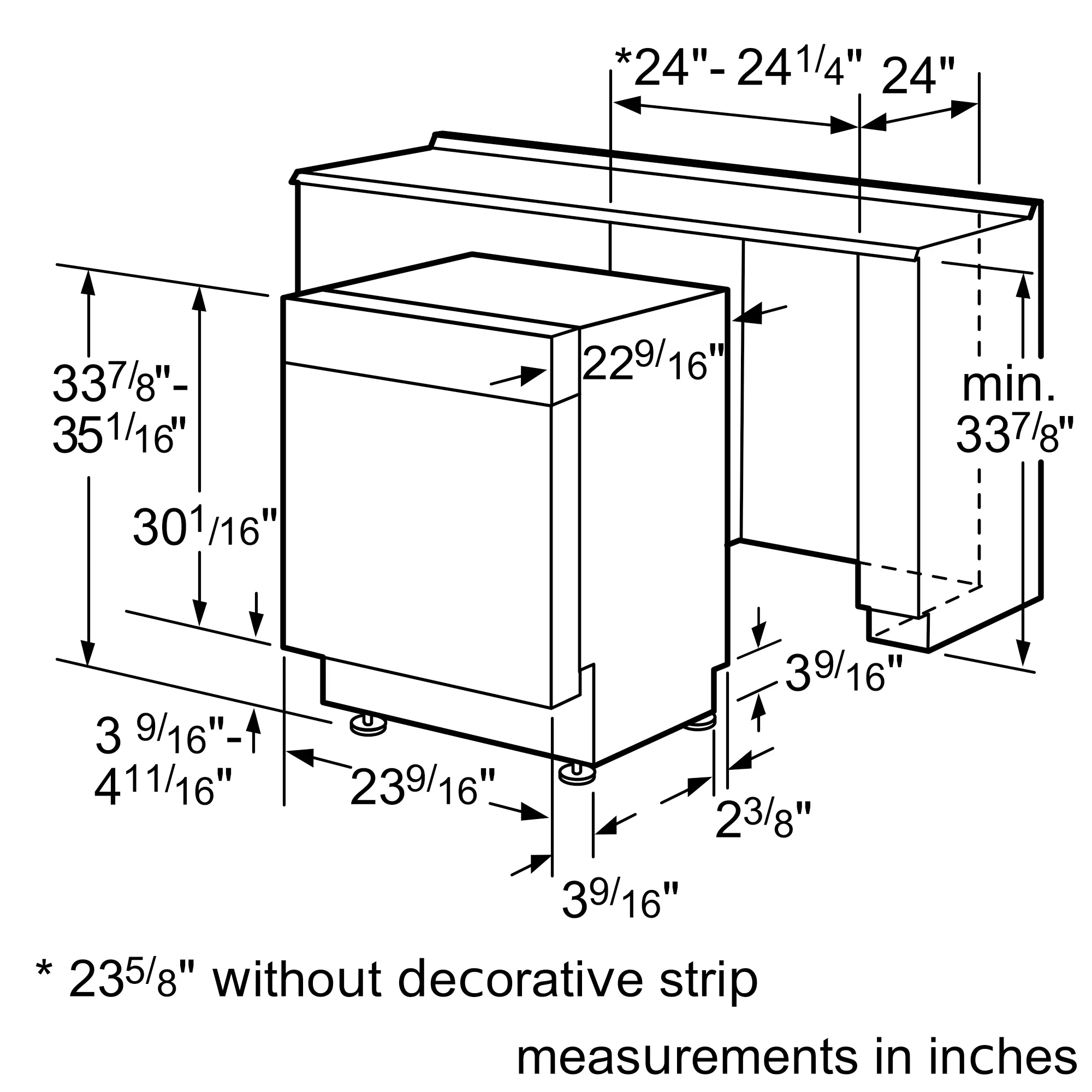
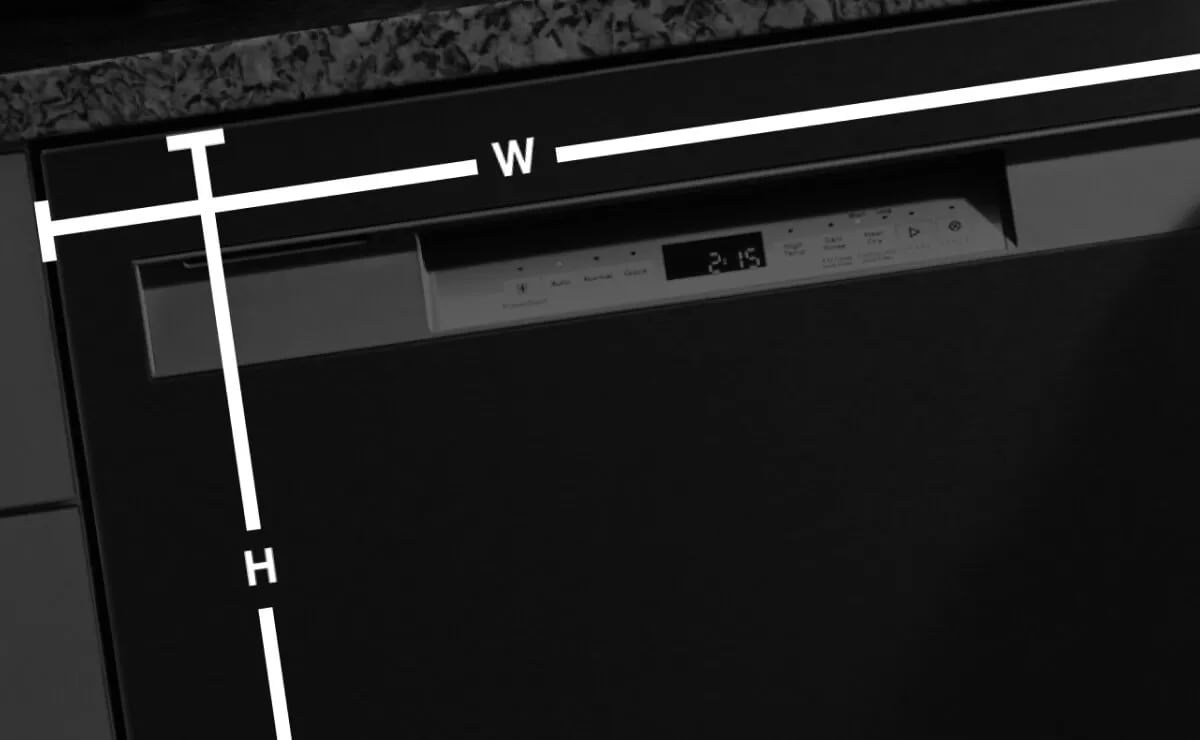
Start by measuring the width, height, and depth of the area where you plan to install the dishwasher. Most dishwashers are around 24 inches wide, but compact models can be as narrow as 18 inches.
Don’t forget to check the height from the floor to the countertop. Some kitchens have lower countertops, which might require a custom or slim dishwasher. Depth is just as important—make sure the dishwasher won’t stick out beyond your cabinets.
- Width:Usually 18 to 24 inches
- Height:Commonly 33 to 35 inches
- Depth:Typically 24 inches, including door clearance
Allowing For Installation Clearance
Beyond the basic dimensions, you need to leave extra space for installation clearance. This includes gaps for water lines, electrical connections, and ventilation.
Think about how the dishwasher door will open. You’ll want enough room so it doesn’t hit cabinets or walls. Usually, a 2-inch clearance on all sides is recommended to prevent tight fits.
Have you checked if your kitchen floor is level? Uneven floors can cause installation issues and affect how the dishwasher operates. Taking these factors into account saves you from unexpected headaches later.
Built-in Vs. Portable Dishwashers
Choosing between a built-in and a portable dishwasher can shape your kitchen’s functionality and space. Both types offer unique advantages, but understanding their size and installation differences helps you make the best choice for your home. Let’s break down what sets them apart.
Dimension Differences
Built-in dishwashers usually follow a standard width of 24 inches, designed to fit seamlessly under your kitchen counter. Their height and depth are also standardized to match cabinetry, typically around 34 inches tall and 24 inches deep.
Portable dishwashers, on the other hand, tend to be more compact. They often measure between 18 to 22 inches wide and are shorter in height, allowing you to move them around easily. If your kitchen has limited space or you rent, this smaller footprint might be a better fit.
Have you measured your available space carefully? Even a few inches can impact whether a built-in or portable dishwasher will work for you.
Installation Requirements
Built-in dishwashers require permanent installation. You’ll need plumbing and electrical connections under your countertop, which might mean professional help. This setup offers a clean look and frees up floor space.
Portable dishwashers connect to your kitchen faucet when in use and roll away for storage. They don’t need permanent plumbing but require a nearby water source and drainage area. This flexibility can be a lifesaver if you move frequently or lack a full kitchen setup.
Think about your willingness to handle installation or hire experts. Would you prefer a fixed appliance or one you can tuck away when not in use?
Custom And Drawer Dishwashers
Custom and drawer dishwashers offer solutions for kitchens that don’t fit the mold of standard sizes. These options allow you to tailor your cleaning appliance to your space and lifestyle. Whether you have a compact kitchen or want a dishwasher that blends seamlessly with your cabinetry, these models bring flexibility.
Unique Size Options
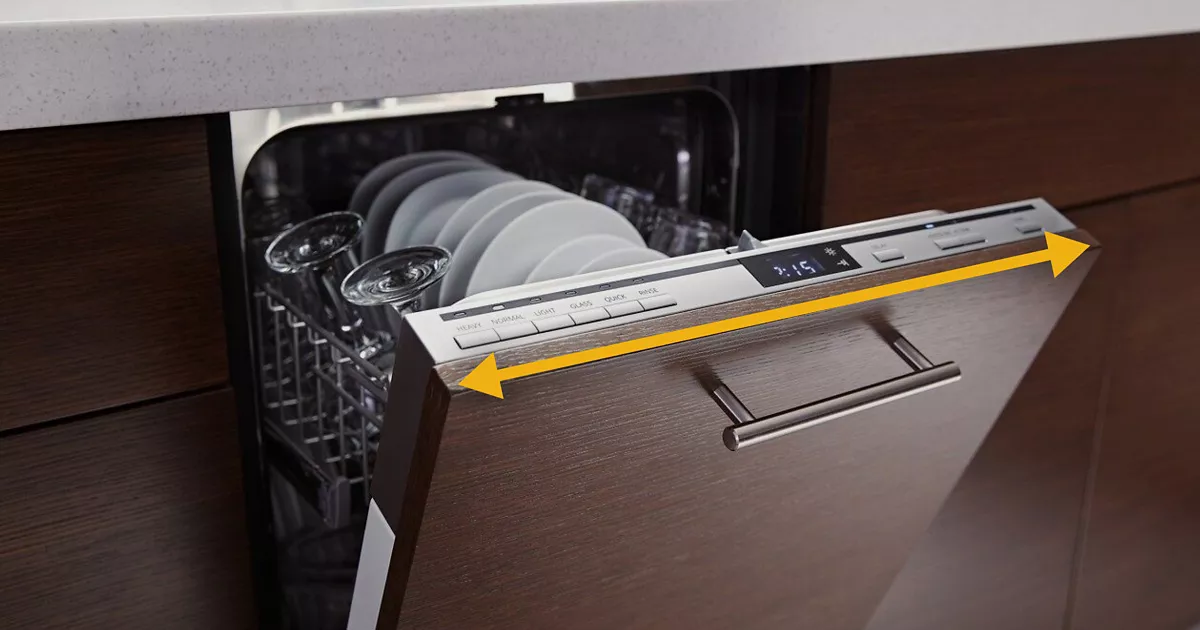
Custom dishwashers come in a variety of sizes beyond the typical 24-inch width. You can find models as narrow as 18 inches or even wider, depending on your kitchen’s layout. Drawer dishwashers usually measure around 24 inches wide but are divided into two smaller drawers that operate independently.
This design lets you run smaller loads without wasting water or energy. Plus, drawer dishwashers fit well in tight spots where a full-size model won’t. Have you ever struggled to find a dishwasher that fits your oddly sized cabinet space? Custom and drawer options might be your answer.
When To Consider Custom Models
Think about custom dishwashers if your kitchen has unusual dimensions or if you want to maximize every inch of space. They’re especially useful in apartments, older homes, or kitchens with limited room for standard appliances. Custom units also work well if you want a dishwasher that matches your kitchen’s style perfectly.
Drawer dishwashers make sense when you want flexibility in washing cycles or need to separate delicate items from heavily soiled dishes. They’re great for small households or anyone who runs dishes frequently but in smaller quantities. Could a drawer model save you time and resources by letting you wash just what’s needed?
Credit: www.whirlpool.ca
Impact Of Size On Capacity
Understanding the impact of dishwasher size on capacity is crucial for making the right purchase. The dimensions directly affect how much you can load and how well the machine performs. Choosing the right size helps you avoid overcrowding or wasting space, both of which can reduce cleaning efficiency.
Loading Efficiency
Smaller dishwashers often come with limited space, which means you need to arrange your dishes carefully to fit everything in. Have you noticed how some models have flexible racks and adjustable tines? These design features can significantly boost loading efficiency, even in compact sizes.
On the other hand, larger dishwashers can handle more plates, pots, and pans at once. But more space doesn’t always mean better loading; if the interior layout is cluttered, you might still struggle to load bulky items properly. So, pay close attention to the internal arrangement, not just the external dimensions.
Space Vs. Performance
Choosing a dishwasher that fits your kitchen space perfectly is important, but it shouldn’t come at the cost of performance. A compact dishwasher might save room but could require more frequent runs, increasing water and energy use.
Conversely, a full-sized dishwasher can handle larger loads, saving time and resources. However, if your kitchen is small, a big machine might feel cramped and difficult to install. Have you thought about how often you run your dishwasher and the typical size of your loads? This can help you balance space and performance effectively.
Tips For Choosing The Right Size
Choosing the right dishwasher size is key for a smooth kitchen setup. The size affects how it fits and works in your space. Picking a dishwasher that suits your kitchen makes daily chores easier. Consider your kitchen layout and future needs before buying.
Matching Kitchen Layout
Measure the space where the dishwasher will go. Check width, height, and depth carefully. Standard dishwashers are about 24 inches wide, but some kitchens need smaller models. Compact dishwashers can fit in tight spaces. Think about door openings and nearby cabinets. Make sure the dishwasher door can open fully without blocking pathways.
- Measure the available space precisely.
- Allow extra room for ventilation and plumbing.
- Consider the dishwasher’s door swing direction.
- Match the style with existing kitchen appliances.
Future-proofing Your Choice
Plan for changes in your household size or habits. A bigger dishwasher may help if you host often or have a large family. Smaller units save water and energy for smaller households. Check energy ratings and water usage before buying. Think about upgrades in kitchen design or appliances later. Choose a dishwasher size that stays useful for years to come.
- Estimate your future dishwashing needs.
- Pick energy-efficient models to save costs.
- Consider flexible racks for different dishes.
- Choose sizes that fit potential kitchen changes.
Credit: www.bosch-home.com
Credit: www.maytag.com
Frequently Asked Questions
Are Dishwasher Dimensions The Same For All Brands?
Most dishwashers follow standard sizes, but slight variations exist. Standard width is typically 24 inches. Depth and height may vary slightly by brand and model. Always measure your space before purchase to ensure a proper fit.
What Are The Standard Dishwasher Dimensions?
Standard dishwashers usually measure 24 inches wide, 24 inches deep, and 35 inches high. Compact models may be smaller, around 18 inches wide. These dimensions fit most kitchen cabinets and countertops for easy installation.
Can Dishwasher Size Affect Kitchen Design?
Yes, dishwasher size impacts kitchen layout and cabinet space. Choosing the right size ensures efficient workflow and aesthetics. Oversized units may require remodeling, while smaller models save space but hold less.
Are There Compact Dishwashers With Different Dimensions?
Compact dishwashers typically measure 18 inches wide, smaller than standard models. They are ideal for small kitchens or apartments. Despite smaller size, they offer similar cleaning performance but hold fewer dishes.
Conclusion
Dishwasher sizes are mostly standard but can vary slightly. Knowing exact dimensions helps fit your kitchen space. Measure carefully before buying to avoid surprises. Small changes in size affect installation and use. Choosing the right dishwasher means checking width, height, and depth.
This simple step saves time and hassle later. Always double-check measurements to ensure a perfect fit. A well-sized dishwasher makes kitchen work easier and faster.