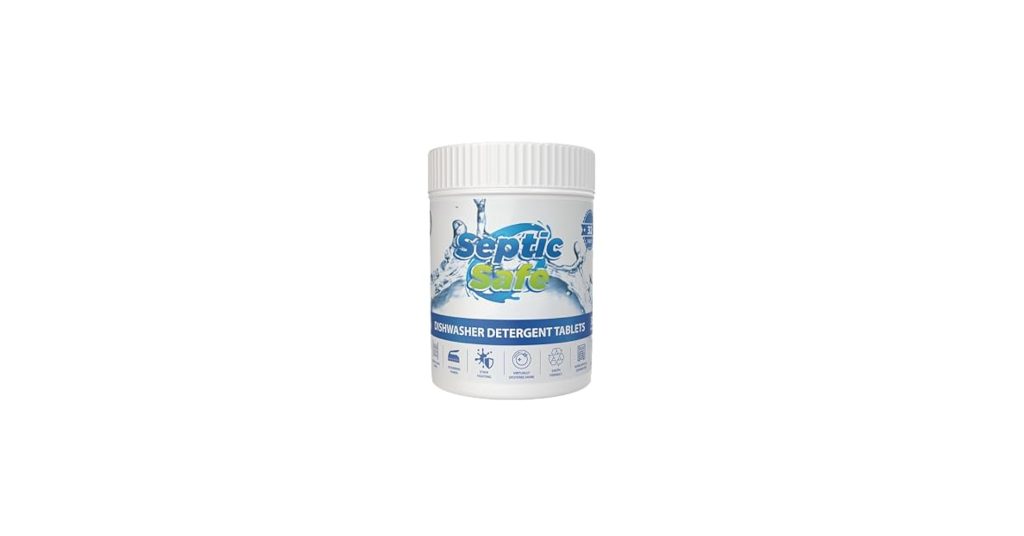
Are you curious about whether dishwasher pods are safe for your septic system? You’re not alone.
Many homeowners like you are concerned about maintaining the delicate balance of their septic systems while ensuring their dishes come out sparkling clean. Choosing the right cleaning products can make all the difference in preserving the health of your home’s wastewater treatment.
You’ll discover the truth about dishwasher pods and their impact on septic systems. Stick around to find out how you can keep both your dishes and your septic system in top condition. By the end, you’ll have the confidence to make informed choices that protect your home and the environment.

Credit: us.amazon.com
Septic Systems And Their Function
Septic systems play a vital role in managing household wastewater. They treat and dispose of waste safely underground. Understanding how these systems work helps protect them from damage. This knowledge is essential when deciding if dishwasher pods are safe for septic systems.
Basic Components
A typical septic system has three main parts:
- Septic tank:A large underground container that holds wastewater.
- Drain field:A network of pipes that spread treated water into the soil.
- Soil:Acts as a natural filter to clean the water further.
The septic tank separates solids from liquids. Solids settle at the bottom as sludge. Grease and oils float to the top as scum. The middle layer contains clearer water that flows to the drain field.
How Waste Is Treated
Wastewater enters the septic tank from the house. Bacteria inside the tank break down organic matter. This process reduces the amount of solid waste.
The liquid then flows into the drain field. Here, soil filters harmful bacteria and nutrients. The treated water slowly seeps into the ground. This method prevents pollution and protects groundwater.

Credit: www.getcleanpeople.com
Chemical Makeup Of Dishwasher Pods
Understanding the chemical makeup of dishwasher pods helps assess their safety for septic systems. These pods contain various substances designed to clean dishes effectively. Some ingredients may affect the balance and health of a septic tank. Knowing what is inside these pods allows for better choices.
Common Ingredients
- Surfactants: Help remove grease and food residue
- Enzymes: Break down starches and proteins
- Builders: Soften water and enhance cleaning power
- Bleaching agents: Remove stains and disinfect
- Fragrances: Add scent to the cleaning process
- Polymers: Prevent redepositing of dirt on dishes
Biodegradability Factors
Biodegradability means how well ingredients break down naturally. Ingredients that degrade quickly reduce harm to septic systems. Some enzymes and surfactants are biodegradable, which is good for septic health.
Certain chemicals like phosphates can harm septic systems. They cause excessive algae growth and disrupt natural bacteria. Choosing pods with low or no phosphate content helps maintain septic balance.
Look for pods labeled as septic-safe or biodegradable. These products usually contain ingredients that break down faster and do not harm septic tanks.
Impact Of Dishwasher Pods On Septic Health
Understanding how dishwasher pods affect your septic system is crucial for maintaining its health. These pods contain concentrated detergents and enzymes that break down food particles. But what happens when these chemicals enter your septic tank? Let’s examine the impact on the delicate balance within your system and potential risks involved.
Effects On Bacterial Balance
Your septic system relies on a community of bacteria to break down waste effectively. Dishwasher pods often contain antibacterial agents that can disrupt this bacterial balance.
Too many antibacterial chemicals can reduce the number of helpful bacteria, slowing down waste decomposition. Have you noticed slower drainage or unpleasant odors after using certain cleaning products? This could be a sign your septic bacteria are struggling.
To protect these bacteria, consider using pods labeled as septic-safe or avoid overusing dishwasher pods. You want to support, not harm, the microscopic workers in your tank.
Potential For Clogging And Damage
Dishwasher pods often include ingredients like phosphates and fillers that don’t always dissolve fully, especially in cold water. These residues can accumulate and contribute to clogs in your pipes or septic system.
Over time, this buildup can cause blockages or even damage septic components, leading to costly repairs. Have you ever experienced slow drains or backups after washing dishes? It might be related to residue from your dishwasher detergent.
To minimize risk, use pods sparingly and ensure your dishwasher operates on a hot water cycle to help dissolve the pod completely. Regular septic tank inspections can catch early signs of damage before they become major problems.
Safe Practices For Using Dishwasher Pods
Using dishwasher pods safely with a septic system means more than just tossing a pod into your machine. It requires awareness about the products you choose and how you use them. These small choices can protect your septic system and keep it working efficiently for years.
Choosing Septic-friendly Products
Not all dishwasher pods are created equal, especially when it comes to septic systems. Look for pods labeled as “septic-safe” or “biodegradable.” These products break down easily and don’t harm the beneficial bacteria in your septic tank.
Avoid pods with bleach, phosphates, or harsh chemicals. These ingredients can kill the bacteria that help break down waste, leading to system backups. Have you checked the ingredient list on your dishwasher pods lately? It might surprise you.
Proper Usage Tips
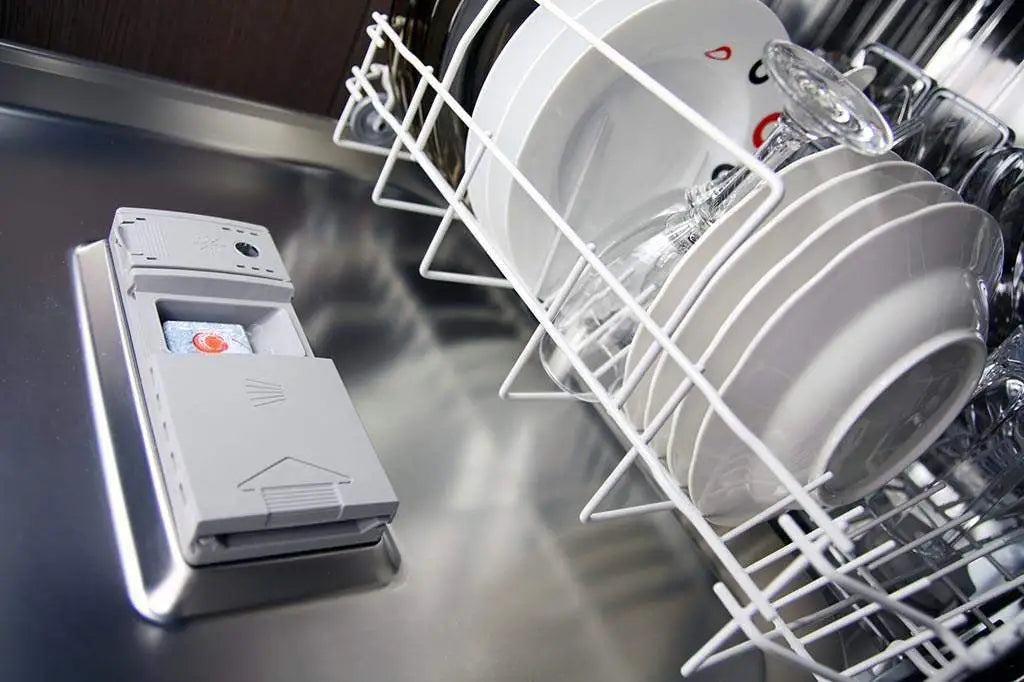
Using the right amount of detergent is crucial. More pods don’t mean cleaner dishes; they can overload your septic system. Stick to the recommended dose—usually one pod per wash cycle.
Run your dishwasher only when it’s full to minimize water and detergent use. Excess water can flood your septic tank, causing problems. Also, use the dishwasher’s eco or light wash setting to reduce water and chemical waste.
Consider flushing your septic system with water regularly. After running your dishwasher, run a sink or tub with hot water for a few minutes to help move detergent through the pipes. This simple habit can prevent build-up and keep your system healthy.
Alternatives To Dishwasher Pods
Choosing alternatives to dishwasher pods can protect your septic system while still keeping your dishes clean. Many products contain harsh chemicals that might harm the delicate bacteria in your septic tank. Switching to safer options not only benefits your system but also supports a healthier home environment.
Eco-friendly Detergents
Eco-friendly detergents are designed to break down quickly and safely in septic systems. They avoid phosphates and chlorine, which can disrupt the natural bacteria that process waste. You’ll find many brands labeled “septic safe” at your local store or online.
Look for detergents made with plant-based ingredients and minimal synthetic additives. These products often come in concentrated forms, so you use less per load, saving money and reducing waste. Have you checked the label on your current detergent to see if it’s truly septic-friendly?
Natural Cleaning Solutions
Natural cleaning solutions like baking soda, vinegar, and lemon juice are gentle on septic systems and effective at tackling grease and odors. Mixing half a cup of baking soda with a cup of vinegar can help break down food residue without harmful chemicals.
Some people use castile soap or grated natural soap bars as a detergent alternative. These options are biodegradable and won’t upset the balance of bacteria in your septic tank. Why not try these simple, budget-friendly solutions and see how your system responds?
Credit: www.cookingdetective.com
Expert Recommendations
Experts agree that using dishwasher pods with septic systems requires careful consideration. The chemicals in some pods can harm the beneficial bacteria in your septic tank, which are vital for breaking down waste. Choosing the right products and following good practices can protect your system and keep it running smoothly.
Maintenance Tips
Regular septic tank maintenance is key. You should have your tank inspected and pumped every 3 to 5 years, depending on its size and household use. This prevents buildup that can cause backups and expensive repairs.
Use septic-safe dishwasher pods. Look for products labeled “septic-safe” or those with enzymes and natural ingredients that support bacterial health. Avoid pods with bleach, phosphates, or harsh chemicals, as they can disrupt the balance in your tank.
Be mindful of how many pods you use. Excess detergent can lead to foam and scum layers that hinder tank performance. Using one pod per load is usually enough for effective cleaning without overloading the system.
When To Consult A Professional
If you notice slow drains, foul odors, or pooling water near your septic tank, it’s time to call a septic professional. These signs may indicate your system is struggling and needs expert attention.
Also, if you’re unsure about the products you’re using, ask a specialist. They can recommend detergents and cleaning habits that work best with your specific septic setup.
Have you ever experienced a septic system issue after changing your dishwasher detergent? Sharing your story could help others avoid costly mistakes. Remember, a little care goes a long way in protecting your home’s sanitation system.
Frequently Asked Questions
Are Dishwasher Pods Safe For All Septic Systems?
Dishwasher pods can be safe for most septic systems if they are biodegradable and phosphate-free. Always check product labels for septic-safe certification to avoid harming your system’s bacteria essential for breaking down waste.
How Do Dishwasher Pods Affect Septic System Bacteria?
Septic-safe dishwasher pods contain enzymes that do not harm beneficial bacteria. Harsh chemicals in some pods can disrupt bacterial balance, slowing waste decomposition and causing system issues.
Can Dishwasher Pods Cause Septic System Clogs?
Using too many dishwasher pods or pods with non-biodegradable ingredients may lead to buildup and clogs in your septic system. Follow manufacturer dosing instructions to prevent blockages and maintain system health.
What Ingredients In Dishwasher Pods Harm Septic Tanks?
Phosphates, chlorine, and synthetic fragrances can harm septic systems. These chemicals kill helpful bacteria and reduce the system’s ability to treat wastewater effectively. Choose eco-friendly, septic-safe pods to protect your septic tank.
Conclusion
Dishwasher pods can affect septic systems differently. Some pods contain chemicals that harm helpful bacteria in septic tanks. These bacteria break down waste and keep the system working well. Choosing pods labeled as septic-safe helps protect your system. Using the right amount also prevents problems.
Regular septic tank maintenance is important too. Taking these steps keeps your septic system healthy and working longer. Always read product labels carefully before use. Safe choices lead to fewer repairs and costs. Protect your home by being careful with dishwasher pods.