Are you shopping for a new dishwasher and feeling overwhelmed by the options? You’re not alone.
One of the first questions that might pop into your mind is: “Are dishwashers a standard size? ” This is crucial because you want to make sure your new appliance fits perfectly in your kitchen, avoiding costly and time-consuming adjustments.
Imagine the frustration of finding the perfect dishwasher, only to realize it doesn’t fit the allotted space. We’ll uncover the truth about dishwasher dimensions and help you make an informed decision. Stay with us to eliminate any doubts and ensure your next kitchen upgrade is seamless and stress-free.
Dishwasher Size Basics
Understanding dishwasher sizes helps in choosing the right fit for your kitchen. Dishwashers come in various sizes to match different spaces and needs. Knowing the basics ensures you pick a model that fits well and works efficiently.
Common Dimensions
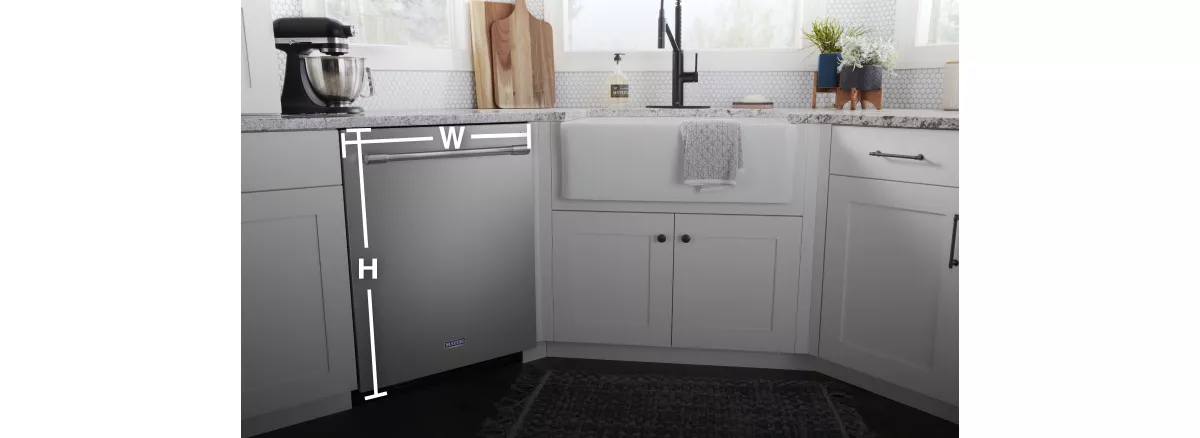
Most dishwashers follow a typical size range. The standard width is around 24 inches. Height usually measures about 34 inches. Depth varies but often stays near 24 inches.
These dimensions fit under most kitchen counters. This size holds many dishes, good for families. Some dishwashers are deeper or shallower to fit tight spots.
Standard Vs Compact Models
Standard dishwashers are larger and hold more dishes. Compact models are smaller, about 18 inches wide. They suit small kitchens or apartments.
Compact dishwashers save space but hold fewer items. Standard models work well for bigger households. Choosing depends on kitchen size and dishwashing needs.
Types Of Dishwashers
Choosing the right dishwasher means understanding the types available and how they fit your kitchen space and lifestyle. Each type offers unique features and installation options that can affect your daily routine. Let’s look at the main dishwasher types to help you decide which one suits your needs best.
Built-in Dishwashers
Built-in dishwashers are the most common type and usually fit under your kitchen counter. They are designed to be permanent fixtures and connect directly to your home’s plumbing system. If you want a seamless look in your kitchen, these models often come with customizable panels to match your cabinets.
These dishwashers typically have a standard width of about 24 inches, but some compact models are narrower. Think about how much space you have and how many dishes you usually wash. Do you host large gatherings often? A built-in model might be the best fit for you.
Portable Dishwashers
Portable dishwashers are a great option if your kitchen lacks built-in space or if you rent your home. They come on wheels and can be moved around easily, connecting to your kitchen faucet when in use. After washing, you can roll it away to free up space.
These models are typically smaller than built-ins and can fit in tighter areas. If your kitchen layout changes frequently or you only need a dishwasher occasionally, a portable unit offers flexibility. Have you ever wished your kitchen appliances could move with you?
Drawer Dishwashers
Drawer dishwashers open like a drawer and are usually installed in pairs or alone. They offer convenience for smaller loads and let you run two separate cycles simultaneously. This means you can wash delicate glasses in one drawer and heavily soiled pots in the other.
Because of their design, drawer dishwashers fit well in kitchens with limited space but still provide good capacity. They often come in 24-inch widths but have a shallower depth than traditional models. Could having two smaller dishwashers save you water and energy?
Measuring Your Space
Measuring your space is a crucial step before buying a dishwasher. It helps ensure the appliance fits perfectly in your kitchen. Taking exact measurements avoids costly mistakes and installation issues. Focus on the width, height, and depth of the area where you want to place the dishwasher. Also, consider clearance and installation space for smooth operation and maintenance.
Width
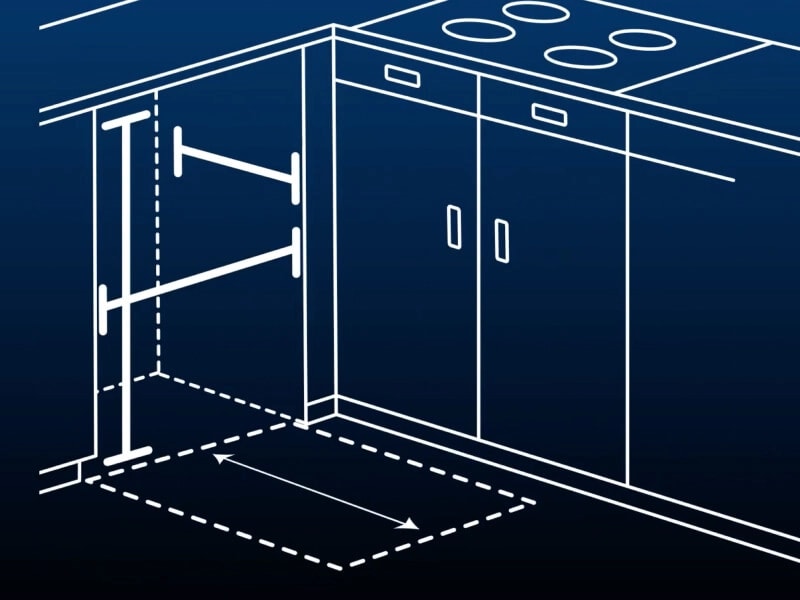
Measure the width of the gap between cabinets or walls. Use a tape measure and record the space at the top, middle, and bottom. The smallest measurement is the one to trust. Most dishwashers have a standard width of 24 inches, but some compact models are narrower. Knowing your exact width helps you pick the right size.
Height
Check the height from the floor to the countertop or the bottom of the cabinet above. Measure in several spots to find the lowest point. Standard dishwashers are about 34 inches tall. Some models have adjustable feet to fit slightly different heights. Make sure your space can accommodate the dishwasher plus any height adjustments.
Depth
Measure the distance from the front edge of the counter to the back wall. This space must fit the dishwasher body and allow room for door opening. Most dishwashers are around 24 inches deep. Leave extra space for water connections and ventilation behind the appliance. Proper depth measurement prevents the dishwasher from sticking out or being too tight.
Clearance And Installation Space
Clearance is the extra space around the dishwasher for installation and operation. It includes gaps on the sides, back, and front for door swing and airflow. Check the manufacturer’s guidelines for minimum clearance. Allow space for plumbing, electrical connections, and air circulation. Adequate clearance ensures easy installation and smooth dishwasher use.
Capacity And Size
Understanding the capacity and size of a dishwasher is crucial before making a purchase. You want a model that fits your kitchen space and meets your dishwashing demands without waste or inconvenience. Let’s break down what capacity really means and how to balance it with your specific needs.
Dishwasher Capacity Explained
Dishwasher capacity is usually measured in place settings. One place setting includes a dinner plate, dessert plate, bowl, glass, and a set of cutlery. Most standard dishwashers hold between 12 to 16 place settings, but this can vary.
Think about your daily dishwashing habits. Do you often entertain guests or have a large family? A higher capacity dishwasher can save you time by reducing how often you need to run it. On the other hand, if you live alone or have a small household, a compact dishwasher might be more efficient and save energy.
Balancing Size With Needs
Size isn’t just about the number of dishes it can hold. It’s also about how the machine fits in your kitchen layout and your lifestyle. Consider the dimensions carefully—most standard dishwashers are about 24 inches wide, but slim models can be as narrow as 18 inches.
Ask yourself: How much space do you have? Would a wider dishwasher block access to cabinets or appliances? Would a smaller one force you to run multiple cycles? Balancing these factors ensures you get the right size without sacrificing convenience.
Remember, a dishwasher that’s too large can waste water and energy if you don’t fill it properly. Conversely, one that’s too small may leave you hand-washing dishes more often. Finding this balance is key to making your kitchen work smarter for you.
Choosing Based On Kitchen Layout
Choosing a dishwasher based on your kitchen layout makes installation easier. The size and style must fit the available space. Kitchen designs vary, so dishwashers come in different formats. Knowing your layout helps pick the right dishwasher type.
Fitting Under Counters
Most kitchens have space under counters for dishwashers. These dishwashers usually measure 24 inches wide. They fit well in standard cabinet openings. This style keeps the kitchen looking neat and organized.
Measure the height, width, and depth of the space carefully. Check for plumbing and electrical connections near the area. These dishwashers slide in smoothly under the countertop. Choose one that matches the kitchen’s height and depth limits.
Custom Cabinet Integration
Some kitchens have custom cabinets with unique sizes. Integrated dishwashers blend with cabinet doors for a seamless look. These models allow you to attach your cabinet panel on the dishwasher door.
Custom integration requires exact measurements. The dishwasher should fit perfectly without gaps or overlaps. It keeps the kitchen style consistent and elegant. This option suits kitchens with special design needs.
Custom dishwashers may have different height or depth sizes. Confirm these match your cabinet dimensions before buying. This approach creates a clean, built-in appearance in your kitchen layout.

Credit: www.maytag.com
Installation Considerations
Installing a dishwasher isn’t just about sliding it under the counter and plugging it in. There are important details you need to check to make sure your new appliance works smoothly and safely. Paying attention to installation considerations can save you from costly repairs and headaches later on.
Plumbing And Electrical Requirements
Dishwashers need both water supply and drainage connections to function properly. Before you buy, check if your kitchen has the right plumbing setup. The water line should have a shutoff valve nearby, and the drain hose must connect securely to prevent leaks.
Electrical needs are equally important. Most dishwashers require a 120-volt, grounded outlet. Make sure your kitchen’s wiring can handle this load. If you’re unsure, consulting a professional electrician can prevent future electrical issues.
Have you checked if your current setup meets these requirements? Sometimes older homes lack the proper plumbing or electrical connections, which means extra work before installation can begin.
Ventilation Needs
Dishwashers produce heat and moisture during their cycles, so proper ventilation matters. Without it, you might notice excess humidity under your cabinets, which can lead to mold or damage.
Ensure there’s enough space around your dishwasher for air to circulate. Some models have built-in fans, but even these need clearance. Pay attention to manufacturer instructions about ventilation gaps to avoid overheating.
Think about your kitchen’s airflow. Is it well-ventilated, or could moisture build up in tight spaces? Addressing this early helps maintain your kitchen’s health and your appliance’s efficiency.
Popular Brands And Their Sizes
Dishwasher sizes vary among popular brands. Each brand offers options that suit different kitchens. Understanding these sizes helps in choosing the right model.
Some brands stick to standard sizes, while others provide compact or larger versions. Knowing these differences saves time and effort during purchase.
Size Variations Across Brands
Most dishwashers fit a 24-inch wide space. This is the common size for full-size models. Brands like Bosch, Whirlpool, and KitchenAid follow this standard.
Compact dishwashers measure about 18 inches wide. These work well in small kitchens or apartments. Brands such as Danby and EdgeStar offer these models.
Depth and height can vary slightly. Some models are taller or deeper to hold more dishes. Always check the exact dimensions before buying.
Finding The Right Fit
Measure your kitchen space carefully before choosing a dishwasher. Width, height, and depth all matter. Remember to account for door clearance and plumbing.
Look for models that match your kitchen layout. Consider how many dishes you wash daily. A larger dishwasher may suit big families better.
Visit store websites or use online tools to compare sizes. Many brands list detailed dimensions for each model. This makes finding the right fit easier.
Credit: www.maytag.com
Tips For Buyers
Dishwashers often come in standard sizes, but checking measurements is crucial before buying. Knowing the exact space helps avoid fitting problems. Always compare the dishwasher size with your kitchen opening for a smooth installation.
Measuring Before Purchase
Measure the space where the dishwasher will fit. Include width, height, and depth. Check door clearance and any nearby cabinets or appliances. Measure twice to avoid mistakes. Write down the numbers clearly. Compare these with the dishwasher dimensions before buying. This step saves time and money.
Consulting Professionals
Talk with appliance experts or installers before choosing a dishwasher. They can advise on size, style, and installation needs. Professionals spot potential problems early. They help choose models that fit your kitchen layout. Their experience ensures a smooth installation. Their advice can make your purchase easier and safer.
Credit: www.maytag.ca
Frequently Asked Questions
Are Dishwashers A Standard Size For Kitchens?
Most dishwashers come in a standard size of 24 inches wide. This size fits most kitchen cabinets and countertops. However, compact and oversized models are also available for different kitchen layouts.
What Are The Common Dishwasher Size Dimensions?
Standard dishwashers typically measure 24 inches wide, 24 inches deep, and 35 inches high. These dimensions suit most kitchen spaces. Compact models are usually 18 inches wide, ideal for smaller kitchens.
Can I Replace My Dishwasher With Any Size?
Replacing a dishwasher requires matching the size to your existing space. Standard sizes usually fit most installations. Measuring your current dishwasher and cabinet space ensures a proper fit before purchasing.
Do Built-in And Portable Dishwashers Differ In Size?
Yes, built-in dishwashers usually have standard dimensions. Portable dishwashers can vary more in size and design. Choose based on your kitchen space and installation preferences.
Conclusion
Most dishwashers come in a standard size of 24 inches wide. This size fits most kitchen cabinets and spaces. Some models offer compact options for smaller kitchens. Always measure your space before buying a dishwasher. Knowing the size helps avoid fitting problems later.
Standard sizes make it easier to find replacement parts. Choosing the right size saves time and money. Keep your kitchen functional and neat with the right dishwasher. Size matters, but so does your kitchen layout. Choose wisely for a smooth cooking and cleaning routine.