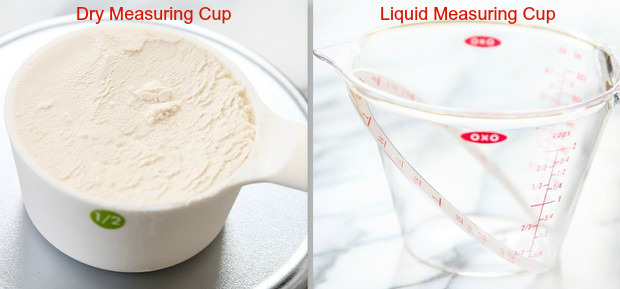
Have you ever grabbed a measuring cup without thinking and wondered if it really makes a difference? When cooking or baking, using the right tools can change your results more than you might expect.
Are dry and wet measuring cups the same? You might be surprised by the answer—and how this simple choice can affect your recipes. Keep reading to find out why picking the right cup matters and how it can help you cook with confidence every time.
Credit: kirbiecravings.com
Types Of Measuring Cups
Measuring cups come in different types to help you measure ingredients correctly. Using the right type is important for cooking and baking.
This guide explains the two main types of measuring cups: dry measuring cups and wet measuring cups. Each type has its own use.
Dry Measuring Cups
Dry measuring cups are designed for solid or dry ingredients like flour, sugar, and grains. They usually come in sets with different sizes.
- Made from plastic, metal, or glass
- Measure ingredients by filling to the top
- Level off with a flat edge for accuracy
- Sizes often include 1 cup, ½ cup, ⅓ cup, and ¼ cup
Wet Measuring Cups
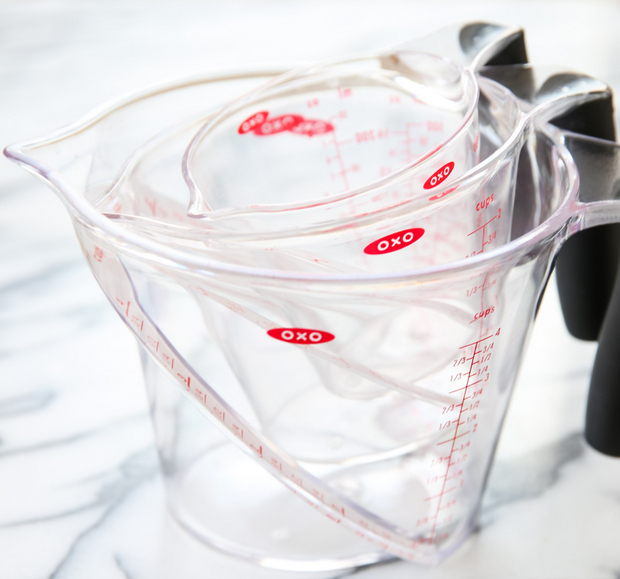
Wet measuring cups are for liquids like water, milk, and oil. They usually have a spout for easy pouring.
| Feature | Wet Measuring Cups |
| Material | Glass or clear plastic |
| Measurement Markings | On the side, easy to read |
| Spout | Yes, for pouring |
| Use | Measure liquids without spilling |
Credit: kirbiecravings.com
Design Differences
Dry and wet measuring cups look similar but have key design differences. These differences help measure ingredients accurately.
Knowing these design features can help you choose the right cup for your cooking or baking needs.
Material And Shape
Dry measuring cups are usually made of plastic or metal. They have a solid shape with a flat top.
Wet measuring cups are often made of glass or clear plastic. They have a spout for easy pouring.
- Dry cups: solid, no spout, easy to level off ingredients
- Wet cups: clear, have a spout, designed to pour liquids without spilling
Measurement Markings
Dry measuring cups have measurement marks on the inside or outside. These marks help scoop and level dry ingredients.
Wet measuring cups have measurement lines on the side. These lines are easy to see through the clear material.
- Dry cups: marks for cups, tablespoons, and teaspoons; often not very visible
- Wet cups: clear marks for cups, ounces, and milliliters; easy to read at eye level
Measuring Accuracy
Measuring ingredients correctly is important for good cooking results. Using the right measuring cup helps you get the exact amount.
Dry and wet measuring cups look similar but work differently. Understanding how each measures helps improve accuracy.
How Dry Cups Measure Ingredients
Dry measuring cups are made to hold solid ingredients like flour, sugar, or grains. These cups are meant to be filled and then leveled off.
- Fill the cup until it is slightly over the top.
- Use a flat edge to level off the excess ingredient.
- Do not pack down ingredients unless the recipe says so.
- This method ensures the right amount by volume.
How Wet Cups Measure Liquids
Wet measuring cups are designed for liquids like water, oil, or milk. They usually have a spout for easy pouring and measurement marks on the side.
| Feature | Dry Cups | Wet Cups |
| Purpose | Measure solid ingredients | Measure liquids |
| Shape | Flat top for leveling | Open top with spout |
| Measurement Method | Fill and level off | Fill to marked line |
| Accuracy Tip | Do not pack unless stated | Check at eye level |
Using The Right Cup
Measuring ingredients correctly is key to good baking. Dry and wet measuring cups look similar but serve different purposes.
Using the right cup helps you get the best results in your baking projects.
Impact On Baking Results
Dry cups measure ingredients like flour and sugar. Wet cups measure liquids like water and oil. Using the wrong cup changes the ingredient amount.
- Dry ingredients should be scooped and leveled in dry cups.
- Wet ingredients should be poured and checked at eye level in wet cups.
- Wrong measurements can make cakes dense or cookies dry.
Tips For Accurate Measurement
| Tip | Reason |
| Use a spoon to fill dry cups | Prevents packing ingredients too tightly |
| Check liquid level on a flat surface | Ensures correct amount without spills |
| Level dry ingredients with a flat edge | Gets exact measurement needed |
| Use clear wet cups with measurement marks | Makes reading easier and accurate |
Common Mistakes
Many people use the same measuring cups for dry and wet ingredients. This causes errors in cooking and baking. Using the right cup matters for accurate measurements.
Understanding the difference between dry and wet measuring cups helps avoid these mistakes. Each type has a special design for its purpose.
Using Dry Cups For Liquids
Dry measuring cups are made to be filled to the top and leveled off. Using them for liquids can cause spills and wrong amounts. Liquids may stick to the edges and make the measurement less exact.
- Dry cups do not have space for liquids to expand.
- They lack a spout for easy pouring of liquids.
- Reading liquid levels on dry cups is hard and inaccurate.
- Spills can happen because dry cups are not designed for liquids.
Using Wet Cups For Dry Ingredients
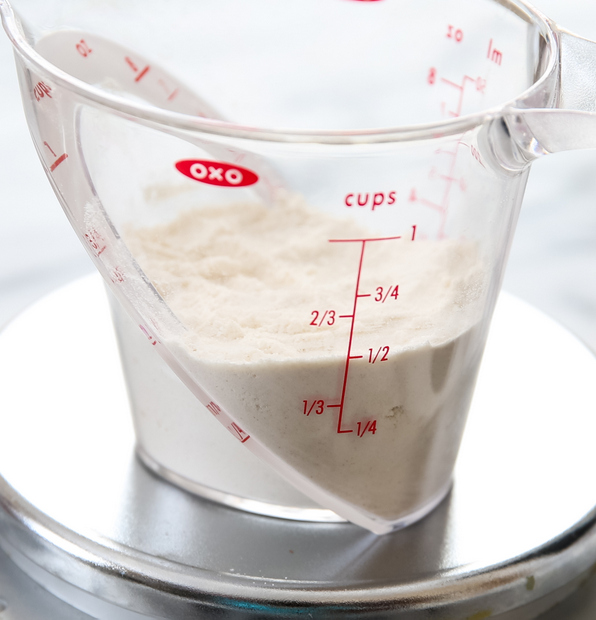
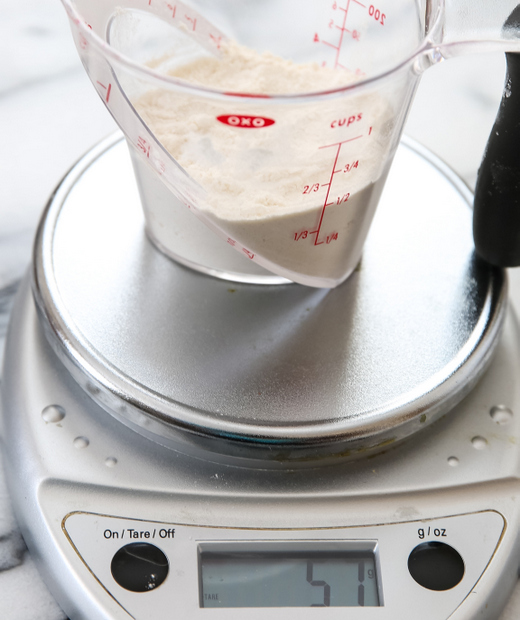
Wet measuring cups are clear and have a spout. People often use them for dry goods, but this is a mistake. Dry ingredients need to be leveled off for correct measurement. Wet cups do not allow this.
| Problem | Effect |
| Dry ingredient not leveled | Leads to too much or too little ingredient |
| Measuring cup shape | Hard to see exact amount of dry ingredient |
| Spout design | Dry ingredients can spill or pack unevenly |
| Mixing measurement types | Causes inconsistency in recipes |
Credit: kirbiecravings.com
Choosing The Best Set
Many cooks wonder if dry and wet measuring cups are the same. Each type serves a different purpose. Picking the right set helps you measure ingredients accurately.
Choosing the best measuring cups depends on your cooking needs. This guide explains what to look for in a set.
Considerations For Home Cooks
Dry cups measure solid ingredients like flour or sugar. Wet cups measure liquids like water or oil. Using the correct cup improves recipe results.
Some sets include both types. This helps you avoid mistakes in the kitchen. Look for clear markings and easy-to-hold handles.
- Choose sets with both dry and wet cups
- Look for cups with clear measurement marks
- Pick cups that feel comfortable to hold
- Consider sets with different sizes for flexibility
Durability And Maintenance
Durable cups last longer and save money. Stainless steel and sturdy plastic last well. Avoid fragile glass if you drop things often.
Easy cleaning is important. Dishwasher-safe cups save time. Check if cups stain or hold smells from ingredients.
- Choose materials like stainless steel or strong plastic
- Look for dishwasher-safe labels
- Avoid materials that stain or absorb smells
- Pick cups that dry quickly to prevent mold
Frequently Asked Questions
Are Dry And Wet Measuring Cups Interchangeable?
No, they are not interchangeable. Dry measuring cups measure solid ingredients like flour. Wet measuring cups are designed for liquids like water. Using the wrong type can lead to inaccurate measurements in recipes.
Why Do Recipes Specify Cup Types?
Recipes specify cup types to ensure accuracy. Dry and wet ingredients measure differently. Using the correct cup type guarantees precise ingredient amounts. This consistency is crucial for successful cooking and baking outcomes.
How Do I Measure Dry Ingredients Correctly?
Use a dry measuring cup for dry ingredients. Fill the cup and level it off with a flat edge. Avoid packing ingredients tightly unless specified. This method provides accurate measurements for dry ingredients like flour and sugar.
Can I Use A Liquid Cup For Dry Ingredients?
It’s not recommended to use liquid cups for dry ingredients. Liquid measuring cups are designed for fluids. They don’t provide the accuracy needed for dry ingredients. Using the right type prevents recipe mishaps and ensures proper proportions.
Conclusion
Dry and wet measuring cups serve different purposes in the kitchen. Dry cups measure ingredients like flour or sugar. Wet cups measure liquids such as water or oil. Using the right cup helps recipes turn out better. It also makes cooking easier and more accurate.
Keep both types in your kitchen for best results. This small step improves your cooking skills every time. Simple tools, better meals.