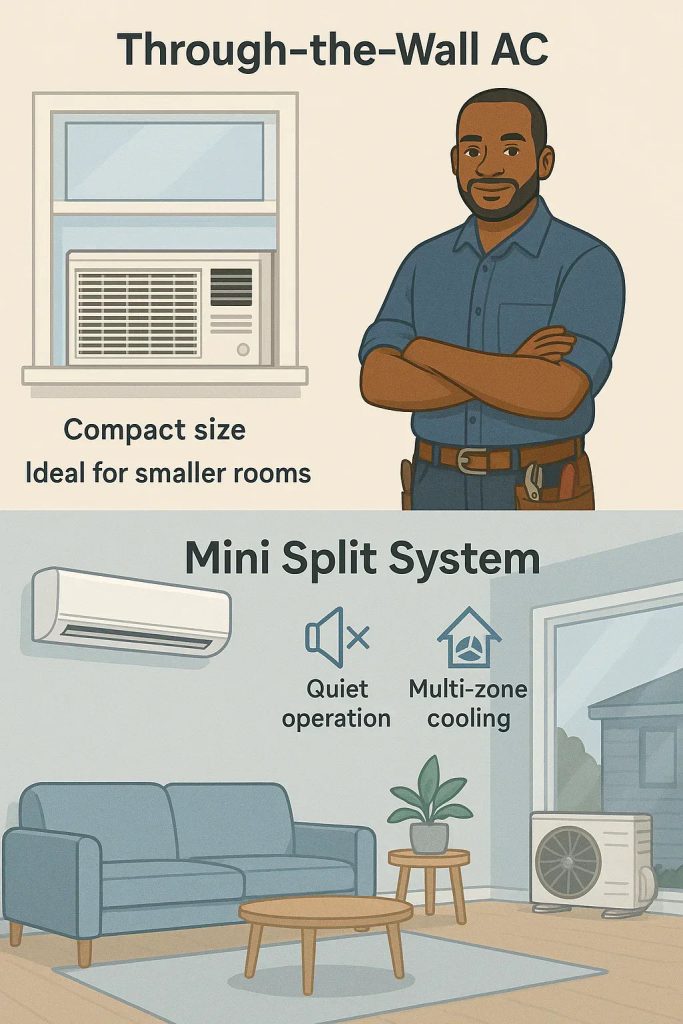
Are you tired of uneven temperatures and high energy bills in your home? You might have heard about ductless heating and cooling systems, but wonder if they’re really worth it.
Imagine a system that saves you money, fits neatly into your space, and gives you control over every room’s comfort. If that sounds appealing, keep reading. This article will help you decide if a ductless system is the right choice for your home and lifestyle.
You deserve comfort and savings—let’s find out how to get both.
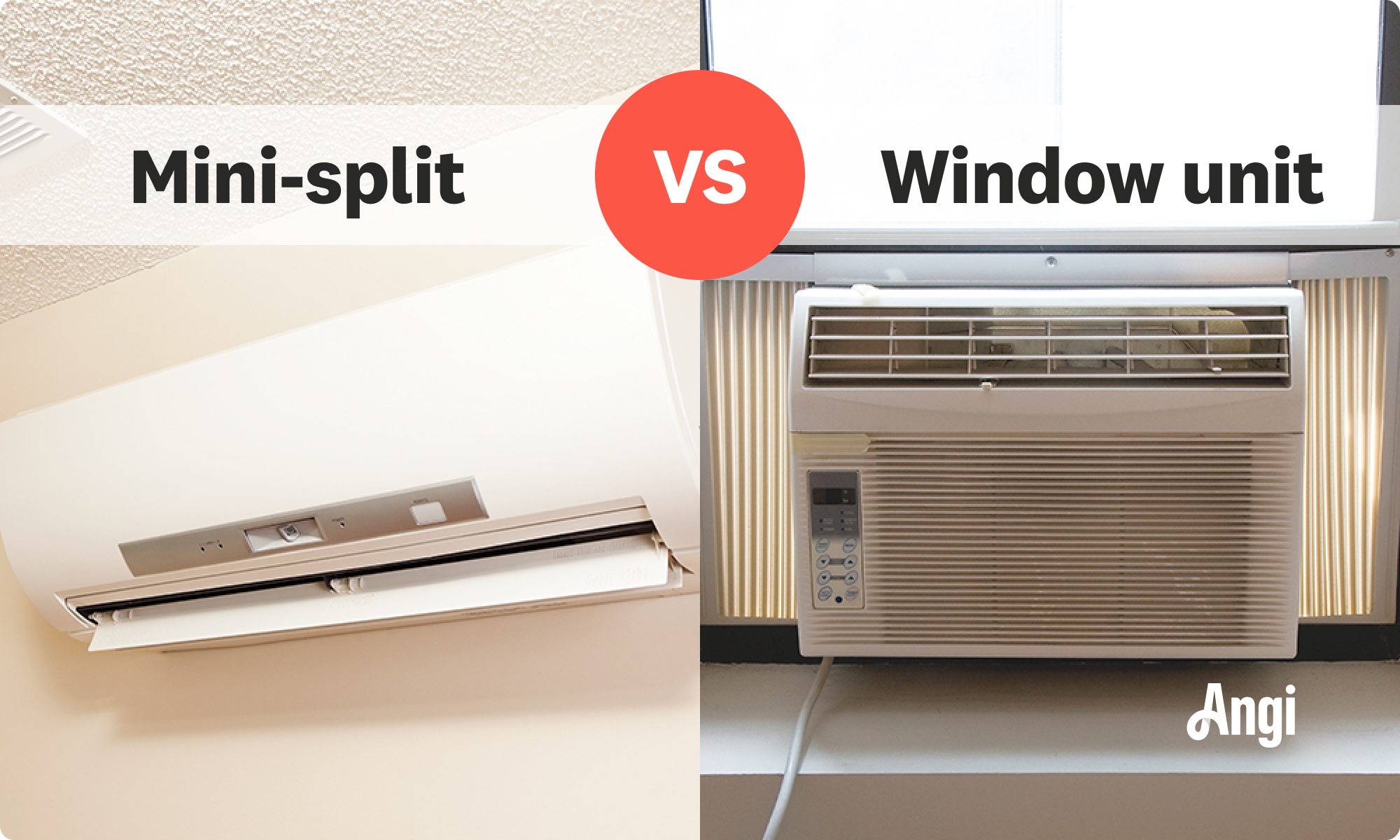
Credit: www.angi.com
How Ductless Systems Work
Ductless heating and cooling systems provide temperature control without using ducts. They move air directly into rooms through indoor units.
These systems use a compressor outside and one or more indoor units. They cool or heat air efficiently and quietly.
Basic Components
Ductless systems have key parts that work together to heat or cool your home. Each part has a special role.
- Outdoor Unit:Contains the compressor and condenser. It sends refrigerant to indoor units.
- Indoor Units:Mounted on walls or ceilings. They blow air into rooms.
- Refrigerant Lines:Pipes that carry refrigerant between indoor and outdoor units.
- Remote Control:Lets you adjust temperature and settings easily.
- Drain Line:Removes moisture from indoor units to the outside.
Installation Process
Installing a ductless system is simpler than traditional systems. It needs less space and no ductwork.
The installer mounts the outdoor unit outside the house. Then, they place indoor units in each room or zone.
- Drill a small hole through the wall for refrigerant lines and wiring.
- Connect refrigerant lines between indoor and outdoor units.
- Install drain lines for moisture removal.
- Test the system to ensure proper operation.
Energy Efficiency Advantages
Ductless heating and cooling systems save energy in homes. They use less electricity than traditional systems.
These systems help reduce utility bills by working more efficiently. They focus on heating or cooling only needed areas.
Lower Energy Consumption
Ductless systems use less energy because they do not lose heat through ducts. Ducts in traditional systems can leak air and waste energy.
They use inverter technology to adjust power based on needs. This means they avoid running at full power all the time.
- Less energy waste from duct leaks
- Power adjusts to room temperature needs
- Runs quietly and efficiently
- Reduces electricity bills
Zoned Temperature Control
Ductless systems allow you to control temperatures in different rooms. You can heat or cool only the rooms you use.
This zoning saves energy by avoiding cooling or heating empty spaces. Each indoor unit has its own thermostat for better control.
- Control temperature room by room
- Turn off units in unused rooms
- Reduce energy use in the whole house
- Improve comfort for each area
Cost Considerations
Ductless heating and cooling systems have unique cost factors. Understanding these can help you decide if they fit your budget.
This guide looks at the initial investment and long-term savings of these systems.
Initial Investment
The upfront cost for ductless systems can be higher than traditional units. This includes equipment and installation fees.
- Unit price varies by capacity and brand.
- Installation may require professional labor.
- No need for ductwork reduces some costs.
- Multiple indoor units increase expenses.
- Permits and inspections might add fees.
Long-term Savings
Ductless systems often save money over time through energy efficiency and lower maintenance.
| Factor | Details | Benefit |
| Energy Use | Uses less power than central systems | Lower utility bills |
| Maintenance | Fewer parts, easy to clean filters | Reduced service costs |
| Longevity | Lasts 10-15 years with care | Less frequent replacement |
| Zone Control | Heat or cool only occupied rooms | Energy savings |
Comfort And Convenience
Ductless heating and cooling systems offer a simple way to control room temperatures. They provide comfort without taking up much space.
These systems are easy to install and use. They help keep your home cozy all year round.
Quiet Operation
Ductless units run quietly compared to traditional HVAC systems. This makes them great for bedrooms and offices.
- Low noise indoor units
- Minimal vibration during operation
- Maintains peaceful environment
- Ideal for night use
Improved Air Quality
These systems include filters that clean the air. They reduce dust and allergens inside your home.
| Feature | Benefit |
| Multi-stage Filtration | Removes dust and pollen |
| Dehumidification | Reduces mold and mildew |
| Air Purification | Improves breathing comfort |
Ideal Spaces For Ductless Systems
Ductless heating and cooling systems fit well in many homes. They are flexible and easy to install. These systems work best in certain spaces where traditional ductwork is hard to add.
Here, we look at spaces where ductless systems can be a smart choice. These places include older homes without ducts and new room additions or renovations.
Older Homes Without Ductwork
Many older homes lack built-in ductwork. Adding ducts can be costly and damage walls or ceilings. Ductless systems offer a simple solution to heat or cool these homes.
- No need to tear down walls or ceilings
- Quick installation with minimal disruption
- Individual room temperature control
- Energy efficient for spaces that need heating or cooling only part of the time
Room Additions And Renovations
When adding a new room or renovating, extending existing ducts can be hard. Ductless systems let you add heating or cooling without changing old ductwork.
| Benefit | Description |
| Easy to add | Install without changing current ducts |
| Cost effective | Lower installation cost than new ductwork |
| Flexible control | Set different temperatures in new rooms |
| Space-saving | No bulky ductwork needed |

Credit: www.carrier.com
Potential Drawbacks
Ductless heating and cooling systems offer many benefits. Yet, they also have some drawbacks. It is important to know these before choosing one.
This section covers two common concerns: aesthetic impact and maintenance requirements. Read on to learn more about these issues.
Aesthetic Impact
Ductless systems have indoor units mounted on walls. These units can affect the look of your rooms. Some people find them bulky or out of place.
- Indoor units may not match room decor
- Visible wiring or pipes can be unattractive
- Multiple units can clutter wall space
- Placement options are limited for best airflow
Maintenance Requirements
Ductless systems need regular care to work well. Cleaning and checks keep the system efficient. Neglect can cause problems and higher costs.
| Maintenance Task | Frequency | Details |
|---|---|---|
| Filter cleaning | Every 1-2 months | Remove and wash filters to keep air clean |
| Outdoor unit check | Yearly | Clear debris and inspect for damage |
| Professional service | Every 1-2 years | Inspect refrigerant levels and system performance |
Comparing With Traditional Hvac
Ductless heating and cooling systems offer a different way to manage indoor climate. They do not use the usual ductwork found in traditional HVAC systems.
This comparison looks at how ductless systems perform and what costs and installation involve, compared to traditional HVAC.
Performance Differences
Ductless systems deliver heat and cool air directly into rooms. Traditional HVAC moves air through ducts to different areas.
Ductless systems offer more control by room. Traditional systems control the whole house at once.
- Ductless units are good for spot heating or cooling.
- Traditional HVAC is better for whole-house climate control.
- Ductless systems have less energy loss since no ducts are used.
- Traditional ducts may leak air, reducing efficiency.
Cost And Installation
Ductless systems cost less to install in homes without ducts. Traditional HVAC costs more when ducts need to be added.
Installation for ductless units is usually faster and less disruptive. Traditional HVAC installation can be complex with ductwork.
- Ductless systems have higher upfront unit costs.
- Traditional HVAC costs include ducts and vents.
- Ductless installation takes a few hours per unit.
- Traditional HVAC installation may take days.

Credit: palmettoairconditioning.com
Making The Right Choice
Ductless heating and cooling systems offer flexible climate control. They work without large ducts, making them good for many homes.
Before choosing, consider your home’s needs and get expert advice. This helps you pick the best system.
Assessing Your Needs
Think about your space size and heating or cooling needs. Ductless systems fit well in rooms without ductwork.
- Room size and layout
- Number of rooms to cool or heat
- Energy efficiency goals
- Installation limitations
- Budget for purchase and upkeep
Consulting Professionals
Experts can assess your home and recommend the right system. They know the technical details and local codes.
| Professional Service | What to Expect |
| Home Inspection | Measure space and check ductwork |
| System Recommendation | Suggest models fit for your needs |
| Cost Estimate | Provide price for equipment and installation |
| Installation | Handle setup and test system |
Frequently Asked Questions
What Are The Main Benefits Of Ductless Systems?
Ductless systems provide energy efficiency, easy installation, and zoned temperature control. They save space and reduce energy bills compared to traditional HVAC systems.
How Much Do Ductless Heating And Cooling Systems Cost?
Costs vary, but ductless systems typically range from $3,000 to $7,000. Installation fees depend on home size and complexity.
Are Ductless Systems Energy Efficient?
Yes, ductless systems use inverter technology to consume less energy. They reduce heat loss common in ductwork, lowering energy bills.
Can Ductless Systems Heat And Cool Effectively?
Ductless systems provide reliable heating and cooling for individual rooms or zones. They maintain consistent comfort year-round without temperature swings.
Conclusion
Ductless heating and cooling systems offer clear benefits for many homes. They save energy and give precise temperature control. Installation is simpler and less invasive than traditional systems. Costs can be higher upfront but often pay off over time. Quiet operation and flexibility add to their appeal.
Consider your space and budget carefully before choosing. Many find them a smart option for comfort and savings. Worth thinking about for a better home climate.