
Are you tired of dealing with smoke and lingering odors in your kitchen? Have you ever wondered if a ductless range hood could be the solution you’ve been searching for?
These sleek and modern appliances promise to clear the air and make your cooking experience more pleasant. But are ductless range hoods really any good, or are they just a trendy gimmick? We’ll dive deep into the world of ductless range hoods, exploring their benefits, potential drawbacks, and whether they’re the right fit for your kitchen.
Stick around to discover if this innovative technology is the breath of fresh air your home needs.
How Ductless Range Hoods Work
Ductless range hoods offer a unique approach to kitchen ventilation by filtering and recirculating air instead of venting it outside. Understanding how they work can help you decide if they fit your cooking habits and kitchen layout. Let’s break down the key components that make ductless hoods function efficiently in your home.
Filtration Process
At the heart of a ductless range hood is its filtration system. It typically uses a combination of grease filters and charcoal filters. Grease filters trap oily particles released while cooking, preventing buildup inside the hood.
Charcoal filters take care of odors by absorbing smoke and cooking smells. These filters need regular replacement to maintain their effectiveness. Have you checked your hood’s filter life cycle lately? Neglecting this can reduce performance significantly.
Recirculation Mechanism
Instead of pushing air outdoors, ductless range hoods clean and recirculate it back into your kitchen. A built-in fan pulls in the contaminated air, pushing it through the filters before releasing it.
This system keeps your kitchen ventilated without requiring ductwork. It’s especially handy in apartments or homes where installing external vents is impractical. But keep in mind, the air isn’t removed; it’s just cleaned and sent back, so strong odors may linger longer compared to ducted hoods.
Advantages Of Ductless Range Hoods
Ductless range hoods offer several practical benefits for kitchens of all sizes. Their design focuses on ease and flexibility, making them a popular choice for many homeowners. These hoods improve air quality without complicated venting systems.
Here are some key advantages of ductless range hoods that make them worth considering.
Easy Installation
Ductless range hoods do not require external vents or ducts. This eliminates the need for cutting holes in walls or ceilings. Installation is quicker and less invasive. Many models can be mounted directly above the stove with minimal tools. This suits apartments or homes where venting outside is difficult.
Cost-effectiveness
Without complex venting, installation costs are lower. No need to pay for ductwork or professional vent installation. Energy use tends to be less since air is filtered and recirculated. Maintenance costs are also reduced as there are no ducts to clean. Overall, ductless hoods save money upfront and over time.
Space Saving Design
Ductless hoods are usually compact and streamlined. They fit well in small kitchens or tight spaces. Their design does not require large vent pipes or external units. This creates more usable kitchen space and a cleaner look. Homeowners can choose from various sizes to match their cooking area.
Versatility In Placement
Without venting limits, these hoods can be placed almost anywhere. They work well on kitchen islands, walls, or even under cabinets. This allows more freedom in kitchen layout and design. Ductless hoods adapt to different kitchen styles and setups easily.
Limitations Compared To Ducted Hoods
Ductless range hoods offer convenience and easy installation. Still, they have some clear limits compared to ducted hoods. Understanding these helps decide which type fits your kitchen best. Below are key areas where ductless hoods may fall short.
Air Quality Impact
Ductless hoods filter air and recirculate it back inside. They use charcoal or carbon filters to trap smoke and odors. These filters cannot remove all moisture or heat. Some airborne particles may escape filtering. This can reduce overall air quality in the kitchen. Cooking smells may linger longer than with ducted hoods.
Noise Levels
Ductless hoods often have louder fans than ducted models. The fan must work harder to push air through filters. Noise levels can vary but may be distracting during cooking. Some models include noise reduction features. Still, expect more sound compared to ducted hoods with external vents.
Maintenance Requirements
Ductless hoods need regular filter cleaning and replacement. Filters clog over time, reducing efficiency. Carbon filters usually require replacement every 3 to 6 months. Grease filters need frequent washing to avoid buildup. Ducted hoods mainly need occasional duct cleaning. Maintenance for ductless hoods is more hands-on and frequent.

Credit: www.amazon.ca
Best Situations For Ductless Hoods
Ductless range hoods fit well in many kitchen setups. They do not need external vents, making installation easier. These hoods recirculate air through filters, removing smoke and odors. They work best in spaces where venting outside is difficult or impossible. Below are common places where ductless hoods shine.
Apartment Kitchens
Apartments often do not allow vent holes in walls or ceilings. Ductless hoods work well here because they only need power. They clean the air by filtering it inside the kitchen. These hoods keep cooking smells from spreading. They save renters from major renovations or damage to walls.
Homes Without External Venting
Some homes lack the structure for outside venting. Older houses or those with certain designs fit this case. Ductless hoods provide a simple solution. They require no ducts, just an outlet nearby. These hoods help keep the kitchen air fresh. They prevent grease and smoke buildup indoors.
Temporary Cooking Spaces
Temporary kitchens, like those in events or rentals, need easy setups. Ductless hoods are portable and quick to install. They do not need permanent changes to the space. These hoods offer instant ventilation and odor control. Ideal for pop-up kitchens or short-term use.
Choosing The Right Filters
Choosing the right filters for your ductless range hood is key to its performance. Filters trap smoke, grease, and odors, keeping your kitchen air fresh. Picking the correct filters makes cleaning easier and extends your hood’s life. Knowing the types of filters helps you maintain a healthy cooking environment.
Charcoal Filters
Charcoal filters absorb odors and smoke from cooking. They use activated carbon to trap bad smells. These filters do not catch grease or particles. Ideal for kitchens without outside venting. Replace them regularly to keep air clean and fresh.
Grease Filters
Grease filters catch oil and grease particles in the air. Usually made from metal mesh or baffles. They protect the fan and motor from buildup. Easy to remove and clean with warm soapy water. Keeping these filters clean prevents smoke and fire risks.
Filter Replacement Frequency
How often to replace filters depends on cooking habits. Charcoal filters usually last 3 to 6 months. Grease filters need cleaning every 1 to 3 months. Frequent frying or grilling means more frequent changes. Regular checks help maintain good air quality and hood efficiency.
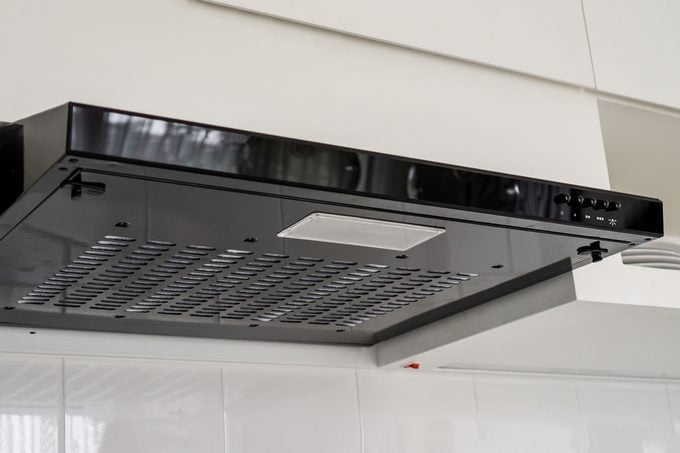
Credit: www.familyhandyman.com
Energy Efficiency And Performance
Ductless range hoods offer a unique approach to kitchen ventilation. Their energy efficiency and performance are key factors to consider. These hoods do not require external venting, which impacts their power use and airflow capabilities.
Power Consumption
Ductless range hoods generally use less electricity than traditional vented models. They rely on recirculating air through filters instead of pushing it outside. This design reduces the need for powerful motors, saving energy.
Many models come with LED lights and energy-saving fans. These features lower electricity bills and help the environment. Choosing a ductless hood with an Energy Star rating ensures efficient power use.
Ventilation Effectiveness
Ductless hoods filter smoke, grease, and odors through charcoal or carbon filters. These filters trap airborne particles and clean the air before releasing it back.
While effective in removing smells, these hoods may not clear steam or heat as fast as vented ones. Filter maintenance is crucial for performance. Dirty filters reduce airflow and ventilation quality.
For small to medium kitchens, ductless hoods provide sufficient air cleaning. In larger kitchens, their effectiveness can vary depending on the model and fan speed.
Popular Brands And Models
Choosing the right ductless range hood depends heavily on the brand and model you pick. Some brands consistently deliver quality, durability, and features that make your kitchen experience better. Knowing which options stand out can save you time and help you make a choice that fits your needs and budget.
Top Rated Options
Brands like Broan, Cosmo, and AKDY often top the charts for ductless range hoods. They offer reliable performance and strong suction power that keeps your kitchen air fresh. Many users praise these models for being quiet while still effective.
- Broan 413004:Known for durability and easy installation.
- Cosmo 5MU30:Offers modern design with efficient airflow.
- AKDY 30-inch:Popular for its balance of price and features.
Have you noticed how a quiet hood changes your cooking experience? These models often get that balance just right.
Budget-friendly Choices
If you want a good ductless range hood without spending too much, brands like Hauslane and Vremi offer solid options. They deliver decent suction and filtration at a price that won’t break the bank. These models are perfect if you cook occasionally or have a smaller kitchen.
- Hauslane Chef Series:Affordable with easy-to-clean filters.
- Vremi 30-inch:Compact design and simple controls.
Sometimes, spending less can still mean getting exactly what you need. What’s most important to you in a range hood? Quiet operation, style, or suction power?
High-end Features
For those who want the best, brands like Zephyr and Vent-A-Hood offer premium ductless range hoods with advanced features. Expect smart controls, customizable lighting, and superior filtration systems. These models often include sleek designs that complement modern kitchens.
- Zephyr AK2100BS:Smart sensors adjust fan speed automatically.
- Vent-A-Hood Inline Series:Known for whisper-quiet operation and powerful extraction.
Investing in high-end features can change how you interact with your kitchen. Do you want a hood that anticipates your needs or just a basic exhaust fan?

Credit: www.searshomeservices.com
Tips For Maintaining Ductless Range Hoods
Maintaining a ductless range hood helps it work well for a long time. Simple care keeps the air fresh and removes cooking smells effectively. Regular maintenance also avoids costly repairs and extends the hood’s life.
Cleaning Filters
Filters catch grease and dust from cooking fumes. Clean them often to keep airflow strong and odors low. Most filters are washable with warm water and mild soap. Let them dry fully before placing them back. Some filters may need replacement after months of use.
Regular Inspections
Check the range hood regularly for dust build-up and loose parts. Look for unusual noises or weak airflow. Inspect the fan blades and motor for dirt or damage. Keep the hood’s outer surface clean with a soft cloth. Regular checks prevent small problems from growing.
Troubleshooting Common Issues
When the hood doesn’t suck air well, check the filter first. Replace or clean it if clogged. If the fan is noisy, it might have debris or need lubrication. Flickering lights usually mean bulbs need replacing. For electrical issues, consult a professional for safety.
Frequently Asked Questions
Are Ductless Range Hoods Effective In Removing Odors?
Ductless range hoods use filters to trap odors and grease. They recirculate air, making them less effective than ducted hoods. However, they still reduce cooking smells and improve kitchen air quality significantly.
How Do Ductless Range Hoods Compare To Ducted Ones?
Ductless hoods are easier to install and more flexible in placement. Ducted hoods vent air outside, offering better pollutant removal. Ductless models work best in apartments or homes without ductwork.
What Maintenance Do Ductless Range Hoods Require?
Ductless hoods need regular filter cleaning or replacement. Activated carbon filters should be replaced every 3-6 months. Proper maintenance ensures efficient odor and grease removal over time.
Can Ductless Range Hoods Handle Heavy Cooking Fumes?
Ductless hoods are suitable for light to moderate cooking. They may struggle with heavy smoke or intense frying. For frequent heavy cooking, a ducted range hood is more effective.
Conclusion
Ductless range hoods offer easy installation and flexible placement. They work well in small kitchens or spaces without ductwork. These hoods filter air and reduce odors effectively. Noise levels can vary, so choose one that suits your comfort. Maintenance is simple, with washable filters to keep air clean.
Consider your kitchen size and cooking habits before deciding. Overall, ductless range hoods provide a practical solution for many homes. They balance convenience and performance without complex venting. A smart choice for those needing quick, easy kitchen ventilation.