
Have you ever noticed clusters of hairy caterpillars hanging from the branches of trees in your yard? Those are Eastern Tent Caterpillars, and you might be wondering if they are invasive pests threatening your garden or just harmless visitors.
Understanding whether these insects pose a real danger to your trees and plants can help you decide how to handle them. Keep reading to uncover the truth about Eastern Tent Caterpillars and learn what you can do to protect your outdoor space.
Eastern Tent Caterpillars Basics
Eastern tent caterpillars are common insects found in many parts of North America. They are known for building silk tents in the branches of trees. People often ask if these caterpillars are invasive.
This article explains their physical traits, life cycle, and where they live. Understanding these basics helps to know more about their impact on the environment.
Physical Characteristics
Eastern tent caterpillars have a few distinct features that make them easy to recognize. They grow up to 2 inches long. Their bodies are dark brown or black with a white stripe down the back. They have blue and orange spots along their sides.
- Length: up to 2 inches
- Color: dark brown or black
- White stripe along the back
- Blue and orange side spots
- Covered with fine hairs
Life Cycle
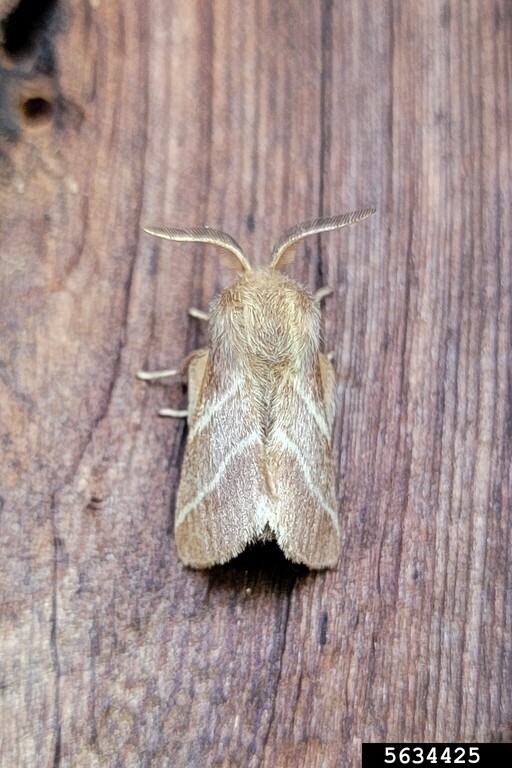
The life cycle of eastern tent caterpillars has four main stages. It starts with eggs laid on tree branches in spring. Then the eggs hatch into small larvae that build silk tents. They grow by shedding skin several times. After reaching full size, they become pupae and later emerge as moths.
- Eggs laid on tree branches in early spring
- Larvae hatch and build silk tents
- Larvae grow by molting several times
- Larvae form pupae in cocoons
- Moths emerge from pupae to start the cycle again
Natural Habitat
Eastern tent caterpillars live mainly in deciduous forests and woodlands. They prefer trees like cherry, apple, and crabapple. These trees provide leaves for the caterpillars to eat. The tents are usually found in the forks of tree branches.
| Habitat | Preferred Trees | Location of Tents |
| Deciduous forests | Cherry | Tree branch forks |
| Woodlands | Apple | Tree branch forks |
| Orchards | Crabapple | Tree branch forks |
Invasive Species Criteria
Eastern tent caterpillars are common insects in North America. People often ask if they are invasive species.
To decide if a species is invasive, we look at certain traits. These include how they spread and affect the environment.
Definition And Traits
An invasive species is a plant or animal that is not native to an area. It causes harm to the environment, economy, or health.
Eastern tent caterpillars are native to parts of North America. They build silk tents in trees and feed on leaves.
- Native to eastern and central North America
- Create large silk tents in tree branches
- Feed mainly on cherry, apple, and other trees
Impact On Ecosystems
Eastern tent caterpillars can defoliate trees in spring. This sometimes weakens trees but rarely kills them.
Their damage can affect bird food and tree health. In most cases, natural predators control their numbers.
- Can cause leaf loss on host trees
- May reduce food for some animals temporarily
- Usually controlled by birds and insects
Spread Mechanisms
Eastern tent caterpillars spread mainly by crawling and flying as moths. They do not hitch rides on human goods often.
Because they are native, their spread is natural and slow. They do not invade new continents or regions rapidly.
- Laying eggs on tree branches
- Larvae hatch and build tents in local trees
- Moths fly short distances to lay new eggs
Distribution Of Eastern Tent Caterpillars
Eastern Tent Caterpillars are a type of moth larvae known for building silk tents in trees. Their distribution shows where they naturally live and where they have spread to.
Understanding their range helps us learn if they are invasive or part of local ecosystems.
Native Range
Eastern Tent Caterpillars are native to North America. They originally lived in the eastern parts of the United States and Canada.
They prefer deciduous forests and areas with many fruit trees like cherry and apple trees.
Current Spread Patterns
These caterpillars have spread beyond their native areas. They now appear in some western states in the US.
Their spread is mostly due to the movement of nursery plants and changes in climate that allow survival in new places.
- Found mainly in eastern and central US and Canada
- Occasional sightings in western US
- Populations vary with local climate and food availability
Factors Influencing Distribution
Several factors affect where Eastern Tent Caterpillars live. Climate is a key factor because they need mild winters.
Availability of host trees also limits their spread. Human activities like transporting plants can move them to new areas.
- Climate: mild winters help survival
- Host trees: prefer cherry, apple, and other fruit trees
- Human transport: nursery plants can carry eggs or larvae
- Natural predators and diseases affect local populations

Credit: www.reddit.com
Ecological Impact
The Eastern Tent Caterpillar affects ecosystems in many ways. Its presence changes how trees, animals, and insects live and interact.
This caterpillar is not just a pest. It plays a role in nature’s balance, sometimes causing harm and sometimes supporting wildlife.
Effects On Trees And Plants
Eastern Tent Caterpillars feed on leaves, which can weaken trees. Trees may lose many leaves during heavy infestations. This loss reduces the tree’s ability to make food through photosynthesis.
- Repeated defoliation can stress trees.
- Some trees may grow slower or become more vulnerable to diseases.
- Young trees are more at risk than mature ones.
- Plants near the trees may get more sunlight due to leaf loss.
Role In Food Web
These caterpillars serve as food for many animals. Birds, small mammals, and insects eat them at different life stages.
| Animal | Stage of Caterpillar Eaten |
| Birds | Larvae and Pupae |
| Wasps | Eggs and Larvae |
| Small Mammals | Larvae |
| Other Insects | Eggs and Larvae |
Interactions With Other Species
Eastern Tent Caterpillars interact with many species beyond food chains. They build silk tents that can affect plant growth. Parasites and predators help control their numbers.
- Parasitoid wasps lay eggs in caterpillar larvae.
- Predatory birds help reduce caterpillar populations.
- Fungal diseases can infect and kill caterpillars.
- The tents may protect caterpillars but also expose them to predators.
Comparing To Invasive Species
Eastern tent caterpillars are common in many parts of North America. People often wonder if they are invasive like some other species. It is important to compare them to known invasive species to understand their impact.
This comparison looks at their similarities and differences. It also explains why eastern tent caterpillars might not be considered invasive.
Similarities And Differences
| Aspect | Eastern Tent Caterpillars | Invasive Species |
|---|---|---|
| Origin | Native to North America | Often introduced from other regions |
| Population Growth | Can grow quickly in local areas | Usually rapid and uncontrolled growth |
| Impact on Plants | Feed on tree leaves but rarely kill trees | Can cause serious harm to native plants |
| Predators | Have natural predators that control numbers | Often lack natural predators in new areas |
| Spread | Limited to native range and nearby areas | Spread widely and fast across new regions |
Why Eastern Tent Caterpillars May Not Qualify
- They are native to their environment.
- They have natural predators that keep populations in check.
- Their feeding usually does not kill trees or plants.
- They do not spread beyond their natural range quickly.
- They play a role in the local food web.
Because of these points, eastern tent caterpillars differ from typical invasive species. They do not cause major harm to ecosystems like invasive species do.
Credit: www.tn.gov
Management And Control
Eastern tent caterpillars can cause damage to trees and plants. Managing and controlling them helps protect your garden and trees. There are natural ways and active methods to reduce their numbers.
Using a mix of natural predators, control methods, and preventive steps is the best approach. This keeps the environment safe while lowering caterpillar problems.
Natural Predators
Many animals eat eastern tent caterpillars. Birds, wasps, and some insects help keep their numbers low. These predators are part of the natural balance in gardens and forests.
- Birds such as robins and blackbirds feed on caterpillars.
- Parasitic wasps lay eggs inside caterpillars, killing them.
- Predatory beetles and spiders also eat the larvae.
Effective Control Methods
Several control methods can reduce caterpillar populations quickly. These include physical removal and using natural sprays that are safe for plants.
| Control Method | Description | Effectiveness |
|---|---|---|
| Handpicking | Remove caterpillars and egg masses by hand early in the season. | High for small infestations |
| Bacillus thuringiensis (Bt) | A natural bacteria spray that kills caterpillars but is safe for other animals. | Very effective |
| Horticultural oils | Oils smother eggs and larvae on branches. | Moderate effectiveness |
| Pruning | Cut and remove branches with tents to reduce caterpillars. | Effective if tents are small |
Preventive Measures
Preventing eastern tent caterpillars is easier than controlling large groups. Early action and good tree care help stop infestations.
- Inspect trees regularly for egg masses in late winter.
- Remove egg masses before they hatch in early spring.
- Keep trees healthy by watering and fertilizing properly.
- Plant tree species less attractive to caterpillars.
- Encourage birds and beneficial insects in your garden.

Credit: equimanagement.com
Frequently Asked Questions
Are Eastern Tent Caterpillars Considered Invasive Species?
Eastern Tent Caterpillars are native to North America, so they are not considered invasive. They naturally occur in many regions and do not typically disrupt local ecosystems.
How Do Eastern Tent Caterpillars Affect Trees?
These caterpillars feed on tree leaves, causing defoliation. While heavy infestations can stress trees, healthy trees usually recover quickly without lasting damage.
Can Eastern Tent Caterpillars Harm Humans Or Pets?
Eastern Tent Caterpillars do not pose direct harm to humans or pets. They may cause mild skin irritation if touched but are generally harmless.
What Natural Methods Control Eastern Tent Caterpillars?
Birds, predatory insects, and certain parasitic wasps naturally control their populations. Encouraging these predators helps keep caterpillar numbers balanced.
Conclusion
Eastern Tent Caterpillars can sometimes be a concern. They are not always invasive. Their presence might affect trees temporarily. But, they rarely cause permanent damage. Monitoring their numbers helps manage them effectively. It’s vital to understand their role in the ecosystem.
They provide food for many birds and animals. So, before acting, consider their natural benefits. Balance is key in managing these caterpillars. Awareness and informed action can prevent unnecessary harm. Learning about them aids in making the right choices. Understanding these creatures is essential for healthy environments.