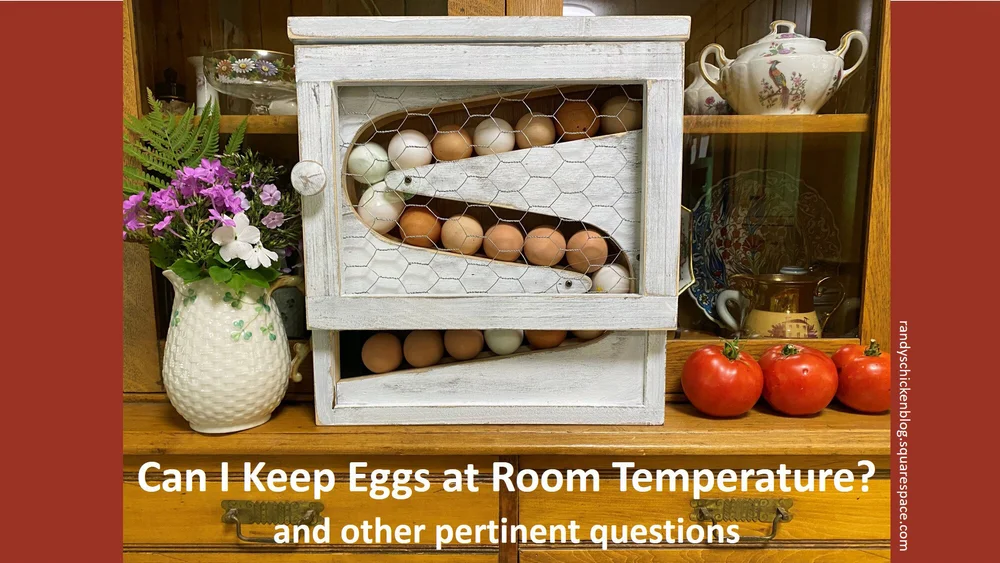
Are you confused about whether farm fresh eggs need to be refrigerated? You’re not alone.
Many people wonder if keeping these eggs in the fridge is necessary or if it might even harm their quality. The answer isn’t as simple as you might think. Understanding the best way to store your fresh eggs can save you money, keep your eggs tasting great, and even protect your health.
Keep reading to discover the truth about refrigerating farm fresh eggs and how you can make the right choice for your kitchen.

Credit: grubblyfarms.com
Egg Storage Basics
Storing eggs properly keeps them fresh and safe to eat. Farm fresh eggs differ from store-bought ones. Understanding their storage basics helps keep their quality longer. Eggs have natural features that protect them. These features affect how you should store them.
Natural Egg Coating
Farm fresh eggs have a natural coating called the bloom. This thin layer covers the shell. It blocks bacteria and dust from entering the egg. The bloom keeps moisture inside, stopping the egg from drying out. Washing eggs removes this coating. Without it, eggs become more vulnerable to spoilage.
Impact On Freshness
The natural coating helps eggs stay fresh longer at room temperature. Refrigeration slows down bacteria growth and extends shelf life. Eggs with intact bloom can last weeks without a fridge. Washed or store-bought eggs need refrigeration to stay fresh. Proper storage depends on whether the bloom is present or not.

Credit: ayersvalleyfarmmeats.com
Refrigeration Practices Worldwide
Refrigeration practices for farm fresh eggs vary widely around the world. These differences come from how eggs are handled, cleaned, and stored after collection. Some countries refrigerate eggs immediately, while others keep them at room temperature. Understanding these global practices helps explain why eggs are treated differently depending on the region.
Us Vs Europe Methods
In the US, eggs are washed with strong detergents. This process removes the natural coating on the shell. Without this layer, eggs become more vulnerable to bacteria. Therefore, refrigeration is necessary to keep eggs safe and fresh.
Europe follows a different approach. Eggs are not washed or cleaned with harsh chemicals. This keeps the natural protective coating intact. As a result, eggs can be stored safely at room temperature for several weeks. Refrigeration is less common until just before sale or use.
Reasons For Different Approaches
One main reason for these differing methods is food safety laws. The US requires strict cleaning to prevent salmonella. This makes refrigeration essential to avoid contamination.
In Europe, regulations focus on keeping the egg’s natural defenses. This reduces the need for immediate refrigeration. The environment and storage conditions also play a role.
Another factor is the supply chain length. Eggs in the US often travel long distances. Refrigeration helps maintain quality during transport. European eggs usually reach consumers faster, reducing the need for cold storage.
Benefits Of Refrigerating Farm Fresh Eggs
Refrigerating farm fresh eggs offers several key benefits that help maintain their quality and safety. Cooling eggs slows down natural processes and helps keep them fresh longer. It also reduces risks linked to bacteria and spoilage.
Extending Shelf Life
Cold temperatures slow the egg’s aging process. This keeps the yolk and white firm and fresh. Eggs stay good for weeks or even months when refrigerated. It helps avoid waste and saves money.
Preventing Bacterial Growth
Eggshells can carry bacteria like Salmonella. Cooling eggs reduces bacterial activity and growth. Refrigeration helps prevent foodborne illness. It keeps your eggs safer to eat.
When Refrigeration Might Not Be Necessary
Deciding whether to refrigerate farm fresh eggs depends on how you plan to store and use them. In some cases, refrigeration might not be necessary, especially if you’re handling eggs that haven’t been washed or treated. Understanding these situations can help you keep your eggs fresh and tasty without extra effort.
Short-term Storage
If you plan to use your farm fresh eggs within a week, keeping them at room temperature is often fine. Eggs stored in a cool, dry place away from direct sunlight can maintain their freshness for several days. This approach works well if you buy eggs directly from a local farmer or gather them yourself and plan to cook them soon.
Think about your kitchen setup: do you have a spot that stays consistently cool? A pantry or cupboard away from heat sources can be ideal. Just remember to keep the eggs in their carton to protect them and prevent them from absorbing odors.
Maintaining Quality Without Chilling
Unwashed eggs with their natural protective coating stay fresher longer without refrigeration. This coating, called the “bloom,” seals the shell’s pores and prevents bacteria from entering. Washing eggs removes this layer, making refrigeration more important.
To maintain quality without chilling, store eggs with the pointed end down. This position helps keep the yolk centered and reduces moisture loss. You can also regularly check eggs by placing them in water; those that sink are still fresh.
Do you pay attention to whether your eggs are washed or unwashed? It can change how you store them. Next time you get fresh eggs, try keeping some at room temperature and observe the difference yourself.
Tips For Handling Farm Fresh Eggs
Handling farm fresh eggs requires a bit of attention to keep them safe and fresh. You might wonder if washing or refrigerating them is necessary right away. Understanding the right steps can help you enjoy your eggs longer and avoid any food safety issues.
Cleaning And Washing Guidelines
Many people think washing eggs immediately is essential, but it’s not always the best choice. Farm fresh eggs have a natural protective coating called the “bloom” that keeps out bacteria.
If eggs look dirty, gently wipe them with a dry or slightly damp cloth instead of washing them under running water. Washing can remove that protective layer, making eggs more vulnerable to contamination.
Only wash eggs right before you plan to use them. If you do wash them, use warm water and avoid soaking. This helps prevent bacteria from entering through the shell.
Safe Storage Techniques
Where you store your eggs makes a big difference. If you don’t wash the eggs, you can keep them at room temperature for about two weeks without worry.
However, once eggs are washed or if your local regulations require it, refrigeration is best to stop bacteria growth. Keep eggs in their carton to protect them from absorbing strong odors and flavors from your fridge.
Place the carton on a middle shelf rather than the door, where temperature fluctuates more. Do you notice how eggs last longer when you avoid rapid temperature changes?
Handling your eggs with care and storing them properly ensures you get the best taste and safety every time you crack one open.
Expert Opinions On Egg Safety
Experts have varied views on storing farm fresh eggs safely. Their opinions focus on how eggs are handled before reaching your kitchen. Understanding these views helps keep eggs safe to eat.
Food Safety Authorities’ Recommendations
Food safety authorities in many countries advise refrigerating eggs. This practice slows bacteria growth and keeps eggs fresh longer. They stress washing eggs before storage to remove dirt and germs.
Some agencies say refrigeration is crucial in regions with warmer climates. It reduces the risk of foodborne illnesses like salmonella. They also recommend storing eggs in their original carton to protect them.
Farmers’ Practices
Farmers often have different approaches based on their local environment. Many do not wash eggs immediately after collection to keep the natural coating intact. This coating helps protect eggs from bacteria.
Some farmers suggest storing eggs at room temperature if they are fresh and unwashed. They believe this keeps eggs’ quality for a short time without refrigeration. Others still prefer refrigeration to extend shelf life and safety.
Common Myths About Egg Refrigeration
Many people have strong opinions about storing eggs. Some believe farm fresh eggs must always be refrigerated. Others think eggs stay fine at room temperature. These ideas come from different traditions and facts. Understanding common myths helps keep eggs safe and tasty.
Eggs Must Always Be Refrigerated
Not all eggs need refrigeration. In some countries, farmers sell eggs without washing them. The natural coating on eggs keeps bacteria out. This coating stays intact only if eggs are not washed. Refrigeration can cause moisture buildup and spoilage if the coating is missing.
Room Temperature Eggs Go Bad Quickly
Farm fresh eggs can last weeks outside the fridge. The natural coating slows down bacteria growth. Keep eggs in a cool, dry place away from sunlight. Avoid high temperatures to maintain freshness longer.
Washing Eggs Is Necessary Before Storage
Washing removes the protective coating. This makes eggs more vulnerable to bacteria. If eggs are dirty, wipe them gently with a dry cloth. Wash eggs only before cooking if needed.
Refrigeration Is The Best Way To Kill Bacteria
Refrigeration slows bacteria growth but does not kill it. Proper handling and cooking are more important for safety. Store eggs correctly and cook them well to avoid illness.

Credit: practicalselfreliance.com
Frequently Asked Questions
Should Farm Fresh Eggs Be Refrigerated Immediately?
Farm fresh eggs can be refrigerated to extend freshness. However, unwashed eggs have a natural protective coating, allowing safe room temperature storage for up to two weeks. Refrigeration slows bacterial growth and preserves quality longer.
How Long Can Farm Fresh Eggs Stay Unrefrigerated?
Unwashed farm fresh eggs can stay unrefrigerated for about two weeks. Their natural bloom protects them from bacteria. After washing, refrigeration is necessary to prevent spoilage and maintain safety.
Does Washing Eggs Affect Refrigeration Needs?
Yes, washing removes the natural protective coating on eggs. This makes them more vulnerable to bacteria. Washed eggs should always be refrigerated to maintain freshness and safety.
Can Refrigeration Harm The Quality Of Farm Fresh Eggs?
Refrigeration does not harm farm fresh eggs. It helps keep them fresh longer by slowing bacterial growth. However, avoid frequent temperature changes to prevent condensation and maintain quality.
Conclusion
Choosing whether to refrigerate farm fresh eggs depends on personal preference. In many countries, eggs stay fresh at room temperature. Refrigeration can extend their shelf life. Always store eggs in a cool, dry place. Clean eggs only before using them.
This keeps their protective coating intact. Safety first: Check for cracks or damage. If in doubt, refrigerate them. Freshness and safety should guide your decision. Enjoy the rich taste of farm fresh eggs. Your choice, your eggs, your way!