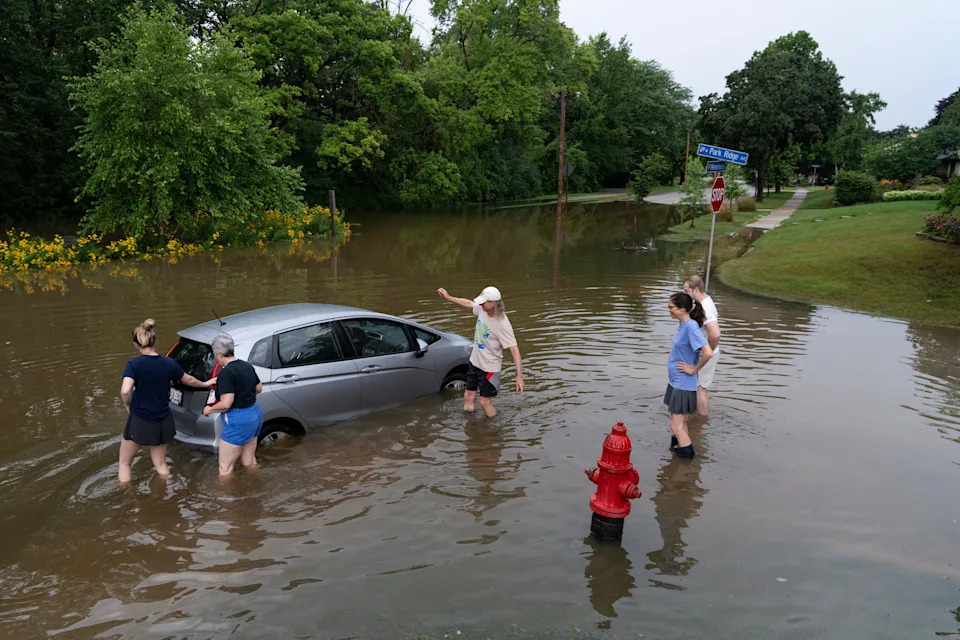
Have you ever wondered what happens if your car gets flooded? It’s a scary thought, especially when you think about the damage and the cost.
But here’s the question: is your insurance going to help cover the repairs or replacement? Knowing whether flooded cars are covered by insurance can save you from a lot of stress and surprise expenses. You’ll discover exactly what types of coverage protect you, what steps to take if your car floods, and how to make sure you’re not caught off guard.
Keep reading to find out how to protect your car—and your wallet—from flood damage.

Credit: life143.com
Flood Damage And Insurance
Flooded cars can cause many problems for owners. Insurance coverage depends on your policy type. Understanding flood damage and insurance helps you know what to expect.
Not all insurance covers flood damage. Some policies protect better than others. It is important to learn about different coverage types.
Types Of Coverage For Flooded Cars
There are several types of insurance coverage related to flood damage. Knowing these helps you find the right protection.
- Comprehensive Coverage: Covers damage from floods and other non-collision events.
- Liability Coverage: Pays for damage to others, not your car.
- Collision Coverage: Covers damage from crashes, not floods.
- Uninsured Motorist Coverage: Protects you if another driver causes damage.
When Flood Damage Is Covered
Flood damage is covered mainly under comprehensive insurance. It applies if water harms your car from rain, rising rivers, or storms.
| Condition | Coverage Status |
| Car damaged by rain flooding | Covered with comprehensive |
| Water damage from parked car flood | Covered with comprehensive |
| Damage while driving through water | Usually covered |
| Damage from wear and tear | Not covered |
Situations Excluded From Coverage
Insurance may not pay for flood damage in some cases. It is important to know when coverage ends.
- Flood damage without comprehensive insurance
- Damage caused by driver negligence
- Flood damage in excluded areas or disasters
- Damage due to lack of maintenance
- Wear and tear or mechanical failure
Comprehensive Insurance Details
Flooded cars cause serious damage that can be costly to fix. Many drivers wonder if insurance covers this type of loss. Comprehensive insurance often helps protect against flood damage.
This coverage pays for damage caused by events other than collisions. It includes natural disasters like floods, theft, and vandalism.
How Comprehensive Coverage Works
Comprehensive coverage pays for damage to your car not caused by a crash. It helps if your car floods in heavy rain or rising water. This insurance covers repairs or replacement, depending on the damage.
- Protects against flood, fire, theft, and vandalism
- Covers repairs or full car replacement
- Usually optional but recommended
- Costs vary by car value and location
Filing A Claim For Flood Damage
After flood damage, report the loss quickly to your insurer. Provide photos and details about the flood and damage. An adjuster will inspect your car and estimate repair costs.
Keep all repair bills and receipts. These help support your claim and speed up payment. The insurer will approve repairs or offer a payout based on the car’s value.
Deductibles And Payout Limits
| Insurance Term | Explanation |
| Deductible | The amount you pay before insurance pays |
| Payout Limit | Maximum amount insurer will pay for flood damage |
| Actual Cash Value | Car’s worth minus depreciation at claim time |
| Replacement Cost | Amount to replace the car with a similar model |
Deductibles lower your claim payment but reduce premium costs. Know your payout limits to understand how much you can expect after flood damage.
Assessing Flooded Car Damage
Flood damage can cause serious problems in a car. It is important to spot signs early to avoid more costs. This guide helps you check your flooded vehicle carefully.
Look closely for damage that may affect your car’s safety and function. A professional check is often needed to find hidden issues.
Common Signs Of Flood Damage
- Musty or damp smells inside the car
- Water stains or mud marks under carpets and seats
- Rust on metal parts like door hinges and engine components
- Electrical problems such as flickering lights or faulty controls
- Wet or damaged upholstery and floor mats
Impact On Vehicle Safety And Function
| Area | Possible Damage | Effect on Safety |
|---|---|---|
| Engine | Water in cylinders or oil | Engine failure or stalling |
| Brakes | Rust or corrosion | Reduced stopping power |
| Electrical System | Short circuits or corrosion | Airbags and lights may not work |
| Interior | Mold and mildew growth | Health risks and discomfort |
Professional Inspection Tips
Ask a mechanic to inspect your car for hidden water damage. They will:
- Check the engine and transmission for water entry
- Test all electrical components and wiring
- Look under the car for rust or corrosion
- Inspect the interior for water stains and mold
- Use diagnostic tools to find hidden faults

Credit: www.msn.com
Steps After Flood Damage
Flood damage can harm your car in many ways. Knowing what to do next helps you handle the situation faster.
Follow these steps to protect your interests and get the best outcome from your insurance claim.
Documenting The Damage
Take clear photos of the flood damage inside and outside your car. Write down what you see and keep all related papers safe.
- Photograph water levels on your car
- Note any visible damage to the interior or engine
- Save receipts of any emergency repairs
- Keep a record of all communication about the damage
Contacting Your Insurance Provider
Call your insurance company as soon as possible. Provide them with your car’s details and the damage you documented.
| Information to Provide | Why It Matters |
| Car model and year | Helps identify coverage |
| Photos and damage notes | Supports your claim |
| Date and location of flood | Verifies incident details |
| Policy number | Speeds up processing |
Repair Vs. Replacement Decisions
Deciding whether to repair or replace depends on the damage and insurance terms. Consider costs, safety, and car value.
- Get an expert inspection to assess damage
- Compare repair costs with your car’s value
- Ask your insurer about coverage for repairs or total loss
- Choose the safest and most cost-effective option
Preventing Flood Damage
Floods can cause serious damage to vehicles. Taking steps to prevent flood harm protects your car and saves money. Knowing what to do before and during floods helps keep your vehicle safe.
Many flood-related car problems happen because of poor parking and lack of protection. This guide shares simple ways to reduce flood damage risks.
Parking Strategies During Floods
Choosing where to park is the first step to prevent flood damage. Avoid low-lying areas and places near rivers or drains. Look for higher ground or multi-level parking structures.
- Park on elevated surfaces away from flood paths
- Use parking garages if possible
- Do not park near storm drains or water channels
- Move vehicles indoors or to a safe location before heavy rain
Protective Measures For Vehicles
Protect your vehicle with covers and sealants designed for water resistance. Check door seals and windows for tight closing. Keep important car documents and electronics away from potential water damage.
| Protective Item | Purpose |
| Waterproof car cover | Keeps water off paint and interior |
| Door and window seals | Prevents water from entering inside |
| Elevated parking | Reduces risk of water reaching engine |
| Disconnect battery | Prevents electrical damage |
Emergency Preparedness Tips
Be ready before a flood hits. Have a plan for quick vehicle removal. Keep emergency kits and important contacts handy. Know how to handle your car if it gets flooded.
- Monitor weather alerts regularly
- Move vehicle to safety at first flood warning
- Keep an emergency kit with flashlight, phone charger, and first aid
- Document your car condition with photos before floods
- Contact your insurance provider immediately after flood damage

Credit: eu.36kr.com
Costs And Considerations
Flooded cars can cause big problems for owners and buyers. Insurance coverage and repair costs vary a lot.
It is important to know what to expect about repairs, insurance, and buying flood-damaged vehicles.
Repair Costs For Flooded Cars
Fixing a flooded car can be very expensive. Water damages many parts like the engine, wiring, and interior.
Costs depend on how deep the water was and how long the car was flooded.
- Engine repairs or replacement can cost thousands of dollars
- Electrical system damage may need full rewiring
- Interior cleaning and replacement of seats and carpets add to costs
- Sometimes, the car is too damaged to fix safely
Impact On Insurance Premiums
Insurance companies may increase premiums after a flood claim. Flood damage shows higher risk for future claims.
Some insurers might not cover flood damage if you do not have comprehensive insurance.
- Premiums rise because flood damage is costly to repair
- Comprehensive insurance usually covers flood damage
- Claims for floods can affect future insurance costs
- Check your policy details before buying flood coverage
Buying Flood-damaged Vehicles Safely
Buying a flood-damaged car can be risky. Damage may not show right away but can cause problems later.
It is best to inspect the car carefully and get a professional check before buying.
- Check for water stains or mold inside the car
- Look for corrosion on metal parts and wiring
- Ask for a vehicle history report to see flood records
- Have a trusted mechanic inspect the car before purchase
- Be cautious if the price is much lower than similar cars
Frequently Asked Questions
Are Flooded Cars Covered By Comprehensive Insurance?
Yes, comprehensive insurance typically covers flood damage. It protects your vehicle from natural disasters, including floods, storms, and hail. Check your policy details to confirm coverage and any specific requirements for filing a claim.
What Does Insurance Exclude For Flooded Vehicles?
Most insurance policies exclude flood damage under liability or collision coverage. Flood protection is usually part of comprehensive coverage. Without comprehensive insurance, flood damage repairs might not be covered.
How To File A Claim For A Flooded Car?
Contact your insurance company immediately after flood damage. Provide photos, damage details, and police reports if available. Follow the insurer’s instructions carefully to ensure smooth claim processing.
Can Flood Damage Affect Car Resale Value?
Yes, flood-damaged cars often have reduced resale value. Water can cause hidden mechanical and electrical issues. Always disclose flood damage when selling to avoid legal issues.
Conclusion
Understanding insurance coverage for flooded cars is crucial. Policies vary greatly. Some cover flood damage. Others do not. Always read your insurance policy carefully. Know what it includes. Ask your agent questions. Clear doubts before disasters strike. Preparing now saves stress later.
Protect your investment. Consider comprehensive coverage. It often covers floods. Peace of mind is worth it. Stay informed. Ensure you’re adequately protected.