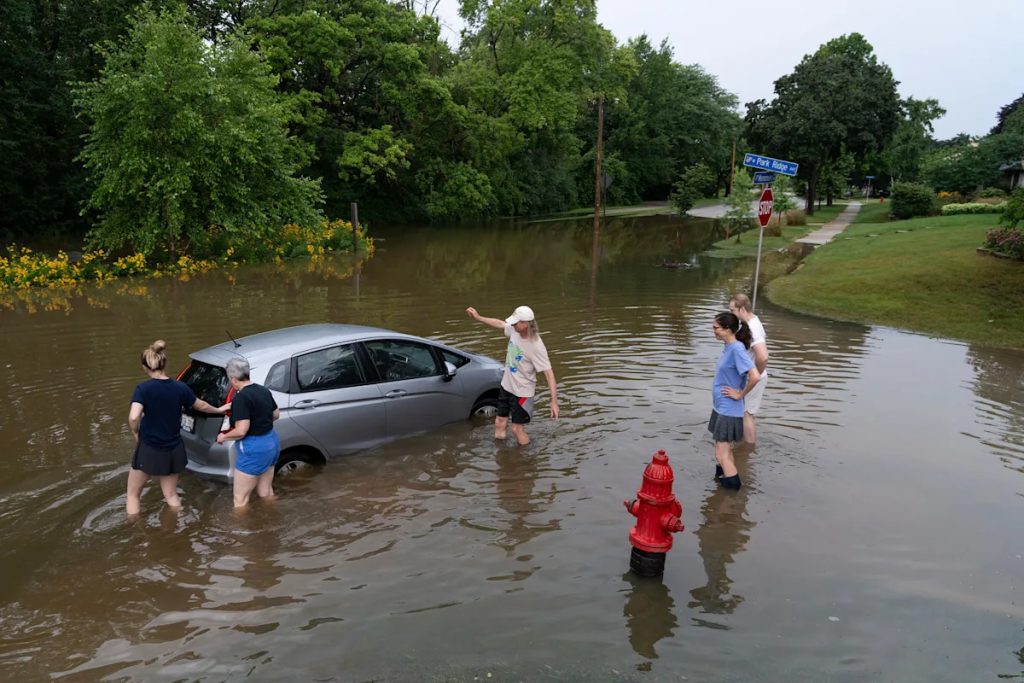
Have you ever wondered if your car insurance will protect you when floods strike? Imagine waking up to find your vehicle submerged in water after heavy rains.
It’s a stressful situation, and the last thing you want is to be left guessing whether your insurance has you covered. Understanding what your policy includes can save you time, money, and frustration. You’ll discover exactly how flood damage is handled by car insurance, what you need to look out for, and how to make sure you’re fully protected when the unexpected happens.
Keep reading to find out if your peace of mind is just a policy update away.
Flood Damage And Car Insurance
Floods can cause serious damage to vehicles. Many people wonder if car insurance covers flood damage.
Understanding your insurance policy helps you know what protection you have against floods.
Types Of Car Insurance Coverage
Car insurance has different types of coverage. Each type protects you in various situations.
Some cover accidents, theft, or weather-related damage like floods.
- Liability coverage pays for damage to others
- Collision coverage covers crashes with objects or cars
- Comprehensive coverage protects against non-collision damage
Flood Damage And Standard Policies
Most standard car insurance policies do not cover flood damage. Flood damage is usually part of comprehensive coverage.
If you only have liability or collision coverage, flood damage is not covered.
- Comprehensive coverage pays for flood damage
- It covers water damage from storms or rising water
- You must have this coverage to claim flood damage

Credit: www.business-standard.com
Comprehensive Coverage And Floods
Floods can cause serious damage to cars. Many people wonder if car insurance covers flood damage.
Comprehensive coverage is the part of car insurance that may cover floods. It is important to know what it includes.
What Comprehensive Insurance Covers
Comprehensive insurance protects your car from many types of damage. It covers things other than collisions.
This coverage often includes damage from theft, fire, vandalism, and natural events like floods.
- Theft or vandalism
- Fire damage
- Falling objects
- Natural disasters, including floods
- Animal collisions
When Flood Damage Is Included
Flood damage is usually covered if you have comprehensive insurance. It pays for repairs or replacement.
If your car is damaged in a flood, comprehensive coverage helps cover costs. This includes water damage inside and outside the car.
- Water entering the engine
- Damage to electrical systems
- Mold or corrosion inside the vehicle
- Broken windows from flood debris
Filing A Flood Damage Claim
Flood damage is often not covered by standard car insurance. You may need separate flood insurance. If your car is damaged by flood, you can file a claim to seek compensation.
Filing a claim quickly can help you get the money you need to repair or replace your car. Understanding the process makes it easier to handle the situation.
Steps To Take After Flood Damage
First, make sure you are safe and away from floodwater. Do not try to start your flooded car. Contact your insurance company as soon as possible to report the damage.
Take photos of the damage before moving the car. Keep any receipts for towing or repairs. Follow your insurer’s instructions carefully for the next steps.
- Ensure personal safety first
- Do not start the car
- Call your insurance company immediately
- Take photos of the damage
- Keep repair and towing receipts
- Follow the insurer’s guidance
Documentation And Evidence Needed
You need to provide proof of damage when filing a claim. This helps the insurer verify your case and process your claim faster.
Keep all documents related to the flood and your car. This includes photos, repair bills, police reports, and any communication with your insurer.
- Clear photos of flood damage
- Repair and towing bills
- Insurance policy documents
- Police or official flood reports
- Communication records with the insurer
Costs And Deductibles
Flood damage is a serious problem for many car owners. Not all car insurance policies cover floods. Understanding costs and deductibles helps you prepare for possible expenses.
Flood damage can lead to high repair costs. Knowing how deductibles work is important before filing a claim.
Understanding Deductibles For Flood Claims
A deductible is the amount you pay before insurance covers the rest. For flood claims, deductibles can vary by policy. Some policies have specific deductibles for flood damage.
Higher deductibles usually mean lower premiums but more out-of-pocket costs if you file a claim. Check your policy to see your flood deductible amount.
- Deductible amount varies by insurer
- Separate flood deductible may apply
- Higher deductible lowers premium cost
- Lower deductible means higher upfront premium
How Flood Damage Affects Premiums
Flood damage claims can increase your insurance premiums. Insurers see flood claims as a higher risk. This risk may cause your rates to rise at renewal time.
Repeated flood claims lead to bigger premium increases. Some insurers may even refuse to renew your policy after many flood claims.
- Flood claims raise insurance risk
- Higher risk leads to higher premiums
- Multiple claims can cause refusal to renew
- Keeping claims low helps control costs
Preventing Flood Damage To Your Car
Floods can cause serious damage to vehicles. Knowing how to protect your car helps reduce costly repairs. Taking simple steps before floods can save your car from water harm.
Car insurance may not cover all flood damages. Preventing damage is the best way to avoid problems and expenses.
Parking Tips During Flood Warnings
Finding a safe place to park during flood warnings protects your car. Avoid low-lying areas and spots prone to water buildup.
- Park on higher ground or elevated parking lots
- Do not park near rivers, lakes, or drainage areas
- Use garages or covered areas to keep your car dry
- Stay away from underground parking that can flood quickly
- Check local flood alerts and move your car early
Maintenance To Reduce Flood Risk
Regular car maintenance lowers the risk of flood damage. Make sure seals and parts keep water out effectively.
| Maintenance Task | Reason |
| Check door and window seals | Prevent water leaks inside the car |
| Inspect and clean drainage holes | Allow water to flow out, not inside |
| Maintain battery and electrical systems | Reduce risk of short circuits from water |
| Keep engine air intake above flood level | Prevent water from entering the engine |
| Store car documents in waterproof case | Protect important papers from damage |

Credit: www.thezebra.com
Additional Protection Options
Standard car insurance often does not cover flood damage. You can add extra protection to keep your vehicle safe from floods.
These extra options help cover costs if your car floods. They give you peace of mind during storms and heavy rain.
Flood Insurance For Vehicles
Flood insurance for vehicles protects your car against water damage. It covers repairs or replacement after a flood event.
This coverage is usually part of a comprehensive auto insurance policy. You may need to check your policy details or add it separately.
- Covers damage from rising water or flash floods
- Includes repairs for engine, electrical systems, and interior
- Helps pay for a rental car while yours is fixed
- May require higher premiums due to flood risk
Other Specialized Coverage Plans
Some insurers offer special plans for flood-prone areas. These plans give extra protection beyond standard policies.
They may include coverage for roadside assistance or loss of use. These plans suit drivers in flood-risk zones.
- Roadside assistance during flood emergencies
- Coverage for water damage from storms or hurricanes
- Protection for aftermarket parts damaged by water
- Options for lowered deductibles on flood claims

Credit: insurance-edge.net
Frequently Asked Questions
Does Car Insurance Cover Flood Damage?
Most standard car insurance policies do not cover flood damage. You typically need comprehensive coverage for protection against floods. This coverage includes damages from natural disasters like floods, hurricanes, or heavy rain. Always review your policy to ensure you have the necessary coverage for flood-related incidents.
What Is Comprehensive Car Insurance Coverage?
Comprehensive car insurance covers non-collision damages to your vehicle. This includes theft, vandalism, and natural disasters like floods or storms. It provides a broader scope of protection compared to standard policies. For flood protection, comprehensive coverage is essential. Check your policy details to confirm what is included.
Can I Add Flood Coverage To My Policy?
Yes, you can add flood coverage by opting for comprehensive insurance. This addition will cover flood-related damages. Contact your insurance provider to discuss adding comprehensive coverage. Ensure your vehicle is protected from natural disasters and unexpected events like floods and heavy rainfall.
How Can I Claim Flood Damage On Car Insurance?
To claim flood damage, report the incident to your insurer immediately. Provide details and evidence, such as photos. Your insurer will guide you through the claims process. Ensure you have comprehensive coverage to qualify for flood damage claims. Prompt reporting and documentation are crucial for successful claims.
Conclusion
Flood damage usually needs comprehensive car insurance to be covered. Standard policies often exclude flood protection. Knowing your policy details can save you money and stress. Consider adding flood coverage if you live in risky areas. Quick action after a flood can help with claims.
Stay informed and prepared to protect your vehicle. Floods cause serious damage, but the right insurance helps. Don’t wait until disaster strikes to check your coverage. Protect your car and peace of mind with proper insurance.