Have you ever spotted a fuzzy caterpillar crawling on a tree and wondered if it could be dangerous? Forest tent caterpillars are common in many areas, but you might be asking yourself: Are forest tent caterpillars poisonous?
Knowing the truth can help you protect yourself and your family, especially if you have kids or pets who love exploring outside. Keep reading to discover what you really need to know about these curious insects—and why they might not be as harmful as you think.

Credit: extension.msstate.edu
Forest Tent Caterpillar Basics
Forest tent caterpillars are common insects found in many forests. They are known for their unique appearance and their impact on trees.
People often wonder if these caterpillars are poisonous. Learning their basics helps to understand them better.
Physical Features
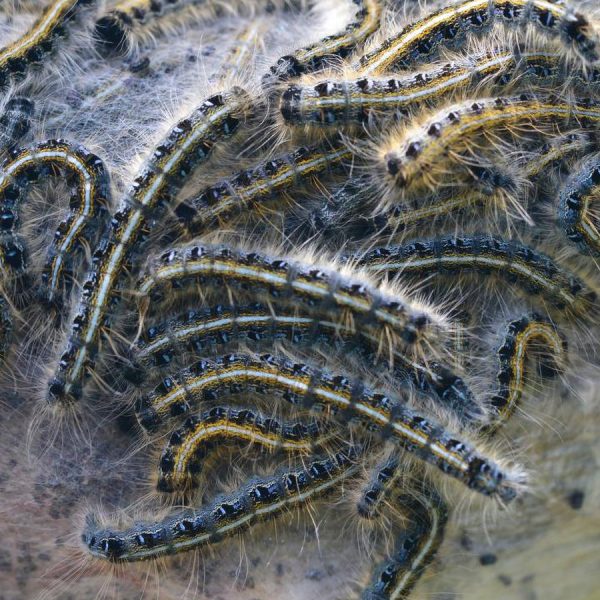
Forest tent caterpillars have blue and black bodies with white spots. They grow up to two inches long. Their heads are black with light markings.
- Blue and black body colors
- White keyhole-shaped spots along the back
- Black head with white designs
- About 2 inches in length when fully grown
Life Cycle
The life cycle of forest tent caterpillars has four main stages. These stages show how they grow and change over time.
| Stage | Description |
| Egg | Laid in rings on tree branches in late spring |
| Larva | Caterpillar stage that feeds on leaves |
| Pupa | Stage where caterpillar forms a cocoon |
| Adult | Moth that emerges to start the cycle again |
Habitat And Range
Forest tent caterpillars live mostly in hardwood forests. They prefer trees like oak and aspen.
They are found in many parts of North America. Their range covers areas from Canada to the southern United States.
- Hardwood forests
- Oak, aspen, and other deciduous trees
- North America wide range
- Common in both Canada and U.S.
Caterpillar Defense Mechanisms
Forest tent caterpillars have ways to protect themselves from predators. They use different tricks to stay safe. These defense mechanisms help them survive in the wild.
Understanding these defenses can help us know if they are harmful or not. Let’s look at how they protect themselves and clear up common myths.
How They Protect Themselves
Forest tent caterpillars use their colors and patterns to blend in with tree bark and leaves. This camouflage helps them hide from birds and other animals.
They also stay in groups to appear bigger and scare away some predators. When threatened, they may drop from the tree to escape quickly.
- Camouflage with tree bark and leaves
- Group living to look larger
- Dropping from branches to escape danger
Common Misconceptions
Many people think forest tent caterpillars are poisonous. This is not true. They do not have venom or toxins that can harm humans.
The tiny hairs on their bodies may cause mild skin irritation in some people. This reaction is rare and usually not serious.
- They are not poisonous or venomous
- Hairs may cause mild skin irritation
- They are mostly harmless to humans
Toxicity Myths
Forest tent caterpillars are common in North America. Many people worry if they are poisonous. Let’s explore the myths around their toxicity.
Some believe these caterpillars can harm humans and pets. This has led to many myths about their danger. Understanding the truth is important.
Are They Poisonous To Humans?
Forest tent caterpillars are not poisonous to humans. They do not have venom or harmful chemicals. Touching them will not cause harm.
People might confuse them with other harmful insects. It’s important to know that they are safe and cause no danger to humans.
Effects On Pets And Wildlife
These caterpillars are not toxic to pets. Dogs and cats can be curious, but touching or eating them is not harmful.
Wildlife like birds and small mammals often eat them. They are a part of the natural food chain and safe for other animals.
- Not harmful to human skin
- Safe for curious pets
- Part of wildlife diet
Health Risks From Contact
Forest tent caterpillars are common in many areas during spring and early summer. People often wonder if touching these insects can cause health problems. Understanding the risks helps you stay safe while outdoors.
These caterpillars have tiny hairs that can irritate your skin. Some people may have stronger reactions than others. It is important to learn what to watch for and how to prevent problems.
Skin Reactions And Allergies
Contact with forest tent caterpillars can cause several skin reactions. The tiny hairs sometimes break off and stick to your skin. This can lead to itching, redness, and swelling. Some people may develop a rash or hives.
- Itching or burning sensation
- Red or swollen skin areas
- Small bumps or rash
- Hives in sensitive individuals
- Possible eye irritation if hairs get near eyes
Preventing Irritation
Protecting yourself from forest tent caterpillar hairs is the best way to avoid irritation. You can take simple steps to reduce contact and keep your skin safe.
| Prevention Tips | Details |
| Wear long sleeves and pants | Covers skin and blocks hairs |
| Avoid touching caterpillars | Reduces direct contact with hairs |
| Use gloves when handling | Protects hands from irritation |
| Wash skin after exposure | Removes hairs and reduces reaction |
| Keep pets away | Prevents their contact with caterpillars |
Environmental Impact
Forest tent caterpillars are insects that live in many forests. They can change how trees and other plants grow.
People often wonder if these caterpillars are harmful to the environment. This section explains their effects on forests.
Role In Forest Ecosystems
Forest tent caterpillars serve as food for many birds and animals. They help keep the food chain balanced.
Their feeding also helps some trees grow stronger by removing old leaves. This can allow sunlight to reach smaller plants.
Defoliation Effects
These caterpillars eat many leaves from trees in large groups. This can cause defoliation, or leaf loss, on trees.
Defoliation can slow tree growth and make trees weak. Trees may lose some leaves but usually recover after a season.
- Leaves loss reduces photosynthesis in trees
- Weakened trees are more open to diseases
- Repeated defoliation can cause tree death
- New growth may be slower after leaf loss

Credit: www.adamspestcontrol.com
Safe Interaction Tips
Forest tent caterpillars are common in many areas. People often wonder if these insects are poisonous. Knowing how to stay safe around them is important. This guide explains safe ways to interact with forest tent caterpillars.
Although forest tent caterpillars are not poisonous, they can cause skin irritation. It is best to handle them carefully and know when to get medical help if needed.
Handling Precautions
Do not touch forest tent caterpillars with bare hands. Their tiny hairs can irritate your skin or cause itching. Always use gloves if you need to move or remove them.
Avoid rubbing your eyes or face after touching caterpillars. Wash your hands with soap and water right away. Keep children and pets away from caterpillars to prevent irritation.
- Wear gloves when handling caterpillars
- Do not touch your face after contact
- Wash hands thoroughly after contact
- Keep pets and children away
When To Seek Medical Help
If you develop a rash, swelling, or severe itching after touching a caterpillar, see a doctor. Some people may have allergic reactions that need treatment.
Go to the emergency room if you have trouble breathing, dizziness, or swelling of the face or throat. These symptoms can indicate a serious allergic reaction.
- Rash or persistent itching
- Swelling or redness at contact site
- Difficulty breathing or swallowing
- Dizziness or fainting
Credit: urbanagcouncil.com
Frequently Asked Questions
Are Forest Tent Caterpillars Poisonous To Humans?
No, forest tent caterpillars are not poisonous to humans. They do not have venom or toxins that cause harm. However, their hairs may cause mild skin irritation or allergic reactions in sensitive individuals.
Can Forest Tent Caterpillars Harm Pets Or Animals?
Forest tent caterpillars are generally harmless to pets and animals. They do not produce toxins that affect animals. Still, pets should avoid eating them to prevent mild stomach upset or allergic reactions.
Do Forest Tent Caterpillars Cause Allergic Reactions?
Some people may experience mild allergic reactions from contact with forest tent caterpillar hairs. Symptoms include itching, redness, or rash. These reactions are usually temporary and not serious.
How To Safely Remove Forest Tent Caterpillars?
Wear gloves and protective clothing when removing forest tent caterpillars. Use gentle methods like handpicking or a soft brush. Avoid direct skin contact to prevent irritation.
Conclusion
Forest tent caterpillars are not poisonous to people. They do not sting or bite. Some people may feel skin irritation if they touch them. Still, these caterpillars mainly eat tree leaves and cause little harm. Watching them can be interesting and safe.
Knowing facts helps avoid fear and confusion. Keep a close eye but stay calm. Nature often surprises us in gentle ways.