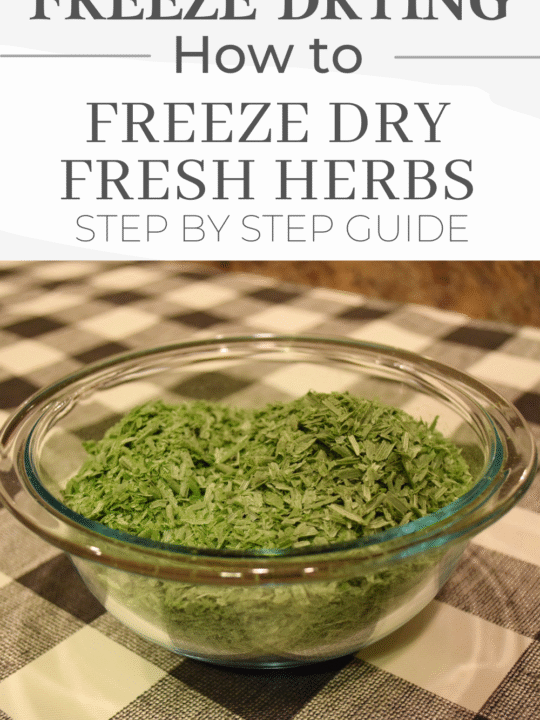
Have you ever found yourself in the kitchen, ready to whip up your favorite dish, only to realize you’re out of fresh chives? It’s a common dilemma, and you might wonder if freeze dried chives can save the day.
Are they really as good as the fresh ones you love? This question might have crossed your mind more than once. After all, nobody wants to compromise on flavor. We’ll explore the differences and similarities between freeze dried and fresh chives.
You’ll discover which option packs more punch, retains more nutrients, and fits best with your culinary needs. Stick around to find out if freeze dried chives can truly compete with their fresh counterpart. You might be surprised by what you learn!

Credit: thehomeinhomestead.com
Fresh Vs Freeze Dried
Choosing between fresh and freeze dried chives can change how your dishes turn out. Both have their place in the kitchen, but their differences might surprise you. Let’s break down what sets them apart so you can decide which one fits your cooking style best.
Texture Differences
Fresh chives have a crisp, tender texture that adds a subtle crunch to salads and garnishes. When you bite into fresh chives, you get that fresh snap that enhances your eating experience.
Freeze dried chives, on the other hand, lose their crunch because the drying process removes moisture. They rehydrate well in soups and sauces, but they won’t provide the same fresh bite as the raw version. If texture matters in your recipe, fresh is the way to go.
Flavor Profiles
Fresh chives offer a mild onion-like flavor with a hint of garlic that brightens dishes instantly. Their flavor is vibrant and can really lift simple meals like scrambled eggs or baked potatoes.
Freeze dried chives maintain most of their flavor but with a slightly muted punch. Sometimes they taste a bit more concentrated or earthy after rehydrating, which can work well in cooked dishes but might feel less lively raw. Think about whether you want a fresh pop or a subtle background note.
Nutritional Content
Fresh chives are packed with vitamins A and C, along with antioxidants that support your immune system. Eating them raw preserves these nutrients best.
Freeze drying preserves most of the nutrients since it removes moisture without heat. However, some vitamin C can degrade over time. If you rely on chives as a nutrient boost, fresh will generally give you a slight edge.
Have you noticed how your dishes change when you swap fresh for freeze dried? Experiment with both to find the balance between convenience and flavor that works for you.
Taste Test Setup
Setting up a taste test to compare freeze dried chives with fresh ones requires careful planning. You want to make sure the results are fair, clear, and insightful. The setup involves choosing the right samples, deciding how to test, and selecting the right people to participate.
Selection Criteria
The chives had to be as similar as possible in quality and origin. Fresh chives were picked from a local organic farm the same morning of the test. Freeze dried chives were sourced from a trusted brand known for preserving flavor.
Both types were checked for freshness and appearance. No additives or extra seasonings were used to keep the taste pure. The goal was to compare the natural flavor and texture of each.
Testing Method
Participants tasted the chives in two ways: raw and mixed into a simple dish. This helped capture differences in flavor and aroma in different contexts. The dishes were identical except for the chives.
To avoid bias, a blind test was used. Participants didn’t know which type they were tasting. They rated each sample on flavor, aroma, texture, and overall preference using a simple scorecard.
Participant Demographics
The taste test included 20 people with a mix of cooking experience. Some were food enthusiasts, while others cooked occasionally. This variety gave a broader view of how chives are perceived.
Participants ranged in age from 18 to 55, with equal numbers of men and women. Their feedback provided insights into whether freeze dried chives can satisfy different palates and uses.
Flavor Comparison Results
Comparing the flavor of freeze dried chives to fresh ones reveals some interesting differences and similarities. The way you use chives—whether raw, cooked, or just by smelling—can change your experience with their flavor. Let’s break down how each form stacks up in these key areas.
Raw Taste
When you taste fresh chives raw, you get a bright, sharp onion flavor with a hint of grassiness. Freeze dried chives, on the other hand, lose some of that crispness and intensity. They still offer a mild onion taste but feel less vibrant and a bit muted.
If you want that punchy freshness in salads or as a garnish, fresh chives are hard to beat. But freeze dried chives can still add a subtle onion note when you don’t have fresh ones on hand. Have you tried sprinkling freeze dried chives on your sandwich to see how close they come?
Cooked Taste
Once cooked, fresh chives mellow out and blend smoothly into dishes, adding a gentle onion flavor without overpowering. Freeze dried chives rehydrate quickly and surprisingly retain a good amount of their flavor after cooking.
In soups, scrambled eggs, or sauces, freeze dried chives can be just as useful as fresh ones. They don’t provide the same texture, but their flavor holds up well. If you’re cooking something where texture isn’t a priority, freeze dried chives may even be more convenient.
Aroma Assessment
Fresh chives release a strong, inviting aroma that instantly signals their oniony freshness. Freeze dried chives have a noticeably weaker smell before they’re rehydrated or heated.
However, once added to hot dishes, freeze dried chives release a pleasant aroma, though it’s not quite as vibrant. This difference might affect your cooking experience if you rely on smell to judge ingredient freshness. Do you find aroma important in your cooking process?
Usage In Cooking
Chives are a versatile herb used to add a mild onion flavor to many dishes. Both fresh and freeze dried chives can enhance meals, but their uses in cooking differ. Understanding these differences helps choose the right form for each recipe.
Best Dishes For Fresh Chives
- Salads – fresh chives add a crisp, bright taste.
- Omelets and scrambled eggs – they bring a subtle onion flavor.
- Soups – fresh chives give a fresh garnish and light taste.
- Potato dishes – like baked or mashed potatoes for added freshness.
- Herb butters and spreads – fresh chives blend well for creamy textures.
Best Dishes For Freeze Dried Chives
- Seasoning blends – freeze dried chives mix easily with dry spices.
- Instant soups and sauces – they rehydrate quickly in hot liquids.
- Snack toppings – sprinkle on popcorn or chips for flavor.
- Casseroles – freeze dried chives hold flavor during baking.
- Dry rubs for meats – they add mild onion notes without moisture.
Substitution Tips
Freeze dried chives are more concentrated than fresh ones. Use one-third the amount of freeze dried in place of fresh. Add freeze dried chives earlier in cooking to allow rehydration. Use fresh chives as a final garnish to keep texture and color. Store freeze dried chives in a sealed container to keep flavor strong. Both forms add flavor but suit different cooking needs.
Shelf Life And Storage
Understanding the shelf life and proper storage of chives can help you decide whether freeze dried chives meet your needs as well as fresh ones. Both forms have unique storage requirements that affect their flavor, texture, and usability over time. Let’s look at how you can keep fresh and freeze dried chives at their best.
Fresh Chives Storage
Fresh chives are delicate and need careful handling to stay fresh. You can wrap them loosely in a damp paper towel and place them in a plastic bag inside the refrigerator. This method usually keeps them fresh for about one week.
If you want to extend their life, try storing chives upright in a glass of water with a plastic bag loosely covering the top. Changing the water every couple of days can help maintain their freshness longer.
Freeze Dried Chives Storage
Freeze dried chives have a much longer shelf life than fresh ones, often lasting up to 2-3 years if kept properly. The key is to store them in a cool, dry place away from sunlight.
Use airtight containers or resealable bags with oxygen absorbers to keep moisture and air out. This prevents clumping and helps preserve their flavor and aroma better than fresh chives.
Cost And Convenience
Think about your cooking habits when choosing between fresh and freeze dried chives. Freeze dried chives may cost more upfront but save money over time since they last longer and reduce waste.
They’re also super convenient—no need to worry about wilting or chopping fresh herbs every few days. Have you ever thrown away fresh chives because they went bad too quickly? Freeze dried chives could be a practical solution to that problem.

Credit: thehomeinhomestead.com
Final Verdict
Deciding between freeze dried and fresh chives depends on what you need for your cooking and lifestyle. Both options have their strengths, and knowing when to use each can make your dishes better and your kitchen experience easier.
When To Choose Fresh
Fresh chives shine in dishes where their crisp texture and vibrant flavor matter most. If you’re making salads, garnishes, or recipes where chives are the star, fresh is the way to go. The bright, onion-like taste and the slight crunch make a noticeable difference that freeze dried can’t match.
Think about those moments when you want to impress guests or enjoy a fresh herb experience. Fresh chives also work better when you need to cook them lightly, preserving their delicate aroma and color.
When Freeze Dried Works
Freeze dried chives are excellent for convenience and long-term storage. Their flavor stays surprisingly close to fresh once rehydrated, making them perfect for soups, stews, and slow-cooked dishes. You can keep them on hand without worrying about spoilage.
They save you prep time and reduce waste since you use exactly what you need. If you’ve ever been caught without fresh herbs while cooking, you know how valuable freeze dried options can be.
Overall Recommendations
- Use fresh chiveswhen texture and bright, fresh flavor are crucial to your dish.
- Choose freeze driedfor ease, longer shelf life, and cooking situations where texture is less important.
- Try combining both:fresh for garnish, freeze dried in cooking, to get the best of both worlds.
What matters most is matching your choice to your cooking style and needs. Have you tried swapping fresh for freeze dried in a favorite recipe? How did it change the flavor or convenience for you?

Credit: thehomeinhomestead.com
Frequently Asked Questions
Are Freeze Dried Chives As Flavorful As Fresh Chives?
Freeze dried chives retain most flavor but are milder than fresh ones. They work well in cooked dishes but lack the fresh chive’s sharpness.
How Does Freeze Drying Affect Chive Nutrients?
Freeze drying preserves most nutrients in chives better than other drying methods. Vitamins and antioxidants remain largely intact after freeze drying.
Can Freeze Dried Chives Replace Fresh In Recipes?
Yes, freeze dried chives can substitute fresh chives in cooked recipes. However, they are less suitable for fresh garnishes due to texture changes.
What Is The Shelf Life Of Freeze Dried Chives?
Freeze dried chives have a long shelf life, typically 1 to 2 years. Proper storage in airtight containers keeps them fresh and flavorful.
Conclusion
Freeze dried chives keep much of their flavor and aroma. They last longer than fresh chives and are easy to store. Fresh chives offer a brighter taste and crisp texture. Both forms work well in cooking, depending on the dish.
Choose freeze dried for convenience and shelf life. Pick fresh chives for salads and garnishes. Each has its place in the kitchen. Try both to see which you prefer. Simple, tasty, and useful either way.