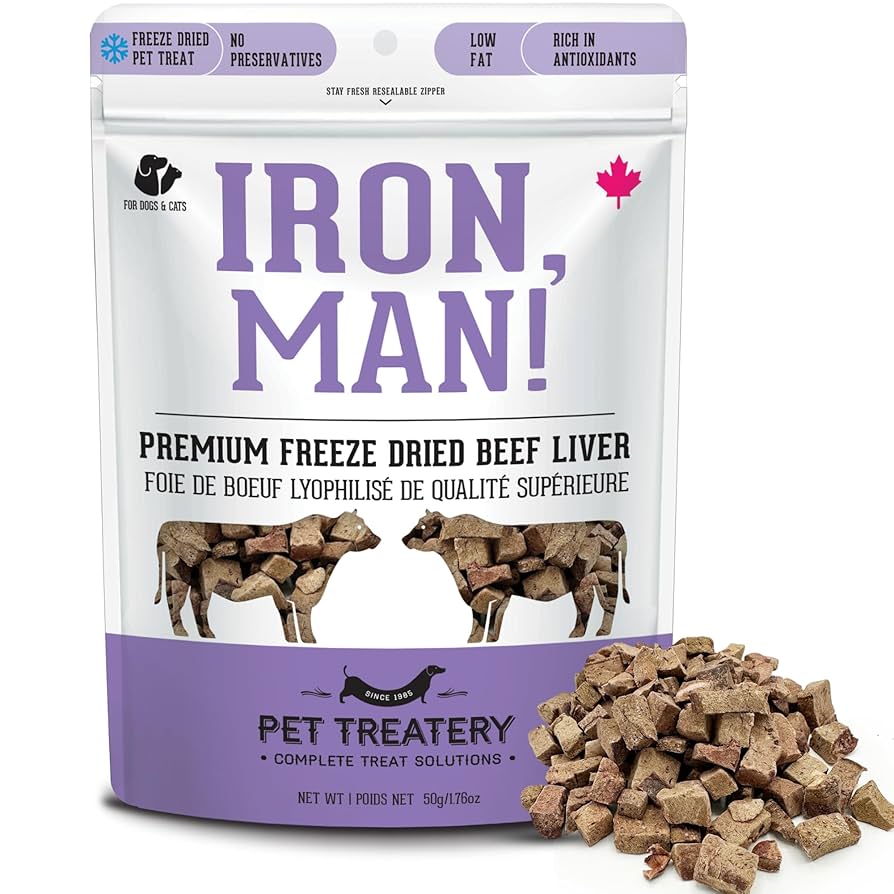
Have you ever wondered if the treats you’re giving your furry friend are truly beneficial? As a pet parent, you want nothing but the best for your dog, and that includes those tasty rewards they love so much.
Freeze dried liver treats have become increasingly popular, but are they really safe for your beloved companion? Imagine the peace of mind you’ll feel knowing exactly what goes into your dog’s treats and how they affect their health. Before you fill up your treat jar, dive into this article to uncover the truth about freeze dried liver treats and whether they’re a healthy choice for your pup.
Your dog’s health and happiness might just depend on it!
What Are Freeze Dried Liver Treats
Freeze dried liver treats are popular snacks for dogs. They come from real liver that is carefully preserved. This process removes moisture while keeping nutrients intact. These treats offer a healthy option compared to many processed snacks.
Dogs often find the taste and smell of freeze dried liver very appealing. The texture is light and crunchy, making it easy to break into smaller pieces. This makes them great for training or rewarding good behavior.
How Are Freeze Dried Liver Treats Made?
The liver is first cleaned and sliced into thin pieces. Then, it goes through a freeze drying process. This process freezes the liver quickly and removes water using low heat and vacuum pressure.
Removing moisture helps keep the treats fresh for a long time. It also preserves most of the liver’s nutrients and flavor.
What Nutrients Do Freeze Dried Liver Treats Contain?
- High levels of protein to support muscle health
- Rich in vitamins like A, B, and iron
- Contains minerals essential for overall dog health
- Low in fat compared to other meat treats
Why Choose Freeze Dried Liver Treats For Dogs?
They are natural with no added preservatives or chemicals. The treats keep their original nutrients because they are not cooked at high temperatures. Dogs enjoy their strong taste and smell. These treats are easy to store and carry during walks or trips.
Nutritional Benefits For Dogs
Freeze dried liver treats offer many nutritional benefits for dogs. These treats keep most nutrients intact because they undergo minimal processing. They provide a rich source of proteins and essential vitamins dogs need for good health.
Feeding dogs freeze dried liver can support strong muscles and healthy skin. The treats are packed with iron, which helps keep red blood cells healthy. This can improve energy levels and overall vitality in dogs.
High Protein Content
Freeze dried liver is loaded with high-quality protein. Protein helps build and repair muscles. It supports dogs’ immune systems and keeps their body strong. Protein also helps maintain healthy fur and skin.
Rich Source Of Vitamins
Liver treats contain many important vitamins like A, B12, and folate. Vitamin A supports vision and immune health. B vitamins help with energy production and brain function. Folate is important for cell growth and repair.
Minerals That Support Health
- Iron:Helps prevent anemia and boosts energy.
- Zinc:Supports skin health and wound healing.
- Copper:Aids in forming red blood cells and maintaining nerves.
Low In Carbohydrates
Freeze dried liver treats have very low carbohydrates. This makes them suitable for dogs on low-carb or grain-free diets. It helps keep dogs lean and supports good digestion.
Potential Health Risks
Freeze dried liver treats offer many benefits, but they also come with some health risks. It is important to be aware of these risks to keep dogs safe. Overfeeding or ignoring signs of trouble can lead to serious problems. Below are some potential health issues connected to these treats.
High Vitamin A Levels
Liver is very rich in vitamin A. Too much vitamin A can cause toxicity in dogs. Symptoms include bone pain, stiffness, and loss of appetite. Long-term overdosing may harm the liver and bones. Feeding treats in moderation helps avoid these risks.
Allergic Reactions
Some dogs may be allergic to liver or its proteins. Allergic reactions can cause itching, swelling, and skin rashes. Severe reactions might lead to breathing difficulties. Watch for any unusual signs after giving a treat.
Digestive Issues
Freeze dried liver treats are rich and dense. Eating too many can upset a dog’s stomach. Vomiting, diarrhea, or constipation may occur. Introducing treats slowly and in small amounts reduces digestive problems.

Credit: www.walmart.ca
Quality And Sourcing Concerns
Quality and sourcing of freeze dried liver treats play a huge role in determining their safety and health benefits for your dog. Not all liver treats are created equal—where the liver comes from and how it’s processed can make a big difference. Understanding these factors helps you make smarter choices for your furry friend’s diet.
Assessing The Source Of The Liver
Not all liver used in treats is sourced responsibly. Some come from animals raised with antibiotics or hormones, which can affect your dog’s health over time. Look for products that specify the liver is from grass-fed or organically raised animals.
Have you checked if the label mentions the origin? Transparency about sourcing is a good sign of quality. If a company can’t tell you where the liver comes from, it might be best to look elsewhere.
Impact Of Processing On Nutrient Retention
Freeze drying is a method that preserves nutrients better than traditional drying. However, the quality of the raw liver before processing matters just as much. If the liver is from poor-quality sources, even freeze drying won’t make the treat healthy.
Some brands add fillers or preservatives after freeze drying, which can reduce the treat’s nutritional value. Always check ingredient lists to avoid unnecessary additives that might harm your dog.
Certifications And Testing Standards
Quality freeze dried liver treats often come with certifications like USDA Organic or non-GMO labels. These certifications give you some assurance about how the liver was sourced and handled. But remember, certifications alone don’t guarantee the best quality.
Ask yourself if the company provides testing results for contaminants such as heavy metals or pathogens. Reliable brands often share this information openly to build trust with pet owners like you.
How To Safely Introduce Liver Treats
Introducing freeze dried liver treats to your dog requires care. Start slowly to avoid upsetting their stomach. These treats are rich in nutrients but can be heavy on digestion. A gradual approach helps your dog adjust well.
Recommended Serving Sizes
Offer small portions at first. For small dogs, 1 to 2 pieces are enough. Medium dogs can have 3 to 4 pieces. Larger dogs may handle 5 to 6 pieces. Avoid giving too many treats at once.
Keep treats under 10% of your dog’s daily calorie intake. Overfeeding can cause weight gain and nutrient imbalance. Use treats mainly for training or rewards.
Monitoring For Adverse Effects
Watch your dog closely after introducing liver treats. Look for signs like vomiting, diarrhea, or itching. These may signal an allergy or sensitivity. Stop giving treats if problems appear.
Check your dog’s energy and behavior. Changes could mean digestive issues. Consult a vet if any adverse effects last more than a day. Regular monitoring ensures your dog stays healthy and happy.
Alternatives To Freeze Dried Liver
Freeze dried liver treats are popular for dogs but not the only option. Dogs need variety in their snacks for balanced nutrition and enjoyment. Some alternatives provide similar benefits with different textures and flavors. These choices can be safer for dogs with sensitivities or dietary restrictions. Here are some healthy, tasty options to consider.
Dehydrated Meat Treats
Dehydrated meat treats keep most nutrients and offer a chewy texture dogs love. They come from chicken, beef, turkey, or fish. These treats are usually free from fillers and additives. They make a good protein source and are easy to digest.
Cooked Liver Pieces
Cooking liver at home allows control over ingredients and quality. Boiled or baked liver pieces are soft and safe for dogs. Avoid seasoning or oils. Small portions provide vitamins and minerals without overloading the dog’s diet.
Vegetable-based Treats
Some dogs enjoy crunchy vegetable treats like carrots or green beans. These low-calorie snacks add fiber and vitamins to their diet. They are gentle on the stomach and help with dental health by reducing plaque.
Commercial Grain-free Treats
Grain-free treats often use alternative ingredients suitable for sensitive dogs. They come in various flavors and textures. Look for products with simple, natural ingredients to avoid allergies and digestive issues.
Frozen Yogurt Treats
Frozen yogurt treats can cool dogs in hot weather. Use plain, unsweetened yogurt to avoid harmful additives. Small amounts support digestion with probiotics and calcium. Freeze the yogurt mixed with dog-safe fruits for a refreshing snack.
Expert Recommendations
Experts agree that freeze dried liver treats can be a healthy addition to your dog’s diet when used correctly. They emphasize moderation and quality as key factors in ensuring these treats benefit your furry friend. Let’s look at their recommendations to help you make informed choices.
Choosing High-quality Freeze Dried Liver Treats
Veterinarians recommend selecting treats made from 100% pure liver without additives or preservatives. Always check the ingredient list carefully; some products include fillers that may upset your dog’s stomach. Opt for brands that source liver from grass-fed or organically raised animals to ensure nutrient richness.
Feeding Frequency And Portion Control
Experts warn against overfeeding liver treats because of their high vitamin A content, which can be harmful in excess. A small piece once or twice a week is usually enough for most dogs. If your dog has health issues, consult your vet before adding liver treats to their routine.
Monitoring Your Dog’s Reaction
Watch for any signs of allergies or digestive upset when introducing freeze dried liver treats. Some dogs might develop itching, vomiting, or diarrhea if they are sensitive. Stop giving the treat immediately if you notice any adverse symptoms and discuss with your vet.
Balancing Liver Treats With Regular Diet
Freeze dried liver treats should complement, not replace, your dog’s balanced diet. Experts suggest using them as training rewards or occasional snacks rather than daily meals. This keeps your dog’s nutrition varied and prevents vitamin overload.

Credit: www.amazon.ca

Credit: www.renspets.com
Frequently Asked Questions
Are Freeze Dried Liver Treats Safe For Dogs?
Yes, freeze dried liver treats are generally safe for dogs. They retain nutrients and are free from additives. However, feed in moderation to avoid digestive upset or vitamin overdose. Always consult your vet before introducing new treats.
Can Freeze Dried Liver Treats Cause Allergies?
Freeze dried liver treats can cause allergies in some dogs. Watch for itching, swelling, or digestive issues. If symptoms appear, stop feeding and consult your vet. These treats are usually hypoallergenic but individual reactions vary.
How Often Should I Give Liver Treats To My Dog?
Limit liver treats to 1-2 times per week. Excess liver can lead to vitamin A toxicity. Use them as occasional rewards, not daily snacks. Balance with your dog’s overall diet for optimal health.
Do Freeze Dried Liver Treats Help With Dog Training?
Yes, freeze dried liver treats are highly palatable and motivate dogs. Their small size and strong aroma make them excellent training rewards. Use them sparingly to maintain effectiveness and avoid overfeeding.
Conclusion
Freeze dried liver treats can be a healthy snack for dogs in small amounts. They offer good nutrients and taste that many dogs enjoy. Too many treats, though, might cause stomach upset or too much vitamin A. Always watch your dog’s reaction and talk to your vet before adding new treats.
Balance is key to keeping your dog happy and healthy. Treats should never replace regular meals or proper exercise. Choose quality products and feed with care for the best results.