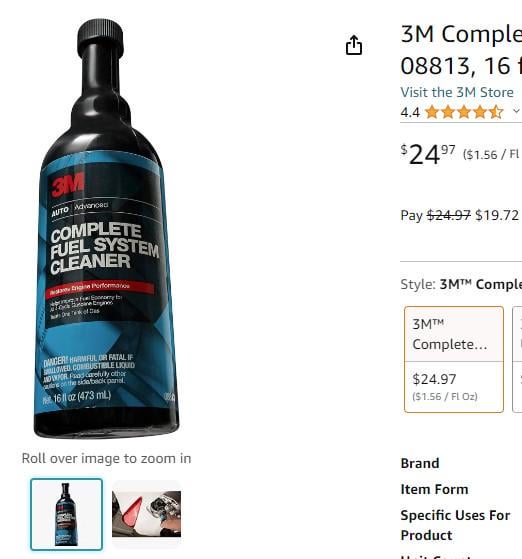
Have you ever wondered if fuel system cleaners really make a difference for your car? You’ve probably seen them on store shelves, promising better engine performance and improved fuel efficiency.
But do they actually work, or are they just another product that wastes your money? Understanding what these cleaners do and whether they’re worth your time and cash can save you frustration—and keep your vehicle running smoothly. Keep reading to discover the truth behind fuel system cleaners and find out if they are the right choice for your car’s health.
How Fuel Systems Work
The fuel system in a vehicle moves fuel from the tank to the engine. It mixes fuel with air for combustion. This process powers the engine and keeps the car running.
Fuel systems have many parts that must work well together. If one part fails, the engine may run poorly or stop working.
Key Components
The fuel system includes several important parts. Each part plays a role in delivering fuel efficiently.
- Fuel Tank:Stores the fuel safely until needed.
- Fuel Pump:Moves fuel from the tank to the engine.
- Fuel Filter:Removes dirt and debris from fuel.
- Fuel Injectors:Spray fuel into the engine’s air stream.
- Carburetor:Mixes fuel and air in older cars.
- Fuel Lines:Carry fuel through the system.
Common Issues
Fuel systems can face many problems. These issues affect engine performance and fuel efficiency.
| Issue | Cause | Effect |
| Clogged Fuel Filter | Dirt buildup | Reduced fuel flow |
| Faulty Fuel Pump | Wear or electrical failure | Engine stalls or won’t start |
| Dirty Fuel Injectors | Residue and deposits | Poor engine performance |
| Leaking Fuel Lines | Cracks or damage | Fuel loss and safety risk |
| Bad Fuel Quality | Contaminated or old fuel | Engine knocking and damage |

Credit: www.reddit.com
Purpose Of Fuel System Cleaners
Fuel system cleaners help keep a car’s engine running smoothly. They remove dirt and deposits from fuel injectors and intake valves.
These cleaners improve fuel flow and engine performance. They can also reduce harmful emissions and increase fuel efficiency.
Types Of Cleaners
There are different fuel system cleaners made for specific parts of the fuel system. Some focus on the fuel injectors, while others clean the entire system.
- Fuel injector cleaners: Clean small openings where fuel sprays into the engine.
- Intake valve cleaners: Remove deposits from valves that control air flow.
- Carburetor cleaners: Used in older cars to clean the carburetor system.
- Complete fuel system cleaners: Clean all parts, including injectors, valves, and combustion chambers.
How They Work
Fuel system cleaners contain special chemicals that break down dirt and deposits. These chemicals mix with the fuel and flow through the system during normal driving.
As the cleaner moves through the fuel lines, it dissolves buildup on injectors and valves. This helps restore proper fuel spray and air flow.
- Cleaner mixes with fuel in the tank
- It travels through fuel lines to engine parts
- Deposits and dirt dissolve and are burned off
- Engine runs more efficiently with cleaner parts
Benefits Of Using Cleaners
Fuel system cleaners help keep your engine clean. They remove deposits from fuel injectors and intake valves. This can improve how your vehicle runs.
Using these cleaners regularly may protect your engine and extend its life. They work by cleaning parts that affect fuel flow and combustion.
Improved Performance
Clean fuel systems allow the engine to run smoothly. Deposits can cause rough idling and hesitation. Cleaners help reduce these problems and restore engine power.
- Smoother acceleration
- Reduced engine knocking
- Better throttle response
- Less stalling or misfires
Fuel Efficiency
Deposits in the fuel system can lower fuel economy. Cleaners remove these build-ups so fuel burns more completely. This helps your vehicle use less gas over time.
| Condition | Effect on Fuel Use |
| Dirty injectors | Higher fuel consumption |
| Clean injectors | Improved fuel economy |
| Clogged intake valves | Poor fuel spray |
| Clean intake valves | Efficient combustion |
Emission Reduction
Fuel system cleaners help lower harmful emissions. Deposits cause incomplete fuel burning, which raises pollution. Cleaning the system reduces smoke and toxic gases.
- Less carbon monoxide
- Lower hydrocarbons
- Reduced nitrogen oxides
Potential Drawbacks
Fuel system cleaners can help remove deposits from your engine parts. Still, they may have some drawbacks that you should know about. It is important to consider these before regular use.
Understanding the risks can help you decide if these products are right for your vehicle. Below, we look at two key concerns: overuse risks and compatibility concerns.
Overuse Risks
Using fuel system cleaners too often can cause problems. These products contain chemicals that may damage engine parts if used excessively.
- Damage to rubber seals and gaskets
- Possible harm to fuel injectors
- Increased wear on engine components
- Risk of upset fuel mixture leading to rough idling
- Wasting money on unnecessary treatments
It is best to follow the manufacturer’s guidelines for use. Overuse does not improve performance and may reduce engine life.
Compatibility Concerns
Not all fuel system cleaners work well with every vehicle type. Some formulas may not suit specific engines or fuel types.
| Fuel System Cleaner Type | Compatible Fuel Types | Engine Types |
| Gasoline-based | Regular and premium gasoline | Most gasoline engines |
| Diesel-based | Diesel fuel only | Diesel engines |
| Universal | Gasoline and diesel | Some engines, check label |
| High-performance formulas | Premium fuels | Turbocharged and high-compression engines |
Check the product label carefully. Using the wrong cleaner can cause poor engine performance or damage.
Expert Opinions
Fuel system cleaners are popular among car owners who want to keep engines running smoothly. Experts in the automotive field have varied opinions about their effectiveness.
Understanding what mechanics and engineers say can help you decide if these products are worth using.
Mechanics’ Perspectives
Many mechanics see fuel system cleaners as helpful for certain engine problems. They often recommend them for cars with older engines or those showing signs of poor fuel efficiency.
- Clean carbon deposits from fuel injectors
- Improve engine performance and smooth idling
- Reduce emissions and fuel consumption
- Help prevent costly repairs by maintaining fuel flow
- Not a fix for serious mechanical issues
Automotive Engineers’ Views
Automotive engineers focus on scientific testing and data. They say fuel system cleaners can work but only under specific conditions. They stress proper maintenance as the best way to keep engines clean.
| Aspect | Fuel System Cleaner Impact |
| Light Deposits | Effective in removing buildup |
| Heavy Deposits | Limited effect; may need professional cleaning |
| Engine Type | Varies; some modern engines less affected |
| Regular Use | Can help maintain fuel system health |
| Severe Issues | Not a replacement for repairs |

Credit: www.reddit.com
When To Use Fuel System Cleaners
Fuel system cleaners help remove dirt and buildup in your car’s fuel system. Using them at the right time can keep your engine running smoothly.
Knowing when to use these cleaners can save your car from performance problems and improve fuel efficiency.
Maintenance Schedules
Some car makers recommend using fuel system cleaners as part of regular maintenance. This depends on your car model and driving habits.
Using fuel system cleaners every 10,000 to 15,000 miles can help prevent buildup before it causes problems.
- Check your vehicle’s owner manual for advice
- Use cleaners more often if you drive in dusty or dirty areas
- Consider cleaners during oil changes or tune-ups
Signs Your System Needs Cleaning
Sometimes your car shows clear signs that the fuel system needs cleaning. Watch for changes in how your car runs.
Ignoring these signs can lead to poor engine performance and higher fuel use.
- Engine runs rough or stalls often
- Reduced fuel efficiency or more trips to the gas station
- Slow acceleration or loss of power
- Check engine light turns on
- Strong fuel smell around the car
Diy Tips And Best Practices
Fuel system cleaners can help keep your engine running smoothly. Using them the right way saves you money and time. This guide shares simple tips on how to choose and use these cleaners safely.
Knowing the best practices helps you avoid damage. Follow these easy steps for better results when cleaning your fuel system yourself.
Choosing The Right Cleaner
Pick a cleaner that fits your vehicle’s needs. Look for products that match your engine type and fuel. Check the label for instructions and safety warnings.
- Choose cleaners made for gasoline or diesel engines
- Check if the cleaner removes carbon deposits and improves fuel flow
- Look for products with trusted certifications or approvals
- Avoid cleaners with harsh chemicals that may harm your engine
Application Guidelines
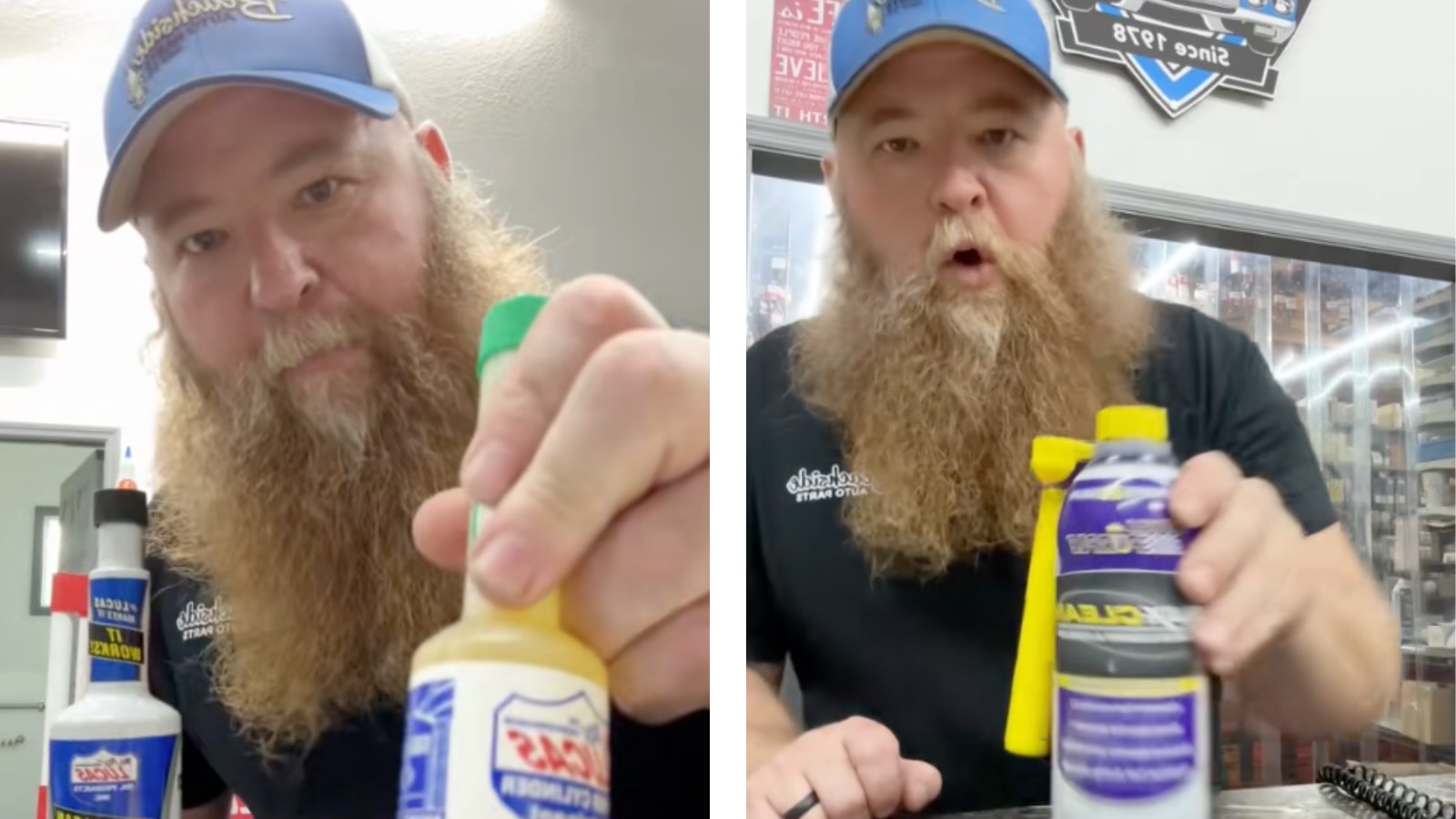
Follow clear steps to apply fuel system cleaners safely. Read the instructions carefully before use. Use the cleaner in a well-ventilated area and avoid spilling it on hot parts.
| Step | Action | Tip |
| 1 | Check fuel level | Use cleaner when tank is near empty |
| 2 | Add cleaner to fuel tank | Pour slowly to avoid spills |
| 3 | Fill tank with fuel | Use recommended fuel type |
| 4 | Drive normally | Allow cleaner to circulate through system |
| 5 | Repeat if needed | Follow product guidelines for frequency |
Credit: www.motorbiscuit.com
Alternatives To Cleaners
Fuel system cleaners are popular, but there are other ways to keep your engine clean. These options can help avoid buildup and improve engine health.
Here are some alternatives to using fuel system cleaners that can maintain your vehicle’s fuel system effectively.
Professional Servicing
Taking your car to a mechanic for regular servicing can keep the fuel system clean. Professionals use special tools to clean parts thoroughly.
They inspect the fuel injectors, fuel lines, and filters for any dirt or clogs. This helps the engine run smoothly and last longer.
- Fuel injector cleaning
- Replacing fuel filters
- Inspecting fuel lines for leaks
- Checking engine performance
Fuel Quality Improvements
Using good quality fuel reduces buildup inside the fuel system. Low-quality fuel often contains impurities that cause deposits.
Choosing higher-grade fuel or additives designed for cleaning can improve engine health without harsh chemicals.
- Use fuel with detergents included
- Avoid buying fuel from unreliable sources
- Fill up when tanks are not near empty
- Consider ethanol-free fuel if available
Frequently Asked Questions
Do Fuel System Cleaners Improve Performance?
Yes, fuel system cleaners can enhance engine performance by removing deposits. They help maintain optimal fuel efficiency and smooth operation. Regular use can prevent buildup in the fuel injectors and intake valves. This results in better combustion and overall performance.
Are Fuel System Cleaners Safe For All Vehicles?
Most fuel system cleaners are safe for modern vehicles. Always check the product label to ensure compatibility with your car. Using the wrong cleaner can potentially harm some engine components. Consult your vehicle’s manual or a professional if unsure.
How Often Should You Use Fuel System Cleaners?
Using a fuel system cleaner every 3,000 to 5,000 miles is recommended. This frequency helps maintain engine cleanliness and efficiency. However, always follow the manufacturer’s instructions for specific guidance. Regular use can prevent costly repairs and maintain optimal performance.
Can Fuel System Cleaners Fix Engine Problems?
Fuel system cleaners can resolve minor engine issues caused by deposits. They are not a substitute for regular maintenance or repairs. For significant engine problems, consult a mechanic. Cleaners are preventive tools, best used to maintain rather than fix.
Conclusion
Fuel system cleaners can help keep your engine clean. They may improve fuel efficiency and reduce emissions. Not all products work the same, so choose wisely. Regular car maintenance still matters most for performance. Using cleaners occasionally can support a healthy fuel system.
They are not a fix for serious engine problems. Consider your car’s age and condition before buying. Small steps keep your vehicle running smoothly longer. Decide based on your needs and budget. Clean fuel systems help your car run better.