
Are you tired of constant humming or strange noises coming from your refrigerator? You might be wondering, “Are GE refrigerators noisy?” It’s a question that matters because your fridge is always running in your home, and loud sounds can disrupt your peace.
You’ll discover what causes those noises, whether GE refrigerators are louder than others, and how to keep your kitchen quiet and comfortable. Keep reading to find out if your GE fridge is making more noise than it should—and what you can do about it.
Credit: www.doityourself.com
Noise Levels In Ge Refrigerators
Noise levels in GE refrigerators vary depending on the model and technology used. Understanding these noise levels helps you choose a fridge that fits your living space without disrupting your peace. Let’s look at what you can expect in terms of sound from these appliances.
Typical Decibel Range
GE refrigerators usually operate within a noise range of 35 to 45 decibels. To put this into perspective, a quiet library measures around 40 decibels. So, most GE fridges hum quietly in the background without causing much disturbance.
Some models might produce brief sounds like clicks or whirrs during defrost cycles or compressor starts. These noises are normal and usually last only a few seconds. If you notice continuous loud noises, that might be a sign of a mechanical issue.
Comparing Models
Different GE refrigerator models offer varying noise experiences based on design and features. For example, models with advanced compressors and insulation tend to be quieter. The GE Profile series often scores better in noise reduction compared to more budget-friendly lines.
- Top-Freezer Models:Generally louder due to older compressor designs.
- French Door Models:Usually quieter with modern tech and sound dampening.
- Side-by-Side Models:Moderate noise levels but can vary widely.
Are you sensitive to background noise? Choosing a model with a lower decibel rating can improve your kitchen’s comfort. Think about where your fridge will be placed—near a living area or a separate kitchen space—before deciding.
Factors Influencing Refrigerator Noise
Refrigerator noise varies due to several key factors. Understanding these helps in choosing a quieter model. Noise levels depend on how the fridge works inside and where it sits in your home. Some noises are normal, while others might signal a problem.
Compressor Type
The compressor is the fridge’s heart. It pumps refrigerant and keeps the fridge cool. Different compressors make different sounds. Traditional compressors often produce a steady humming or buzzing noise. Inverter compressors run more quietly because they adjust speed based on cooling needs. The type of compressor directly affects noise levels.
Fan Operation
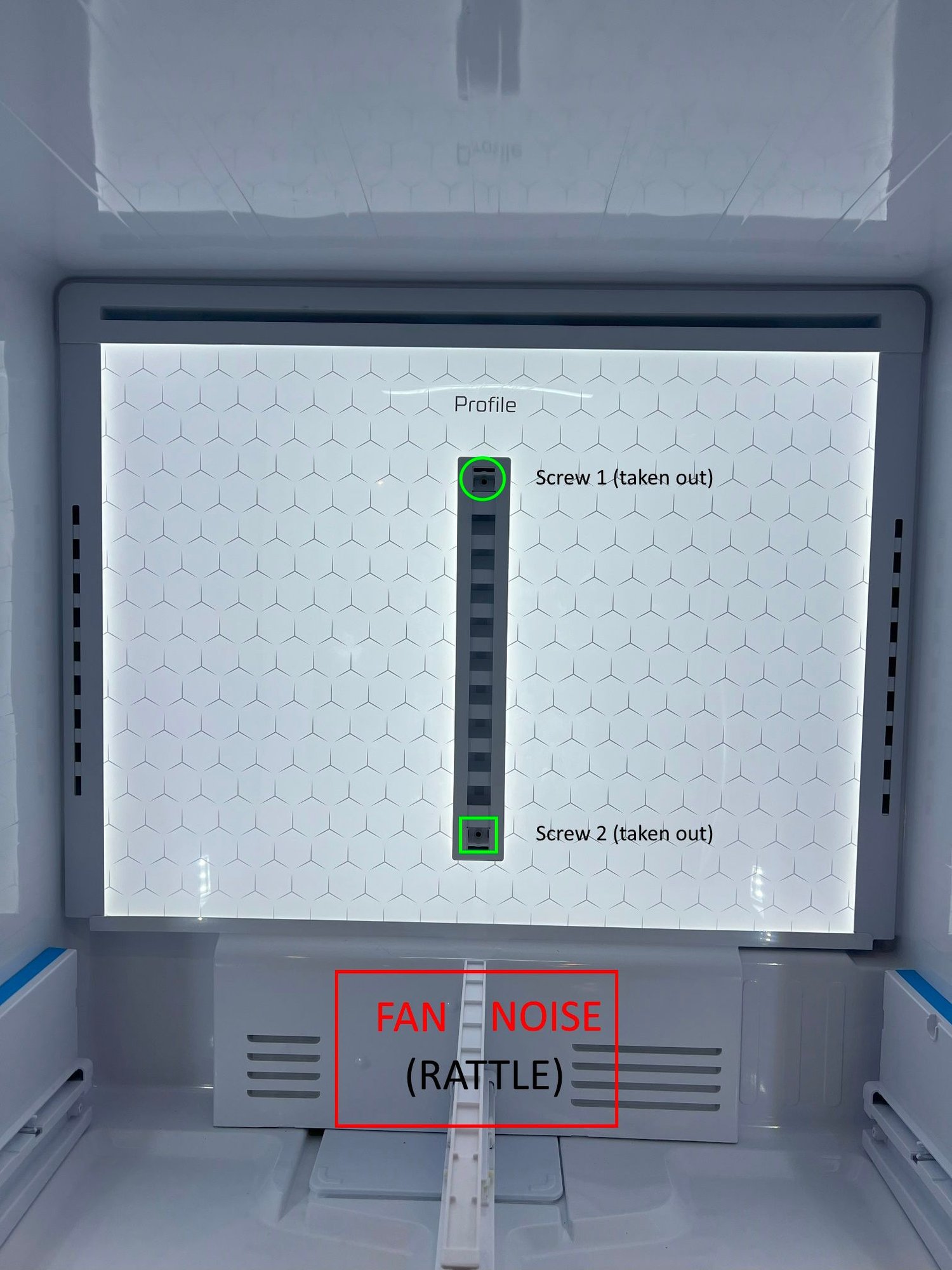
Fans circulate air inside the fridge to keep temperatures even. These fans can create a low humming or whirring sound. When fans work harder, they get louder. Dust or debris on fan blades can increase noise. Proper maintenance keeps fan noise minimal and the fridge running smoothly.
Installation And Placement
How and where you place the fridge affects noise. Placing the fridge on uneven floors can cause vibrations. These vibrations make rattling or buzzing sounds. Allow space around the fridge for airflow and reduce noise build-up. Tight spots or close walls can amplify sounds from the fridge.
Common Noises And Their Causes
Understanding the common noises your GE refrigerator makes can help you decide whether it’s normal or a sign of a problem. Different sounds often point to specific parts working or needing attention. Knowing what each noise means lets you act faster and avoid bigger issues.
Humming Sounds
A steady humming noise usually comes from the compressor or the condenser fan running. This is often normal as these parts keep your fridge cool. However, if the humming gets louder or changes pitch, it might mean the compressor is struggling or the fan blades are dirty.
Have you noticed your fridge humming louder after you added a lot of groceries? That’s because the compressor works harder to cool everything down. Regularly cleaning the coils can keep this sound at a comfortable level.
Clicking And Popping
Clicking noises often come from the refrigerator’s thermostat or the defrost timer switching on and off. These sounds are part of its normal operation. But frequent or loud clicking could mean the start relay is faulty or the compressor is having trouble starting.
Popping sounds might happen during the defrost cycle when ice melts and water drips onto the heater. If these noises become very loud or happen outside the defrost time, it’s worth checking the defrost system or calling a technician.
Vibrations And Buzzing
Buzzing or vibrations can be caused by loose parts or the refrigerator not sitting evenly on the floor. Sometimes, the fan motor might be hitting something inside. Tightening screws and leveling your fridge often solves these issues.
If you hear a constant buzzing, it might be the evaporator fan or water valve running. Ask yourself: Is the noise coming from inside or behind the fridge? This simple question helps identify whether you can fix it yourself or need professional help.
User Experiences And Reviews
Understanding the noise level of GE refrigerators through real user experiences gives you a clearer picture of what to expect. Reviews and feedback often highlight both the strengths and weaknesses, helping you decide if a GE fridge fits your home environment. Let’s look at what actual owners have shared about the noise their refrigerators make.
Positive Feedback
Many users praise GE refrigerators for their quiet operation. They mention that the background hum is barely noticeable, even in open kitchens. Some owners have shared that their fridge runs so silently, they often forget it’s on.
One user noted, “The compressor noise is minimal, and the fridge doesn’t disrupt my work-from-home setup.” Another praised the consistent quietness during nighttime, making it suitable for light sleepers.
Noise Complaints
On the flip side, a few owners report occasional louder sounds, especially during defrost cycles. These noises include clicking, buzzing, or a faint rattling that can be distracting in quiet rooms.
Some complaints focus on specific models or older units, where the noise seems more pronounced. For example, a user mentioned, “The ice maker’s motor is louder than expected, which can be annoying during late hours.”
Tips From Owners
- Placement matters:Positioning your fridge on a level floor can reduce vibrations and noise.
- Regular maintenance:Cleaning coils and checking for loose parts helps keep noise levels down.
- Check settings:Some users adjust temperature settings slightly to reduce compressor strain and noise.
Have you noticed any unusual sounds from your refrigerator? Sometimes, simple adjustments can make a big difference in your daily comfort.
Reducing Noise From Ge Refrigerators
Reducing noise from GE refrigerators can improve your kitchen’s comfort. Noise often comes from vibrations, fans, or compressors. Addressing these sources helps create a quieter home environment. Simple steps can lower sound levels without professional help.
Proper Installation
Place the refrigerator on a flat, stable surface. Uneven floors cause vibrations and extra noise. Leave space around the fridge for air circulation. Avoid pushing it too close to walls or cabinets. Check that the appliance is level using a spirit level. Adjust the feet to balance the refrigerator properly. Proper installation reduces rattling and humming sounds.
Maintenance Tips
Clean condenser coils regularly to prevent overheating. Dust buildup makes the compressor work harder and louder. Clear any debris from the fan area. Check door seals for gaps or cracks. Poor seals cause the fridge to run more often, creating noise. Defrost the freezer if frost forms. Excess frost increases noise and reduces efficiency. Tighten loose screws or panels to stop rattling.
Using Soundproofing Accessories
Use anti-vibration pads under the refrigerator feet. These pads absorb vibrations and lower noise. Place soundproof mats behind or under the fridge. They reduce sound transmission through floors and walls. Consider foam strips around the door frame. Foam helps seal gaps and dampens sounds. These accessories are affordable and easy to install. They make a noticeable difference in noise levels.

Credit: www.allaustinrepairs.com
When To Seek Professional Help
Knowing when to call a professional for your GE refrigerator is important. Some noises are normal, but others mean trouble. Acting quickly can prevent bigger damage and costly repairs. Understanding the signs helps you decide if an expert is needed.
Identifying Unusual Noises
Not all sounds from your refrigerator are cause for worry. Normal noises include humming or gentle clicks. Strange sounds often mean a problem:
- Loud buzzing or grinding
- Rattling or clanking
- Continuous clicking or popping
- Hissing or gurgling that is very loud
These noises may indicate issues with the compressor, fan, or motor. Pay attention if sounds get louder over time or happen more often.
Repair Options
For unusual noises, some fixes you can try:
- Clean the condenser coils
- Check if the fridge is level and stable
- Remove any items touching the walls or fans
If these steps do not stop the noise, a professional repair is best. Certified technicians can diagnose and fix complex problems safely. They have the right tools and parts to restore your refrigerator’s quiet operation.

Credit: highcityappliance.com
Frequently Asked Questions
Why Are Ge Refrigerators Sometimes Noisy?
GE refrigerators can be noisy due to normal compressor operations, fan movements, or ice maker functions. These sounds are typical and often indicate proper functionality. However, if the noise seems excessive or unusual, it might be due to a loose component or an issue needing professional attention.
How Can I Reduce Noise From My Ge Refrigerator?
To reduce noise, ensure your refrigerator is level and not touching walls. Check for any loose parts or debris in the fan or compressor area. Regular maintenance and cleaning can also help minimize unnecessary noise and ensure smooth operation.
What Sounds Are Normal For Ge Refrigerators?
Normal sounds include humming from the compressor, whirring of fans, and occasional clicking from temperature adjustments. Ice makers may make popping or cracking sounds. These are standard operational noises. If you hear loud or persistent unusual sounds, it may be worth investigating further.
When Should I Worry About Refrigerator Noise?
If the noise is loud, persistent, or unusual, it might indicate a problem. Rattling, grinding, or buzzing noises could signify loose components or mechanical issues. In such cases, it is advisable to consult a professional technician to prevent potential damage or malfunction.
Conclusion
GE refrigerators usually run quietly with some normal sounds. Small noises like humming or clicking show the fridge is working. Loud or strange sounds may mean a problem needs fixing. Regular cleaning and maintenance help keep noise low. Choosing the right model can also reduce noise.
Overall, GE refrigerators offer good performance without much noise. Trust your ears and check your fridge if sounds seem odd. Quiet and efficient cooling is what most users expect.