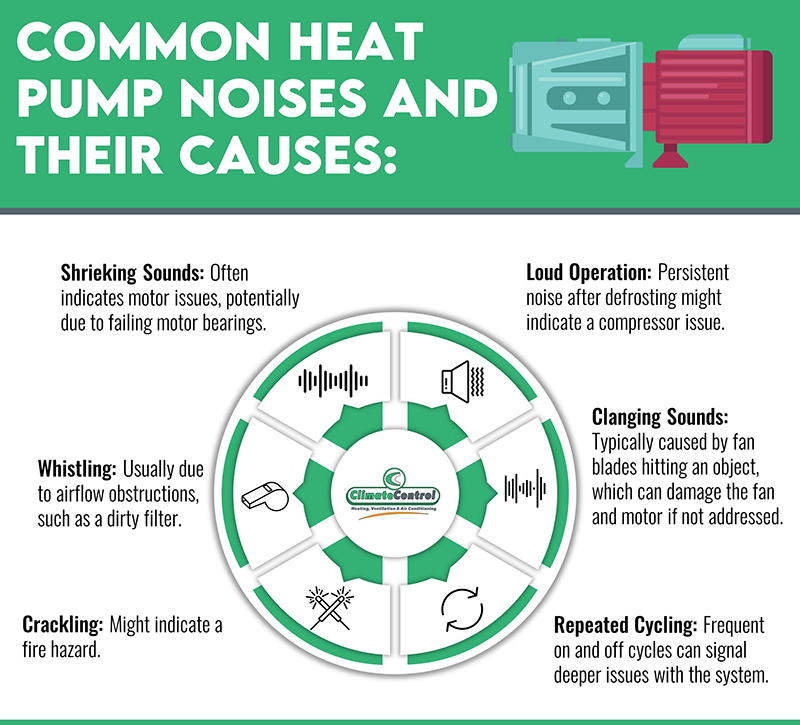
Are you wondering if heat pump hot water systems are noisy? You’re not alone.
Many people hesitate to switch to these energy-saving systems because they worry about unwanted sounds disrupting their home. But what’s the truth? Will your peace and quiet be interrupted, or can you enjoy warm water without the noise? Keep reading to find out exactly what to expect from heat pump hot water systems—and whether they’re the right choice for your home.
How Heat Pump Hot Water Systems Work
Heat pump hot water systems use electricity to move heat from the air to water. They are more energy-efficient than traditional water heaters.
These systems work best in warm or mild climates. They can lower electricity bills by using less power to heat water.
Basic Operation
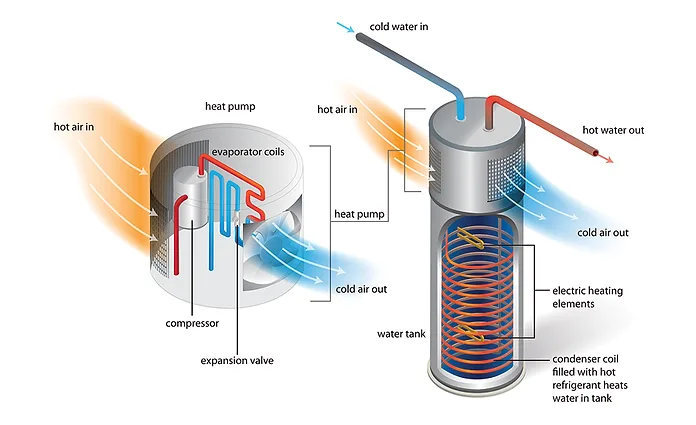
The system pulls heat from the surrounding air using a fan. Then, it moves this heat to a refrigerant fluid inside the unit.
The refrigerant heats up and passes through a compressor, which raises its temperature further. This heat then transfers to the water tank.
- Air is drawn into the system by a fan
- Heat moves to refrigerant fluid
- Compressor increases refrigerant temperature
- Heat transfers from refrigerant to water
- Cooled air is released back into the environment
Key Components
Several parts work together to heat water efficiently. Each component has a specific job in the process.
The main parts include the fan, evaporator, compressor, condenser, and water tank.
- Fan:draws warm air into the system
- Evaporator:transfers heat from air to refrigerant
- Compressor:raises refrigerant temperature by squeezing it
- Condenser:passes heat from refrigerant to water
- Water Tank:stores the hot water for use
Credit: www.pmmag.com
Common Noise Sources
Heat pump hot water systems can produce different sounds. Some noises are normal. Others may need attention.
Understanding common noise sources helps you know what to expect and when to call a professional.
Compressor Sounds
The compressor is the heart of the heat pump. It makes a humming or buzzing sound while running. This noise is usually steady and low.
Sometimes, the compressor may click or pop when starting or stopping. This is normal. Loud knocking or grinding sounds may mean a problem.
Fan Noise
Fans help move air over the heat pump coils. They create a soft whooshing or whirring sound. This noise can change with fan speed.
- Rattling may occur if fan blades are loose or dirty.
- Squeaking sounds often mean worn bearings.
- Buzzing can come from the fan motor.
Water Flow And Pipes
Water moving through pipes can cause gurgling or dripping sounds. These noises vary with water pressure and pipe size.
| Noise Type | Possible Cause | What to Do |
|---|---|---|
| Gurgling | Air trapped in pipes | Bleed the pipes to release air |
| Dripping | Loose pipe fittings | Tighten or replace fittings |
| Knocking | Water hammer effect | Install water hammer arrestors |
Noise Levels Compared To Other Systems
Heat pump hot water systems use a compressor and fan to move heat. This means they make some noise during operation. People often ask if they are noisy compared to other water heaters.
Understanding noise levels helps you decide which system fits your home. Let’s compare heat pumps with electric and gas water heaters.
Heat Pumps Vs Electric Water Heaters
Electric water heaters work by heating water with an electric element. They do not have moving parts, so they are usually very quiet. Heat pumps, on the other hand, have a fan and compressor that create some sound.
- Electric water heaters produce almost no noise during heating.
- Heat pumps generate a low humming sound from the compressor.
- Heat pump fans can cause a soft breeze noise.
- Heat pump noise is usually below 50 decibels, similar to a quiet room.
- Electric heaters are better for noise-sensitive indoor spaces.
Heat Pumps Vs Gas Water Heaters
| Feature | Heat Pump | Gas Water Heater |
|---|---|---|
| Noise Source | Compressor and fan | Gas burner and exhaust vent |
| Typical Noise Level | 40-50 decibels | 50-60 decibels |
| Sound Type | Low humming and fan whir | Burner rumble and exhaust noise |
| Best Location | Outdoor or well-ventilated spaces | Outdoor or utility rooms |
| Noise Impact | Generally quieter and less intrusive | Louder, can disturb quiet areas |

Credit: www.furnaceprices.ca
Factors Influencing Noise
Heat pump hot water systems make some noise during operation. The level of noise depends on several factors. Understanding these factors helps in choosing and placing the system correctly.
This guide explains three main factors that affect noise: installation location, system size and model, and maintenance impact.
Installation Location
Where you install the heat pump affects the noise you will hear. Systems placed near living areas may seem louder. Outdoor units can be quieter if placed away from windows and doors.
- Install away from bedrooms and living rooms
- Use sound barriers like fences or plants
- Place on a stable, vibration-absorbing base
- Ensure good airflow to reduce strain on the unit
System Size And Model
Different models and sizes produce varying noise levels. Larger systems often have bigger compressors that can be louder. Newer models may include noise reduction features.
| System Size | Noise Level (dB) | Typical Use |
| Small | 40-50 | Single-family homes |
| Medium | 50-60 | Large homes |
| Large | 60-70 | Commercial buildings |
Maintenance Impact
Regular maintenance keeps noise low. Dirt and debris can block airflow and cause the system to work harder and louder. Worn parts may also increase noise.
- Clean filters and coils regularly
- Check for loose or damaged parts
- Schedule professional inspections yearly
- Remove debris around the outdoor unit
Reducing Heat Pump Noise
Heat pump hot water systems are efficient but sometimes make noise. Reducing this noise improves comfort at home.
There are simple ways to lower the sound from your heat pump. These include soundproofing, correct installation, and regular upkeep.
Soundproofing Techniques
Soundproofing helps block or absorb noise from the heat pump. Use materials that reduce vibrations and sound waves.
- Place the heat pump on a solid base with anti-vibration pads.
- Use acoustic panels or foam around the unit to absorb sound.
- Install a soundproof fence or barrier near the unit.
- Seal gaps where sound can escape.
Proper Installation Tips
Correct installation reduces noise and improves system life. Follow these tips for a quieter setup.
| Installation Tip | Reason |
| Mount on vibration isolators | Reduces noise from moving parts |
| Keep unit away from walls | Prevents sound reflection |
| Ensure level placement | Stops rattling and shaking |
| Use proper ductwork design | Minimizes airflow noise |
Regular Maintenance
Routine maintenance keeps the heat pump running quietly and efficiently. Clean and check parts regularly.
- Clean the fan blades and housing to remove dirt.
- Check for loose bolts and tighten them.
- Lubricate moving parts to reduce friction noise.
- Inspect the compressor for unusual sounds.
- Replace worn-out parts promptly.

Credit: www.reddit.com
User Experiences And Reviews
Many people wonder if heat pump hot water systems are noisy. Users have shared their thoughts and experiences about the sound levels of these systems. Understanding real user feedback helps to know what to expect.
This article looks at what users say about noise from heat pump hot water systems. It shows both positive feedback and common complaints.
Positive Feedback
Many users report that heat pump hot water systems make very little noise. They say the systems are quiet enough to not disturb their daily life.
Some users mention they only hear a soft humming sound when the system runs. This noise is often compared to a low fan or gentle air conditioner sound.
- Quiet operation fits well in homes
- Noise is less than older water heaters
- Sound is not disturbing during the day
- System runs mostly during off-peak hours
Common Complaints
Some users find the noise from heat pump hot water systems bothersome, especially at night. They say the humming or clicking sounds can be loud in quiet surroundings.
Others mention that the noise level depends on the system model and installation location. Systems installed near bedrooms or living areas tend to be more noticeable.
- Noise may disturb light sleepers at night
- Clicking sounds when system switches on/off
- Sound level varies by model and setup
- Systems near living spaces can be louder
Frequently Asked Questions
Are Heat Pump Hot Water Systems Noisy During Operation?
Heat pump hot water systems produce low noise, usually quieter than traditional systems. Sound levels are similar to a refrigerator running. Proper installation and maintenance reduce noise further, ensuring a peaceful environment at home.
What Causes Noise In Heat Pump Hot Water Systems?
Noise mainly comes from the compressor and fan inside the heat pump. Loose components or poor installation can increase noise. Regular checks and professional installation help minimize these sound issues effectively.
How Loud Is A Typical Heat Pump Hot Water System?
Typical noise levels range from 40 to 60 decibels. This is comparable to a quiet conversation or background music, making it generally unobtrusive in residential settings.
Can Heat Pump Noise Disturb Neighbors Or Household Members?
With proper installation and soundproofing, noise is minimal and rarely bothers neighbors. Positioning the unit away from living areas further reduces any potential disturbance.
Conclusion
Heat pump hot water systems make some noise, but it is usually low. Most users find the sound quiet and not disturbing. Noise levels depend on the model and installation place. Proper setup can reduce any unwanted sounds. These systems offer energy savings and environmental benefits.
They remain a good choice for many homes. Consider noise levels, but don’t let it stop you. Quiet comfort and efficiency often go hand in hand. Choosing the right system means balancing noise and performance.