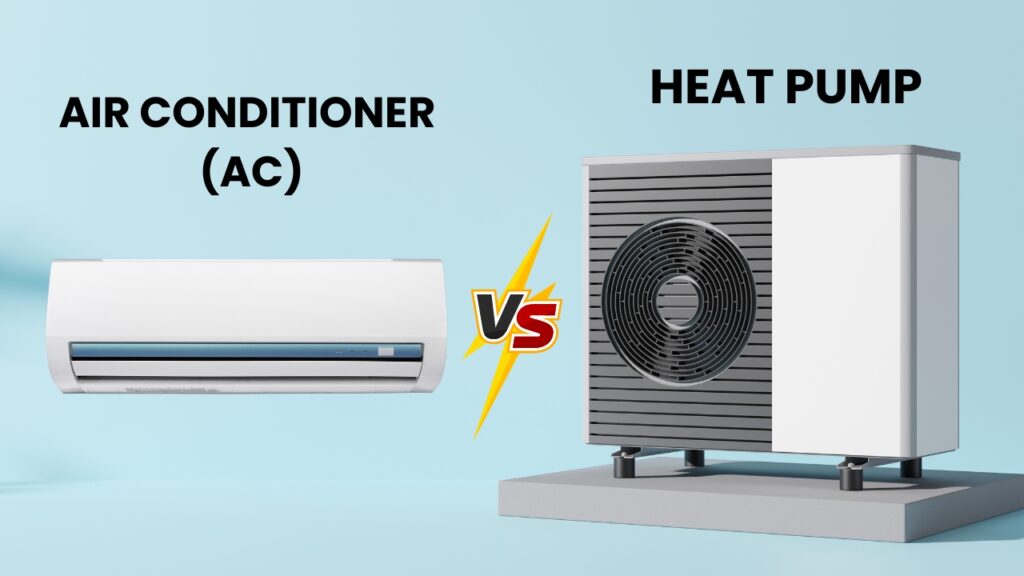
Are you wondering if heat pumps are better than air conditioners for your home? Choosing the right cooling and heating system can save you money, boost comfort, and reduce energy bills.
But with so many options, it’s hard to know which one truly fits your needs. You’ll discover the key differences between heat pumps and air conditioners. By the end, you’ll have a clear idea of which system works best for your lifestyle and budget.
Keep reading to make the smartest choice for your home’s comfort.

Credit: www.rapidheat247.co.uk
Heat Pumps Vs Air Conditioners
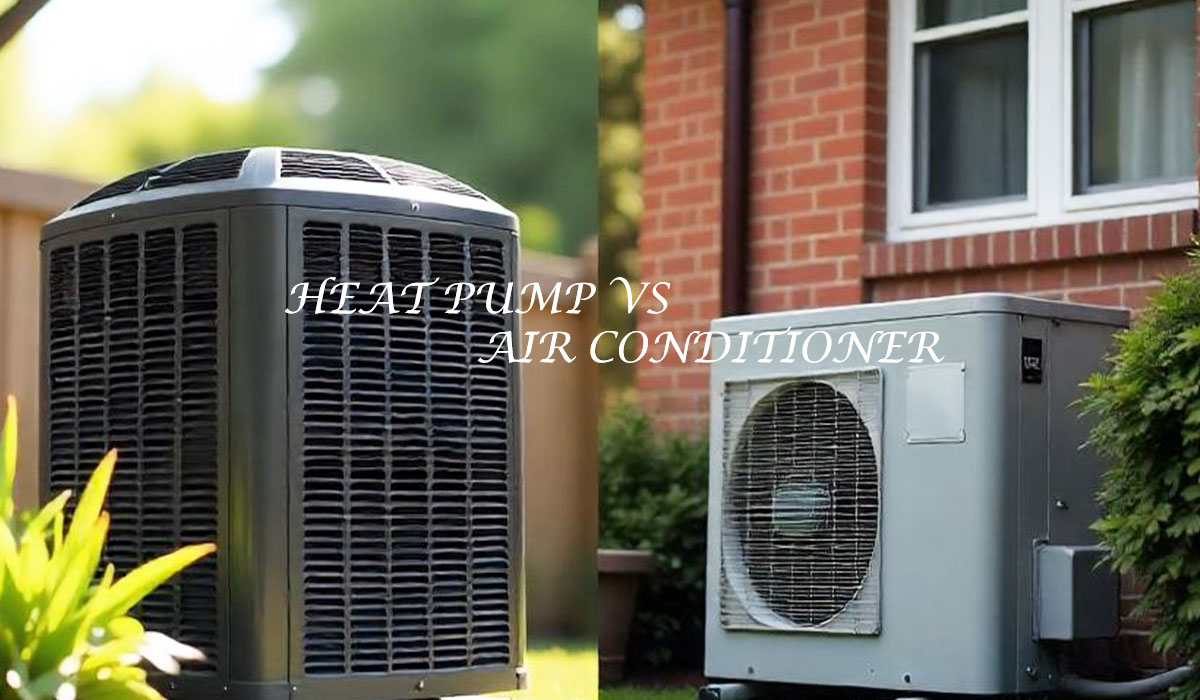
Heat pumpsand air conditionersboth cool indoor spaces. Heat pumps can also heatrooms by reversing their operation. Air conditioners only coolair and need a separate heater for warmth.
Heat pumps are more versatilebecause they handle both heating and cooling. Air conditioners focus on coolingonly, so they need extra equipment in winter.
| Aspect | Heat Pumps | Air Conditioners |
|---|---|---|
| Heating | Yes, effective for mild to moderate cold | No, requires separate heating system |
| Cooling | Yes, works like an air conditioner | Yes, designed specifically for cooling |
| Energy Efficiency | Usually higher, saves energy in mild climates | Varies, can use more energy when paired with heating |
Cost Comparison
Heat pumps often cost more upfront but save money over time with lower energy bills. Air conditioners usually have a lower initial price but higher running costs. Comparing long-term expenses helps decide which option fits your budget best.
Installation Expenses
Heat pumpsusually cost more to install than air conditioners. This is because they need a system for both heating and cooling. Air conditioners focus only on cooling, so their installation is simpler and cheaper. The size of the home and system affects the price too.
Operating Costs
Heat pumps use less electricity because they move heat instead of making it. This saves money on energy bills. Air conditioners may cost more to run, especially in cold weather when you need a heater too.
Maintenance Requirements
- Heat pumps need regular checks for both heating and cooling parts.
- Air conditioners require less frequent maintenance focused on cooling only.
- Both systems need clean filters and occasional professional service.
Environmental Impact
Heat pumpsuse less energy than many air conditioners. They move heat instead of making it. This means they can save a lot of electricity.
Because they use less energy, heat pumps often create a smaller carbon footprint. This helps reduce pollution and fight climate change.
Air conditioners and heat pumps use different refrigerants. Some older types harm the ozone layer. Newer heat pumps use safer refrigerants. These have less impact on the environment.
Performance In Different Climates
Heat pumpskeep working well in cold weather. They pull heat from outside air, even when it is chilly. Some models have special technology to work in very low temperatures. This makes them more efficientthan traditional heaters in cold places.
In hot weather, both heat pumps and air conditioners cool the air effectively. Heat pumps can switch between heating and cooling modes, which is useful for places with changing temperatures. Air conditioners mainly focus on cooling and may need a separate heater for warmth.
| Feature | Heat Pump | Air Conditioner |
|---|---|---|
| Cold Weather Use | Efficient with modern tech | Needs separate heater |
| Hot Weather Use | Good cooling and heating | Good cooling only |
| Seasonal Adaptability | Works year-round | Limited to cooling |
Noise Levels And Comfort
Heat pumpsusually produce less noise than traditional air conditioners. They run at lower speeds, which means quieter operation. Air conditioners often have louder compressors that can disturb a quiet room. This makes heat pumps better for bedrooms or study areas.
Air qualityimproves with heat pumps because they control humidity well. They remove moisture from the air in summer and add it in winter, keeping rooms comfortable. Air conditioners mainly cool but do not help with humidity. This can make rooms feel dry and uncomfortable.
User experience varies. Heat pumps offer steady temperatureand better comfort all year. Air conditioners cool fast but may cause uneven temperature. Heat pumps also save energy, lowering bills. Some users find heat pumps more pleasant for long-term use.
Credit: greenleafair.com
Lifespan And Reliability
Heat pumpsand air conditionershave different durability factors. Heat pumps work year-round for heating and cooling, which can cause more wear. Air conditioners mainly cool, so they may face less stress. Both need regular maintenanceto last longer.
Common issues with heat pumps include frozen coilsand refrigerant leaks. Air conditioners often face compressor failuresand fan motor problems. Timely repairs help avoid bigger expenses.
| Type | Typical Warranty | Support |
|---|---|---|
| Heat Pump | 5 to 10 years | Manufacturer and installer support |
| Air Conditioner | 5 to 10 years | Manufacturer and installer support |
Choosing The Right System
The size and layout of a home affect system choice. Larger homes may need stronger systems. Open layouts allow air to flow better, making cooling easier. Rooms separated by walls might need multiple units for even temperature.
Budget plays a key role. Heat pumps often cost more upfront but save money later. Air conditioners usually have lower initial costs but higher energy bills over time. Think about both short-term price and long-term costs.
| System Type | Initial Cost | Energy Savings | Best For |
|---|---|---|---|
| Heat Pump | Higher | Better | Long-term savings, heating and cooling |
| Air Conditioner | Lower | Less | Cooling only, smaller budgets |

Credit: greenleafair.com
Frequently Asked Questions
Are Heat Pumps More Energy Efficient Than Air Conditioners?
Heat pumps generally use less energy as they both cool and heat. They transfer heat instead of generating it, saving energy and reducing costs.
Can Heat Pumps Replace Air Conditioners Entirely?
Yes, heat pumps can cool and heat your home, making them a versatile alternative to traditional air conditioners.
Do Heat Pumps Work Well In Cold Climates?
Modern heat pumps perform efficiently even in cold climates, thanks to advanced technology designed for low temperatures.
What Are The Cost Differences Between Heat Pumps And Air Conditioners?
Heat pumps usually have higher upfront costs but lower operating expenses due to their dual heating and cooling functions.
Conclusion
Heat pumps and air conditioners both have their benefits. Heat pumps offer dual functionality, providing heating and cooling. This makes them versatile for year-round use. Air conditioners, on the other hand, excel in cooling efficiency. They are often ideal for regions with hot climates.
Consider your climate and energy needs. These will help you choose the right option. Both systems can improve home comfort effectively. Always weigh the pros and cons based on personal preferences. Making an informed decision ensures satisfaction and energy savings.