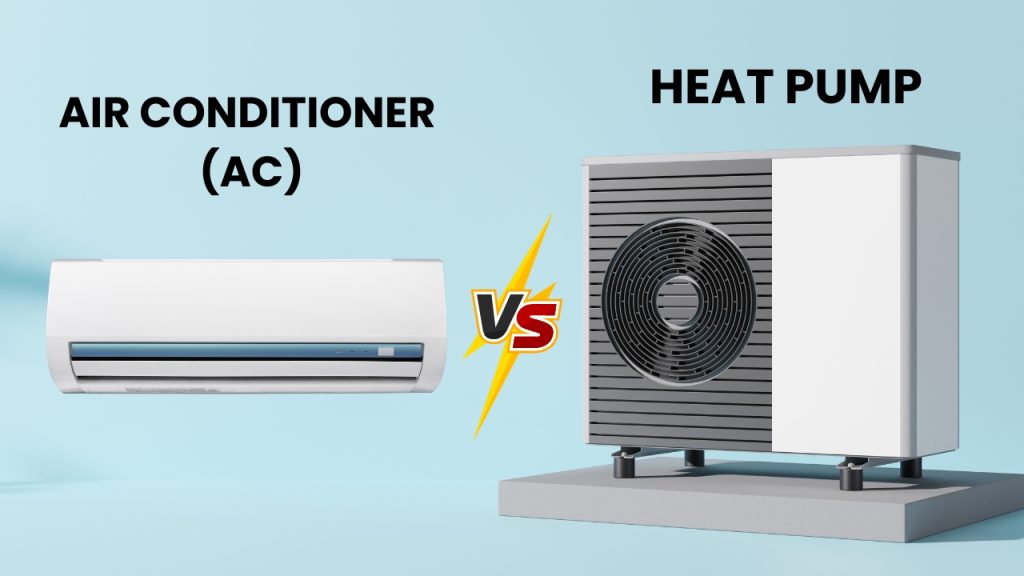
Are you wondering if heat pumps cost more than air conditioners? It’s a question that many homeowners ask before making a big decision.
You want to keep your home comfortable without breaking the bank. Understanding the real costs can help you choose the best option for your needs. Keep reading, and you’ll discover the surprising facts about prices, savings, and long-term value that could change the way you think about cooling and heating your home.
Credit: www.furnaceprices.ca
Initial Purchase Costs
When choosing between heat pumps and air conditioners, the initial cost plays a big role.
This section explains how much you might pay at the start for each option.
Price Of Heat Pumps
Heat pumps usually cost more upfront than traditional air conditioners.
- Heat pumps include both heating and cooling functions.
- The technology used is more complex.
- Installation often requires more work.
- Prices range from $4,000 to $8,000 on average.
Cost Of Air Conditioners
Air conditioners generally have a lower initial price than heat pumps.
| Type | Average Price Range |
| Window AC units | $150 – $600 |
| Split system AC | $2,000 – $5,000 |
| Central AC system | $3,000 – $7,000 |
Installation Expenses
Installing heating and cooling systems costs money. The price depends on the type of system you choose.
This section explains the installation costs of heat pumps and air conditioners.
Heat Pump Installation
Heat pumps need special parts for both heating and cooling. Installation can take more time than air conditioners.
Technicians must install indoor and outdoor units carefully. This process may require extra labor costs.
- Complex system setup raises installation price
- Requires both electrical and refrigerant connections
- May need modifications to your home’s ductwork
- Usually takes longer to install than AC units
Air Conditioner Setup
Air conditioners have simpler installation needs. The process is usually faster and less costly.
Most air conditioners only cool, so fewer parts are needed. This lowers labor and material costs.
- Less complex system than heat pumps
- Only cooling components need installation
- Shorter installation time reduces labor costs
- May still require ductwork adjustments
Energy Efficiency
Energy efficiency is key to comparing heat pumps and air conditioners. It affects the cost to run these systems daily.
Understanding how much energy each uses helps decide which is better for your home and budget.
Energy Consumption Of Heat Pumps
Heat pumps use electricity to move heat instead of creating it. This makes them very efficient for heating and cooling.
- They can deliver up to three times more heat energy than the electrical energy they consume.
- Heat pumps work well in moderate climates and reduce energy use in winter and summer.
- Advanced models have variable speeds to save more energy by adjusting to the temperature needs.
Efficiency Of Air Conditioners
Air conditioners cool your home by removing heat from inside and releasing it outside. They use electricity directly to power this process.
| Type | Average Energy Efficiency Ratio (EER) | Best Use |
| Window AC | 9 to 12 | Small rooms |
| Split AC | 10 to 14 | Medium to large rooms |
| Central AC | 13 to 21 | Whole house cooling |

Credit: www.rapidheat247.co.uk
Maintenance And Repairs
Heat pumps and air conditioners both need regular care to work well. Maintenance helps avoid costly repairs and keeps units efficient.
Understanding upkeep tasks for each system can help you decide which one fits your needs and budget.
Upkeep Of Heat Pumps
Heat pumps require attention year-round since they provide heating and cooling. Regular checks keep them running smoothly and extend lifespan.
- Clean or replace air filters every 1-3 months.
- Inspect and clean outdoor coils annually to remove dirt and debris.
- Check refrigerant levels to ensure efficient operation.
- Clear any obstructions around the outdoor unit.
- Schedule professional inspections twice a year.
Maintenance Needs Of Air Conditioners
Air conditioners mainly work during warmer months. Proper maintenance lowers repair chances and improves cooling performance.
| Task | Frequency | Reason |
| Change air filters | Every 1-3 months | Prevents dust build-up and improves airflow |
| Clean evaporator and condenser coils | Annually | Maintains cooling efficiency |
| Inspect refrigerant levels | Annually | Ensures proper cooling capacity |
| Clear debris around outdoor unit | Monthly in summer | Allows proper air flow |
| Schedule professional tune-up | Once a year | Detects issues early and extends unit life |
Lifespan And Durability
Understanding how long heat pumps and air conditioners last helps you make smart choices. Both have different lifespans and levels of durability.
Knowing these factors can explain cost differences and maintenance needs over time.
Longevity Of Heat Pumps
Heat pumps usually last between 10 to 15 years. Regular upkeep can extend their life. They work year-round, which can wear parts faster.
- Average lifespan: 10-15 years
- Needs yearly maintenance
- Works for heating and cooling
- Exposure to weather affects durability
Durability Of Air Conditioners
| Type | Average Lifespan | Durability Notes |
| Central Air Conditioner | 12-15 years | Built for long-term use, needs regular servicing |
| Window Unit | 8-10 years | Less durable, easier to replace |
| Portable Unit | 5-8 years | Least durable, often replaced |
Environmental Impact
Heat pumps and air conditioners both cool indoor spaces. They use electricity but affect the environment differently.
Understanding their environmental impact helps people choose the best option for the planet.
Eco-friendliness Of Heat Pumps
Heat pumps use less energy than traditional air conditioners. They move heat instead of creating it, which saves power.
They can also heat homes in winter, reducing the need for separate heaters. This lowers carbon emissions.
- Use renewable energy efficiently
- Reduce greenhouse gas emissions
- Work year-round for heating and cooling
- Lower electricity consumption compared to AC units
Environmental Concerns With Air Conditioners
Air conditioners use more electricity, which can increase carbon emissions. They also use refrigerants that harm the ozone layer.
Older AC models often use chemicals that contribute to global warming. This makes them less eco-friendly than heat pumps.
- Higher energy consumption
- Use of harmful refrigerants
- Increased greenhouse gas emissions
- Less efficient in cold weather
Seasonal Versatility
Heat pumps and air conditioners serve different purposes in homes. Their costs may differ based on how well they work in different seasons.
Understanding their seasonal use can help you see why heat pumps might cost more but offer more value year-round.
Year-round Use Of Heat Pumps
Heat pumps provide both heating and cooling. They work well in all seasons, making them a versatile choice.
- In winter, heat pumps pull heat from outside air to warm your home.
- In summer, they act like air conditioners by removing heat from inside.
- This dual function means one system can be used throughout the year.
- Heat pumps can save space since you don’t need separate heating and cooling units.
Seasonal Suitability Of Air Conditioners
Air conditioners mainly cool the air. They work best in warm months but do not provide heating.
| Season | Air Conditioner Use |
| Spring | Sometimes needed for cooling |
| Summer | Primary cooling device |
| Fall | Rarely used |
| Winter | Not used for heating |

Credit: lghomecomfort.ca
Long-term Savings
Choosing between heat pumps and air conditioners affects your long-term energy costs. Both systems cool your home, but their efficiency and savings differ over time.
Understanding how each system saves money can help you pick the best option for your budget and needs.
Cost Efficiency Of Heat Pumps
Heat pumps use electricity to move heat rather than create it. This process uses less energy compared to traditional air conditioners, especially in moderate climates.
- Heat pumps provide both heating and cooling, reducing the need for separate systems.
- They maintain steady temperature control, which lowers energy waste.
- Modern heat pumps often qualify for energy rebates and incentives.
- Higher upfront costs can be offset by savings on energy bills.
Savings Potential With Air Conditioners
| Factor | Air Conditioners | Heat Pumps |
| Initial Cost | Lower | Higher |
| Energy Efficiency | Moderate | High |
| Heating Capability | Requires separate system | Built-in |
| Long-Term Savings | Lower | Higher |
Air conditioners usually cost less upfront but lack heating functions. This means you may spend more on additional heating equipment and energy use in winter.
Frequently Asked Questions
Are Heat Pumps More Costly Upfront Than Air Conditioners?
Heat pumps generally cost more initially due to their dual heating and cooling functions. Air conditioners are usually cheaper but only cool spaces. The extra upfront cost of heat pumps can be offset by long-term energy savings.
Do Heat Pumps Save More Energy Than Air Conditioners?
Yes, heat pumps are more energy-efficient because they transfer heat instead of generating it. This efficiency lowers electricity bills during both heating and cooling seasons compared to traditional air conditioners.
How Does Installation Cost Compare For Heat Pumps Vs Air Conditioners?
Heat pump installation often costs more because it requires additional components for heating. Air conditioners have simpler setups. However, installation prices vary based on system size and home requirements.
Are Maintenance Costs Higher For Heat Pumps Than Air Conditioners?
Maintenance costs for heat pumps can be slightly higher due to their complexity. Both systems need regular servicing, but heat pumps require checks for heating and cooling functions.
Conclusion
Heat pumps and air conditioners differ in price and use. Heat pumps often cost more upfront but save money long-term. They cool in summer and heat in winter too. Air conditioners only cool and may need extra heating. Choose based on climate and your needs.
Think about energy savings and comfort. Both have benefits for different homes. Consider your budget and local weather before deciding. The right choice helps you stay comfortable year-round.