
Are you wondering if your trusty Igloo cooler can take a spin in the dishwasher? You’re not alone.
Many cooler owners find themselves in a similar spot, trying to balance the convenience of a dishwasher with the need to keep their cooler in top shape. Imagine the time you could save if you knew the answer. No more guessing games or risky attempts that could damage your cooler.
We’ll unveil the truth about whether Igloo coolers are dishwasher safe, saving you both time and hassle. Stick around as we dive into the details that will make your cleaning routine a breeze.
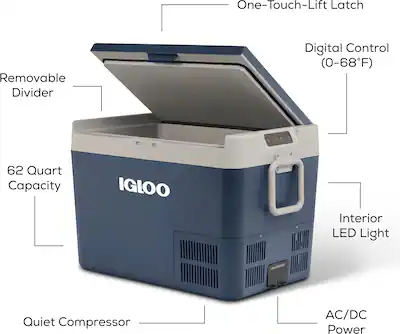
Credit: www.bestbuy.com
Igloo Cooler Materials
Understanding the materials used in Igloo coolers can help you decide the best way to clean and maintain them. These coolers are built to keep your drinks cold and your food fresh, but the materials also affect whether they are dishwasher safe. Knowing what your cooler is made of gives you a clearer idea of how tough it is and how to treat it during cleaning.
Common Components
Igloo coolers usually consist of a hard plastic outer shell and a foam insulation layer inside. The plastic shell is often made from polyethylene or polypropylene, which are sturdy and resistant to cracks. Inside, the foam—usually polyurethane—traps cold air to keep your contents chilled for hours.
The lid often has a rubber gasket to create a tight seal, and some models include metal hinges or latches. These components vary by model, but the main structure relies on plastic and foam. Knowing these parts helps you understand which areas need gentle cleaning and which can handle a bit more scrubbing.
Durability Factors
The durability of your Igloo cooler depends on how well the plastic shell resists dents and scratches. While polyethylene is tough, it can warp or crack if exposed to high heat—like in a dishwasher. The foam inside is sensitive to water and heat, so submerging it or using harsh cleaning methods might reduce its insulating power.
Rubber gaskets and seals can degrade if exposed to hot water repeatedly. Metal parts might rust if not dried properly after washing. Think about your cooler’s materials before tossing it into the dishwasher; a quick hand wash might save you from costly repairs or reduced performance.

Credit: www.amazon.ca
Dishwasher Safety Factors
Dishwasher safety plays a key role in cleaning Igloo coolers. Not all parts of these coolers handle dishwasher conditions well. Understanding heat resistance and seal protection helps keep your cooler in good shape. Proper care extends the life of your cooler and keeps it working perfectly.
Heat Resistance
Igloo coolers are made from durable plastic, but high dishwasher heat can cause damage. The heat inside dishwashers often exceeds safe levels for cooler materials. This can lead to warping, cracking, or fading of the plastic. Checking the cooler’s label for heat tolerance is important. Hand washing is safer for parts sensitive to heat.
Seal And Gasket Protection
Seals and gaskets keep your cooler airtight and leak-free. These parts often include rubber or foam materials that can degrade in dishwashers. High heat and strong detergents may cause seals to crack or lose flexibility. Removing seals before washing or cleaning them gently by hand helps maintain their function. Protecting these parts ensures your cooler stays reliable.
Manufacturer Recommendations
Manufacturer recommendations provide clear advice on cleaning Igloo coolers. Following these guidelines helps keep your cooler in good shape. It also protects the cooler’s materials and extends its life. Ignoring these instructions might cause damage or reduce the cooler’s efficiency.
Official Cleaning Guidelines
Igloo recommends hand washing coolers for best results. Use mild soap and warm water. Avoid harsh chemicals or bleach. These can damage the cooler’s surface and seals. Do not place Igloo coolers in a dishwasher. The heat and strong detergents may warp or crack the cooler.
Cleaning steps usually include:
- Rinsing the cooler with water after use.
- Using a soft sponge or cloth with mild soap.
- Rinsing thoroughly to remove soap residue.
- Allowing the cooler to air dry completely before storage.
Warranty Considerations
Following Igloo’s cleaning instructions keeps your warranty valid. Using a dishwasher or harsh cleaners may void the warranty. Damage caused by improper cleaning is not covered. Always check the warranty terms for your specific cooler model. Proper care ensures the cooler remains protected under warranty.

Credit: www.amazon.ca
Safe Cleaning Methods
Cleaning your Igloo cooler safely keeps it fresh and extends its life. Using proper methods avoids damage to the cooler’s surface and insulation. Avoid harsh tools or chemicals that can wear out the materials.
Focus on gentle cleaning steps to maintain the cooler’s quality. Safe cleaning also prevents odors and mold buildup inside the cooler.
Hand Washing Techniques
Hand washing is the best way to clean your Igloo cooler. Use a soft sponge or cloth to avoid scratches. Start by rinsing the cooler with warm water to remove loose dirt.
Gently scrub the inside and outside surfaces with circular motions. Pay attention to corners and seals where dirt hides. Rinse thoroughly to remove all soap and debris.
Dry the cooler with a clean towel or let it air dry completely before storing. This prevents moisture buildup and mold growth.
Using Mild Detergents
Choose mild detergents to protect the cooler’s materials. Avoid bleach, strong chemicals, or abrasive cleaners. These can damage the cooler’s plastic and insulation.
Use a small amount of gentle soap mixed with warm water. Mild detergents clean effectively without harming the cooler’s finish.
If odors persist, mix baking soda with water for a natural deodorizer. Apply the mixture, let it sit briefly, then rinse well. This keeps your cooler smelling fresh and clean.
Avoiding Common Cleaning Mistakes
Cleaning your Igloo cooler properly is key to keeping it fresh and functioning well. Many people unknowingly use the wrong products or techniques, which can cause damage over time. Avoiding these common cleaning mistakes will save you time, money, and hassle.
Harsh Chemicals To Skip
Not all cleaners are safe for your cooler. Avoid bleach, ammonia, and strong solvents—they can erode the plastic and ruin the insulation. Even some scented cleaners leave residues that trap odors instead of removing them.
Instead, choose mild dish soap and warm water. This gentle combo cleans effectively without harming your cooler’s materials. Have you ever used a cleaner that left a strange smell behind? That’s a sign to switch to something gentler.
Preventing Damage To Cooler Parts
Igloo coolers have seals, hinges, and drain plugs that need careful attention. Rough scrubbing or using abrasive sponges can scratch surfaces and weaken seals. Use soft cloths or non-abrasive sponges for cleaning.
Also, avoid putting your cooler in the dishwasher unless the manual says it’s safe. The high heat can warp plastic parts and ruin rubber seals. Treat your cooler like a delicate item—you wouldn’t toss your favorite shoes in the washing machine, right?
Tips For Maintaining Freshness
Keeping your Igloo cooler fresh is key to enjoying clean, odor-free storage. Proper care helps avoid smells and prolongs the cooler’s life. Simple habits make a big difference in freshness.
Deodorizing Strategies
Use baking soda to absorb bad odors. Sprinkle some inside the cooler and leave it open overnight. Rinse well before the next use. Another option is to wipe the interior with a mixture of vinegar and water. This helps kill bacteria and remove smells. Charcoal bags also work well to keep the cooler smelling fresh. Replace them every few weeks for best results.
Proper Drying Practices
Always dry your cooler completely after cleaning. Leave the lid open to let air circulate. Use a clean towel to remove excess water. Avoid closing the cooler when it is wet inside. Moisture can cause mold and unpleasant smells. Store the cooler in a dry place away from direct sunlight. This helps maintain freshness and prevents damage.
Frequently Asked Questions
Are Igloo Coolers Safe To Clean In A Dishwasher?
No, Igloo coolers are not dishwasher safe. The heat and pressure can damage the cooler’s insulation and plastic parts. Hand washing with mild soap and water is recommended to maintain durability and performance.
How Should I Clean My Igloo Cooler Properly?
Use warm water, mild soap, and a soft cloth or sponge. Avoid harsh chemicals or abrasive scrubbers. Rinse thoroughly and air dry with the lid open to prevent odors and mold.
Can Dishwasher Cleaning Void My Igloo Cooler Warranty?
Yes, cleaning your Igloo cooler in a dishwasher may void the warranty. The manufacturer advises hand washing only to preserve the cooler’s quality and to keep the warranty valid.
What Damages Can Dishwasher Cause To Igloo Coolers?
Dishwashers can warp plastic, degrade insulation, and cause seals to fail. High temperatures and strong detergents weaken the cooler’s structure, reducing its cooling efficiency and lifespan.
Conclusion
Igloo coolers usually are not dishwasher safe. Washing by hand keeps them in good shape. Use mild soap and warm water for cleaning. Avoid harsh scrubbing to protect the cooler’s surface. Let the cooler dry completely before storing it. This simple care helps your cooler last longer.
Clean coolers keep your food and drinks fresh. Taking time to wash properly pays off. Your Igloo cooler will be ready for your next trip. Easy care means more fun outdoors.