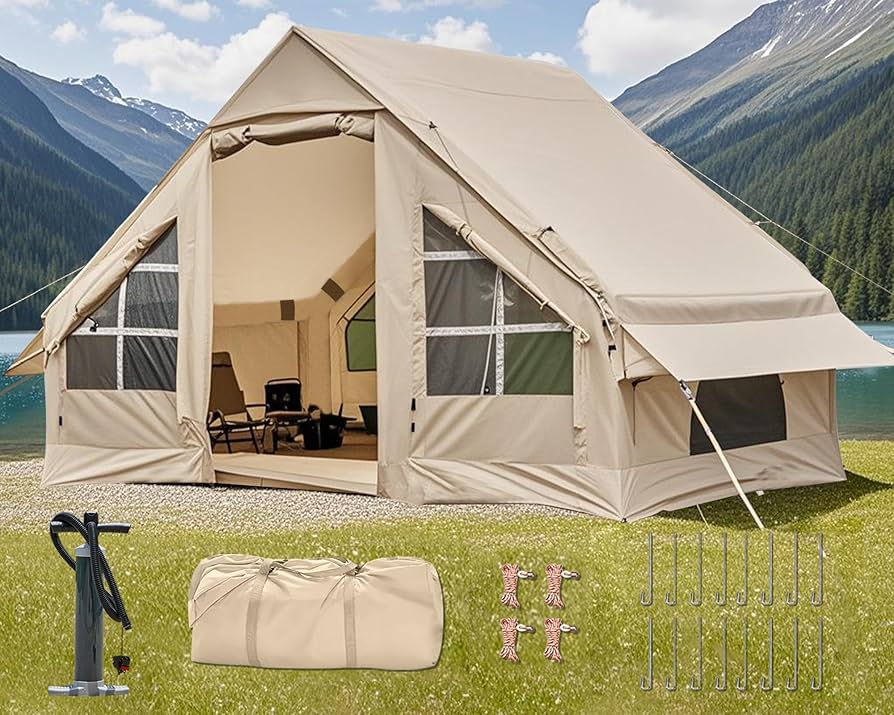
Are you thinking about getting an inflatable tent but wondering if it’s really worth it? You’re not alone.
Inflatable tents have become popular for camping and outdoor events, but you might be asking yourself: Are they as reliable and easy to use as traditional tents? You’ll discover the real benefits and possible drawbacks of inflatable tents. By the end, you’ll know exactly whether an inflatable tent fits your needs and if it’s a smart choice for your next adventure.
Keep reading to find out!
Benefits Of Inflatable Tents
Inflatable tents offer a new way to enjoy camping and outdoor events. They are easy to use and bring many advantages over traditional tents.
This article covers the main benefits of inflatable tents and why they are worth considering.
Easy Setup And Portability
Inflatable tents can be set up quickly without using poles. You just pump air into the tubes, and the tent stands upright. This saves time and effort.
Because they pack down small and light, you can carry them easily on trips or hikes. No heavy frame parts are needed.
Lightweight Design
These tents are made from light materials that keep the overall weight low. This makes them easy to transport and handle.
- Less weight to carry on your back
- Suitable for solo campers or small groups
- Easy to load into cars or backpacks
Durability And Weather Resistance
Inflatable tents use tough fabrics and strong air beams. These help the tent stand up to wind and rain better than some traditional tents.
| Feature | Benefit |
| Waterproof Materials | Keep you dry in rain |
| Strong Air Beams | Hold up in windy conditions |
| UV Resistant Fabric | Protects against sun damage |
Spacious Interior Options
Many inflatable tents offer large interiors with good headroom. This space makes it easier to move around and store gear inside.
Some models have separate rooms or dividers, which add privacy and comfort for families or groups.
Versatility For Different Activities
Inflatable tents work well for many outdoor activities. You can use them for camping, festivals, beach trips, or backyard events.
They adapt to different environments and needs. Some tents have options like:
- Extra ventilation for hot weather
- Attachments for awnings or storage
- Easy repair kits for quick fixes

Credit: www.amazon.ca
Drawbacks Of Inflatable Tents
Inflatable tents offer a unique design but come with some downsides. Knowing these can help you decide if they suit your camping needs.
This section covers common drawbacks such as air leaks, repairs, pump use, and cost.
Potential For Air Leaks
Inflatable tents rely on air tubes to stay upright. These tubes can develop small holes or leaks.
Leaks cause the tent to lose shape and stability. This can happen from sharp objects or rough ground.
Repair And Maintenance Challenges
Fixing an inflatable tent is harder than a traditional one. You need patch kits for the air tubes.
Finding and sealing leaks takes time and patience. Regular checks are necessary to keep the tent usable.
Dependence On Air Pumps
Inflatable tents require air pumps to set up. Without a pump, you cannot inflate the tent tubes.
If the pump breaks or you forget it, setting up becomes difficult or impossible. This adds extra gear to carry.
Cost Compared To Traditional Tents
Inflatable tents often cost more than regular tents. The air tube system adds to production expenses.
For the price, some may prefer traditional tents that are cheaper and easier to repair.
Materials And Build Quality
Inflatable tents use special materials and designs to stay strong and safe. They rely on the fabric and frame to hold shape and protect from weather. Quality depends on the parts used and how they are made.
Looking at the fabrics, frame technology, and waterproofing helps to know if an inflatable tent is good for camping or events. Each part plays a role in durability and comfort.
Common Fabrics Used
Manufacturers use strong and light fabrics to build inflatable tents. These fabrics must resist tears and keep water out. The most common types include polyester and nylon, often with coatings to improve strength.
- Polyester:Durable and resistant to stretching. Often coated with polyurethane for waterproofing.
- Nylon:Lightweight and strong. Usually treated to resist UV rays and water.
- Polyvinyl Chloride (PVC):Used in heavy-duty tents. It is very waterproof but heavier than other fabrics.
Inflatable Frame Technology
Inflatable tents use air beams instead of traditional poles. These beams are tubes made from tough fabric that inflate with air. The air pressure keeps the tent stable and upright.
| Feature | Description |
|---|---|
| Material | Reinforced TPU or PVC coated fabric |
| Pressure | High air pressure for strong support |
| Setup | Quick inflation with a pump |
| Flexibility | Better shock absorption than metal poles |
Sealing And Waterproofing Methods
To keep water out, inflatable tents have sealed seams and water-resistant coatings. These features protect against rain and damp ground. Good sealing helps tents last longer and stay dry inside.
- Heat-welded seams create airtight and waterproof joints.
- Coatings like PU or silicone add extra water resistance.
- Waterproof zippers prevent leaks around doors and windows.
- Rain flaps and ground sheets improve protection.
Performance In Various Weather Conditions
Inflatable tents offer a different experience from traditional tents. Their performance changes with the weather. Understanding how they handle wind, heat, and cold helps you decide if they suit your needs.
These tents rely on air-filled beams instead of poles. This design affects their stability and comfort in various climates. Let’s explore how they perform in wind, heat, and cold.
Handling Wind And Storms
Inflatable tents are built to be strong, but their shape and material matter. They can bend with the wind instead of breaking. This flexibility helps during storms, but anchoring is key.
- Use strong stakes and guy lines to secure the tent.
- Check that all air beams are fully inflated before wind hits.
- Avoid setting up in open, exposed areas.
- Regularly inspect for leaks or weak spots in the air beams.
Heat And Ventilation
Inflatable tents can trap heat if ventilation is poor. Most models include mesh windows and vents. These help air flow and reduce inside temperature.
| Ventilation Feature | Purpose |
| Mesh Windows | Allow air to enter and insects out |
| Roof Vents | Let hot air escape |
| Door Flaps | Open wide to increase airflow |
Cold Weather Suitability
Inflatable tents can keep you warm if used right. Their air beams provide some insulation. Adding a good ground mat and sleeping bag helps retain heat.
- Choose a model with thicker material and fewer mesh panels.
- Seal all vents and windows to keep cold air out.
- Use an insulated groundsheet to block cold from below.
- Keep the tent well inflated to maintain its shape and insulation.
- Consider a small safe heater designed for tents if allowed.
Choosing The Right Inflatable Tent
Inflatable tents are easy to set up and move around. They are popular for camping and events.
Picking the right inflatable tent depends on what you need. Size, weight, and features matter a lot.
Size And Capacity Considerations
Think about how many people will use the tent. Check the tent’s size and sleeping capacity.
Make sure there is space for gear and movement inside the tent. A bigger tent is more comfortable.
Weight And Packability
Check how much the tent weighs before buying. Lighter tents are easier to carry on trips.
Also, see how small the tent packs when folded. Compact tents save space in your bag.
Features To Look For
Look for tents with strong air beams that hold well. Good air valves make inflation easier.
Check if the tent has good ventilation and waterproof material. Extra pockets and easy access doors help.
- Durable air beams
- Quick inflation and deflation valves
- Waterproof fabric
- Good ventilation panels
- Extra storage pockets
- Easy access doors
Budget And Brand Options
Set a budget before you shop for an inflatable tent. Prices can vary widely by brand and features.
Choose brands known for quality and good customer support. This can save you trouble later.
- Budget tents are good for casual use
- Mid-range tents balance cost and quality
- High-end tents offer more durability and features
- Research brand reviews before buying
Credit: www.amazon.ca
Maintenance Tips For Longevity
Inflatable tents need care to last longer. Taking simple steps can keep them in good shape. These tips help you maintain your tent.
Cleaning, storing, and repairing are key. Each step helps protect your tent from damage. Learn how to care for your inflatable tent properly.
Proper Cleaning Techniques
Clean your inflatable tent after each use. Use mild soap and water to avoid damage. Avoid harsh chemicals or abrasive brushes.
- Remove dirt with a soft cloth or sponge
- Use lukewarm water and gentle soap
- Rinse thoroughly to remove all soap
- Let the tent dry completely before storing
- Clean zippers and seams carefully
Storage Recommendations
Store your tent in a dry, cool place. Avoid direct sunlight and damp areas. Proper storage prevents mold and material breakdown.
| Storage Tip | Reason |
| Keep tent folded loosely | Prevents creases and material stress |
| Use a breathable storage bag | Allows air circulation, stops moisture buildup |
| Avoid heavy objects on top | Protects the tent’s shape and structure |
| Store away from sharp items | Prevents accidental punctures |
Repair Kits And When To Use Them
Repair kits fix small holes and tears fast. Use them as soon as you find damage. Early repairs stop leaks and bigger problems.
- Locate the hole or tear carefully
- Clean the area around the damage
- Apply the patch from the repair kit firmly
- Allow the patch to dry completely before use
- Test the tent to check if the leak is fixed
User Experiences And Reviews
Inflatable tents are a newer option in camping gear. Many campers share their thoughts about using them.
This section looks at what users like, what they find difficult, and where these tents work best.
Common Praise From Campers
Many users say inflatable tents are easy to set up. They do not need poles, which makes pitching faster.
Campers like that these tents are lightweight and easy to carry. The compact size helps in packing.
- Fast setup without poles
- Lightweight and easy to carry
- Compact when packed
- Good wind resistance
- Comfortable interior space
Frequent Complaints
Some users report that inflatable tents can be punctured easily. This can cause air leaks and collapse.
Others find the repair kits not very helpful for big holes. Pumping the tent manually can be tiring.
- Risk of punctures and leaks
- Repair kits sometimes ineffective
- Manual pumping can be hard
- Less durable in rough terrain
- Heavier than some traditional tents
Best Use Cases Based On Feedback
Users say inflatable tents work best for short trips and calm weather. They suit casual campers well.
They are good for festivals, car camping, and family outings. Not ideal for extreme weather or long hikes.
- Short camping trips
- Calm weather conditions
- Festivals and events
- Car camping with easy transport
- Family outings with quick setup

Credit: www.youtube.com
Frequently Asked Questions
Are Inflatable Tents Durable For Camping Trips?
Inflatable tents use strong, puncture-resistant materials. They handle wind and rain well if properly secured. Regular maintenance extends their lifespan. They are suitable for most camping conditions but avoid sharp objects to prevent damage.
How Easy Is It To Set Up Inflatable Tents?
Inflatable tents set up quickly using a pump. They require less effort than traditional pole tents. Most models inflate within minutes. This makes them ideal for quick camping or festivals. Deflating and packing are also straightforward and fast.
Do Inflatable Tents Offer Good Weather Protection?
Yes, inflatable tents provide reliable weather protection. Their airtight structure resists wind and rain effectively. Many come with waterproof fabrics and sealed seams. However, extreme weather may require additional stakes or anchors for safety.
Are Inflatable Tents Lightweight And Portable?
Inflatable tents are generally lightweight and compact when deflated. They fit easily into backpacks or car trunks. This makes them convenient for hiking and travel. Portability is a key advantage compared to heavy pole tents.
Conclusion
Inflatable tents offer great convenience for campers. They set up quickly and save time. Lightweight and easy to carry, they are perfect for hiking trips. Their durable material withstands weather challenges like rain and wind. Many campers appreciate their space and comfort.
Ideal for family camping or a solo adventure. Always check the size and features before buying. With proper care, these tents last for years. Inflatable tents provide a hassle-free camping experience. Consider them for your next outdoor getaway. Enjoy nature with ease and comfort.