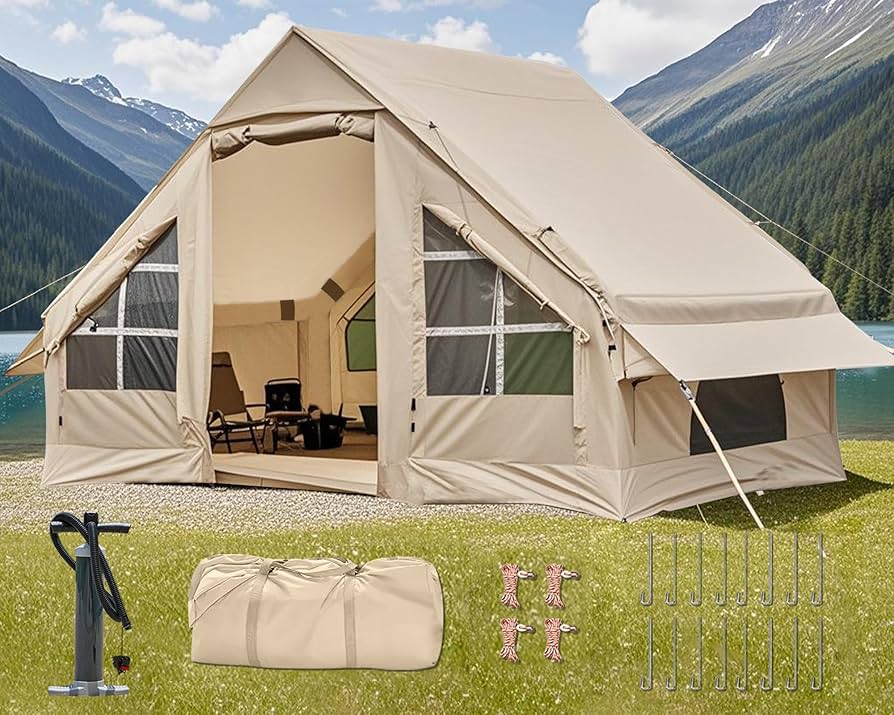
Are you thinking about getting an inflatable tent but aren’t sure if it’s the right choice? You’re not alone.
Inflatable tents have become popular, but many people wonder if they’re truly reliable and practical. What if your next camping trip could be easier, faster to set up, and still keep you safe and comfortable? You’ll discover the real benefits and possible downsides of inflatable tents.
By the end, you’ll know if an inflatable tent fits your outdoor adventures perfectly—or if you should look elsewhere. Keep reading to make the best decision for your next trip.

Credit: www.amazon.ca
Inflatable Tents Basics
Inflatable tents use air to hold their shape instead of poles. They offer a quick and easy way to set up shelters. These tents are popular for camping and outdoor events.
This guide explains how inflatable tents work and what materials make them strong and durable. Understanding these basics helps you choose the right tent for your needs.
How Inflatable Tents Work
Inflatable tents use air beams to replace traditional tent poles. The beams are tubes that fill with air to form a strong frame. Air pumps usually inflate these beams quickly.
- Air beams provide flexibility and absorb wind better than poles.
- They make setup faster, often in just a few minutes.
- The design helps the tent keep its shape even in strong weather.
- Deflating the tent allows it to pack smaller for travel.
Materials And Design
Inflatable tents use special fabrics and strong seals to hold air and resist weather. The materials are light but tough. The design focuses on comfort and durability.
| Material | Purpose | Benefit |
| Polyester | Outer fabric | Water-resistant and strong |
| TPU Coating | Air beams lining | Prevents leaks and holds air |
| Polyurethane | Tent floor | Protects from ground moisture |
| Reinforced seams | All connections | Increases durability and air tightness |

Credit: questoutdoors.com.au
Key Benefits Of Inflatable Tents
Inflatable tents are a popular choice for outdoor activities. They use air-filled beams instead of poles for support.
This design offers several benefits that make camping and events easier and more comfortable.
Easy And Quick Setup
Inflatable tents set up much faster than traditional tents. You just use a pump to fill the air beams.
This means fewer parts to handle and less time spent assembling poles and clips.
Lightweight And Portable
These tents are usually lighter than pole tents. The air beams weigh less than metal or fiberglass poles.
They pack down small and fit easily in backpacks or car trunks. This makes them easy to carry to any spot.
Durability And Weather Resistance
Inflatable tents are made with strong, waterproof fabrics. The air beams are tough and can handle wind well.
The flexible air structure absorbs shocks better than rigid poles, which reduces damage risks in bad weather.
Versatility For Various Activities
Inflatable tents suit many outdoor uses. They work well for camping, festivals, sports, and beach trips.
Their quick setup and lightweight design make them ideal for short or long stays anywhere outdoors.
Comparing Inflatable Tents To Traditional Tents
Choosing the right tent can make camping easier and more fun. Inflatable tents and traditional tents both have good points. Understanding their differences helps you pick the best one for your needs.
This comparison covers setup time, weight, stability, and cost. It will help you see how inflatable tents stand against traditional ones.
Setup Time And Effort
Inflatable tents use air beams instead of poles. You just pump air into them to set them up. This can take only a few minutes and needs less physical work.
Traditional tents need poles to be inserted and connected. This can take longer and might be harder for beginners.
- Inflatable tents: Quick setup, less bending or heavy lifting
- Traditional tents: More steps, requires pole assembly
Weight And Transport
Inflatable tents usually weigh more because of the air pumps and thicker materials. Carrying them can be harder on long hikes.
Traditional tents are often lighter and easier to carry. They pack down small and fit well in backpacks.
- Inflatable tents: Heavier, bulkier due to pump and material
- Traditional tents: Lighter, more compact for transport
Stability And Durability
Inflatable tents can be very stable in good weather. Their air beams handle wind well but can be damaged if punctured.
Traditional tents use poles made of metal or fiberglass. They are strong but may break in strong wind or heavy snow.
- Inflatable tents: Stable, but air beams can puncture
- Traditional tents: Strong poles, can break under pressure
Cost Considerations
Inflatable tents tend to cost more because of their newer design and materials. They offer convenience but at a higher price.
Traditional tents usually cost less and come in many price ranges. You can find affordable options that still work well.
- Inflatable tents: Higher price, newer technology
- Traditional tents: Lower price, wide variety available
Common Misconceptions
Inflatable tents have become popular for camping and outdoor events. Some people doubt their usefulness because of certain myths.
This article clears up common misconceptions about inflatable tents. It helps you understand their real strengths and weaknesses.
Concerns About Punctures
Many people worry that inflatable tents will easily get punctured. They think this will make the tent useless quickly.
Modern inflatable tents use tough materials that resist tears and holes. Small punctures can be fixed with repair kits.
- Materials are often thick and durable
- Punctures are rare with careful use
- Repair kits come with most tents
- Fixing holes is quick and simple
Perceived Lack Of Stability
Some think inflatable tents are not stable in wind or bad weather. They believe poles are stronger than air.
Inflatable tents have strong air beams that hold up well. They often use extra stakes and guy lines for support.
- Air beams are designed to be rigid
- Many tents include anchoring options
- They perform well in light to moderate wind
- Proper setup increases stability
Maintenance And Repairs
People think inflatable tents need a lot of work. They assume repairs are hard and maintenance is frequent.
Maintenance is easy if you follow simple steps. Repairs use patch kits that anyone can apply quickly.
- Keep tent clean and dry before storage
- Check air beams for damage regularly
- Use patch kits for small leaks
- Store in a cool, dry place
Tips For Choosing The Right Inflatable Tent
Inflatable tents are easy to set up and carry. Picking the right one helps you enjoy your time outdoors.
Think about your needs before buying. This guide helps you find the best inflatable tent for you.
Size And Capacity
Choose a tent size based on how many people will use it. Also, consider the gear you want to store inside.
A tent too small will feel crowded. A tent too large may be hard to carry and set up.
- Check the number of sleeping spaces listed
- Allow extra room for bags and equipment
- Think about standing height if you want to move comfortably
Pump Types And Inflation Methods
Inflatable tents come with different pumps. Some use electric pumps, others manual ones.
Electric pumps save time but need power sources. Manual pumps work anywhere but take more effort.
- Electric pumps inflate tents quickly
- Manual pumps are light and don’t need batteries
- Check if pumps are included or sold separately
- Look for easy-to-use valves for quick inflation and deflation
Additional Features To Look For
Extra features can make your camping more comfortable and safe. Pick features that fit your plans.
Good ventilation keeps air fresh. Waterproof fabric protects you from rain. Strong zippers stop bugs and wind.
- Look for windows or vents for airflow
- Choose tents with waterproof and UV-resistant materials
- Check if the tent has multiple doors for easy access
- Consider tents with storage pockets or gear lofts inside
Care And Maintenance
Inflatable tents need regular care to last longer and stay clean. Proper maintenance keeps them safe and easy to use.
Knowing how to clean, store, and repair your inflatable tent helps protect your investment and improve its performance.
Proper Cleaning Techniques
Cleaning your inflatable tent after each use removes dirt and prevents damage. Use mild soap and water for best results.
- Use a soft brush or sponge to clean the surface gently.
- Rinse with clean water to remove soap and dirt.
- Do not use harsh chemicals or bleach.
- Let the tent dry completely before packing it away.
Storage Recommendations
Proper storage keeps your inflatable tent safe from damage and mold. Store it in a cool, dry place away from sunlight.
| Storage Tip | Reason |
|---|---|
| Fold tent loosely | Prevents creases and damage to material |
| Use a breathable storage bag | Allows air circulation to avoid mold |
| Keep away from sharp objects | Avoids punctures and tears |
| Store indoors or in shade | Protects from UV damage and heat |
Handling Repairs
Small tears or punctures should be fixed quickly to keep the tent airtight. Use repair kits made for inflatable materials.
- Clean and dry the damaged area before repair.
- Apply the patch firmly and let it set as instructed.
- Check for leaks by inflating and listening for air escaping.
- Keep extra repair patches handy during trips.

Credit: www.reddit.com
Frequently Asked Questions
What Are The Benefits Of Inflatable Tents?
Inflatable tents are easy to set up, lightweight, and portable. They offer excellent wind resistance and durability. These tents save time and effort, making camping more enjoyable and convenient.
How Durable Are Inflatable Tents Compared To Traditional Tents?
Inflatable tents use strong, puncture-resistant materials and air beams for support. They can withstand harsh weather well. While not indestructible, they offer reliable durability for most outdoor activities.
Are Inflatable Tents Suitable For All Weather Conditions?
Yes, many inflatable tents are designed to handle rain, wind, and moderate snow. Their air beams provide flexibility and strength during storms, ensuring stable shelter in various weather.
How Long Does It Take To Set Up An Inflatable Tent?
Most inflatable tents take 5 to 10 minutes to set up. Using an air pump simplifies and speeds up the process, saving time compared to traditional pole tents.
Conclusion
Inflatable tents offer easy setup and good comfort for campers. They save time and effort compared to traditional tents. These tents are lightweight and easy to carry on trips. Their sturdy design holds up well in different weather conditions. Some may need careful handling to avoid punctures.
Overall, inflatable tents provide a practical option for many outdoor adventures. They suit families, beginners, and those who want quick shelter. Choosing the right model depends on your camping needs and budget. Give them a try and see how they fit your style.