Are you curious whether an Instant Pot is just another pressure cooker or something more? If you’ve been wondering how these kitchen gadgets compare, you’re not alone.
Knowing the difference can change the way you cook and save you time and effort. By the end of this article, you’ll understand exactly what sets Instant Pots apart and whether one is right for your kitchen. Keep reading to discover the truth behind these popular cooking tools!
Credit: www.techradar.com
Instant Pots Vs Pressure Cookers
Instant Pots and pressure cookers both cook food quickly. They use steam and pressure to reduce cooking time.
Many people wonder if an Instant Pot is the same as a pressure cooker. This article explains their differences and uses.
What Is A Pressure Cooker?
A pressure cooker is a pot that cooks food fast using steam pressure. It has a sealed lid that traps steam inside.
The trapped steam raises the pressure and temperature inside. This cooks food quicker than normal pots.
- Simple design with few parts
- Usually cooks one way: pressure cooking
- Needs stove or electric heat source
What Is An Instant Pot?
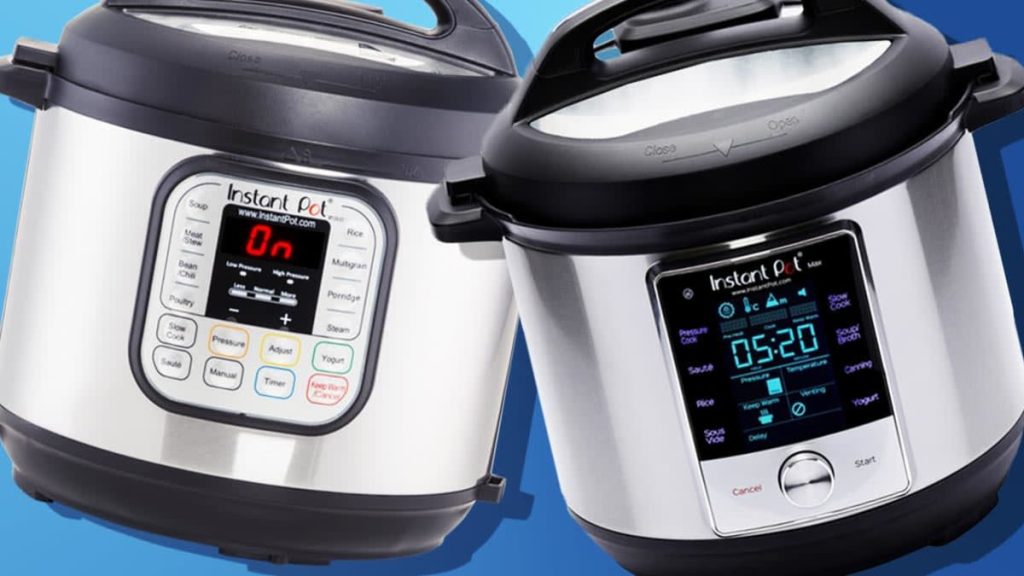
An Instant Pot is a brand of electric pressure cooker. It can do many cooking tasks beyond pressure cooking.
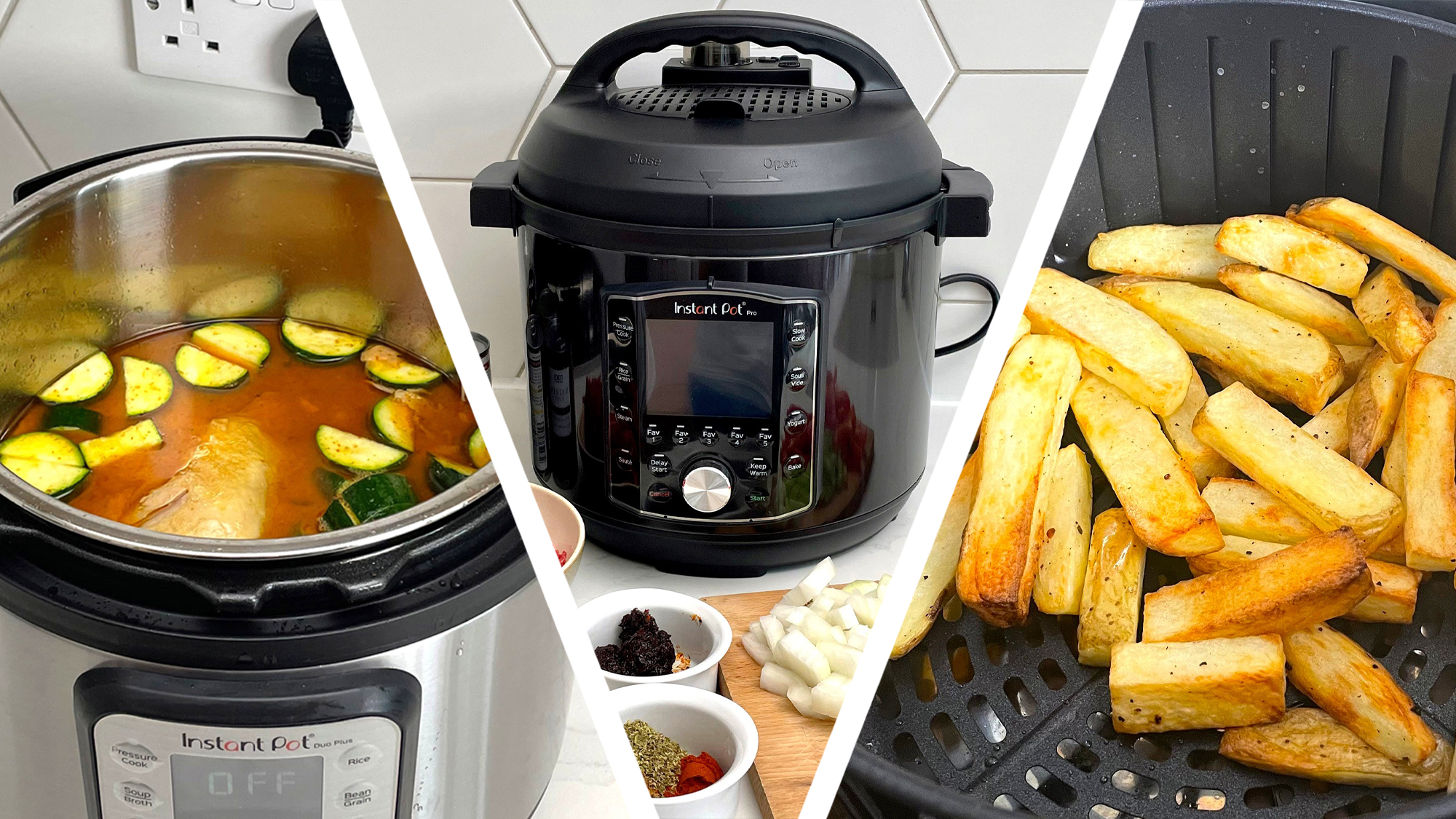
It has a digital control panel and built-in safety features. You can cook rice, steam vegetables, or slow cook meals.
- Electric and programmable
- Multiple cooking modes in one device
- Built-in timer and pressure control
Key Differences Between Instant Pots And Pressure Cookers
Instant Pots offer more functions than traditional pressure cookers. They are also easier to use for beginners.
Pressure cookers are simpler and may cook faster on a stove. Instant Pots provide convenience with digital settings.
| Feature | Instant Pot | Pressure Cooker |
|---|---|---|
| Power Source | Electric | Stove or electric |
| Functions | Pressure cook, slow cook, rice cook, steam, sauté | Pressure cook only |
| Controls | Digital buttons and timer | Manual pressure control |
| Safety Features | Multiple built-in safeties | Basic safety valve |
| Portability | Needs electric outlet | Can use on any heat source |
Which One Should You Use?
Choose a pressure cooker if you want a simple, fast cooker and have a stove. It is good for basic pressure cooking.
Choose an Instant Pot if you want more cooking options and easy controls. It works well in kitchens without a stove.
How Instant Pots Work
Instant Pots are popular kitchen devices that cook food quickly. They combine several cooking functions in one appliance.
These devices work by using pressure to speed up cooking. They trap steam inside, raising the temperature and cooking food faster.
Sealing And Building Pressure
Instant Pots have a sealed lid that locks during cooking. This seal traps steam inside the pot.
As the liquid inside heats, it creates steam. The trapped steam raises the pressure inside the pot.
- Sealed lid prevents steam from escaping
- Pressure inside the pot increases
- Higher pressure raises boiling temperature
Heating And Cooking Food Faster
Higher pressure means the boiling point of water goes up. This lets the food cook at a higher temperature.
Because the temperature is higher than normal boiling, food cooks faster than on a stovetop.
- Water boils above 212°F (100°C)
- Food cooks quicker under pressure
- Reduces cooking time by up to 70%
Safety Features And Pressure Release
Instant Pots include safety features to control pressure. They have valves that release steam if pressure gets too high.
After cooking, pressure must be released before opening the lid. This can happen naturally or quickly using a valve.
- Safety valves prevent excess pressure
- Natural release lets pressure drop slowly
- Quick release lets steam out fast
Multiple Cooking Functions
Instant Pots do more than pressure cooking. They also work as slow cookers, rice cookers, and steamers.
This is possible due to digital controls and preset programs. Users can select different modes for different recipes.
- Pressure cook mode for fast cooking
- Slow cook mode for longer cooking
- Rice cooking and steaming options
- Keep warm function after cooking
How Pressure Cookers Work
Pressure cookers cook food faster than regular pots. They use steam and high pressure to raise the boiling point of water.
This higher temperature cooks food quickly and makes it tender. The sealed lid keeps the steam trapped inside the pot.
Sealed Cooking Environment
Pressure cookers have a lid that locks tightly. This seal stops steam from escaping during cooking.
Trapping steam increases pressure inside the pot. This pressure raises the water temperature above 212°F (100°C).
- Steam builds up and presses on the food
- Higher pressure means higher temperature
- Food cooks faster and stays moist
Steam And Pressure Build-up
When heat is applied, water turns to steam inside the sealed pot. The steam creates pressure as it fills the space.
The pressure forces steam and hot water into the food. This speeds up heat transfer and cooking time.
- Steam pressure pushes heat into food quickly
- Food cooks faster than boiling or baking
- Pressure also helps break down tough fibers
Pressure Release Mechanism
Pressure cookers have a valve to release steam safely. This keeps the pressure from becoming too high.
After cooking, releasing pressure lets you open the lid. Some cookers have quick-release buttons, others release slowly.
- Pressure release prevents accidents
- Quick release stops cooking fast
- Natural release lets food rest and finish cooking

Credit: www.ebay.ca
Main Features Comparison
Instant Pots and traditional pressure cookers both cook food quickly using pressure. They share some features but also have key differences. Understanding these helps you choose the right one.
This comparison focuses on cooking functions, safety mechanisms, and ease of use. Each aspect shows how these devices work and what makes them unique.
Cooking Functions
Pressure cookers mainly cook food using steam pressure. Instant Pots have many more cooking options built in. This makes Instant Pots more versatile.
- Pressure cookers focus on high-pressure cooking only.
- Instant Pots offer pressure cooking plus slow cooking, sautéing, and more.
- Instant Pots have preset programs for rice, yogurt, soup, and others.
- Traditional pressure cookers usually require manual timing and heat control.
Safety Mechanisms
Safety is important with any pressure cooker. Instant Pots include several automatic safety features. Traditional pressure cookers rely more on manual safety checks.
- Instant Pots have lid lock systems to prevent opening under pressure.
- They include pressure release valves and sensors to monitor pressure and temperature.
- Traditional pressure cookers use weighted valves and gasket seals.
- Instant Pots often have alarms and automatic shut-offs for safety.
Ease Of Use
Instant Pots are designed for convenience. They have digital displays and preset buttons. This reduces the guesswork for cooking times and settings.
Traditional pressure cookers need more attention. You must watch the heat and time closely. They do not have digital controls.
- Instant Pots guide users with digital screens and timers.
- They require less monitoring during cooking.
- Pressure cookers need manual heat adjustment and timing.
- Instant Pots are easier for beginners and busy cooks.
Benefits Of Using An Instant Pot
Instant Pots are electric appliances that cook food quickly. They combine several cooking functions in one device.
Many wonder if Instant Pots are the same as pressure cookers. While they use pressure to cook, Instant Pots offer more features.
Saves Time In Cooking
Instant Pots cook food faster than traditional methods. The pressure cooking function reduces cooking time greatly.
This means you can prepare meals quickly on busy days without losing flavor or nutrients.
Multiple Cooking Functions
Instant Pots can pressure cook, slow cook, sauté, steam, and more. This replaces many kitchen appliances.
With one device, you can prepare a wide variety of dishes using different cooking styles.
Energy Efficient
Instant Pots use less energy than cooking on a stove or oven. They cook food faster with less heat loss.
This helps lower electricity or gas bills while still making meals efficiently.
Easy To Use And Clean
Instant Pots have simple buttons and presets for different foods. This makes cooking easy for beginners.
Most parts are removable and dishwasher safe, which makes cleaning quick and simple.
Keeps Food Flavorful And Nutritious
Pressure cooking seals in flavors and nutrients. Instant Pots keep food moist and tasty.
You get healthy meals with better texture and rich taste compared to some other cooking methods.

Credit: karacarrero.com
Benefits Of Using A Traditional Pressure Cooker
Traditional pressure cookers have been used for decades to prepare meals quickly. They use steam and pressure to cook food faster than regular pots.
Many people wonder if Instant Pots are the same as pressure cookers. While Instant Pots include pressure cooking, traditional pressure cookers offer unique benefits worth knowing.
Faster Cooking Times
Traditional pressure cookers reduce cooking time by increasing pressure inside the pot. This speeds up the cooking process and saves energy.
Energy Efficiency
Using a traditional pressure cooker uses less energy than cooking on a stove for a long time. It traps heat and steam, reducing fuel consumption.
Retains Nutrients And Flavor
Pressure cooking helps keep vitamins and minerals in food. It also locks in flavors better than boiling or frying.
Simple To Use And Clean
Traditional pressure cookers have a simple design with fewer parts. They are easy to operate and clean without complex controls.
- Easy lid locking system
- Few removable parts
- Durable metal construction
- Dishwasher safe in many models
Cost-effective Cooking Tool
Traditional pressure cookers are often less expensive than electric multi-cookers. They last long and need no electricity to work.
| Feature | Traditional Pressure Cooker | Instant Pot |
| Price | Lower | Higher |
| Electricity Needed | No | Yes |
| Parts | Few | Many |
| Cooking Speed | Fast | Fast |
| Cleaning | Simple | More Complex |
Common Misconceptions
Many people think Instant Pots and pressure cookers are the same. They often confuse these two kitchen tools.
This confusion comes from their similar cooking functions. But they have key differences that matter.
Instant Pots Are Just Pressure Cookers
People believe Instant Pots only pressure cook. Actually, Instant Pots do much more than that.
Instant Pots combine pressure cooking with slow cooking, rice cooking, sautéing, and steaming. A basic pressure cooker only cooks under high pressure.
All Pressure Cookers Are Electric Like Instant Pots
Some think all pressure cookers are electric devices. This is not true because many pressure cookers are stovetop models.
Stovetop pressure cookers need a burner to create heat. Instant Pots have built-in heating elements and digital controls.
Instant Pots Cook Food Faster Than Pressure Cookers
Many assume Instant Pots cook faster than traditional pressure cookers. Both cook food under pressure, which speeds up cooking.
Cooking times are mostly the same. The difference is in convenience and extra functions, not speed.
Pressure Cooking Is Dangerous
Some people worry that using Instant Pots or pressure cookers is unsafe. Modern models have many safety features to prevent accidents.
Both Instant Pots and pressure cookers have locking lids and pressure release valves to keep users safe.
Which One Fits Your Kitchen?
Instant Pots and pressure cookers are popular kitchen tools. Both cook food quickly using steam pressure. Yet, they differ in features and use.
Choosing the right one depends on your budget, cooking style, and kitchen space. Let’s explore these factors to help you decide.
Budget Considerations
Pressure cookers usually cost less than Instant Pots. They have fewer parts and simpler designs. Instant Pots offer more functions but come with a higher price.
- Pressure cookers are more affordable
- Instant Pots include multiple cooking modes
- Extra features can raise Instant Pot prices
- Think about how much you want to spend
Cooking Style
Pressure cookers focus on fast, one-step cooking. Instant Pots allow slow cooking, sautéing, and yogurt making. This versatility suits different cooking habits.
| Feature | Pressure Cooker | Instant Pot |
| Pressure cooking | Yes | Yes |
| Slow cooking | No | Yes |
| Sautéing | No | Yes |
| Yogurt making | No | Yes |
| Preset programs | No | Yes |
Space And Portability
Pressure cookers are usually lighter and smaller. Instant Pots tend to be bulkier because of added parts. Consider your kitchen space and if you want to carry the cooker.
- Pressure cookers save counter space
- Instant Pots need more storage room
- Pressure cookers are easier to move
- Instant Pots may stay on the counter
Frequently Asked Questions
Are Instant Pots And Pressure Cookers The Same?
Instant Pots are a type of pressure cooker with advanced features. They offer multiple cooking functions like sautéing, slow cooking, and rice cooking. Traditional pressure cookers focus solely on high-pressure cooking. Instant Pots provide versatility and convenience, making them popular among home cooks.
How Do Instant Pots Differ From Pressure Cookers?
Instant Pots are multi-cookers offering various cooking functions. They can sauté, slow cook, and steam. Traditional pressure cookers focus on high-pressure cooking only. Instant Pots have digital controls and safety features, adding convenience and flexibility. They are ideal for modern kitchens seeking versatility.
Can Instant Pots Replace Traditional Pressure Cookers?
Yes, Instant Pots can replace traditional pressure cookers. They offer similar pressure cooking capabilities with added features. Instant Pots also provide slow cooking, sautéing, and steaming options. This versatility makes them a convenient and efficient kitchen appliance, appealing to modern home cooks.
Are Instant Pots Safer Than Pressure Cookers?
Instant Pots come with built-in safety features, making them safer than traditional pressure cookers. They have automatic pressure control, lid-locking mechanisms, and anti-blockage vents. These features reduce the risk of accidents and ensure a safer cooking experience, making Instant Pots a preferred choice.
Conclusion
Instant Pots and pressure cookers work on the same basic idea. Both use steam and pressure to cook food faster. But Instant Pots offer extra features like slow cooking and rice making. Traditional pressure cookers focus on just pressure cooking.
Choosing depends on your cooking needs and budget. Both save time and energy in the kitchen. Either can help you prepare meals quickly. Simple and useful tools for busy days. Consider what fits your style best. Cooking made easier, no matter the choice.