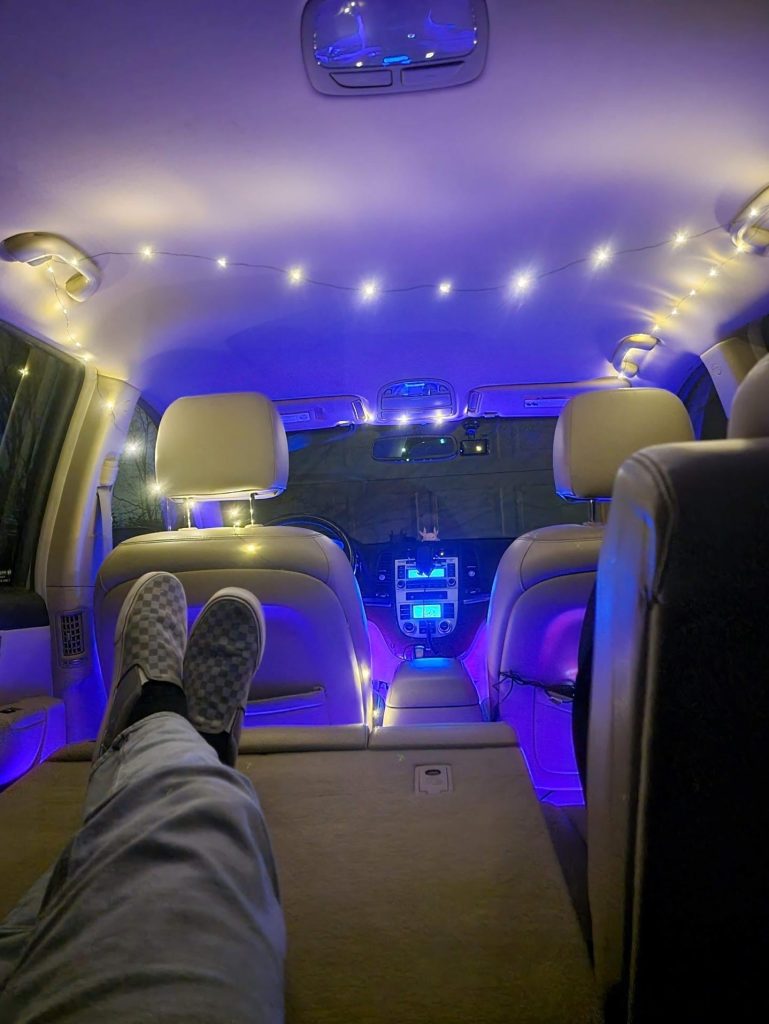
Have you ever wondered if the glowing interior lights in your car are actually legal? Maybe you love customizing your ride with colorful LED strips or bright cabin lights, but are unsure if they could get you into trouble with the law.
Understanding the rules about interior car lighting is more important than you might think—it can affect your safety, your wallet, and even your driving record. Keep reading to find out what you need to know to keep your car stylish and street-legal at the same time.

Credit: www.macon.com
Legal Basics Of Interior Car Lights
Interior car lights can add style and comfort to your vehicle. Knowing the legal rules helps you avoid fines or safety issues.
Different laws control how you use lights inside your car. These rules cover colors, brightness, and when you can use them.
Federal Regulations
The federal government sets rules for vehicle lighting to keep roads safe. Interior lights must not distract other drivers.
The National Highway Traffic Safety Administration (NHTSA) regulates vehicle lights. They focus mostly on exterior lights but interior lights can be affected.
- Interior lights should not be too bright or flashing
- Colors that look like emergency lights (red, blue) are usually banned
- Lights must not interfere with the driver’s view
State Law Variations
Each state has its own rules about interior car lights. Some states are strict, while others are more relaxed.
It is important to check local laws before installing or using special interior lighting in your car.
- Some states forbid red or blue interior lights
- Other states limit the brightness or type of interior lights
- Penalties vary from warnings to fines or car inspection failures

Credit: www.carsales.com.au
Common Types Of Interior Car Lights
Interior car lights come in many styles. They help drivers see inside the vehicle at night.
Some lights are built-in, while others can be added for style or function. Knowing the types helps you choose what is legal and safe.
Led Strips And Accent Lighting
LED strips are thin lights that can be placed under seats or along doors. They add a soft glow inside the car.
Accent lighting highlights parts of the car interior, like the dashboard or footwells. These lights use little power and last long.
- Easy to install with adhesive backing
- Available in many colors
- Can be dimmed for comfort
- Often used for decorative purposes
Neon And Colored Lights
Neon lights glow brightly and come in vibrant colors. They create a unique look inside the car.
Colored lights can be distracting if too bright. Some areas have laws about what colors and brightness are allowed in cars.
- Common colors include blue, red, and green
- May require special wiring or controllers
- Check local laws before installing
- Mostly used for show cars or events
Standard Dome Lights
Standard dome lights are built into most cars. They turn on when doors open or when switched on by hand.
These lights provide general illumination inside the car. They use simple bulbs or LEDs and are usually white or warm light.
- Located in the car ceiling
- Often controlled by door switches
- Essential for safety and visibility
- Usually legal and regulated by standards
Potential Legal Issues
Interior car lights add style but may cause legal problems. Laws differ by state and country. Knowing the rules helps you avoid fines or accidents.
Some light colors or placements can distract drivers or affect vehicle functions. This section explains key legal concerns about interior car lighting.
Distraction To Drivers
Bright or flashing interior lights can distract the driver and others on the road. This distraction can increase the risk of accidents. Many laws limit the brightness and type of interior lights allowed.
- Lights that flash or change colors rapidly are often banned.
- Lights must not shine directly into the driver’s eyes.
- Excessive brightness inside the car can reduce night vision.
- Some areas restrict any interior lights visible from outside the vehicle.
Interference With Vehicle Operation
Interior lights should not interfere with vehicle controls or safety features. Poorly installed lights can cause electrical problems or block important indicators.
| Issue | Potential Effect |
|---|---|
| Wiring interference | Short circuits, blown fuses |
| Light placement | Blocks dashboard indicators |
| Battery drain | Vehicle may not start properly |
Color Restrictions
Many laws restrict certain light colors inside cars. Colors used by emergency vehicles are usually banned to avoid confusion. Red and blue lights are the most regulated.
- Red and blue lights are often illegal inside civilian cars.
- Some states restrict green or amber lights to emergency vehicles.
- White and other neutral colors usually have fewer restrictions.
- Check local laws before installing colored interior lights.
Enforcement And Penalties
Interior car lights can affect safety and legality on the road. Police officers watch closely for illegal lighting during stops. Knowing enforcement rules helps avoid trouble.
Penalties for illegal interior lights vary by state. You must follow local laws to keep your vehicle compliant and avoid fines.
Traffic Stops And Inspections
During traffic stops, officers inspect your car’s lighting. Bright or unusual interior lights can draw attention. Officers check if lights distract other drivers or violate laws.
- Officers may ask you to turn off interior lights
- Lights that interfere with driving may lead to warnings
- Some states ban certain colors or brightness levels inside cars
- Refusing to comply can escalate the stop
Fines And Citations
Illegal interior car lights often lead to fines or citations. The amount depends on the state and the violation severity. Repeated offenses may cause higher penalties.
| Violation Type | Possible Fine | Additional Penalty |
| Improper color or brightness | $50 – $150 | Warning or citation |
| Lights causing distraction | $100 – $250 | Possible court appearance |
| Repeated offenses | Up to $500 | License points or suspension |
Vehicle Impoundment Risks
Illegal interior lighting may increase the chance of vehicle impoundment. Police might impound your car if violations are serious or repeated. Impoundment adds extra costs and inconvenience.
- Impoundment can last until fines are paid
- You may pay towing and storage fees
- Repeated violations increase impound risk
- Impoundment affects your driving record
Safe And Legal Interior Lighting Tips
Interior car lights can make your vehicle look nice and help you see inside. It is important to use lights that are safe and legal. Using the wrong lights can cause distractions or trouble with the law.
This guide shares tips on how to choose and install interior lights correctly. It also explains how to keep your lighting within legal limits.
Choosing Approved Lighting
Pick lights that meet safety rules in your area. Use lights that are made for cars and have the right certifications. Avoid very bright or flashing lights inside the car.
- Choose LED lights made for vehicles
- Check for approval marks like DOT or SAE
- Use colors that do not distract drivers or others
- Avoid red or blue lights that look like emergency vehicles
Installation Best Practices
Install interior lights safely to avoid electrical problems. Do not block your view or interfere with driving controls. Secure all wiring and keep lights away from flammable materials.
- Follow the car manufacturer’s instructions
- Use proper tools and connectors
- Place lights where they do not shine in the driver’s eyes
- Test lights before finishing installation
Maintaining Compliance
Check your local laws about interior car lighting regularly. Remove or change lights if they cause safety issues or legal problems. Keep your lighting clean and in good shape.
- Review traffic laws for your state or country
- Turn off interior lights while driving at night if distracting
- Replace broken or dim lights promptly
- Consult a professional if unsure about legality
Trends And Innovations In Interior Lighting
Interior car lights have changed a lot in recent years. New technology makes lights smarter and more flexible. These lights can improve the look and feel of a car’s interior.
It is important to know if these lights are legal. Laws about car lighting vary. Let’s look at popular trends and rules that affect interior car lights.
Smart Lighting Systems
Smart lighting systems use sensors and apps to control lights inside cars. They can change colors and brightness based on mood or time. Some systems react to music or driving conditions.
These systems add comfort and style. They also help save energy by adjusting light levels automatically. Drivers can customize lights without distraction.
Customization And Regulations
Many drivers want to customize interior lights with colors and effects. Laws limit which colors and brightness can be used. Blue and red lights are often reserved for emergency vehicles.
It is important to check local rules before adding new lights. Some places allow only white or amber lights inside the car. Bright lights that distract other drivers may be illegal.
- Check state and local vehicle codes
- Use only approved colors inside the car
- Avoid lights that shine outside the vehicle
Future Legal Considerations
As technology grows, laws may change to cover new light types. Wireless and voice-controlled lights might need new rules. Safety will stay a top concern for lawmakers.
Drivers should watch for updates on lighting laws. Using legal lights helps avoid fines and keeps roads safe. Innovations will likely blend style with safety in the future.

Credit: www.carsales.com.au
Frequently Asked Questions
Are Interior Car Lights Legal In All States?
Interior car light legality varies by state. Some states allow colored interior lights, while others restrict certain colors or brightness levels. Always check local laws before installing to avoid fines or violations.
Can Interior Car Lights Distract Other Drivers?
Bright or flashing interior lights can distract drivers. Laws often limit light intensity or color to prevent accidents. Use subtle, non-intrusive lighting to maintain safety and legality.
Do Interior Car Lights Affect Vehicle Inspection?
Interior lights generally don’t impact vehicle inspections. However, illegal colors or modifications might cause inspection failures. Ensure your lights comply with local vehicle codes to pass inspections smoothly.
Are Specific Colors Banned For Interior Car Lights?
Certain colors like red or blue are often restricted. These colors may be reserved for emergency vehicles. Check local regulations to avoid using prohibited interior light colors.
Conclusion
Interior car lights can add style and comfort to your vehicle. Still, knowing the legal rules is important. Laws differ by state and country, so check local regulations. Bright or flashing lights may cause trouble with the police. Use soft, steady lights inside your car to stay safe.
Always put safety and legality first when adding interior lighting. This way, you enjoy your car without any problems. Stay informed and drive smart.