Have you ever faced the dilemma of choosing the best air conditioner for your home? With the sweltering heat of summer, having a reliable air conditioner can be a lifesaver.
But when it comes to selecting the right one, the choices can be overwhelming. You’ve probably heard about inverter air conditioners and might be wondering if they are truly better. You’re not alone. Many people are asking the same question: Are inverter air conditioners really worth it?
Before you make a decision, let’s dive into what makes these appliances stand out. Are they more energy-efficient? Can they actually save you money on your electricity bill? By the end of this article, you’ll have the answers you need to make an informed choice. Keep reading to discover whether an inverter air conditioner is the perfect fit for your home and lifestyle.

Credit: www.achrnews.com
Inverter Vs Non-inverter Acs
Air conditioners come in two main types: inverter and non-inverter. Both cool rooms, but they work in different ways. Understanding these differences helps you choose the right AC for your needs.
This article explains how inverter and non-inverter ACs work and compares their energy use. This will help you learn which one might save more electricity.
Basic Working Differences
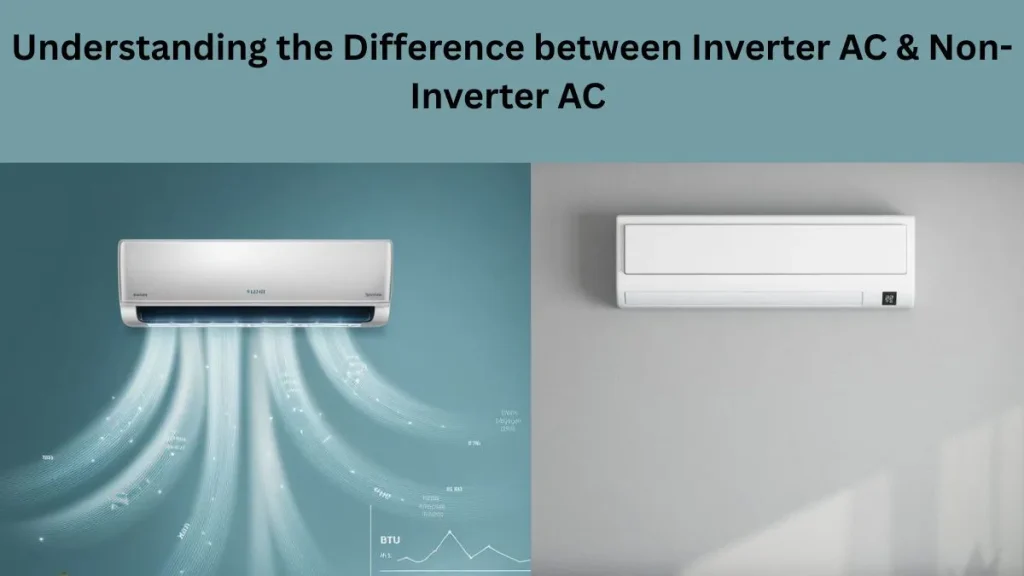
Inverter ACs have a variable speed compressor. They adjust their speed to keep the temperature steady. Non-inverter ACs have a fixed speed compressor that turns on and off.
Non-inverter ACs run at full power until the room is cool. Then, they stop completely. The inverter AC changes speed to use only the power needed to maintain temperature.
- Inverter AC compressor speed changes with cooling need
- Non-inverter AC compressor runs at full speed or stops
- Inverter AC keeps room temperature more stable
- Non-inverter AC causes temperature to rise and fall
Energy Consumption Patterns
Inverter ACs use less electricity because they avoid turning the compressor on and off. They run smoothly at lower power once the room is cool. Non-inverter ACs use more energy by starting and stopping often.
Frequent starts consume extra power. The inverter AC saves energy by adjusting power use. This can reduce your electricity bills over time.
- Inverter AC uses steady power with variable compressor speed
- Non-inverter AC uses full power on start and zero when off
- Inverter AC saves energy by avoiding frequent starts and stops
- Non-inverter AC may consume more due to power surges
Energy Efficiency Benefits
Inverter air conditioners use technology that adjusts their power. This helps save energy compared to regular air conditioners.
They run more smoothly and use less electricity while keeping rooms comfortable.
How Inverters Save Power
Inverter air conditioners change their compressor speed to match cooling needs. They do not turn on and off like normal units.
This steady running saves power because the system avoids big energy spikes. It uses just enough energy to keep the room cool.
- The compressor runs at variable speeds
- Less energy is wasted in starting and stopping
- Temperature stays steady without big changes
Impact On Electricity Bills
Because inverter air conditioners use less power, they reduce electricity bills. This is helpful for long-term savings.
Users often see lower monthly costs, especially when running the air conditioner for many hours.
- Lower power use means smaller bills
- Good for both homes and offices
- Can save up to 30% on electricity costs
Performance And Comfort
Inverter air conditioners use a variable speed compressor. This helps them run efficiently and keep rooms comfortable. They adjust their power to match the cooling needs.
Understanding how inverter ACs control temperature and noise can help you decide if they suit your home or office.
Temperature Control Accuracy
Inverter ACs keep room temperature steady by adjusting compressor speed. This means less temperature swings compared to non-inverter units. The result is a more comfortable environment.
- Inverter ACs adjust power smoothly
- They avoid sudden temperature changes
- They maintain the set temperature closely
- Non-inverter ACs turn on and off frequently
- This causes wider temperature fluctuations
Noise Levels Comparison
Inverter air conditioners usually run quieter. The compressor changes speed gently and does not start and stop often. This reduces noise in the room.
| Feature | Inverter AC | Non-Inverter AC |
|---|---|---|
| Compressor Operation | Variable speed, smooth | Fixed speed, on/off cycles |
| Noise Level | Lower and consistent | Higher and fluctuating |
| Comfort Impact | Less disturbance | More noticeable noise |
Cost Considerations
Choosing an inverter air conditioner involves thinking about costs. Some costs happen once. Others happen over time.
Understanding these costs helps you decide if an inverter AC fits your budget and needs.
Initial Investment
Inverter air conditioners usually cost more to buy than regular ones. This higher price is for the smart technology inside.
- Inverter AC units have advanced compressors.
- They use parts that save energy.
- Installation might cost a bit more because of wiring needs.
- Some brands charge higher prices for inverter models.
Long-term Savings
Inverter air conditioners save money on electricity bills over time. They adjust power use to cool efficiently.
| Feature | Benefit |
|---|---|
| Energy Use | Consumes less power than non-inverter units |
| Electricity Bills | Lower monthly costs |
| Maintenance | Fewer repairs due to smooth operation |
| Lifespan | Longer life because of less wear and tear |
Environmental Impact
Inverter air conditioners use less electricity than traditional models. This helps reduce energy waste and pollution. Their design allows them to adjust power use based on the room temperature.
Lower energy use means less harm to the environment. Choosing the right air conditioner can make a big difference in reducing your home’s carbon footprint.
Reduced Carbon Footprint
Inverter air conditioners run more efficiently by changing compressor speed. They avoid turning on and off frequently, which saves energy. Using less energy means fewer greenhouse gases are released.
Traditional air conditioners run at full power all the time. This wastes electricity and increases carbon emissions. Inverter models help lower your home’s overall carbon footprint.
- Adjust compressor speed to save energy
- Run continuously at lower power
- Reduce greenhouse gas emissions
- Lower electricity bills due to efficiency
Refrigerant Types And Eco-friendliness
Air conditioners use refrigerants to cool the air. Some refrigerants harm the ozone layer and increase global warming. New inverter models use eco-friendlier refrigerants.
Many inverter ACs now use refrigerants like R-32. This type has less impact on the environment than older refrigerants like R-22. Choosing units with safe refrigerants helps protect the planet.
- R-32 refrigerant has low global warming potential
- Older refrigerants like R-22 damage the ozone layer
- Eco-friendly refrigerants reduce environmental harm
- Proper disposal of refrigerants is important
Maintenance And Durability
Inverter air conditioners use advanced technology to run efficiently. Their maintenance and durability differ from traditional models. Understanding these differences helps you care for your unit better.
Proper maintenance keeps your inverter AC running longer. It also protects its key parts from damage. Durability means the unit will work well for many years with less repair.
Lifespan Expectations
Inverter air conditioners usually last longer than non-inverter models. Their parts face less stress due to smooth speed changes. This reduces wear and tear inside the machine.
The lifespan of an inverter AC can reach 10 to 15 years. Regular care and cleaning help reach this range. Quality of parts and installation also affect how long it lasts.
Common Maintenance Needs
Inverter air conditioners need regular cleaning of filters and coils. This keeps air flow smooth and stops dust buildup. Dirty parts make the system work harder and wear out fast.
Check refrigerant levels and electrical connections often. Low refrigerant or loose wires can cause problems. Also, inspect the outdoor unit for debris and clear any blockages.
- Clean or replace air filters every 1-3 months
- Clear dirt from condenser coils yearly
- Check refrigerant levels annually
- Inspect electrical connections regularly
- Keep outdoor unit free from leaves and dust
Ideal Usage Scenarios
Choosing the right air conditioner depends on your needs and space. Both inverter and non-inverter ACs have places where they work best.
Understanding these ideal usage scenarios can help you pick the best option for your home or office.
Best Conditions For Inverter Acs
Inverter air conditioners save energy by adjusting their cooling speed. They work well when you need steady, long-term cooling.
These ACs are great for places with varying temperatures and frequent use. They keep the room comfortable without turning on and off all the time.
- Rooms used for many hours daily
- Areas with changing outdoor temperatures
- Homes aiming to reduce electricity bills
- Spaces needing consistent temperature control
When Non-inverter Acs Might Work
Non-inverter air conditioners run at a fixed speed. They switch on and off to keep the temperature steady.
These ACs suit short-term or occasional use. They can be more affordable upfront and work well in small rooms.
- Rooms used only a few hours a day
- Small spaces with simple cooling needs
- Situations with limited budget for AC purchase
- Places with stable outdoor temperatures
Credit: www.tomsguide.com
Credit: www.forbes.com
Frequently Asked Questions
What Makes Inverter Air Conditioners More Efficient?
Inverter ACs adjust compressor speed, using less energy than traditional units. This leads to lower electricity bills and consistent cooling.
Are Inverter Air Conditioners Cost-effective In The Long Run?
Yes, despite higher upfront costs, inverter ACs save money by reducing energy consumption and maintenance expenses over time.
How Do Inverter Air Conditioners Impact Indoor Comfort?
They provide steady temperature control with fewer fluctuations, enhancing comfort by maintaining a consistent and pleasant indoor climate.
Do Inverter Air Conditioners Have A Longer Lifespan?
Inverter ACs experience less wear due to variable compressor speed, often resulting in longer operational life compared to non-inverter models.
Conclusion
Inverter air conditioners save energy and cut electricity bills. They adjust cooling power to match room temperature needs. This leads to less wear and longer machine life. Quiet operation makes them good for homes and offices. Though they cost more upfront, the savings balance it out.
Choosing an inverter AC means smarter cooling for comfort and cost. Simple and effective. A wise choice for many households.