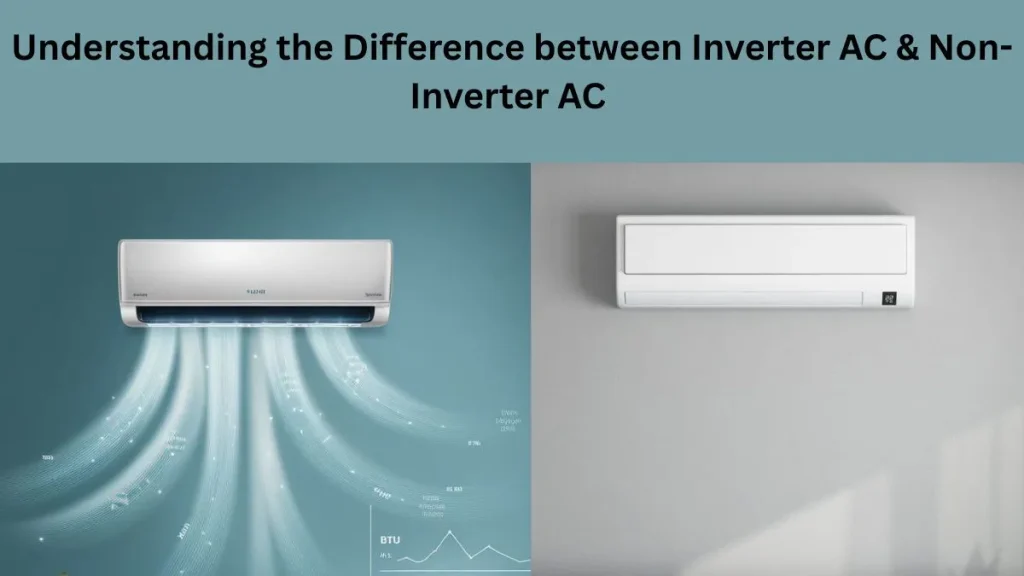
Are you thinking about upgrading your air conditioner but aren’t sure if an inverter model is worth it? You’ve probably heard the term “inverter air conditioner” but wonder how it really compares to traditional units.
Choosing the right air conditioner can affect your comfort, energy bills, and even the environment. You’ll discover what makes inverter air conditioners different and why they might be the smarter choice for your home. Keep reading to find out if an inverter AC is truly better for you.
How Inverter Acs Work
An inverter AC uses a variable speed compressorto control cooling. Unlike regular ACs, it does not turn on and off repeatedly. Instead, it adjusts its speed based on the room temperature. This helps maintain a steady temperatureand saves energy.
The energy consumptionof inverter ACs changes with the compressor speed. When less cooling is needed, the compressor runs slower and uses less power. This contrasts with traditional ACs, which use full power each time they start. The result is lower electricity billsand a longer lifespanfor the AC unit.

Credit: www.achrnews.com
Energy Efficiency Compared
Inverter air conditionersadjust their speed to keep the room cool. Non-inverter models turn on and off repeatedly. This causes more energy use and wear on the unit.
Inverter models use less electricitybecause they run at variable speeds. Non-inverter ACs run at full power all the time.
| Feature | Inverter AC | Non-Inverter AC |
|---|---|---|
| Energy Use | Lower | Higher |
| Electricity Bill | Smaller | Larger |
| Temperature Control | Stable | Fluctuates |
| Noise Level | Quieter | Louder |
Electricity bills are usually lowerwith inverter ACs. They use power more efficiently, saving money over time.
Performance And Comfort
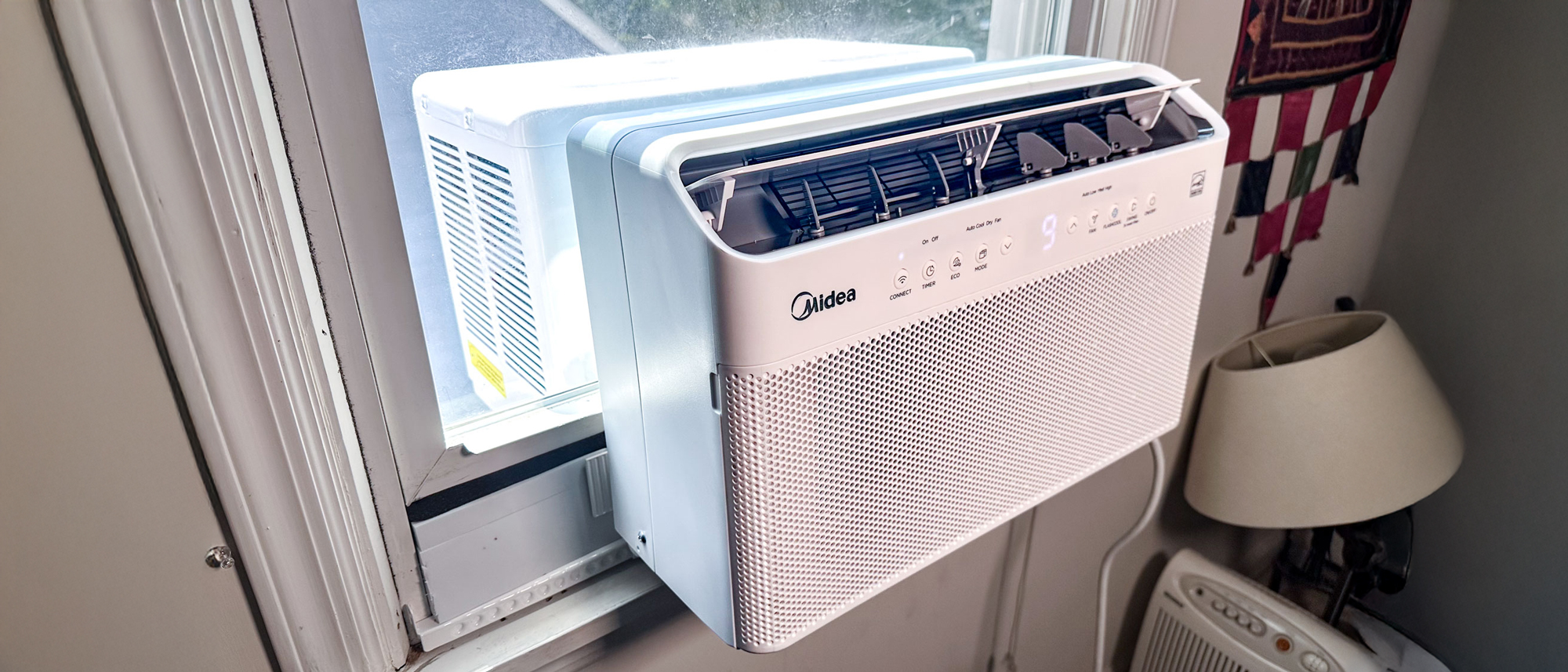
Inverter air conditionersmaintain a steady room temperature by adjusting compressor speed. This leads to better temperature controland less energy use. The unit runs continuously but at a lower speed, avoiding sudden cold or hot bursts.
Noise levels are usually quieterwith inverter models. The compressor doesn’t turn on and off frequently, reducing loud sounds. This creates a more comfortable and peaceful environmentfor homes or offices.
Credit: www.tomsguide.com
Cost Considerations
The initial costof inverter air conditioners is usually higher than regular ones. This is due to the advanced technologyused in inverters. Many people hesitate because of this upfront price.
Long-term savings come from lower electricity bills. Inverters adjust their speed and use less power. This means energy efficiencyand less waste.
Regular air conditioners often use more power as they turn on and off repeatedly. In contrast, inverter ACs run smoothly and save energy. This leads to better savings over time.
| Cost Factor | Inverter AC | Regular AC |
|---|---|---|
| Initial Price | Higher | Lower |
| Electricity Use | Lower | Higher |
| Maintenance | Moderate | Moderate |
| Long-Term Cost | Lower | Higher |
Environmental Impact
Inverter air conditioners use less energy, reducing carbon emissions and helping the environment. They adjust power smoothly, avoiding waste and lowering electricity use. This makes them a greener choice compared to traditional units.
Reduced Carbon Footprint
Inverter air conditionersuse less energy by adjusting compressor speed.
This means they consume less electricitythan traditional units.
Lower energy use leads to a smaller carbon footprintand less pollution.
Sustainable Cooling Solutions
- Energy efficiencyhelps save natural resources.
- They produce less heat, reducing overall environmental strain.
- Longer lifespan means fewer units end up as electronic waste.
Maintenance And Durability
Inverter air conditioners need less maintenance due to fewer start-stop cycles. Their durable parts last longer, saving repair costs over time.
Lifespan Expectations
Inverter air conditionersusually last longer than traditional models. They work by adjusting the compressor speed, which reduces wear and tear. This gentler operationhelps extend the unit’s life. On average, inverter ACs can last around 10 to 15 years, depending on use and care.
Common Maintenance Needs
- Regular filter cleaning:Keeps air clean and improves efficiency.
- Check refrigerant levels:Ensures cooling works well.
- Inspect electrical connections:Prevents breakdowns and safety issues.
- Clean coils:Helps maintain good airflow and cooling.
- Schedule professional servicing:Helps spot problems early.
When To Choose Inverter Ac
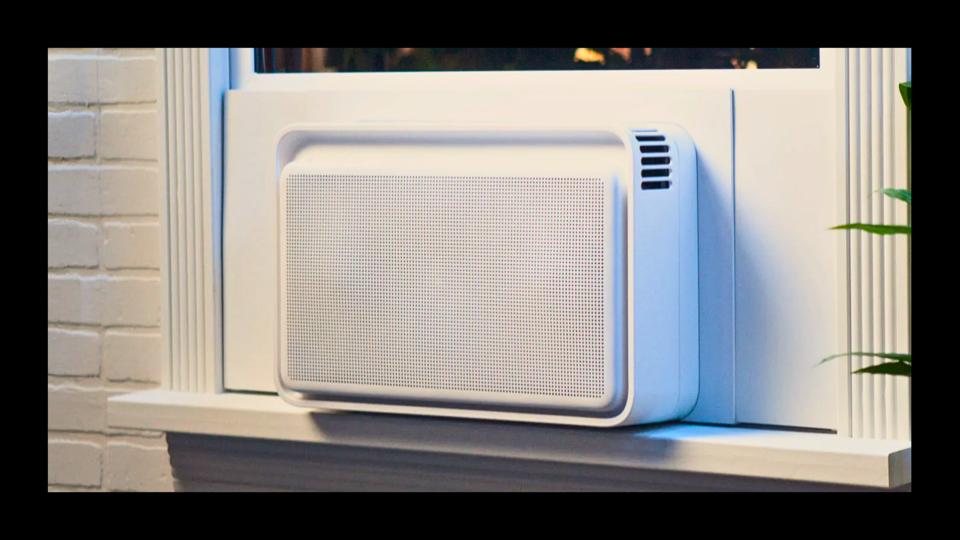
Inverter ACswork best in places with variable temperatures. They adjust power to keep rooms cool without wasting energy. Perfect for areas where you use AC for many hours daily.
They suit homes and offices where temperature changes often. These ACs save electricity by running slower when less cooling is needed. This means lower billsand less noise.
| Climate | Usage | Why Inverter AC? |
|---|---|---|
| Hot and humid | Long hours | Maintains steady cooling, saves power |
| Mild temperature | Frequent on/off | Adjusts speed, reduces wear and tear |
| Cold at night | Daytime use | Runs low power when less cooling needed |
Credit: www.forbes.com
Frequently Asked Questions
What Are Inverter Air Conditioners?
Inverter air conditioners use a variable-speed compressor to regulate temperature efficiently. They adjust power based on cooling needs, saving energy and reducing electricity bills. Unlike traditional models, inverter ACs maintain a constant temperature, enhancing comfort. They are quieter, more durable, and environmentally friendly.
Ideal for consistent performance and long-term savings.
How Do Inverter Acs Save Energy?
Inverter ACs save energy by adjusting compressor speed to match cooling demand. This reduces energy consumption compared to fixed-speed models. They avoid power surges by starting softly, reducing electricity bills. By maintaining a steady temperature, they eliminate the need for frequent on-off cycles, optimizing efficiency and comfort.
Are Inverter Acs Quieter Than Traditional Models?
Yes, inverter ACs are quieter than traditional models. Their variable-speed compressors operate smoothly without frequent start-stop cycles. This reduces noise levels significantly. The continuous operation at lower speeds ensures a consistent and quieter cooling experience. Ideal for maintaining a peaceful environment in homes and offices.
Do Inverter Acs Offer Better Temperature Control?
Inverter ACs offer superior temperature control by adjusting compressor speed. This allows precise regulation of indoor climate. They maintain a constant room temperature, enhancing comfort. By avoiding temperature fluctuations, inverter ACs provide a more stable and pleasant cooling experience, ideal for varied weather conditions and user preferences.
Conclusion
Inverter air conditioners save energy and reduce electricity bills. They keep room temperature steady and work quietly. These units last longer due to less wear and tear. Though they may cost more upfront, the savings add up over time. Choosing an inverter AC means comfort and efficiency combined.
It suits homes where saving power matters most. Simple to use and maintain, they fit many needs. Consider your budget and usage before deciding. Inverter air conditioners offer good value for many users.