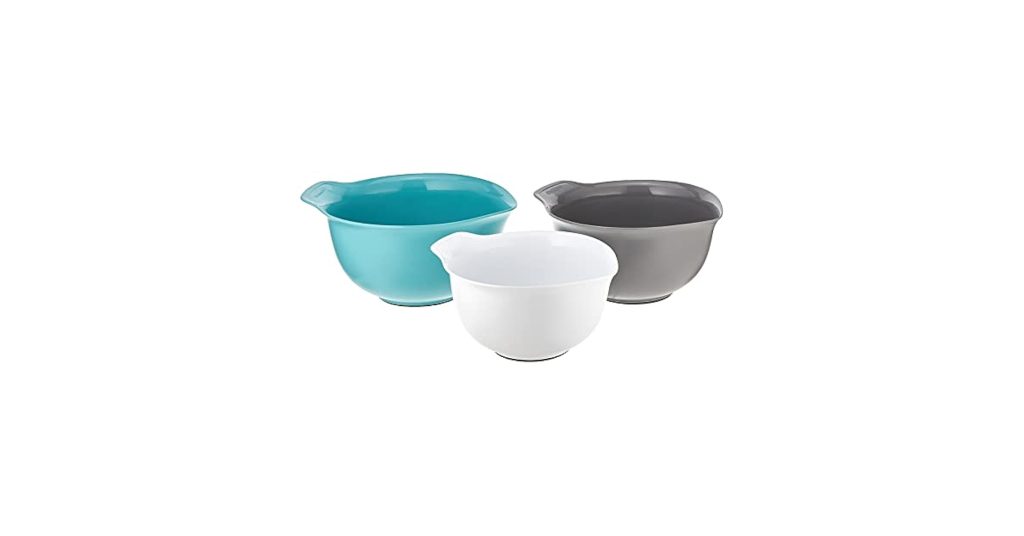
Are you wondering if your KitchenAid mixing bowls can go straight into the dishwasher? You’re not alone.
When you’ve just finished baking or cooking, the last thing you want is a pile of stubborn dishes to scrub. Knowing whether your KitchenAid bowls are dishwasher safe can save you time and hassle. You’ll get clear, simple answers that help you take care of your bowls the right way—so they stay in great shape for every recipe you try.
Keep reading to discover the best cleaning tips and avoid common mistakes that could damage your favorite kitchen tools.
Kitchenaid Bowl Materials
Kitchenaid mixing bowls come in different materials. Each material has its own care and cleaning needs.
Knowing the material helps you decide if the bowl is dishwasher safe. Let’s explore the common Kitchenaid bowl materials.
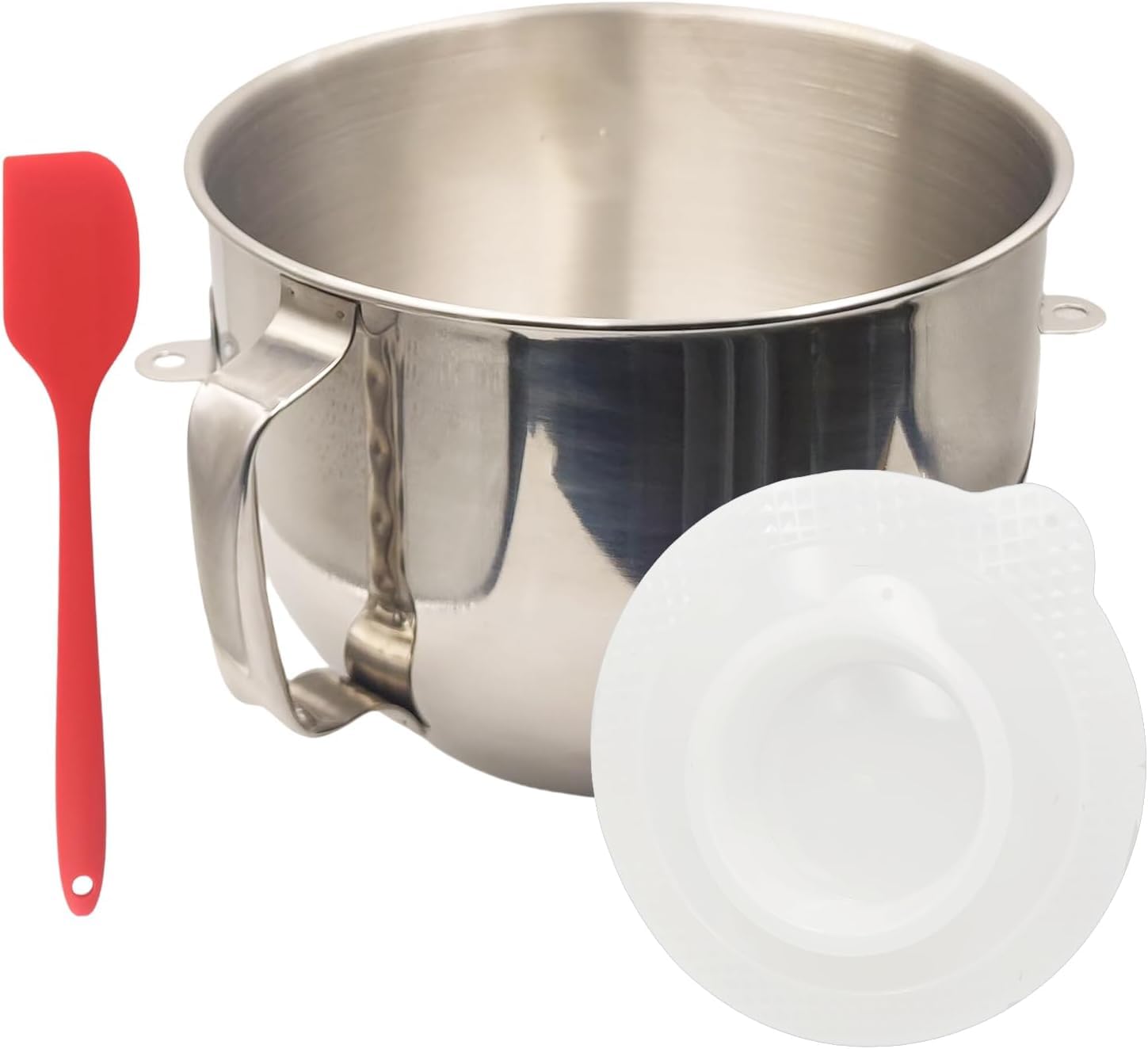
Stainless Steel Bowls
Stainless steel bowls are durable and lightweight. They resist stains and odors well.
These bowls are usually dishwasher safe. You can clean them easily without damage.
Glass Bowls
Glass bowls offer a clear view of your mix. They do not absorb smells or colors.
Most glass bowls are dishwasher safe. Still, avoid sudden temperature changes to prevent cracking.
Ceramic Bowls
Ceramic bowls have a heavy and solid feel. They often have decorative designs.
Some ceramic bowls are dishwasher safe. Check the manufacturer’s instructions to be sure.
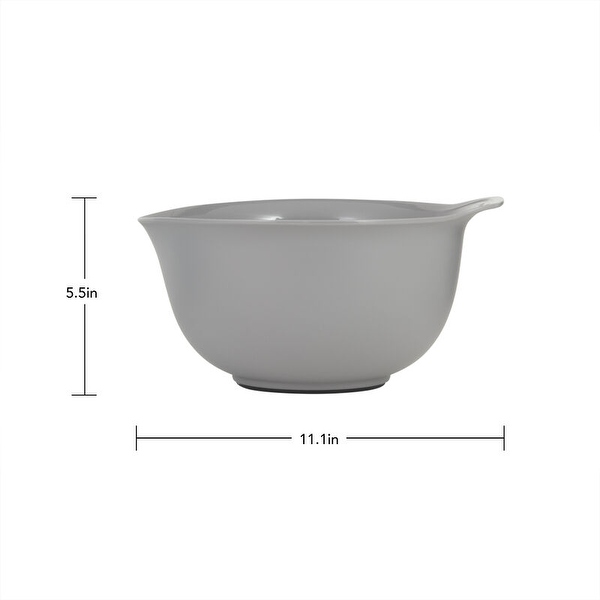
Plastic Bowls
Plastic bowls are light and affordable. They may scratch or stain over time.
Many plastic bowls are dishwasher safe. Use the top rack to avoid heat damage.
Credit: www.amazon.com
Dishwasher Safety By Material
KitchenAid mixing bowls come in different materials. Each type handles dishwasher cleaning differently. Knowing the material helps keep bowls safe and lasting longer.
This guide explains dishwasher safety for stainless steel, glass, ceramic, and plastic KitchenAid bowls.
Stainless Steel Durability
Stainless steel bowls are strong and resist rust. They usually hold up well in the dishwasher. But avoid harsh detergents and high heat to keep shine.
Glass Resistance To Heat
Glass bowls tolerate dishwasher heat well. They do not stain or absorb smells. Use the top rack to prevent chips and cracks from dishwasher jets.
Ceramic Care Tips
Ceramic bowls are beautiful but need gentle care. Dishwasher heat may cause cracks or fading over time. Hand washing is best for lasting color and finish.
- Use mild dish soap
- Avoid sudden temperature changes
- Dry bowls thoroughly after washing
- Check for chips before dishwasher use
Plastic Bowl Limitations
| Plastic Type | Dishwasher Safe | Notes |
| High-quality BPA-free | Usually yes | Use top rack only |
| Thin or low-grade plastic | No | May warp or crack |
| Colored plastic | Sometimes | Colors may fade |
Plastic bowls can warp or fade in dishwashers. Always check the bowl’s label for dishwasher instructions.
Manufacturer Guidelines
Kitchenaid mixing bowls are popular kitchen tools. Understanding their care is important. This guide explains if they are dishwasher safe.
Following manufacturer advice helps keep your bowls in good condition. Learn the official cleaning rules, warranty info, and common myths.
Official Cleaning Instructions
Kitchenaid recommends hand washing most mixing bowls. Use warm water and mild soap for best results. Avoid abrasive scrubbers to prevent damage.
- Use a soft sponge or cloth
- Wash with warm, soapy water
- Rinse thoroughly to remove soap
- Dry with a soft towel after washing
Warranty And Dishwasher Use
Many Kitchenaid bowls are not covered under warranty if damaged by dishwasher use. The heat and detergent can cause warping or fading.
| Warranty Status | Dishwasher Use Allowed |
| Plastic Bowls | No |
| Stainless Steel Bowls | Yes, but gentle cycle recommended |
| Glass Bowls | Yes |
Common Misconceptions
Some users believe all Kitchenaid bowls are dishwasher safe. This is not true. Check the bowl type before cleaning.
Common myths include:
- All bowls resist high heat in dishwashers
- Dishwasher cleaning improves bowl lifespan
- Using dishwasher detergent does no harm
Credit: dornmusic.com
Tips For Safe Dishwasher Use
KitchenAid mixing bowls are often dishwasher safe, but you must use care. Proper dishwasher use helps keep the bowls clean and in good shape.
Follow these tips to protect your mixing bowls from damage and stains during washing.
Loading The Bowls Correctly
Place KitchenAid mixing bowls on the top rack of the dishwasher. The top rack avoids direct heat and pressure from the spray arms.
Make sure the bowls do not touch other dishes or the dishwasher walls. This prevents scratches and chips.
- Use the top rack only
- Keep bowls separated from other items
- Do not stack bowls inside each other
Choosing The Right Cycle
Select a gentle or normal cycle for KitchenAid mixing bowls. Avoid heavy or high-heat cycles that can cause damage.
Use low temperature settings to protect the finish and prevent warping or fading over time.
- Choose gentle or normal wash cycles
- Use low temperature settings
- Avoid heavy or high-heat cycles
Avoiding Damage And Stains
Do not overload the dishwasher to avoid bowls bumping into each other. This reduces the risk of cracks and chips.
Remove bowls soon after the wash cycle ends. Leaving them in the dishwasher can cause water spots and stains.
- Do not overload the dishwasher
- Remove bowls promptly after washing
- Use dishwasher-safe detergents only
- Check bowls for stains before drying
Alternative Cleaning Methods
Kitchenaid mixing bowls are durable and easy to clean. Sometimes you may want to use other cleaning methods besides the dishwasher.
Using gentle hand washing can protect your bowls and keep them looking new for longer. This guide shares simple ways to clean your bowls safely.
Hand Washing Best Practices
Wash your Kitchenaid bowls with warm water and mild dish soap. Avoid using harsh chemicals or abrasive pads.
Use a soft sponge or cloth to clean the inside and outside of the bowl. Rinse well to remove all soap residue.
- Use warm, soapy water
- Clean with a soft sponge or cloth
- Rinse thoroughly
- Dry with a soft towel to avoid water spots
Removing Tough Stains
For stubborn stains, fill the bowl with warm water and add a tablespoon of baking soda. Let it soak for 15-20 minutes.
After soaking, scrub gently with a soft sponge. Avoid steel wool or hard brushes that can scratch the surface.
- Mix warm water and baking soda
- Soak the bowl for 15-20 minutes
- Gently scrub with a soft sponge
- Rinse and dry completely
Maintaining Bowl Finish
To keep the bowl’s finish bright, avoid soaking it for too long. Dry the bowl right after washing to prevent water spots.
Store bowls in a dry place. Avoid stacking them tightly to prevent scratches and dents.
- Do not soak for long periods
- Dry immediately after washing
- Store in a dry, well-ventilated area
- Avoid stacking bowls tightly

Credit: www.amazon.com
Signs Your Bowl Needs Replacement
KitchenAid mixing bowls are durable but not last forever. Over time, you may see signs that tell you it is time to replace your bowl. Knowing these signs helps keep your kitchen safe and your food clean.
Check your bowl often for damage or changes. This way, you can know if it still works well or if you need a new one.
Visible Damage
Look closely at your bowl for cracks, chips, or deep scratches. These damages can worsen with use and may cause leaks or break while mixing.
Visible damage can also trap food or bacteria, making cleaning harder. If you see any of these problems, it is safer to replace the bowl.
- Cracks on the surface or edges
- Chips that change the bowl’s shape
- Deep scratches or worn spots
Loss Of Functionality
Your bowl should fit well with your KitchenAid mixer and stay stable during use. If it no longer locks in place or wobbles, it may be worn out.
Also, if the bowl does not hold ingredients properly or if the surface is rough, it may affect your mixing quality. These are signs to get a new bowl.
- Loose fit on the mixer
- Wobbling or instability
- Surface no longer smooth for mixing
Hygiene Concerns
Kitchen bowls must stay clean and safe for food. If your bowl has stains or smells that do not go away after washing, it may harbor bacteria.
Repeated use and washing, even in a dishwasher, can cause microscopic damage that holds germs. If you worry about hygiene, replacing the bowl is wise.
- Persistent stains that do not wash out
- Unpleasant odors after cleaning
- Rough spots that trap food particles
Frequently Asked Questions
Are Kitchenaid Mixing Bowls Dishwasher Safe?
Yes, most Kitchenaid mixing bowls are dishwasher safe. It’s advisable to check the manufacturer’s instructions for specific care guidelines. Plastic bowls can be placed on the top rack, while stainless steel bowls can go anywhere in the dishwasher.
Can I Wash Kitchenaid Bowls In The Dishwasher?
Absolutely, you can wash Kitchenaid bowls in the dishwasher. Ensure plastic bowls are on the top rack to avoid warping. Stainless steel bowls are more durable and can be placed in any section of the dishwasher.
Are Stainless Steel Kitchenaid Bowls Dishwasher Safe?
Yes, stainless steel Kitchenaid bowls are dishwasher safe. They are durable and can withstand high temperatures. Place them anywhere in the dishwasher for a thorough cleaning without worry.
Do Kitchenaid Plastic Bowls Warp In Dishwasher?
Kitchenaid plastic bowls might warp if placed on the bottom rack. Always put them on the top rack. This placement avoids exposure to high heat, preventing any potential warping or damage.
Conclusion
KitchenAid mixing bowls generally hold up well in dishwashers. Still, always check the manufacturer’s care instructions first. Avoid harsh detergents and high heat settings to keep bowls in good shape. Hand washing can extend their life even more. Simple care helps maintain their look and function.
Now you know how to clean your KitchenAid bowls safely. Enjoy easy cleanup with the right washing method.