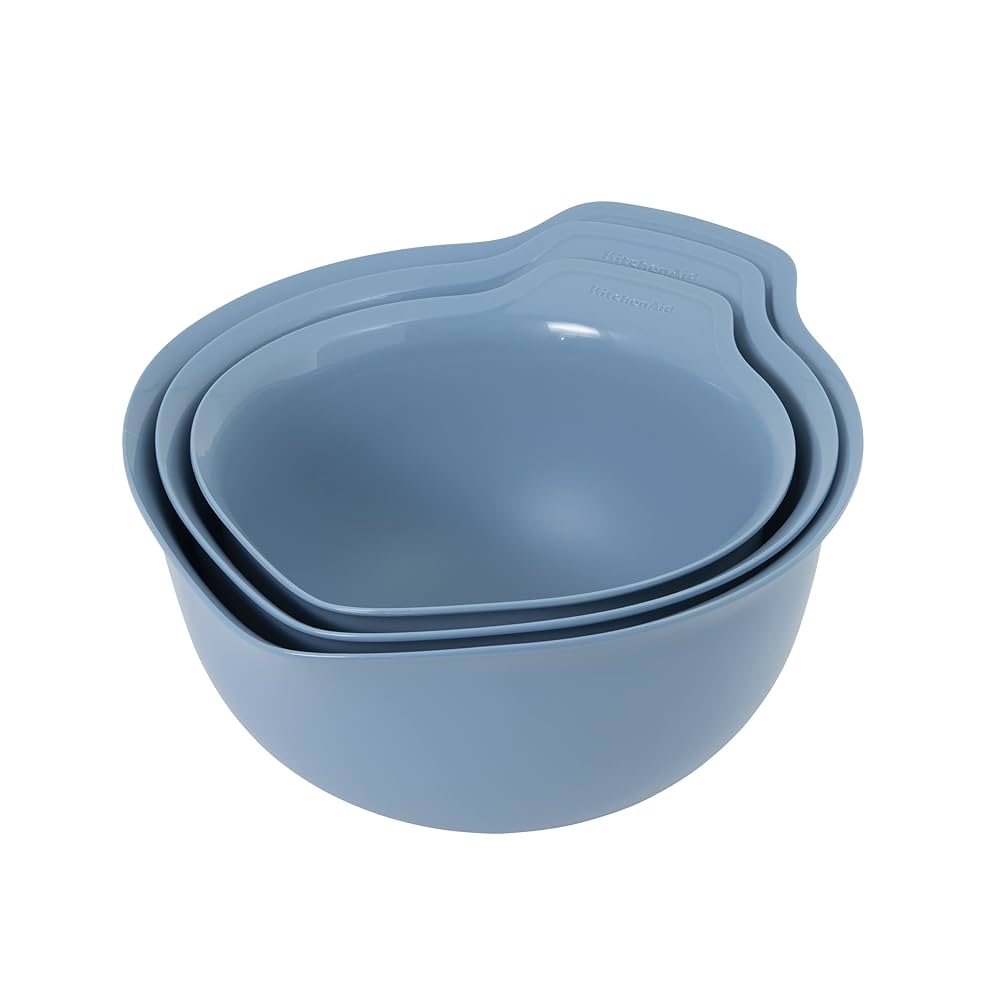
Are you wondering if your KitchenAid mixing bowls can go straight into the microwave? It’s a common question that many home cooks like you ask.
Knowing whether your bowls are microwave safe can save you time and prevent accidents in the kitchen. You’ll discover the truth about KitchenAid mixing bowls and their microwave safety. Keep reading to find out how to handle your bowls the right way and keep your cooking experience smooth and worry-free.
Material Of Kitchenaid Bowls
Kitchenaid mixing bowls come in different materials. Each material affects how you can use the bowl.
One common question is whether these bowls are microwave safe. This depends on what the bowl is made of.
Types Of Materials Used
Kitchenaid bowls are usually made from stainless steel, glass, or ceramic. Some models use plastic too.
- Stainless Steel:Durable and heavy, often used for stand mixer bowls.
- Glass:Clear and sturdy, good for watching the mix inside.
- Ceramic:Decorative and solid, sometimes used for serving bowls.
- Plastic:Lightweight, mostly for smaller or accessory bowls.
Impact On Microwave Safety
Microwave safety depends on the bowl’s material. Not all Kitchenaid bowls can go in the microwave.
Stainless steel bowls are not microwave safe. Metal can cause sparks and damage the microwave.
- Stainless steel: Never use in microwave.
- Glass: Usually microwave safe but check for labels.
- Ceramic: Often safe but avoid metallic paints or trims.
- Plastic: Some are microwave safe, but check the product details.

Credit: www.walmart.com
Microwave Compatibility
Many people wonder if KitchenAid mixing bowls can be used in the microwave. This is important to know for safe cooking and reheating. Not all bowls are microwave safe, so it is good to check before using them.
This article explains the microwave compatibility of KitchenAid mixing bowls. It also helps you understand the difference between metal and non-metal bowls. You will learn how to spot microwave-safe bowls too.
Metal Vs Non-metal Bowls
KitchenAid mixing bowls come in metal and non-metal materials. Metal bowls are usually made of stainless steel. Non-metal bowls can be glass, ceramic, or plastic.
Metal bowls are not safe for microwave use. They can cause sparks and damage the microwave. Non-metal bowls like glass or ceramic are often microwave safe. Always check the material before heating.
- Metal bowls: Not microwave safe
- Glass bowls: Usually microwave safe
- Ceramic bowls: Usually microwave safe
- Plastic bowls: Check for microwave-safe label
Signs Of Microwave Safety
Look for signs that show if a bowl is microwave safe. Many bowls have labels or symbols on the bottom. These help you know if you can use them in the microwave safely.
Here are common signs to watch for. If a bowl does not have these signs, it is better to avoid microwaving it to stay safe.
- Label saying “Microwave Safe”
- Microwave symbol (wavy lines)
- Glass or ceramic material
- No metal parts or decorations
- Manufacturer’s instructions stating microwave use
Risks Of Microwaving Incompatible Bowls
Not all mixing bowls are safe to use in the microwave. Using the wrong bowl can cause damage or create safety problems. It is important to know if your KitchenAid mixing bowls are microwave safe.
Microwaving bowls that are not made for it can lead to cracks, breaks, or even fires. Always check the material and manufacturer instructions before heating food.
Potential Damage To Bowls
Microwaving bowls that are not microwave safe can cause them to warp or crack. Heat can weaken the materials and shorten the life of the bowl.
Plastic or metal parts in some bowls can melt or spark in the microwave. This damages the bowl and can ruin your microwave too.
- Cracks and warping from heat
- Melting plastic parts
- Sparking from metal components
- Permanent discoloration or stains
Safety Hazards
Using bowls that are not microwave safe can cause burns or fires. Hot spots may form and cause the bowl to explode or leak hot food.
Sparking metal parts can start fires inside the microwave. This is a serious danger and can damage your kitchen appliances.
- Risk of burns from overheated bowls
- Fire hazards from sparks or melting
- Food contamination from damaged materials
- Microwave damage from sparks or leaks

Credit: www.homehardware.ca
Manufacturer Guidelines
Many people wonder if KitchenAid mixing bowls are safe to use in a microwave. It is important to follow the manufacturer’s advice to avoid damage or injury. This guide explains what KitchenAid says about microwave use.
Knowing the right care and use helps keep your mixing bowls in good condition. Always check the official recommendations before using them in any appliance.
Official Recommendations
KitchenAid advises against using most of their mixing bowls in the microwave. Many bowls are made of metal or have metal parts that can cause sparks and fire.
Some plastic or glass bowls may be microwave-safe, but only if marked clearly by the manufacturer. Always check the label or product details before microwaving.
- Do not microwave metal bowls or those with metal rims
- Use only microwave-safe bowls approved by KitchenAid
- Check product labels for microwave safety
Care Instructions
To keep your KitchenAid mixing bowls safe and durable, handle them properly. Avoid sudden temperature changes that can cause cracking or warping.
Wash bowls by hand or in the dishwasher if the label says it is safe. Do not use abrasive cleaners or scrubbers that may damage the surface.
- Do not heat bowls in the microwave unless marked safe
- Avoid sudden hot and cold temperature changes
- Use mild soap and a soft sponge for cleaning
- Check dishwasher instructions before placing bowls inside
Alternatives For Microwave Use
Many people wonder if KitchenAid mixing bowls are safe for microwave use. Most metal parts in these bowls make them unsuitable for microwaving. It is important to find other options to heat your ingredients safely.
This guide offers alternatives to using KitchenAid mixing bowls in the microwave. It also shares tips on safe heating practices to protect your food and kitchenware.
Microwave Safe Containers
Choose containers made from microwave-safe materials. Glass, ceramic, and some plastics are good choices. Avoid metal and bowls with metal trims.
- Use glass bowls labeled microwave safe
- Choose ceramic dishes without metallic paint
- Select plastic containers marked microwave safe
- Never use metal or aluminum foil in the microwave
Safe Practices For Heating Ingredients
Heating food properly helps prevent burns and uneven cooking. Follow these simple rules to heat ingredients safely in the microwave.
| Practice | Reason |
| Cover food with a microwave-safe lid | Prevents splatters and keeps moisture in |
| Stir food halfway through heating | Ensures even heat distribution |
| Use shorter heating times and check often | Avoids overheating and burning |
| Let food stand after heating | Allows heat to spread evenly |

Credit: www.kitchenaid.ca
Customer Experiences
Many people wonder if KitchenAid mixing bowls are safe to use in the microwave. Customers often share their experiences online to help others decide.
Some users have tried heating food or melting ingredients in these bowls. Their feedback shows what to expect and what to avoid.
Common Issues Reported
Some customers noticed that the KitchenAid mixing bowls are not microwave safe. They say the bowls can crack or get very hot quickly.
A few users also mentioned that the metal parts on some bowls cause sparks or damage inside the microwave.
- Bowls cracked after short microwave use
- Metal rims caused sparks and safety issues
- Some bowls became too hot to handle
- Plastic lids melted or warped
User Tips
Customers advise checking the bowl material before microwaving. Not all KitchenAid mixing bowls are made the same way.
Many suggest using microwave-safe containers instead to avoid damage or accidents.
- Look for microwave-safe labels on the bowl
- Avoid bowls with metal parts in the microwave
- Use lower power settings to reduce heat risks
- Remove plastic lids before microwaving
- Test with small amounts of food first
Frequently Asked Questions
Are Kitchenaid Mixing Bowls Microwave Safe?
Kitchenaid mixing bowls are generally not microwave safe. Most are made of plastic or metal, which can be damaged or cause sparks in the microwave. Always check the manufacturer’s guidelines on the bottom of the bowl for microwave safety instructions.
Can I Microwave Plastic Mixing Bowls?
Plastic mixing bowls are often not microwave safe. Some plastics can warp or release harmful chemicals when heated. Always check for a microwave-safe label before use. If unsure, transfer food to a microwave-safe container to ensure safety.
What Materials Are Microwave Safe?
Microwave-safe materials include glass, ceramic, and some plastics. Look for a microwave-safe label on the item. Avoid metal, as it can cause sparks and damage. Always follow manufacturer instructions for safe use in the microwave.
How Do I Check Bowl Microwave Safety?
Check the bottom of the bowl for a microwave-safe label or symbol. If it’s unclear, refer to the manufacturer’s instructions or website. When in doubt, avoid microwaving to prevent damage or safety hazards.
Conclusion
KitchenAid mixing bowls are generally not safe for microwave use. Most are made of metal or materials that can cause sparks. Using them in a microwave can damage the bowl and your appliance. For heating or mixing in a microwave, choose glass or microwave-safe containers instead.
Always check the product label or manual before microwaving. Keeping your kitchen safe is important. Use the right tools for the right job. This helps avoid accidents and keeps your equipment working well.