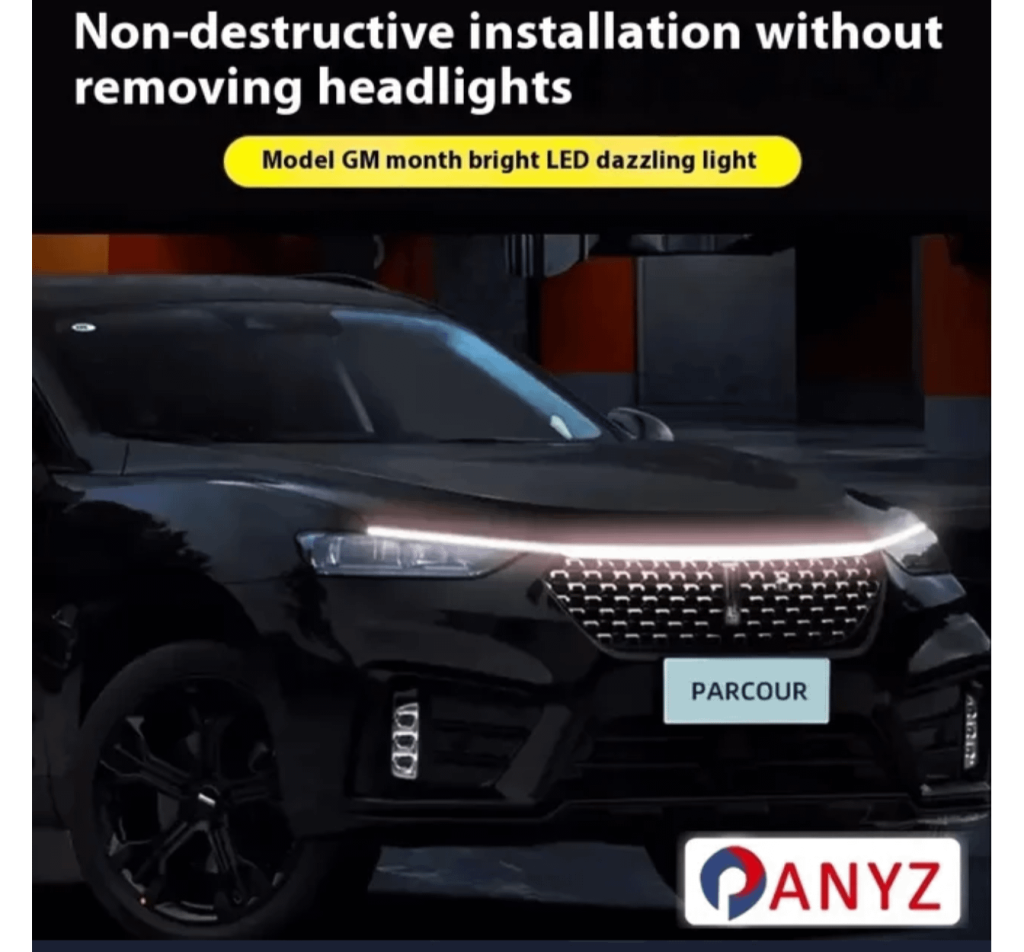
Are LED car lights legal? If you’ve been thinking about upgrading your vehicle’s lighting, this question is probably on your mind.
You want your car to look modern and bright, but you also don’t want to risk a ticket or safety issues. Understanding the rules around LED car lights can save you from costly fines and keep you safe on the road.
Keep reading, and you’ll discover exactly what the law says about using LED lights on your car—and how to stay fully legal while enjoying better visibility.
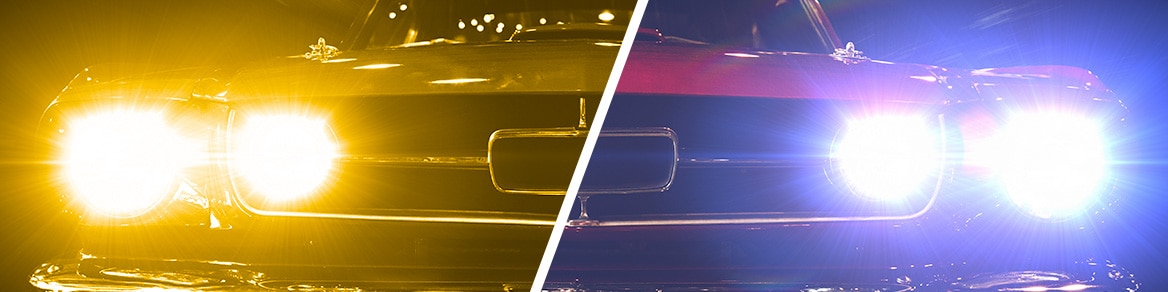
Credit: www.oreillyauto.com
Legality Of Led Car Lights
LED car lights are popular for their brightness and energy saving. Many drivers want to know if these lights are legal to use on the road.
The laws about LED car lights differ by country and region. It is important to understand the rules before installing them on your vehicle.
Federal Regulations
In the United States, the National Highway Traffic Safety Administration (NHTSA) sets rules for car lights. These rules include what types of lights are allowed on vehicles.
LED lights must meet specific standards for brightness and color. They must not blind other drivers or cause distraction.
State Laws Variation
Each state may have its own rules about LED car lights. Some states allow certain LED lights while others restrict or ban them.
Common restrictions include the color of the light, placement on the vehicle, and brightness limits.
- Some states only allow white or amber LED headlights
- Red or blue LEDs are often reserved for emergency vehicles
- Underbody or interior LED lights may be regulated differently
- Brightness limits help prevent glare and distraction
International Standards
Other countries have their own standards for LED car lights. These rules aim to keep roads safe and reduce accidents.
Many countries follow guidelines from the United Nations Economic Commission for Europe (UNECE).
- UNECE sets standards for light color and intensity
- European Union countries follow UNECE rules strictly
- Some countries require approval or certification for LED lights
- LED lights must not interfere with other road users
Types Of Led Car Lights
LED car lights are popular for their brightness and energy efficiency. They offer better visibility and last longer than traditional bulbs.
Different types of LED lights are used in various parts of a car. Let’s explore these types and their uses.
Headlights
LED headlights provide bright and clear light for nighttime driving. They help drivers see further and react quickly to road conditions.
- Projector headlights focus light more precisely.
- Reflector headlights spread light over a wider area.
- Matrix LED headlights offer adaptive lighting features.
Taillights
LED taillights are crucial for signaling and safety. They light up faster than regular bulbs, giving drivers behind more time to react.
LED taillights are often used for:
- Brake lights
- Turn signals
- Parking lights
Interior And Accent Lights
LEDs are also popular for interior and accent lighting. They enhance the car’s appearance and add a personal touch.
| Interior Lights | Uses |
| Footwell lights | Illuminating the car floor |
| Dashboard lights | Enhancing control visibility |
| Ambient lights | Creating a mood |
Common Legal Restrictions
LED car lights are popular for their brightness and style. Laws control how these lights can be used on vehicles. These rules help keep roads safe for everyone.
Understanding the legal limits for LED lights is important before installing them. Restrictions cover color, brightness, and where lights can be placed on a car.
Color Limitations
The color of LED lights on cars is often regulated by law. Certain colors are reserved for specific uses like emergency vehicles. Using the wrong colors can lead to fines or legal trouble.
- Red and blue are usually only for police and emergency cars.
- White lights are generally allowed for headlights and front lights.
- Amber or yellow lights are common for turn signals and hazard lights.
- Green and purple lights are often prohibited on public roads.
Brightness Levels
LED lights must meet brightness rules to avoid blinding other drivers. Laws set a maximum amount of light intensity that car LEDs can emit.
| Light Type | Maximum Brightness (Lumens) |
| Headlights | 3,000 |
| Fog Lights | 2,000 |
| Turn Signals | 1,000 |
| Brake Lights | 1,500 |
Placement Rules
Where LED lights are placed on a car matters for legality. Lights must not confuse other drivers or hide important signals.
- Headlights must be mounted at a set height and position at the front.
- Brake lights should be clearly visible from behind the vehicle.
- Turn signals need to be on both front and rear corners of the car.
- Underglow or decorative LED lights are often banned or restricted to show only when parked.

Credit: www.reddit.com
Risks Of Illegal Led Lights
Using LED car lights that are not legal can cause many problems. These risks affect your safety and your vehicle’s legality on the road.
Understanding these risks helps drivers avoid trouble and keep their vehicles safe for everyone.
Traffic Fines
Many places have strict laws about car lights. If your LED lights do not follow these rules, you can get fined. Police officers may stop you and issue a ticket for illegal lights.
- Fines vary by location but can be expensive.
- Repeated offenses may lead to higher fines.
- Illegal lights can cause your vehicle to be pulled over more often.
Vehicle Inspection Failures
Vehicles must pass inspections to be roadworthy. Illegal LED lights often fail these checks. This can stop you from renewing your registration or insurance.
| Inspection Item | Effect of Illegal LED Lights |
| Light Color | Fail if not approved color |
| Brightness Level | Fail if too bright or dim |
| Light Position | Fail if improperly placed |
Safety Concerns
Illegal LED lights can cause safety problems. They may blind other drivers or not light the road well. This increases the chance of accidents.
Safety risks include:
- Glare that affects oncoming drivers
- Poor visibility in bad weather
- Confusing signals for other road users
Choosing Legal Led Lights
LED car lights are popular for their brightness and efficiency. It is important to choose lights that follow the law.
Using illegal LED lights can cause fines or safety issues. This guide helps you pick legal LED lights for your car.
Certified Products
Choose LED lights that have official certification. Certified lights meet safety and performance rules.
Look for marks like DOT, SAE, or ECE on the product or packaging. These show the lights passed testing.
- DOT: Department of Transportation approval in the US
- SAE: Society of Automotive Engineers standards
- ECE: European Economic Commission certification
Proper Installation
Install LED lights correctly to avoid glare or poor visibility. Wrong installation can make lights illegal.
Follow the vehicle manufacturer’s instructions. Make sure lights are aimed at the right angle and height.
- Use proper wiring and connectors
- Check light alignment after installation
- Avoid mixing LED lights with old fixtures
Consulting Local Authorities
Local laws about LED car lights can differ. Check with your local authority before buying or installing.
Ask about rules for light colors, brightness, and placement. Some areas restrict certain LED styles.
- Contact your Department of Motor Vehicles (DMV)
- Visit local government websites for vehicle codes
- Ask car inspection centers for advice

Credit: www.sacbee.com
Future Trends In Led Lighting Laws
LED car lights are becoming more common on the road. Laws about them keep changing to keep roads safe.
Understanding future trends in LED lighting laws helps drivers stay legal and safe.
Technological Advances
LED lights are getting brighter and more energy-efficient. New designs allow better control of light spread.
These advances help car makers meet safety rules and improve night driving visibility.
- Adaptive LED headlights that change with road conditions
- Smart lighting systems linked to car sensors
- Longer-lasting LED bulbs reducing replacement needs
Regulatory Updates
Governments update LED lighting rules to match new technology. They set limits on brightness and color.
Future laws will likely focus on safety and reducing glare for other drivers.
- Stricter rules on LED light brightness and angles
- Standards for color temperature to avoid confusion
- Certification needed before LED lights can be sold
Impact On Vehicle Design
LED laws influence how cars are built. Designers must fit lights that follow legal rules.
This changes the shape and look of car front and rear lighting areas.
- Smaller, more precise light units
- Flexible lighting shapes for style and function
- Integration with sensors and cameras
Frequently Asked Questions
Are Led Car Lights Legal For Street Use?
LED car lights are legal if they meet local regulations. Always check your state or country laws before installation. Non-compliant lights may result in fines or vehicle inspection issues.
Can Led Headlights Cause Visibility Problems?
Properly installed LED headlights improve visibility and safety. Poor installation or non-approved LED kits can cause glare for other drivers, leading to hazards.
Do Led Car Lights Require Special Permits?
Most regions do not require permits for standard LED lights. However, some areas need certification for aftermarket LED modifications. Verify local laws to avoid penalties.
How Do Led Car Lights Compare To Halogen Lights?
LED lights are brighter, more energy-efficient, and last longer than halogen bulbs. They provide better illumination and reduce power consumption for your vehicle.
Conclusion
LED car lights have rules you must follow to stay legal. Different places have different laws about brightness and color. Always check your local rules before installing LED lights. Using legal lights helps keep roads safe for everyone. Choose lights that fit your car and meet the law.
Staying informed avoids fines and trouble with police. Bright, clear lights improve your driving at night. Safe lighting means safer trips for you and others. Keep your car lights legal and enjoy better visibility.