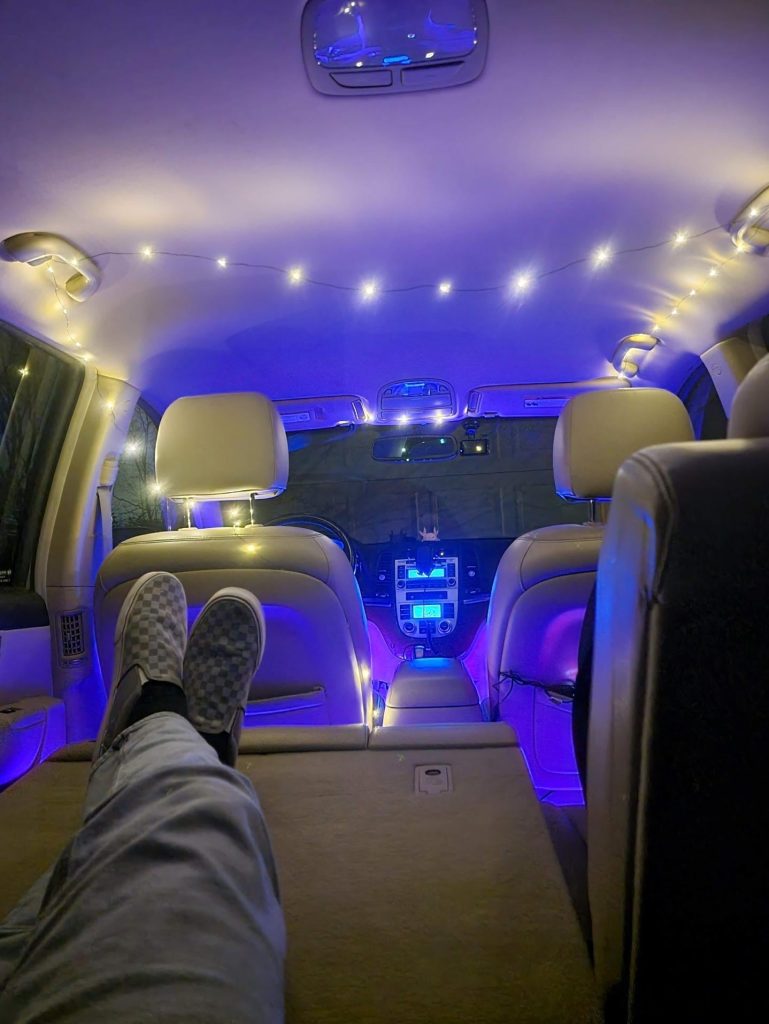
Are LED lights in your car illegal? It’s a question many drivers wonder about, especially if you love customizing your ride.
You might think adding bright, colorful LEDs makes your car look cooler and stand out on the road. But what if those lights could get you into trouble with the law? Before you install or switch on those flashy LEDs, you need to know the rules.
Keep reading, because what you don’t know about LED lights could cost you more than just a ticket.

Credit: www.carifex.com
Car Led Light Basics
LED lights in cars are small bulbs that use less power. They last longer than regular bulbs.
Many drivers like LED lights because they are bright and use less energy. But rules about them can differ.
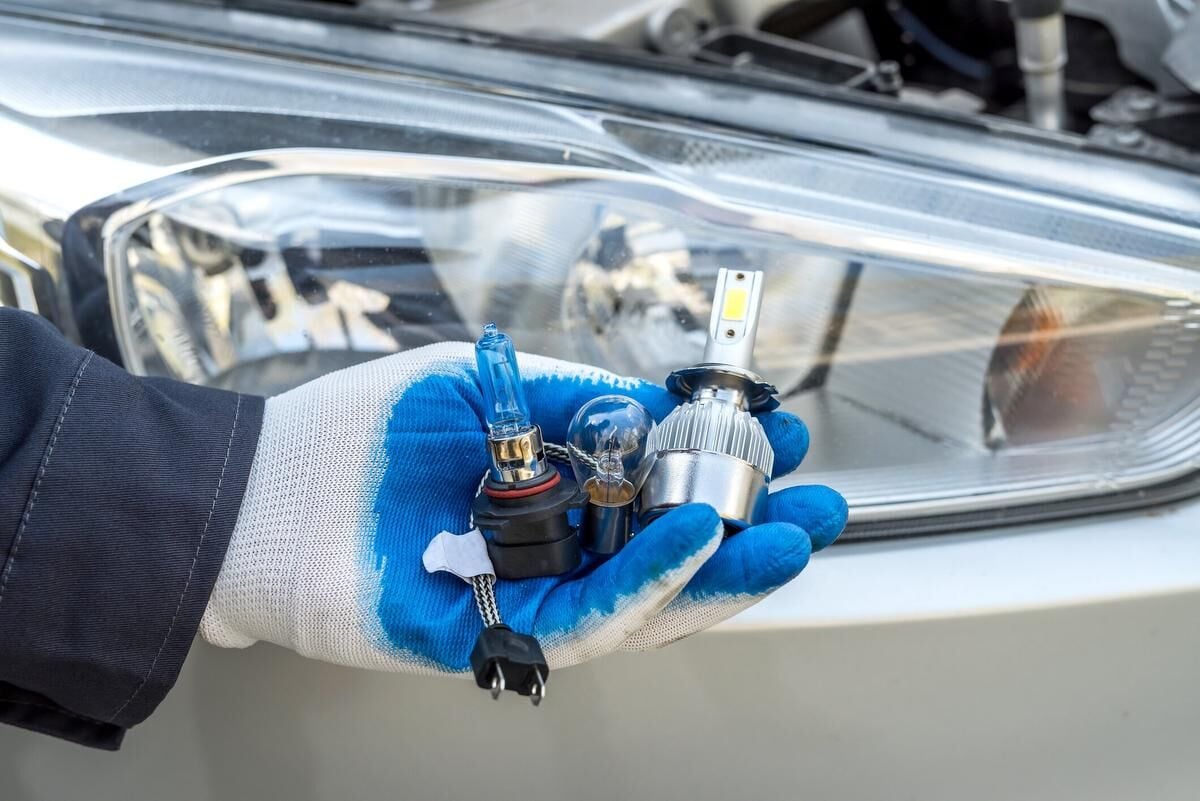
Types Of Led Lights Used
Cars use different types of LED lights for many functions. Each type has a special job in the vehicle.
- Headlights: Provide bright light for night driving.
- Tail Lights: Show the back of the car to others.
- Turn Signals: Indicate when the car is turning.
- Interior Lights: Light up the car’s inside.
- Brake Lights: Warn cars behind when stopping.
Common Uses In Vehicles
LED lights are popular in cars for many reasons. They improve safety and look modern.
Some common uses include better lighting for night driving and bright signals for other drivers.
- Bright headlights that use less energy
- Clear turn signals to show direction
- Strong brake lights for safety
- Decorative lights inside the car
- Daytime running lights for visibility
Legal Standards For Car Lighting
LED lights are popular in cars for their brightness and style. Some people wonder if they are legal to use on vehicles.
There are rules about car lighting to keep roads safe. These rules vary by where you live and the type of lights used.
Regulations By Region
Different countries and states have their own laws about LED car lights. Some places allow LED lights only in certain colors or positions.
In some regions, using aftermarket LED lights on headlights or taillights may be illegal. Other areas require lights to meet specific standards.
- United States: Rules vary by state; many follow federal guidelines.
- European Union: Strict standards on color and brightness for safety.
- Australia: Requires lights to be approved and meet brightness limits.
- Canada: Regulations depend on the province with specific restrictions.
Color And Brightness Restrictions
Car lights must use approved colors like white, amber, or red. LED lights that show blue or green are often illegal on cars.
Brightness must not be too high. Very bright LED lights can blind other drivers and cause accidents.
- Headlights usually must be white or yellow.
- Turn signals must be amber or sometimes red.
- Taillights must be red.
- Brightness limits prevent glare and improve safety.
Why Some Leds Are Illegal
LED lights in cars can be bright and stylish. Some people add them for looks or better lighting. But not all LED lights are allowed by law.
Rules exist to keep roads safe. Some LED lights can cause problems for drivers and pedestrians. This is why some LEDs are illegal.
Safety Concerns
LED lights that are too bright can blind other drivers. This can cause accidents or dangerous situations on the road.
Some LED colors, like blue or red, are reserved for emergency vehicles. Using these colors can confuse other drivers and cause delays.
- Too much brightness reduces visibility for others
- Wrong colors can be mistaken for police or ambulance lights
- Improper placement of LEDs can distract drivers
Interference With Other Drivers
LED lights that flash or change colors can distract other drivers. This can lead to confusion or sudden reactions.
Lights that are not steady or too bright can make it hard for drivers to judge distance and speed. This increases risk on the road.
- Flashing LEDs distract drivers from the road
- Bright lights can cause glare and reduce focus
- Unusual colors can confuse drivers about vehicle type
Legal Led Light Alternatives
LED lights can improve your car’s look and safety. Some LED lights on cars are illegal. This is because they may distract other drivers or not meet safety rules.
You can choose legal LED light options. These lights follow the laws and keep you safe on the road.
Approved Led Options
Some LED lights are approved for use on cars. These include headlights, tail lights, and turn signals. They must meet brightness and color rules set by law.
Only use LED lights designed for your vehicle. They should have proper certification and labels. This ensures they are legal and safe.
- White or amber LED headlights
- Red LED tail lights and brake lights
- Amber LED turn signals
- White LED backup lights
- LED daytime running lights (DRLs)
Proper Installation Tips
Correct installation keeps your LED lights legal and working well. Always follow the vehicle manufacturer’s guidelines. Do not mix LED colors or use too bright lights.
Use wiring and connectors made for automotive LED lights. Secure all parts to avoid damage from road bumps. Test lights after installation to make sure they work correctly.
- Check local laws before installation
- Match LED lights to original light colors
- Use approved LED bulbs and fixtures
- Hire a professional if unsure about wiring
- Test all lights after installation
Consequences Of Illegal Led Use
Using illegal LED lights in your car can cause serious problems. These lights may not meet safety rules. This can lead to trouble with the law and your vehicle.
It is important to know what happens if you use LED lights that are not allowed. The consequences affect your wallet and your car’s condition.
Fines And Penalties
Police can give you fines for using illegal LED lights. The amount depends on your location and how serious the offense is. Fines can be costly and add up quickly.
In some areas, you may also face penalties like points on your license. Too many points can lead to license suspension. It is best to avoid illegal LED lights to stay safe from these issues.
Vehicle Inspection Failures
Cars with illegal LED lights may fail vehicle inspections. This means your car is not roadworthy until you fix the lights. Inspection failures can delay your ability to drive legally.
Failing an inspection can cost money and time. You might need to replace the LED lights with approved ones. Keeping your lights legal helps pass inspections easily.

Credit: zerolimits2021.com
How To Check If Your Leds Are Legal
LED lights in cars look cool and save energy. But some LED lights can be illegal to use on roads.
You must check if your LED lights follow the rules. This keeps you safe and avoids fines.
Consulting Local Laws
Every place has different rules for car lights. Check your city or state laws first.
Some places allow only certain colors or brightness for LED lights. Others ban flashing or moving LEDs.
- Visit your local government website.
- Look for vehicle lighting or headlight rules.
- Ask your local police or vehicle department.
- Follow rules about color, brightness, and placement.
Using Certification Labels
LED lights should have certification labels. These labels show the lights meet safety standards.
Look for marks like DOT, SAE, or ECE on the LED packaging or lights. These prove the lights are legal.
- DOT:U.S. Department of Transportation approval.
- SAE:Society of Automotive Engineers standard.
- ECE:European safety certification.
Future Trends In Car Lighting
Car lighting is changing fast with new technology. These changes will make lights better and safer.
LED lights are popular now and will keep improving. Laws about car lights may also change soon.
Advancements In Led Technology
LED lights use less power and last longer than old bulbs. They give bright and clear light for better driving.
New LED designs allow lights to change shape and color. Cars can have smart lights that adjust to road conditions.
- Lower energy use saves battery life
- Longer lifespan reduces replacements
- Adaptive lights improve night driving
- Custom shapes add style and function
Potential Regulation Changes
Rules about LED car lights are strict to keep roads safe. Some colors or brightness levels are not allowed now.
New laws may allow more LED colors or smart features. Governments want to balance safety with new tech benefits.
- Limits on light color and brightness
- Approval for smart adaptive lights
- Stricter checks for illegal modifications
- Possible new standards for LED use
Credit: www.thestar.com
Frequently Asked Questions
Are Led Lights In Cars Street-legal?
LED lights in cars can be legal if they comply with local regulations. It’s crucial to check your state’s specific laws regarding brightness, color, and placement. Some jurisdictions have restrictions on certain colors and intensity to prevent distractions and ensure road safety.
Can I Use Colored Led Lights In My Car?
Using colored LED lights is often restricted to specific colors. Many states allow white, amber, and red, while blue and green might be prohibited. These regulations aim to prevent confusion with emergency vehicles. Always verify local laws before installing colored LED lights in your car.
Do Led Lights Affect Car Battery Life?
LED lights are energy-efficient and typically have a minimal impact on car battery life. They consume less power than traditional bulbs. However, if left on for extended periods without the engine running, they can still drain the battery. Always turn off lights when the vehicle is not in use.
How Do I Ensure My Led Lights Are Legal?
To ensure your LED lights are legal, consult local vehicle codes and regulations. Adhering to guidelines on brightness, color, and placement is essential. It’s also advisable to seek professional installation to comply with legal standards and maintain road safety.
Conclusion
LED lights in cars can be tricky to use legally. Different places have different rules about their colors and brightness. Always check local laws before installing LED lights. Using the wrong lights might cause fines or safety problems. Bright white or amber lights usually work fine.
Avoid colors like red or blue that can confuse other drivers. Staying safe and following rules keeps you and others protected. Choose LED lights carefully and drive with confidence.