Are you thinking about adding LED lights to your car but wondering if it’s actually legal? You’re not alone.
Many drivers want to upgrade their vehicles with bright, energy-saving LEDs but worry about breaking the rules. Knowing the laws around LED lights can save you from unexpected fines or even safety issues. You’ll discover exactly what’s allowed, what isn’t, and how to keep your car both stylish and street-legal.
Keep reading to get clear answers and avoid costly mistakes.
Led Lights On Cars
LED lights are common on cars today. They offer bright light with low power use. Many drivers like their look and performance.
People often wonder if LED lights are legal on vehicles. The laws can vary by location and light type.
Types Of Led Lights
There are several types of LED lights used on cars. Each has a specific role and design.
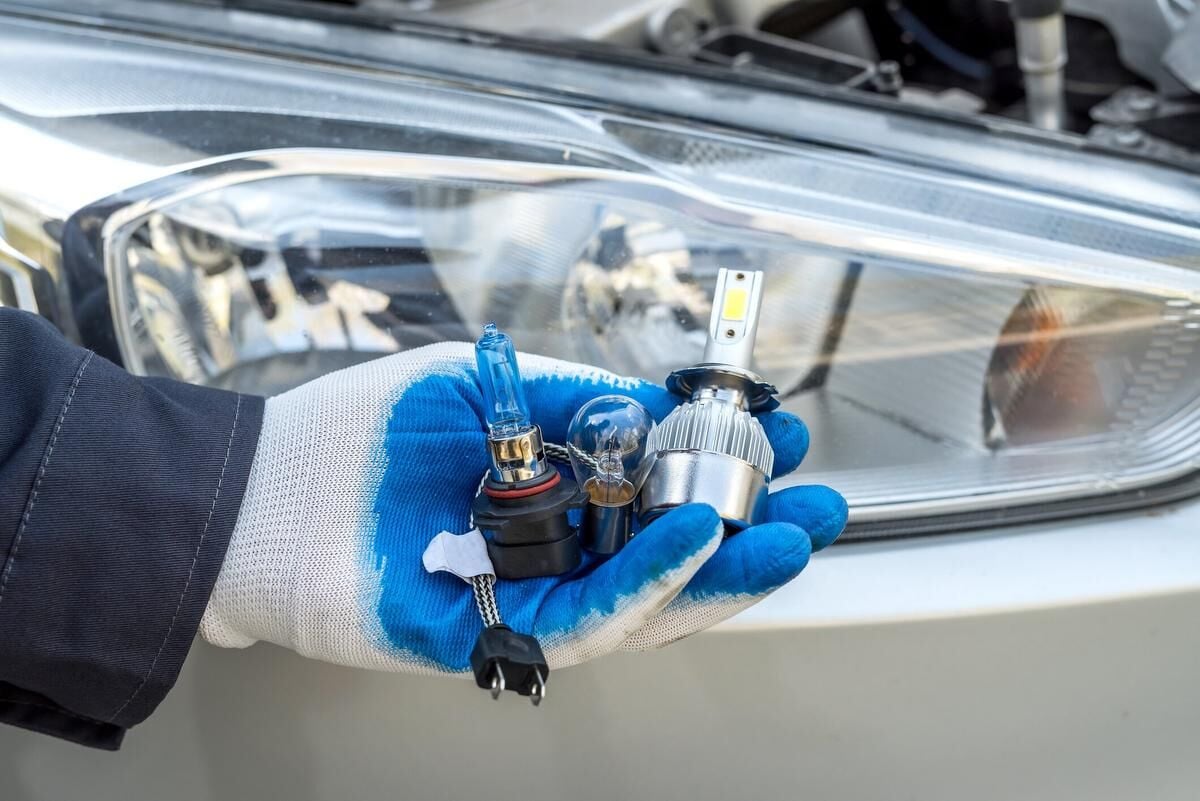
- Headlights: Provide bright white light for night driving.
- Taillights: Show red light to indicate the back of the car.
- Turn Signals: Flash amber light to show direction changes.
- Daytime Running Lights: Increase visibility during the day.
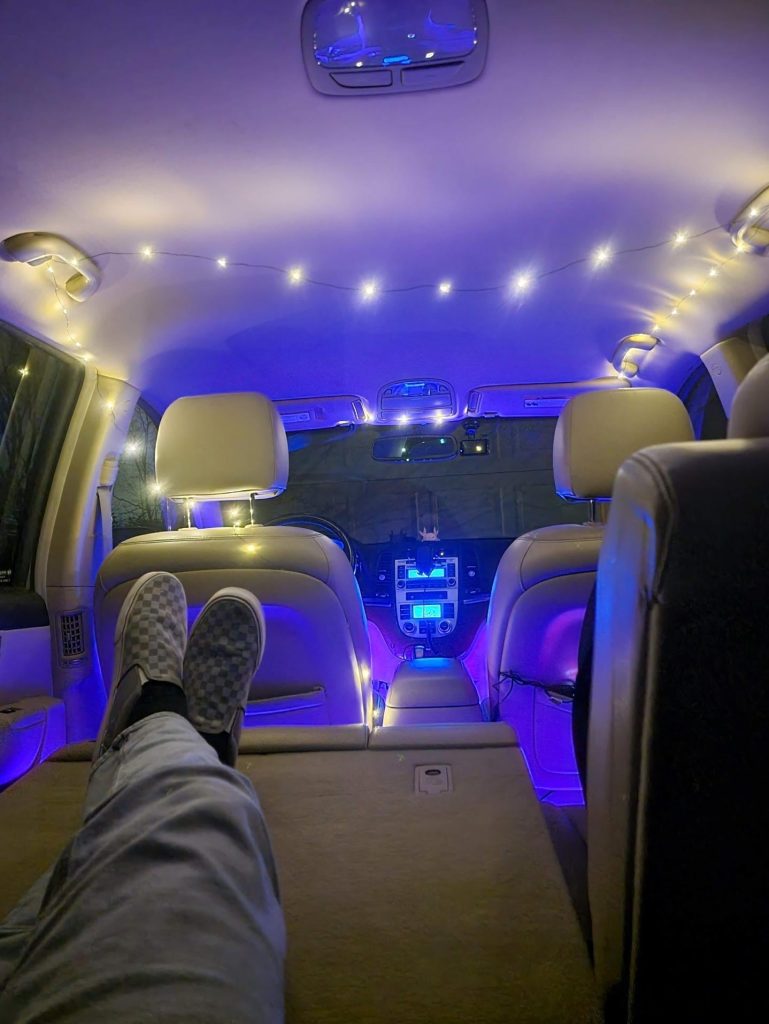
- Interior Lights: Light up the inside of the car.
- Underbody Lights: Decorative lights under the car’s frame.
Common Uses On Vehicles
LED lights serve many purposes on vehicles. Some are required by law. Others are for style or safety.
| Use | Purpose | Legal Notes |
| Headlights | Lighting the road ahead | Must meet brightness and color rules |
| Taillights | Show car’s rear to others | Red color required by law |
| Turn Signals | Signal direction changes | Must flash amber or red |
| Daytime Running Lights | Increase daytime visibility | Allowed if not too bright |
| Underbody Lights | Decorative lighting | Often restricted in some areas |
Credit: www.subaruoutback.org
Legal Restrictions
LED lights on cars are popular for their brightness and energy savings. Yet, laws limit how and where you can use these lights. Understanding these rules helps you stay safe and avoid fines.
This guide explains the main legal restrictions about LED lights on vehicles. It covers federal rules and state laws that you should know.
Federal Regulations
The federal government sets rules for vehicle lighting to ensure road safety. These rules apply across all states.
- LED lights must meet brightness limits to avoid blinding other drivers.
- Colors are regulated; red and blue are usually reserved for emergency vehicles.
- Lights must be properly mounted and not obstruct the driver’s view.
- Aftermarket LED lights must comply with standards from the Department of Transportation (DOT).
State-specific Laws
States can add their own rules about LED lights on cars. These laws vary widely and often include restrictions on color and placement.
| State | Allowed Colors | Common Restrictions |
|---|---|---|
| California | White, amber, red (no blue or green) | No flashing lights; lights must not be too bright |
| Texas | White, amber, red (blue only for emergency) | Colored lights not facing forward except white or amber |
| Florida | White, amber, red; blue only for police | No lights that imitate emergency vehicles |
| New York | White, amber, red | Restrictions on underglow and flashing |
Color And Brightness Limits
LED lights on cars must follow strict rules about color and brightness. These rules help keep roads safe for everyone. Drivers should know what colors and brightness levels are legal.
Different states may have specific laws, but most follow general guidelines. This guide explains the allowed colors and brightness standards for LED lights on vehicles.
Allowed Colors
The color of LED lights on cars is limited by law. Only certain colors are allowed for specific parts of the vehicle. Using the wrong color can cause confusion or accidents.
- White or amber for front turn signals and headlights
- Red for brake lights and rear lights
- Amber or yellow for side markers and turn signals
- Blue and green lights are usually prohibited for regular vehicles
- Colors that imitate emergency vehicles are not allowed
Brightness Standards
Brightness limits keep LED lights from blinding other drivers. The brightness depends on the light’s purpose and location on the car. Brightness is measured in lumens or candela.
| Light Type | Maximum Brightness (Lumens) | Notes |
|---|---|---|
| Headlights | 3,000 | Must be bright enough to see but not blind others |
| Brake Lights | 600 | Should alert drivers behind without glare |
| Turn Signals | 300 | Visible from at least 100 feet |
| Side Marker Lights | 150 | Used to show vehicle’s sides in the dark |

Credit: www.carifex.com
Installation Rules
LED lights are popular upgrades for cars. They need careful installation to follow the law. This guide explains the main rules for installing LED lights on vehicles.
Knowing the right placement and wiring steps helps keep your car safe and legal on the road.
Proper Placement
LED lights must be placed where they do not blind other drivers. They should match the car’s original light positions. Avoid placing lights too high or too low on the vehicle.
- Front lights should be white or amber only
- Rear lights must be red or amber
- Side lights should not be too bright or distracting
- Do not place LED strips on the windshield or rear window
- Keep lights away from license plate areas unless they are approved plate lights
Wiring And Safety
Correct wiring prevents electrical problems and keeps the LED lights working safely. Use proper fuses and switches for control. Wiring must be secure and protected from water or heat damage.
| Wiring Aspect | Legal Requirement |
| Fuse Installation | Required to protect circuits |
| Switch Control | Must allow easy on/off operation |
| Wire Insulation | Must resist heat and moisture |
| Connection Points | Should be secure and corrosion-free |
| Power Source | Use correct voltage and ground |
Penalties For Non-compliance
Using LED lights on cars can be illegal if they do not meet rules. Drivers face penalties if caught breaking the law. These penalties protect road safety.
Penalties include fines, tickets, and problems during vehicle inspections. It is important to follow the rules for LED lights on cars.
Fines And Tickets
Drivers can get fined for using illegal LED lights on cars. Police may also issue tickets that add points to a driver’s record. This can increase insurance costs.
Fines vary by state but can be costly. Common reasons for fines include lights that are too bright or wrong colors.
- Using blue or red LEDs may cause fines.
- Lights that flash or distract other drivers are illegal.
- Installing LEDs that do not meet brightness standards can lead to tickets.
Vehicle Inspection Issues
Cars with illegal LED lights may fail vehicle inspections. Inspectors check if lights match legal standards. Failure means the vehicle cannot pass inspection.
Failing inspection can stop you from registering your car. You must fix the LED lights to pass the inspection and avoid more penalties.
- Non-compliant LED lights cause inspection failure.
- Vehicles must have approved lighting to pass inspection.
- Fixing illegal lights is needed before passing inspection.
Tips For Legal Led Use
LED lights are popular for car lighting upgrades. They offer better visibility and use less power.
Not all LED lights are legal for use on cars. You must follow rules to avoid fines and safety issues.
Choosing Compliant Products
Pick LED lights that meet safety standards. Look for products approved for road use.
Check for certification marks like DOT or SAE on the packaging. These show the lights are legal.
- Use LED bulbs designed for your car model
- Avoid colors not allowed on public roads
- Choose lights with proper brightness levels
- Buy from reputable manufacturers
Consulting Local Authorities
Local laws about LED lights vary by state or country. Check rules before installing new lights.
Contact your local DMV or traffic department. They can tell you what LED lights are allowed.
- Ask about color restrictions
- Inquire about brightness limits
- Find out if special permits are needed
- Learn about fines for illegal lights
Credit: www.thestar.com
Frequently Asked Questions
Are Led Lights Legal For Car Headlights?
LED headlights are legal if they meet local regulations. They must comply with brightness, color, and positioning standards. Check your state’s laws before installing to ensure compliance and avoid fines.
Can I Use Colored Led Lights On My Car?
Colored LED lights are often restricted to interior use only. Exterior colored lights may be illegal as they can confuse other drivers. Always verify local laws before adding colored LEDs on your vehicle.
Do Led Underglow Lights Violate Traffic Laws?
Underglow LED lights may be illegal or restricted in some areas. Many states limit colors and flashing patterns to avoid distractions. Confirm your local traffic rules to ensure underglow lighting is lawful.
How Bright Can Led Car Lights Legally Be?
LED car lights must not exceed brightness limits set by law. Excessive brightness can blind other drivers and cause accidents. Follow manufacturer guidelines and legal standards for safe LED lighting.
Conclusion
LED lights on cars are generally legal, but regulations vary. Different regions have specific rules about brightness and color. It’s essential to check local laws before installing LED lights. Compliance ensures safety and avoids potential fines. Bright, well-positioned LED lights enhance visibility.
This benefits both drivers and pedestrians. Always consult professionals for proper installation. Stay informed and ensure your lights meet legal standards. This approach keeps you on the right side of the law. It’s about safety and responsibility on the road.
Respect traffic laws and drive safely with compliant LED lights.