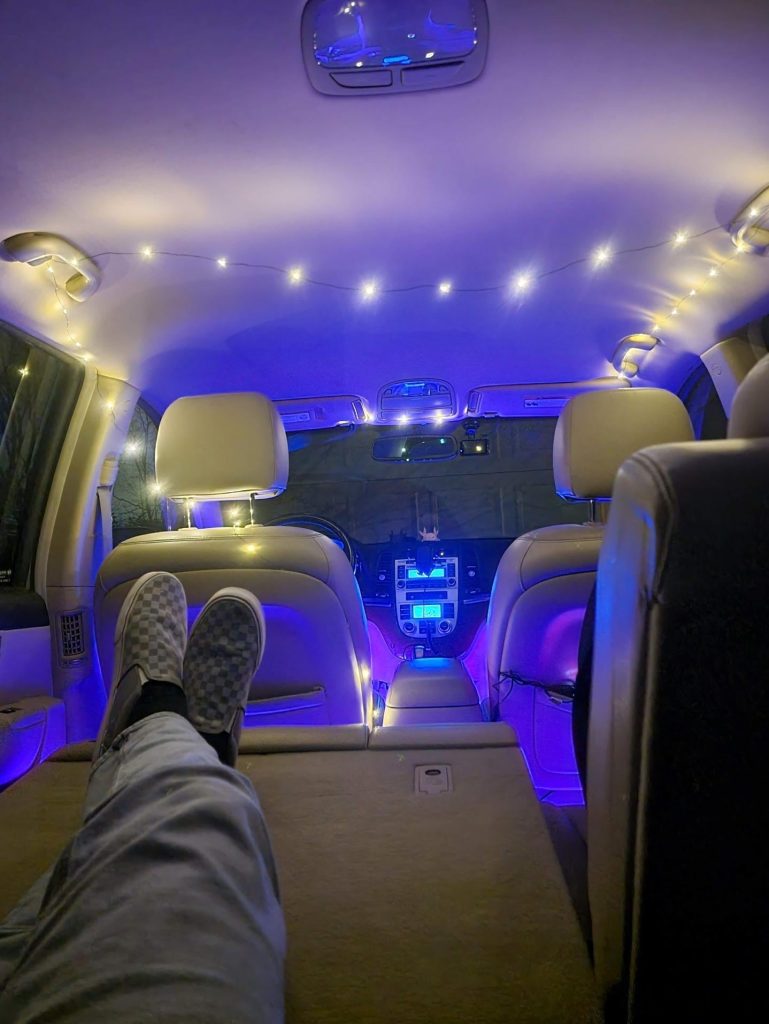
Are you wondering if those bright LED lights on your car are actually legal? You’re not alone.
Many drivers want to upgrade their vehicle’s look or improve visibility but worry about breaking the law. Knowing the rules around LED lights can save you from fines, headaches, or even safety risks. Keep reading to find out exactly what’s allowed, what’s not, and how to make sure your car stays road-legal while shining bright.

Credit: www.reddit.com
Car Led Lights Basics
LED lights on cars have become popular. They use less power than traditional bulbs. Many drivers like their brightness and long life.
This guide explains the types of LED lights and their common uses in vehicles.
Types Of Led Lights
LED lights come in different styles for cars. Each type serves a special purpose. Knowing these helps understand their legal use.
- Headlights: These light up the road ahead at night.
- Fog Lights: Used in foggy or rainy conditions to improve visibility.
- Daytime Running Lights (DRLs): Stay on during the day for safety.
- Turn Signals: Show when the driver plans to turn or change lanes.
- Brake Lights: Light up when the brakes are applied.
- Interior Lights: Used inside the car for visibility and style.
Common Uses In Vehicles
LED lights are used to improve safety and style. They appear in many parts of a vehicle.
| Use | Purpose | Typical Color |
| Headlights | Light the road ahead | White or yellow |
| Fog Lights | Improve view in bad weather | White or yellow |
| Turn Signals | Show direction changes | Amber or red |
| Brake Lights | Warn drivers behind | Red |
| Daytime Running Lights | Increase daytime visibility | White or amber |

Credit: www.star-telegram.com
Legal Standards For Car Lighting
Car lighting laws control how you use LED lights on vehicles. These rules keep roads safe for all drivers.
Different laws apply depending on where you drive. Federal and state rules guide what lights you can use.
Federal Regulations
The U.S. government sets rules for car lights through the Department of Transportation. These rules cover brightness, color, and placement of lights.
- LED headlights must meet brightness limits set by the government.
- Only white or amber front lights are allowed.
- Red lights can only be on the back of the car.
- Blue lights are reserved for emergency vehicles.
- Lights must not blind other drivers or cause distractions.
State-specific Rules
Each state can add its own rules about car lighting. Some states have stricter laws than federal rules.
| State | Allowed LED Colors | Restrictions |
| California | White, Amber, Red | No flashing or strobe lights |
| Texas | White, Amber, Red, Green (limited) | Green only for volunteer emergency vehicles |
| Florida | White, Amber, Red | No blue lights on non-emergency vehicles |
| New York | White, Amber, Red | Strict rules on brightness and flashing |
Color And Brightness Restrictions
LED lights on cars must follow rules about color and brightness. These rules keep drivers safe on the road.
Different states and countries have specific laws. They control what colors and how bright car lights can be.
Allowed Colors For Headlights
Headlights on cars usually must be white or yellow. These colors help all drivers see clearly.
Other colors like blue, red, or green are not allowed. These colors can confuse other drivers or look like emergency vehicles.
- White is the most common color for headlights.
- Yellow is allowed in some places for fog lights.
- Red, blue, green, or purple headlights are illegal.
- Colored headlights can cause safety hazards.
Limits On Light Intensity
Brightness of LED headlights must follow limits. Lights that are too bright can blind other drivers.
Rules set a maximum light intensity measured in lumens or candela. This ensures safe driving conditions.
- Maximum brightness varies by region.
- Headlights must not cause glare or distraction.
- Excessively bright lights can lead to fines.
- Brightness limits protect all road users.
Installation And Modification Rules
LED lights are popular for cars because they save energy and look modern. It is important to follow the rules when installing or changing these lights.
Rules help keep drivers safe and avoid legal trouble. Knowing the laws about LED lights on cars can protect you.
Aftermarket Led Light Guidelines
Aftermarket LED lights are not always legal. They must meet certain rules to be used on roads.
Lights should have the right color, brightness, and placement. They cannot blind other drivers or cause distractions.
- Use only approved LED lights for your car model
- Colors should be white or amber for front lights
- Red lights are for the rear only
- Do not use flashing or strobe LED lights
- Keep lights within legal brightness levels
Professional Installation Requirements
Professional installation helps ensure LED lights meet safety and legal standards. Experts know how to install lights properly.
Improper installation can cause electrical problems or accidents. It may also make your car fail inspections.
- Hire certified technicians for LED light installation
- Make sure wiring meets manufacturer and legal standards
- Test lights after installation for correct function
- Keep proof of installation for legal or inspection needs
Common Legal Issues With Led Lights
LED lights on cars have become popular for their brightness and style. Many drivers want to know if these lights are legal. The rules about LED lights can vary by state and country.
It is important to understand common legal problems with LED lights. This helps drivers avoid fines and keep their cars safe on the road.
Traffic Stops And Citations
Police may stop drivers if their LED lights break the law. Some colors or brightness levels are not allowed on public roads. Illegal LED lights can cause tickets or fines.
Many places forbid blue or red LED lights on cars. These colors are usually reserved for emergency vehicles. Using them can confuse other drivers or police officers.
- LED lights that are too bright may be illegal
- Colored lights like blue, red, or green are often banned
- Lights that flash or strobe can attract police attention
- Some states require lights to be white or amber in front
Safety Concerns
LED lights can cause safety problems if they distract other drivers. Very bright or flashing lights can reduce visibility on the road. This may lead to accidents.
Proper use of LED lights can improve safety by making a car more visible. Illegal or improper LED lights increase risks for everyone. Drivers should use legal lights to keep roads safe.
- Bright lights can blind other drivers
- Flashing lights may cause confusion and accidents
- Wrong colors can distract or mislead drivers
- Proper LED use helps improve nighttime visibility
Credit: www.subaruoutback.org
Tips For Choosing Legal Led Lights
LED lights on cars can improve visibility and style. It is important to pick LED lights that follow the law.
Using illegal LED lights can cause fines or safety risks. Learn how to choose legal LED lights for your vehicle.
Checking Compliance Labels
Look for compliance labels on LED light packages. These labels show the lights meet safety standards.
Common labels include DOT, SAE, or ECE marks. These prove the lights follow legal rules in many areas.
- DOT means the light meets US standards
- SAE shows approval by the Society of Automotive Engineers
- ECE marks are for European safety regulations
- Check for these labels before buying LED lights
Consulting Local Authorities
Local laws about car LED lights may differ from place to place. Check with your local authorities to be sure.
Contact your local DMV or transportation office for rules on LED colors and brightness. They can explain legal limits.
- Ask about allowed LED colors for headlights and taillights
- Learn about brightness limits for safe driving
- Find out if special permits are needed for certain lights
- Follow local rules to avoid fines and keep safe
Future Trends In Vehicle Lighting
Vehicle lighting is changing fast with new technology. LED lights are becoming common on cars.
These changes affect safety, style, and legal rules for car lights.
Advancements In Led Technology
LED lights use less power and last longer than old lights. They are brighter and can change colors.
New LED designs improve how well drivers see the road. Some can adjust light direction automatically.
- Lower energy use saves car battery life
- Longer lifespan reduces replacements
- Adaptive lighting improves night driving safety
- Custom colors allow new car designs
Potential Legal Changes
As LED use grows, laws about car lights may change. Some colors or brightness levels might be allowed soon.
Regulators want to keep roads safe but also allow new lighting features. Rules could become clearer and updated.
- Possible approval of more LED colors
- New standards for light brightness and direction
- Rules for adaptive and smart lighting systems
- Clear guidelines for aftermarket LED lights
Frequently Asked Questions
Are Led Car Lights Legal For All Vehicles?
LED car lights are legal if they meet local regulations. Most regions require specific colors and brightness levels. Always check your state or country’s rules before installing LED lights to ensure compliance and avoid fines.
Can Aftermarket Led Lights Cause Legal Issues?
Aftermarket LED lights can cause legal issues if they don’t comply with vehicle lighting laws. Non-approved colors or excessive brightness may lead to fines or failed inspections. Always use certified LED lights designed for automotive use.
What Colors Of Led Lights Are Allowed On Cars?
Typically, white and amber LED lights are allowed for headlights and turn signals. Red is usually reserved for tail lights. Blue and green lights are often restricted to emergency vehicles. Check local laws for specific color regulations.
Do Led Lights Need Special Approval To Be Legal?
Yes, LED lights often require approval or certification to be legal. This ensures they meet safety and visibility standards. Using non-approved LED lights can result in penalties and safety risks.
Conclusion
LED lights on cars can be a great choice. But, legal requirements matter. Always check local laws before installing LED lights. Some regions have strict rules. Ensure your lights comply to avoid fines. Safety is the priority. Use lights that enhance visibility without causing glare.
This keeps you and others safe on the road. Consult professionals for guidance if unsure. Stay informed about updates in lighting laws. Make smart choices to enjoy both style and safety.