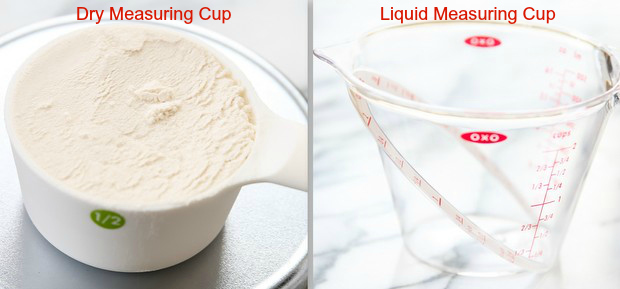
Have you ever reached for a measuring cup and wondered if the one you picked is really the right choice? When cooking or baking, using the right tools can make all the difference.
Liquid measuring cups and dry measuring cups might look similar, but they serve very different purposes. Choosing the wrong one could affect your recipe’s outcome, leaving you frustrated or with unexpected results. You’ll discover how these two types of measuring cups differ and why using the correct one will make your cooking easier and more precise.
Keep reading to make sure your next dish turns out just the way you want it.
Types Of Measuring Cups
Measuring cups come in different types for cooking and baking. Knowing which cup to use helps you get the right amount of ingredients.
This guide explains the two main types of measuring cups: liquid and dry. Each has a special design for different uses.
Liquid Measuring Cups
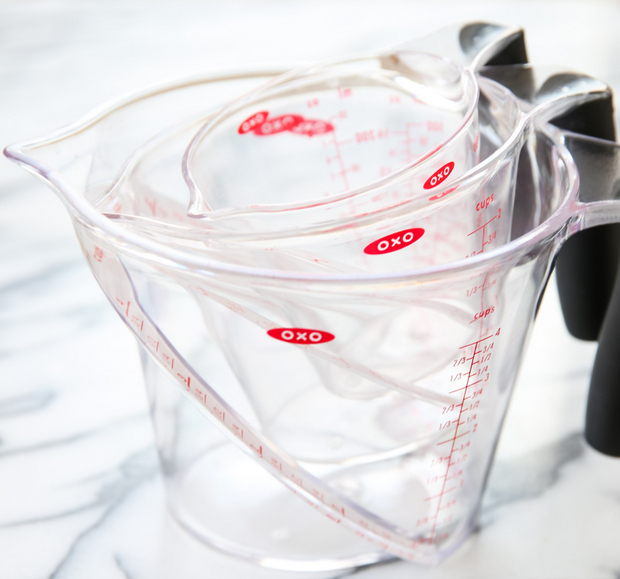
Liquid measuring cups are made to hold liquids like water, milk, or oil. They usually have a spout for easy pouring.
- Made from glass or clear plastic
- Have measurement marks on the side
- Designed to measure volume accurately
- Come in sizes like 1 cup, 2 cups, or larger
- Allow you to see the liquid level from the outside
Dry Measuring Cups
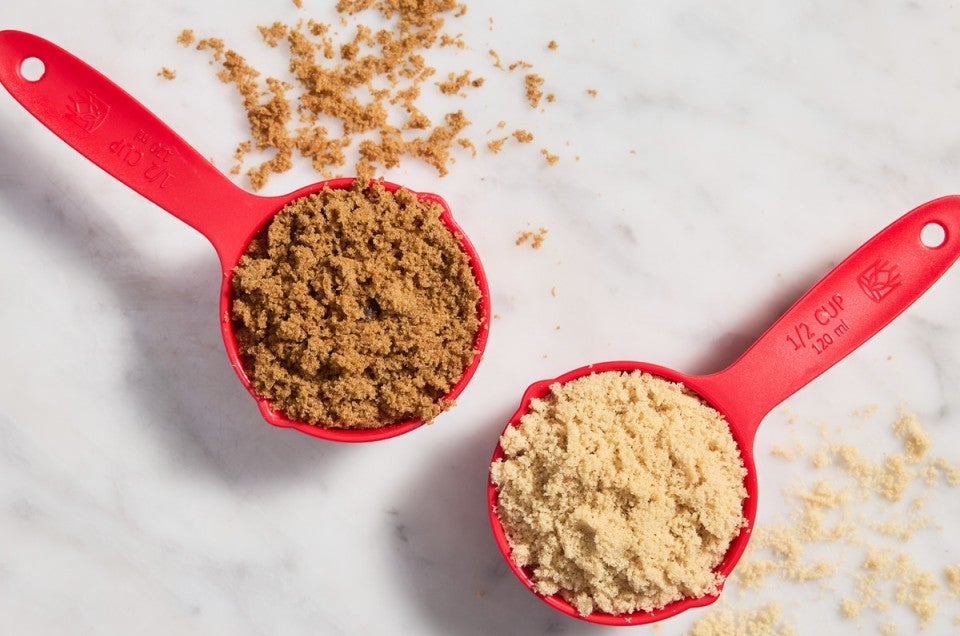
Dry measuring cups are for solid ingredients such as flour, sugar, and grains. They come in sets with different sizes.
| Size | Volume |
| 1 cup | 240 ml |
| 1/2 cup | 120 ml |
| 1/3 cup | 80 ml |
| 1/4 cup | 60 ml |
Credit: kirbiecravings.com
Material Differences
Liquid and dry measuring cups look similar but use different materials. These materials fit their specific uses in the kitchen.
Choosing the right material helps with accuracy and ease of use while cooking or baking.
Glass And Plastic Liquid Cups
Liquid measuring cups are often made from glass or plastic. Glass cups are clear and let you see the liquid level easily.
Plastic cups are lightweight and less likely to break. Both types have measurement markings on the side for easy reading.
- Glass cups resist stains and odors better
- Plastic cups can be more affordable
- Both have spouts for pouring liquids
- Glass cups can handle hot liquids safely
Metal And Plastic Dry Cups
Dry measuring cups are usually made from metal or plastic. Metal cups are sturdy and keep their shape well.
Plastic dry cups are lightweight and come in many colors. Both types have flat rims to level off dry ingredients.
- Metal cups last longer and resist dents
- Plastic cups are easier to store
- Both types are good for measuring flour and sugar
- Metal cups do not absorb odors or stains
Design And Features
Liquid measuring cups and dry measuring cups have different designs. These differences help measure ingredients more accurately.
Understanding their unique features can make cooking and baking easier and more precise.
Pour Spouts And Handles
Liquid measuring cups usually have a pour spout. This spout helps pour liquids without spilling.
They also have large handles for a steady grip. This design helps when pouring heavy liquids.
- Pour spout guides liquid flow smoothly
- Handles are big and easy to hold
- Clear markings on the side show liquid levels
Leveling Edges For Dry Cups
Dry measuring cups have flat tops or leveling edges. These edges help remove extra dry ingredients.
With a flat edge, you can scoop and then level off ingredients like flour or sugar for accuracy.
- Flat edges allow easy leveling
- Often made in sets with different sizes
- No pour spouts because pouring dry ingredients is not needed
Accuracy In Measurements
Measuring ingredients correctly is key for good cooking and baking. Using the right tools helps get the best results. Liquid and dry ingredients need different cups for accuracy.
This guide explains how to measure liquids and dry ingredients properly. It focuses on reading the meniscus for liquids and the best way to scoop and level dry ingredients.
Meniscus Reading For Liquids
Liquid measuring cups are clear and marked for easy reading. When measuring, look at the meniscus. This is the curve at the surface of the liquid.
To measure accurately, place the cup on a flat surface. Bend down to eye level with the markings. Read the measurement at the bottom of the meniscus.
- Place the cup on a flat surface.
- Bend to eye level with the liquid.
- Read the bottom curve of the meniscus.
- Avoid reading from above or below eye level.
- Use cups with clear, easy-to-read markings.
Scooping And Leveling Dry Ingredients
Dry measuring cups are designed to be filled to the top. Scooping and leveling is important for correct amounts.
| Method | Description |
| Scoop | Use the cup to scoop the ingredient directly from the container. |
| Fill | Overfill the cup slightly. |
| Level | Use a flat edge to scrape off excess, making the top even. |
This method stops packing or air gaps from affecting the amount. It works best for flour, sugar, and other dry ingredients.
When To Use Each Type
Measuring cups come in two main types: liquid and dry. Each type works best for certain ingredients.
Using the right cup helps get accurate measurements for your recipes.
Measuring Liquids
Use liquid measuring cups for water, milk, oil, and other liquids. They usually have a spout for easy pouring.
Liquid cups let you see the level at eye height. This helps avoid spills and errors.
- Clear cups with measurement lines work best
- Use on a flat surface to check the level
- Pour slowly for precise amounts
Measuring Dry Ingredients
Dry measuring cups are made for flour, sugar, grains, and other dry goods. They come in nested sets.
Fill the cup and level it off with a straight edge for exact measurement.
- Use metal or plastic cups in set sizes
- Level off with a knife or spatula
- Do not pack unless recipe says so
Using Cups Interchangeably
Do not swap liquid and dry cups often. Each is made for different types of ingredients.
Using the wrong cup can cause wrong amounts and affect your recipe’s results.
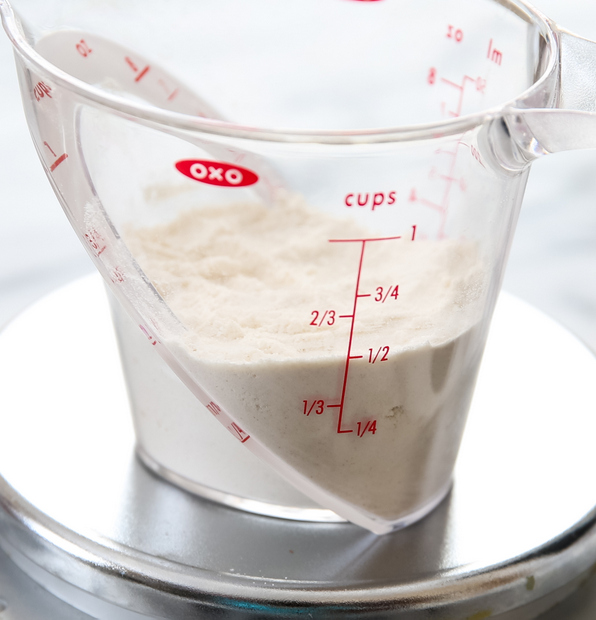
- Dry cups can trap air with liquids, causing overflow
- Liquid cups may not level dry ingredients correctly
- Use each cup type for its intended ingredient
Credit: www.kingarthurbaking.com
Common Mistakes
Many people use the wrong measuring cups for liquids and dry ingredients. This can cause mistakes in recipes.
Using the right type of measuring cup helps get accurate amounts for cooking and baking.
Using Dry Cups For Liquids
Dry measuring cups are meant to be filled to the top and leveled off. They do not show liquid levels clearly.
- Spilling can happen because dry cups do not have a spout.
- It is hard to see if the liquid is at the right level.
- Overfilling or underfilling can change the recipe results.
- Liquid can stick to the edges, giving less than measured.
Using Liquid Cups For Dry Ingredients
Liquid measuring cups are designed for pouring and have space above the measurement lines. This is not ideal for dry ingredients.
| Mistake | Effect |
| Filling dry ingredients loosely in liquid cups | Leads to inaccurate, lower measurements |
| Difficulty leveling off dry ingredients | Can add more than needed |
| Using liquid cups with no flat edge | Hard to get exact amounts for baking |
Tips For Accurate Measuring
Measuring ingredients correctly is important for cooking and baking. Using the right tools helps you get good results.
Liquid measuring cups and dry measuring cups are made differently. Knowing how to use each one will improve your accuracy.
Reading Liquid Measurements
Liquid measuring cups are clear and have measurement lines on the side. They let you see the liquid level from the outside.
To read the measurement, place the cup on a flat surface. Then, bend down to eye level and check the liquid line carefully.
- Use a clear cup for easy reading
- Place on a flat surface for accuracy
- Read at eye level to avoid mistakes
- Pour slowly to reach the exact amount
Leveling Dry Ingredients Properly
Dry measuring cups are solid and come in sets of different sizes. They help you scoop dry ingredients like flour or sugar.
Fill the cup without packing the ingredient. Then, use a flat edge like a knife to level off the top. This gives a precise amount.
- Scoop lightly without pressing down
- Use a straight edge to level off
- Avoid shaking or tapping the cup
- Measure close to the bowl to avoid spills
Credit: kirbiecravings.com
Frequently Asked Questions
Are Liquid Measuring Cups Different From Dry Cups?
Yes, liquid measuring cups have a spout and extra space for pouring. Dry cups are meant for leveling off ingredients and lack a spout.
Can I Use A Dry Cup For Liquids?
Using a dry cup for liquids can cause spills and inaccurate measurements. Liquid cups ensure precise volume readings and easy pouring.
Why Are Liquid Measuring Cups Transparent?
Liquid cups are transparent to help see the liquid level clearly. This ensures accuracy by reading measurements at eye level.
Do Dry Measuring Cups Come In Sets?
Yes, dry measuring cups usually come in sets of various sizes. They help measure different amounts of dry ingredients accurately.
Conclusion
Liquid and dry measuring cups serve different purposes in the kitchen. Each is designed to measure specific ingredients accurately. Using the right cup helps you cook and bake better. It reduces mistakes and improves your results. Always choose liquid cups for liquids and dry cups for powders.
This small step makes a big difference. Clear measurements lead to tastier meals every time. Keep your kitchen tools simple and effective. Precision matters when following recipes. Now, you know why these cups are not the same.