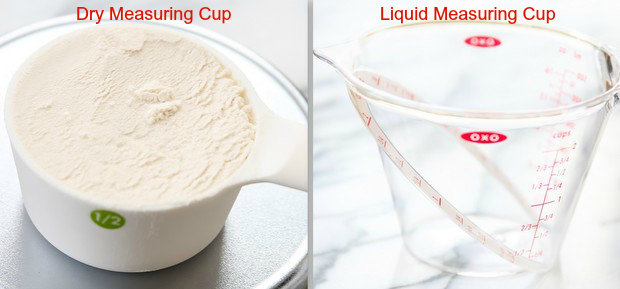
Have you ever reached for a liquid measuring cup when a recipe called for dry ingredients? It might seem like a simple swap, but using the wrong measuring cup can change the outcome of your dish.
You might be surprised to learn that liquid and dry measuring cups are not the same—and knowing the difference can save your cooking from unexpected results. Keep reading to discover why choosing the right cup matters and how it can make your recipes turn out perfectly every time.
Types Of Measuring Cups
Measuring cups come in two main types. Each type is made for a specific purpose in cooking.
Knowing the difference helps you measure ingredients correctly for recipes.
Liquid Measuring Cups
Liquid measuring cups are designed to hold liquids like water or milk. They usually have a spout to pour easily. These cups are clear with measurement marks on the side.
- Made from glass or plastic
- Have a pouring spout
- Show measurements in cups, ounces, and milliliters
- Allow you to see the liquid level from the side
Dry Measuring Cups
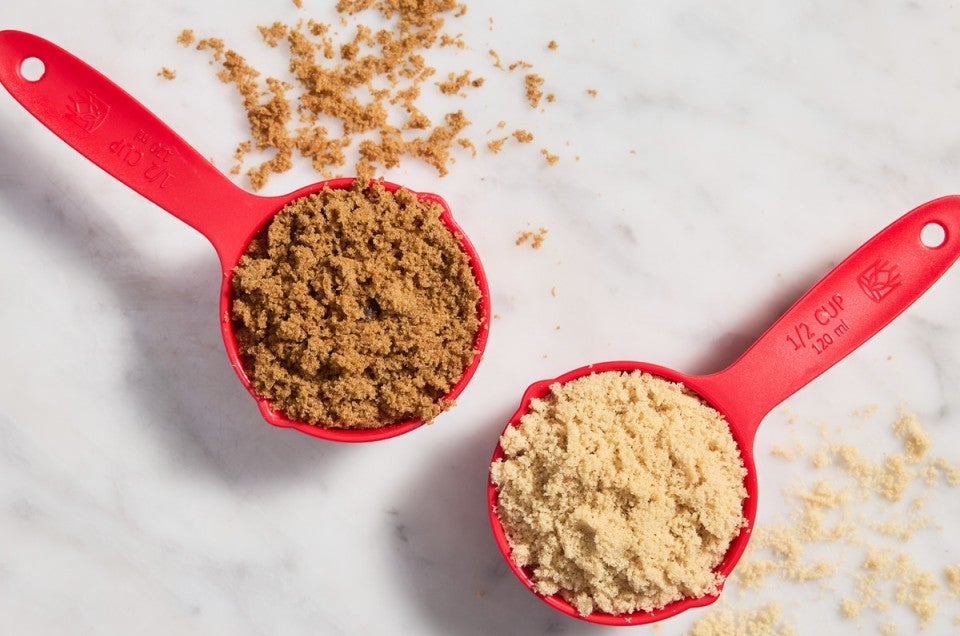
Dry measuring cups are solid and come in sets. They are meant for dry ingredients like flour or sugar. You fill the cup and level it off for an exact amount.
| Feature | Liquid Measuring Cups | Dry Measuring Cups |
| Material | Glass or plastic | Metal or plastic |
| Design | Clear with spout | Solid cups without spout |
| Use | Measuring liquids | Measuring dry ingredients |
| Measurement | Read at eye level | Level off at top |
Credit: www.kingarthurbaking.com
Material Differences
Liquid and dry measuring cups look similar but use different materials. These materials suit the types of ingredients each cup measures.
Understanding the materials helps pick the right cup for your cooking or baking needs.
Common Materials For Liquid Cups
Liquid measuring cups often use materials that resist stains and allow easy reading of measurements.
- Glass: Clear and heat-resistant, good for hot or cold liquids.
- Plastic: Lightweight and affordable, often transparent with measurement marks.
- Stainless Steel: Durable and easy to clean but usually lacks measurement visibility.
Common Materials For Dry Cups
Dry measuring cups focus on durability and ease of leveling off dry ingredients like flour or sugar.
| Material | Characteristics | Use |
| Plastic | Lightweight, often colorful, easy to stack | Everyday dry ingredients |
| Metal (Aluminum or Stainless Steel) | Strong, resists dents, can be dishwasher safe | Frequent baking and cooking |
| Ceramic | Heavy, breakable, sometimes decorative | Less common, for special occasions |
Design And Features
Liquid measuring cups and dry measuring cups have different designs for their specific uses. Their shapes, sizes, and features help measure ingredients more accurately.
Understanding these design differences helps you choose the right cup for your cooking or baking needs.
Shape And Size Variations
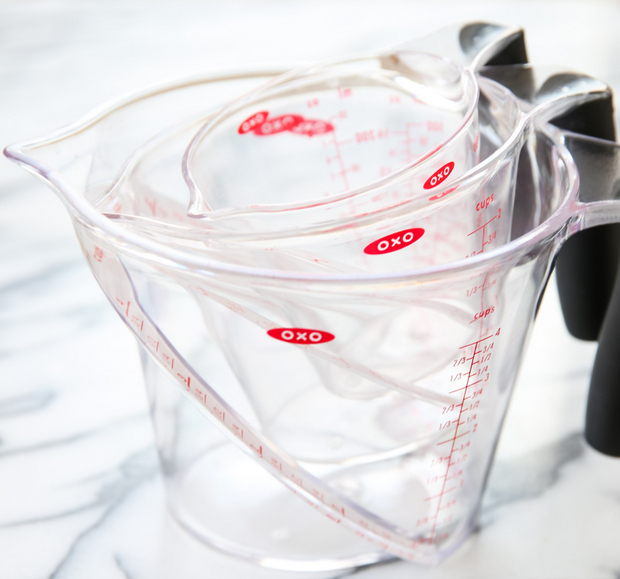
Liquid measuring cups are usually tall and have a pouring spout. Dry measuring cups are short and come in sets with fixed sizes.
- Liquid cups are often made of glass or clear plastic.
- Dry cups are solid and made of metal or plastic.
- Dry cups come in sizes like 1 cup, 1/2 cup, 1/3 cup, and 1/4 cup.
- Liquid cups come in larger sizes such as 2 cups, 4 cups, or more.
Measurement Markings
| Feature | Liquid Measuring Cup | Dry Measuring Cup |
| Measurement Type | Milliliters, cups, ounces | Cups, tablespoons, teaspoons |
| Marking Placement | On the side, easy to read at eye level | No markings on the cup, sizes are fixed |
| Precision | Allows partial measurements | Use whole cup sizes only |
Spouts And Handles
Liquid measuring cups have spouts for pouring liquids without spilling. They also have handles for easy grip.
Dry measuring cups usually do not have spouts but may have small handles. Their design helps level off dry ingredients easily.
Credit: kirbiecravings.com
Accuracy In Measurement
Measuring ingredients correctly is key to good cooking and baking. Using the right type of measuring cup helps you get exact amounts. Liquid and dry measuring cups are designed differently to improve accuracy.
This article explains how liquid measuring cups ensure precision and what challenges dry cups face in measuring accurately.
How Liquid Cups Ensure Precision
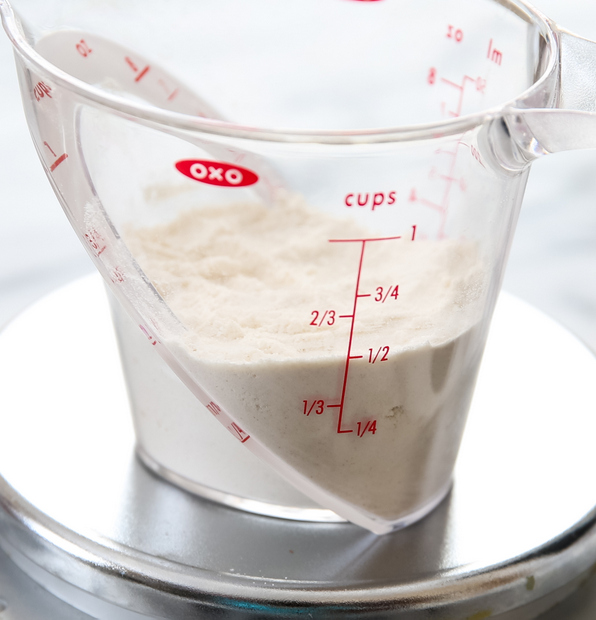
Liquid measuring cups are made with clear walls and a pouring spout. They allow you to see the liquid level at eye level. This reduces guesswork and spills.
- Clear measurement lines marked on the side
- Wide opening for easy filling and pouring
- Extra space above the highest line to avoid overflow
- Usually made of glass or transparent plastic
- Designed to measure fluids like water, oil, and milk accurately
Challenges With Dry Cups
Dry measuring cups are meant to be filled to the top and leveled off. They do not have clear sides, so you cannot see inside well. This can cause errors, especially with sticky or uneven ingredients.
| Challenge | Explanation | Effect on Measurement |
| Difficulty in leveling | Ingredients can spill over or be packed too tightly | Too much or too little ingredient |
| No clear visibility | Cannot check the exact volume inside the cup | Less precise measurement |
| Sticky ingredients | May stick inside the cup, causing inaccurate weight | Inconsistent results |
When To Use Each Type
Measuring ingredients correctly is key to good cooking and baking. Different cups work best for liquids and dry ingredients.
Knowing when to use liquid or dry measuring cups helps you get the right amounts every time.
Measuring Liquids
Use liquid measuring cups for water, milk, oil, and other liquids. They usually have a spout to pour easily.
Liquid cups let you see the level from the side. This helps you measure without spilling.
- Made of glass or clear plastic
- Have measurement lines on the side
- Include a pouring spout
- Designed to measure exact volume
Measuring Dry Ingredients
Dry measuring cups are best for flour, sugar, and grains. They come in sets of different sizes.
Fill the cup and level it off with a flat edge for an exact amount. Do not pack the ingredient down.
- Usually made of metal or plastic
- Solid cups without spouts
- Measure by volume, not weight
- Use a straight edge to level off
Common Mistakes To Avoid
Using the right measuring cup is key for baking and cooking. Many people confuse liquid and dry measuring cups. This can change the outcome of a recipe.
This guide explains common errors to avoid with these tools. It helps you use each cup correctly for the best results.
Using Liquid Cups For Dry Ingredients
Liquid measuring cups have a spout and extra space at the top. They are made for pouring liquids, not for dry ingredients.
- Dry ingredients can spill out because liquid cups are not full to the brim.
- Measuring dry items in liquid cups can cause inaccurate amounts.
- Dry ingredients should be leveled off, which is hard in a liquid cup.
- Using liquid cups may cause packed dry ingredients, adding too much.
Using Dry Cups For Liquids
Dry measuring cups are meant to be filled full and leveled. They do not have a spout for easy pouring.
| Issue | Explanation | Effect |
|---|---|---|
| Spilling | No pouring spout causes liquid to spill easily. | Messy and wasteful measuring. |
| Inaccurate amount | Hard to see liquid level inside the cup. | Recipe may turn out wrong. |
| Air bubbles | Liquid can trap air inside dry cups. | Measurement appears higher than actual. |
Tips For Accurate Measuring
Measuring ingredients correctly is key to good cooking and baking. Using the right tools helps get the best results.
Liquid and dry ingredients need different measuring methods to avoid mistakes. Here are tips to measure both accurately.
Leveling Dry Ingredients
Dry ingredients like flour and sugar need to be leveled for exact amounts. Too much or too little can change the recipe’s outcome.
- Spoon the ingredient into the measuring cup without packing it down.
- Use the back of a knife to level off the excess.
- Do not shake or tap the cup to settle the ingredient.
- Always measure dry ingredients in a dry cup.
Reading Liquid Levels Correctly
Liquid measuring cups have clear markings to show volume. Check the level at eye height to avoid errors.
| Tip | Explanation |
| Place on flat surface | Ensure the cup is on a level counter for an accurate read. |
| Check at eye level | Bend down to see the meniscus, the curve on the liquid’s surface. |
| Use the right cup | Use a liquid measuring cup, not a dry one, for liquids. |
| Avoid overfilling | Pour slowly to reach the exact measurement line. |
Credit: kirbiecravings.com
Alternative Measuring Tools
Measuring ingredients correctly is key to good cooking and baking. If you do not have liquid measuring cups, there are other tools you can use. These tools help you measure both dry and liquid ingredients accurately.
Two common alternatives are measuring spoons and digital scales. They are easy to find and very useful in the kitchen.
Measuring Spoons
Measuring spoons are small tools used to measure both liquid and dry ingredients. They come in sets with different sizes. These spoons are good for small amounts like spices, baking powder, or vanilla extract.
- Common sizes include 1 tablespoon, 1 teaspoon, 1/2 teaspoon, and 1/4 teaspoon.
- They are easy to clean and store.
- Use them to measure ingredients that do not need a lot of precision.
- Good for recipes that call for small quantities.
Digital Scales
Digital scales give very accurate measurements. They can weigh both dry and liquid ingredients by grams, ounces, or pounds. Scales help avoid mistakes from different measuring cup sizes.
| Feature | Benefit |
| Measures weight | More precise than volume measurement |
| Measures liquid and dry | One tool for all ingredients |
| Easy to clean | Simple flat surface |
| Compact size | Easy to store in kitchen |
Frequently Asked Questions
Are Liquid And Dry Measuring Cups Interchangeable?
No, liquid and dry measuring cups are not interchangeable. Liquid cups have a spout for easy pouring. Dry cups are designed for leveling off ingredients precisely.
Why Use Liquid Measuring Cups For Liquids Only?
Liquid measuring cups allow accurate volume readings from the side. This prevents spills and ensures precise measurement for liquids.
Can Dry Measuring Cups Measure Liquids Accurately?
Dry measuring cups are not ideal for liquids. They lack a spout and may cause spills or inaccurate measurements.
What Materials Are Liquid Measuring Cups Made Of?
Liquid measuring cups are often made from glass or clear plastic. This transparency helps to read measurements accurately from the side.
Conclusion
Liquid measuring cups and dry measuring cups serve different purposes. Liquid cups have space for liquids to move and show clear lines. Dry cups let you level off ingredients like flour or sugar. Using the right cup helps recipes turn out well.
It saves time and avoids mistakes. Keep both types in your kitchen for best results. Simple tools make cooking easier and more fun. Choose wisely, and your dishes will taste just right.