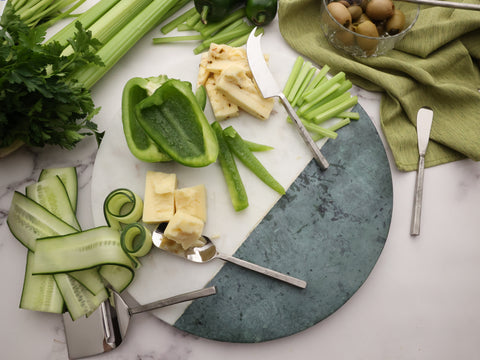
Are you thinking about adding a marble cutting board to your kitchen? You might be wondering if it’s really a good choice.
Marble cutting boards look beautiful and feel cool to the touch, but are they practical for your everyday cooking? You’ll discover the pros and cons of using marble cutting boards, so you can decide if they fit your needs perfectly.
Keep reading to find out how marble can impact your food prep and whether it’s the right tool for you.

Credit: inoxflatware.com
Benefits Of Marble Cutting Boards
Marble cutting boards are popular in many kitchens. They offer unique qualities that make them useful tools.
These boards combine style and function. They can improve your cooking experience in different ways.
Durability And Longevity
Marble is a hard, natural stone. It can withstand heavy use without getting damaged easily.
With proper care, a marble cutting board can last for many years. It resists scratches and dents well.
Heat Resistance
Marble stays cool and handles heat well. It will not warp or burn from hot pots or pans.
This makes marble boards perfect for tasks like rolling dough or placing hot items directly on them.
Aesthetic Appeal
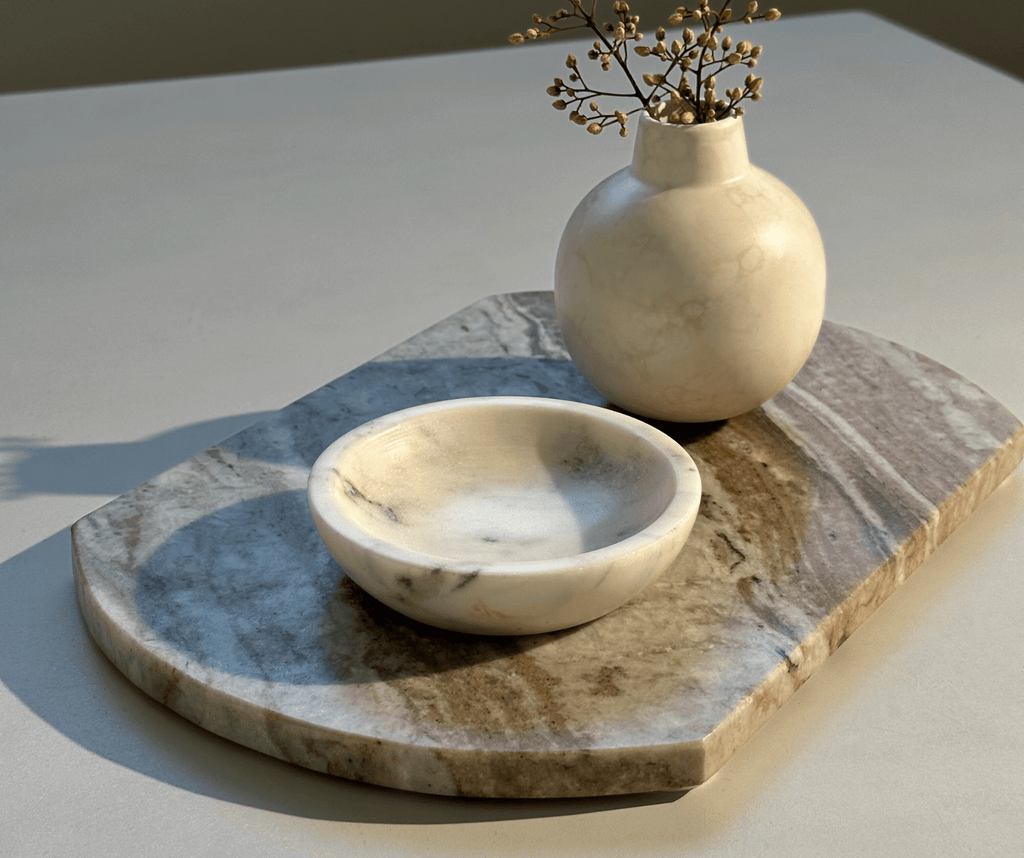
Marble cutting boards add elegance to any kitchen. Their natural patterns and colors look stylish.
They can also be used as serving boards, adding a beautiful touch to your food presentation.
Non-porous Surface
Marble has a non-porous surface, which means it does not absorb liquids easily. This helps keep it clean.
The smooth surface prevents bacteria from growing. It is easy to wipe down after use.
Credit: www.belarehome.com
Drawbacks Of Marble Cutting Boards
Marble cutting boards look elegant and cool. But they have some drawbacks you should know about.
These issues might affect how useful marble boards are in your kitchen.
Weight And Portability
Marble cutting boards are very heavy. This makes moving them hard.
You might find it difficult to carry or store a marble board. It is not easy to take it outside or around the kitchen.
Knife Damage Risks
Marble is very hard and can hurt your knives. It can dull or chip the blades quickly.
Using a marble board may mean you need to sharpen your knives more often. This can cost time and money.
Maintenance Challenges
Marble cutting boards need special care. They can stain easily from juices and oils.
You must clean them carefully and avoid strong acids. Marble can also crack if dropped or hit hard.
Cost Considerations
Marble cutting boards are usually expensive. They cost more than wood or plastic boards.
Buying and replacing marble boards may not fit all budgets. It is important to consider the price before buying.
Expert Tips For Using Marble Boards
Marble cutting boards add elegance to your kitchen. They are cool and smooth, perfect for certain tasks.
Using marble boards correctly helps keep them in good shape. It also protects your knives and food quality.
Proper Cleaning Techniques
Clean marble boards carefully to avoid damage. Use mild soap and warm water after each use.
- Wipe the surface with a soft cloth or sponge.
- Avoid harsh chemicals or acidic cleaners.
- Dry the board completely to prevent stains.
- Do not soak marble boards in water.
Avoiding Knife Dulling
Marble is a hard surface that can dull knife blades quickly. Use the right techniques to protect your knives.
| Tip | Reason |
| Use a sharp knife | Sharp knives cut smoothly and reduce wear |
| Cut on softer surfaces when possible | Protects knife edges from hard marble |
| Limit heavy chopping on marble | Reduces blade damage and chipping |
| Hone knives regularly | Keeps blades sharp despite marble use |
Best Uses In The Kitchen
Marble boards work best for specific kitchen tasks. Their cool surface helps with baking and serving.
- Rolling dough for pastries and cookies
- Chilling and serving cheese or charcuterie
- Cutting fruits and vegetables gently
- Preparing cold desserts like chocolate or candy

Credit: www.connox.com
Comparing Marble To Other Materials
Marble cutting boards offer a unique look and feel in the kitchen. Many people wonder how marble compares to other popular cutting board materials.
This comparison will cover marble versus wood, plastic, and bamboo boards. Each material has pros and cons for kitchen use.
Marble Vs Wood
Marble boards look elegant and stay cool, which is good for some kitchen tasks. Wood boards are softer and protect knives better.
Wood is less slippery than marble. It also absorbs less moisture and bacteria if sealed well. Marble can crack if dropped.
- Marble is heavy and cold
- Wood is gentle on knives
- Wood needs regular oiling
- Marble resists stains but can chip
Marble Vs Plastic
Plastic boards are light and cheap. They come in many colors and are easy to clean. Marble boards are heavier and harder to move.
Plastic can get knife marks and stain more easily. Marble does not get scratched but can dull knives faster.
- Plastic is dishwasher safe
- Marble is more heat resistant
- Plastic can warp with heat
- Marble is less flexible and can crack
Marble Vs Bamboo
Bamboo is a natural and eco-friendly option. It is lighter and easier to handle than marble. Bamboo is also softer on knives.
Marble boards are harder and more durable but can chip if dropped. Bamboo resists water better than regular wood but needs care.
- Bamboo is renewable and lightweight
- Marble is heavy and cold to touch
- Bamboo needs oiling to last longer
- Marble lasts longer if handled with care
Frequently Asked Questions
Are Marble Cutting Boards Durable?
Marble cutting boards are durable, but they can chip or crack if dropped. Their hardness can dull knives over time. Despite this, marble boards are heat-resistant and make excellent serving surfaces. Regular maintenance can extend their lifespan, making them a stylish and functional choice for many kitchens.
Do Marble Boards Stain Easily?
Marble cutting boards are porous and can stain if not sealed properly. Acidic foods like tomatoes and citrus can leave marks. To prevent staining, clean spills immediately and use a good sealant regularly. This will help maintain the board’s appearance and ensure it lasts longer in your kitchen.
How To Clean Marble Cutting Boards?
Clean marble cutting boards with mild soap and warm water. Avoid harsh chemicals and abrasive scrubbers as they can damage the surface. Dry the board thoroughly after washing to prevent water spots. Regular maintenance with a food-safe sealant can protect the board from stains and extend its longevity.
Are Marble Cutting Boards Hygienic?
Marble cutting boards are less porous than wood, making them more resistant to bacteria. However, their surface can harbor bacteria if not cleaned properly. Regular cleaning with soap and water is crucial. Sealing the board helps prevent bacteria buildup, making marble boards a hygienic option when properly maintained.
Conclusion
Marble cutting boards offer a smooth and cool surface. They resist stains and do not absorb odors. But, they can dull knives faster than wood. They also risk cracking if dropped. Marble boards suit certain kitchen tasks well. Choose one if you value style and easy cleaning.
Remember to handle marble with care. It fits best in kitchens where looks matter. Consider your needs before buying a marble board. It can be a useful tool, but not for every cook.