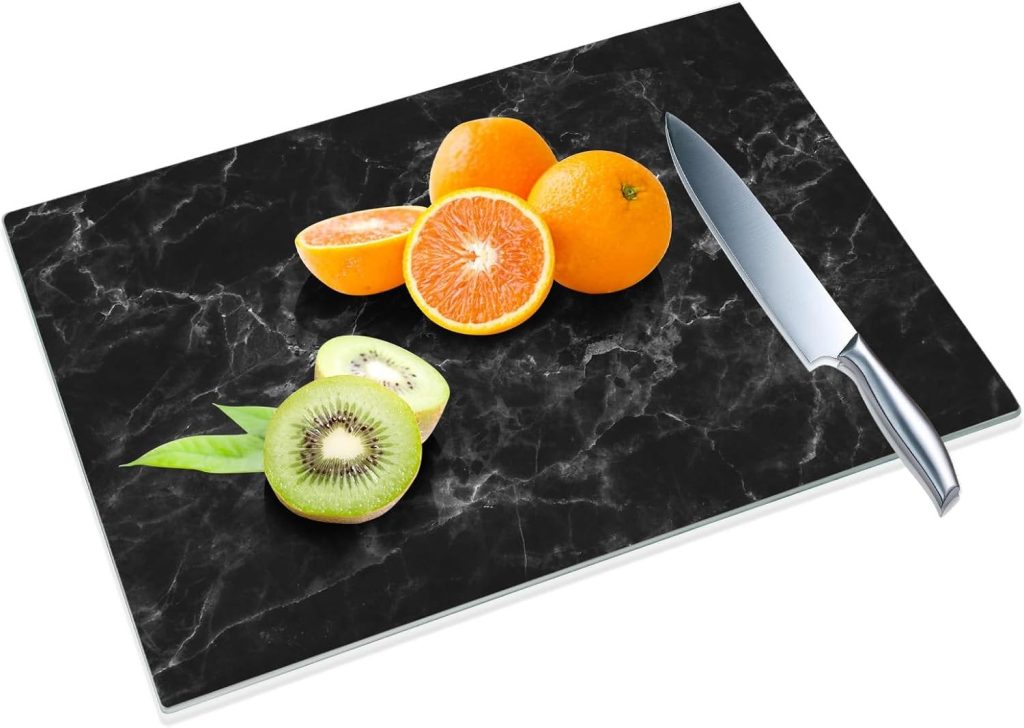
Are you thinking about using a marble cutting board in your kitchen but wondering if it’s really safe? You’re not alone.
Marble cutting boards look elegant and sturdy, but you might worry about whether they can harbor bacteria or damage your knives. Before you make a choice, it’s important to know the facts about how marble behaves with food and how it fits into your daily cooking routine.
Keep reading to discover the truth about marble cutting boards and find out if they’re the right fit for you and your kitchen.
Credit: medium.com
Marble Cutting Boards Basics
Marble cutting boards are popular for their elegant look and sturdy surface. They add style to kitchens and can last a long time with proper care.
Before using marble boards, it is important to understand their material traits and common kitchen uses. This helps you decide if they fit your cooking needs.
Material Properties
Marble is a natural stone made from limestone under heat and pressure. It has unique patterns and a smooth surface that many find attractive.
- Hard and durable but can chip or crack if dropped
- Non-porous surface makes it resistant to stains
- Cool to the touch, which can help keep food fresh
- Heavier than wood or plastic boards
- Can dull knives faster than softer materials
Common Uses In Kitchens
Marble cutting boards are used for tasks where a cool, hard surface is helpful. They are common in food preparation and serving.
| Use | Reason | Notes |
| Chopping fruits and vegetables | Easy to clean surface | May dull knives faster |
| Rolling dough | Cool surface prevents sticking | Preferred by bakers |
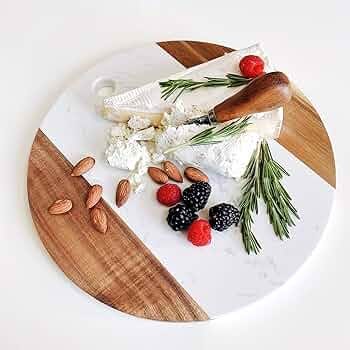
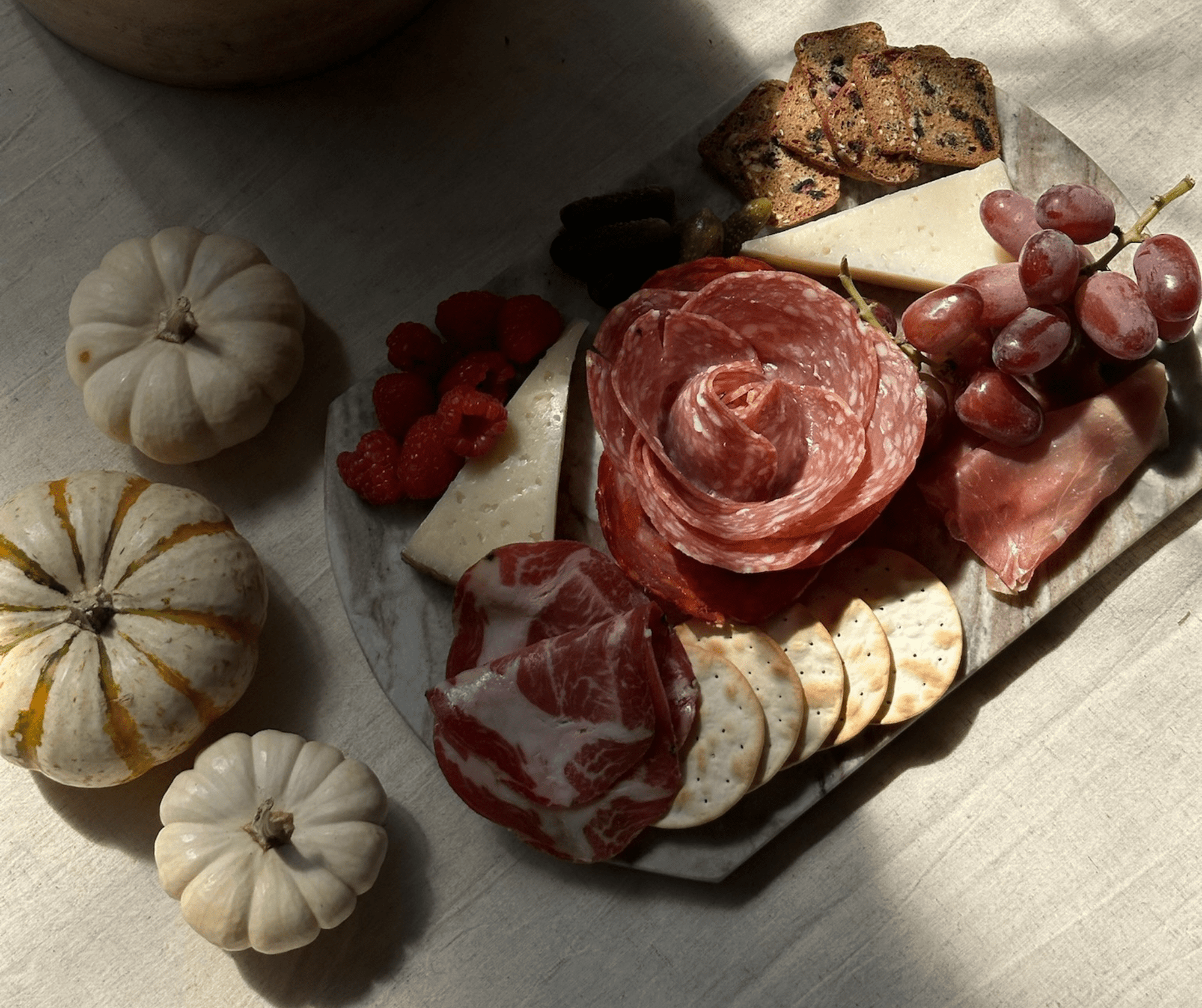
| Serving cheese and charcuterie | Elegant look | Good for presentation |
| Cutting meat | Hard surface | Requires careful cleaning |
Safety Concerns With Marble Boards
Marble cutting boards are popular for their look and smooth surface. Some people worry if they are safe for food preparation.
This article explains two main safety concerns about marble boards. These are porosity and bacteria growth, and the risk of cracks and chips.
Porosity And Bacteria Growth
Marble is a natural stone that has tiny pores on its surface. These pores can trap moisture and food particles.
- Trapped moisture allows bacteria to grow over time.
- Cleaning marble boards needs more care to remove bacteria.
- Using sealants can help reduce porosity but may wear off.
- Regular cleaning with hot, soapy water is important.
- Avoid cutting raw meat directly on marble to lower risk.
Potential For Cracks And Chips
Marble is strong but can crack or chip if dropped or hit hard. These cracks can harbor bacteria and make the board unsafe.
| Risk | Description |
| Cracks | Small fractures that collect food and bacteria |
| Chips | Broken pieces that can fall into food |
| Surface Damage | Rough areas that are hard to clean |
Comparing Marble With Other Materials
Marble cutting boards have unique features that differ from other materials. It is important to compare marble with wood, plastic, and glass boards. This helps to understand if marble is safe and practical for kitchen use.
This comparison looks at durability, cleanliness, and safety of marble versus other cutting board materials.
Wood Vs Marble
Wood cutting boards are gentle on knives and have natural antibacterial properties. Marble boards are hard and can dull knives faster. Wood can absorb moisture and bacteria if not cleaned well.
Marble is non-porous and does not absorb liquids. This makes it easier to clean and less likely to hold bacteria. Wood boards need regular oiling to stay safe and last longer.
- Wood is softer and safer for knife edges.
- Marble is harder and more resistant to stains.
- Wood can harbor bacteria if not maintained.
- Marble is easier to clean but can crack if dropped.
Plastic Vs Marble
Plastic cutting boards are lightweight and dishwasher safe. They can get deep cuts where bacteria hide. Marble boards are heavy and not dishwasher safe.
Marble is smooth and does not get cut marks easily. Plastic boards may wear out faster but are less likely to crack. Plastic is also less damaging to knives than marble.
- Plastic boards are easy to clean in a dishwasher.
- Marble boards need hand washing and careful handling.
- Plastic can develop grooves that trap bacteria.
- Marble surface stays smooth but may chip if dropped.
Glass Vs Marble
Glass cutting boards are non-porous and easy to clean. They can dull knives quickly and may break if dropped. Marble is also non-porous but has a softer surface than glass.
Marble provides a cooler surface which can be good for some food prep. Glass boards can be slippery, increasing the risk of accidents. Both are good at resisting stains and odors.
- Glass is hard but can shatter easily.
- Marble is less likely to break but can chip.
- Both materials resist stains and odors well.
- Marble is cooler, helping with certain food tasks.
Maintenance And Cleaning Tips
Marble cutting boards need proper care to stay beautiful and safe. Cleaning and maintenance keep them working well for a long time.
Learn simple ways to clean your marble board daily and deeper cleaning methods for stains. Protecting marble with sealing also helps preserve it.
Daily Cleaning Methods
Clean marble boards after each use with gentle care. Use mild soap and warm water to avoid damage. Dry the board well to stop water spots.
- Wipe the surface with a soft cloth and mild dish soap.
- Rinse thoroughly with warm water.
- Dry the board with a clean towel to prevent moisture.
- Avoid harsh chemicals or abrasive scrubbers that can scratch.
Deep Cleaning And Stain Removal
Marble can get stains from oils, juices, or other foods. Act fast to remove stains before they set in. Use gentle cleaners made for marble.
| Stain Type | Cleaning Method |
|---|---|
| Oil Stains | Apply baking soda paste, let sit 15 minutes, then wipe gently. |
| Rust Stains | Use a poultice with hydrogen peroxide and a few drops of ammonia. |
| Organic Stains (coffee, wine) | Clean with diluted ammonia or a marble-safe cleaner. |
Sealing And Protecting Marble
Sealing marble helps block stains and water damage. Reapply sealant every few months for best results. Use a product made for food-safe marble surfaces.
- Clean the board completely before sealing.
- Apply sealant evenly with a soft cloth or brush.
- Let the sealant dry fully before using the board.
- Check the marble regularly for signs of wear or dullness.
Expert Recommendations For Use
Marble cutting boards offer a stylish and durable surface in the kitchen. They require careful use to keep them safe and in good condition.
Following expert tips helps protect your knives and marble boards from damage. Learn the best ways to use them properly.
Best Practices For Cutting
Use a marble cutting board mainly for tasks that do not dull knives quickly. Soft foods, fruits, and vegetables work best.
- Cut soft foods like fruits and cheese on marble boards.
- Avoid chopping hard items such as bones or frozen foods.
- Use a damp cloth under the board to prevent slipping.
- Clean the board after each use with mild soap and water.
Avoiding Damage To Knives And Boards
Marble is hard and can dull knives quickly. Protect your blades by using proper cutting techniques and care.
| Tip | Reason |
| Use a sharp knife | A sharp knife cuts cleanly and reduces pressure. |
| Avoid twisting the blade | Twisting can chip both the knife and the marble. |
| Do not cut directly on marble with hard items | Hard impact can crack or chip the board. |
| Store knives separately | Prevent blade dulling by not dragging knives on marble. |
| Apply mineral oil to marble | Protects the surface and reduces stains. |
Credit: www.belarehome.com
When To Replace Your Marble Board
Marble cutting boards are beautiful and sturdy. They can last a long time with care.
It is important to know when to replace your marble board. Old boards can cause problems.
Signs Of Wear And Tear
Marble boards show wear over time. Look for cracks, chips, and deep scratches.
These damages make the board unsafe to use. They can trap food and bacteria.
- Visible cracks or chips on the surface
- Deep scratches that are hard to clean
- Discoloration or stains that do not wash off
- Uneven surface or broken edges
Health Risks Of Old Boards
Old marble boards can grow bacteria in cracks and scratches. This can cause illness.
Marble is porous. Over time, it absorbs food juices and germs. This leads to bad smells and contamination.
- Bacteria buildup in damaged areas
- Cross-contamination from raw foods
- Risk of foodborne illness
- Hard to clean and sanitize properly
Credit: medium.com
Frequently Asked Questions
Are Marble Cutting Boards Hygienic?
Marble cutting boards are generally hygienic if properly maintained. They are non-porous, making them resistant to bacteria. Ensure regular cleaning with mild soap and water to maintain hygiene. Avoid cross-contamination by using separate boards for different food types.
Do Marble Boards Dull Knives?
Yes, marble cutting boards can dull knives over time. Their hard surface can cause knife edges to wear down faster. To preserve your knives, consider using a wooden or plastic board for regular use. Reserve marble boards for serving or decorative purposes.
Can Marble Boards Handle Hot Pots?
Marble can withstand high temperatures but avoid direct contact with hot pots. Sudden temperature changes might cause cracking. Always use trivets or potholders to protect your marble board. This precaution helps maintain the board’s appearance and structural integrity.
Are Marble Boards Prone To Stains?
Marble cutting boards can stain if not sealed properly. Acidic substances like lemon juice or wine may cause discoloration. Regularly sealing the board can help prevent stains. Cleaning spills immediately with a damp cloth also reduces the risk of permanent marks.
Conclusion
Marble cutting boards offer a stylish and sturdy option for kitchens. They stay cool and resist stains well. Yet, they can dull knives faster than wood or plastic. Cleaning them properly helps avoid bacteria build-up. Choose marble boards if you value looks and durability.
Just be careful with knife use and maintenance. This way, marble boards can be a safe and useful tool in your kitchen.