Are you wondering if your mason jar lids can survive the swirling torrents of your dishwasher? You’re not alone.
As mason jars continue to trend in kitchens for their versatility and charm, a common question arises: are those trusty lids truly dishwasher safe? The answer might surprise you, and understanding it can save you time, effort, and even a few bucks.
Dive into this article to uncover the truth about mason jar lids, and discover tips that will help you keep them in perfect condition. Whether you’re an avid canner or just love using jars for storage, this information is crucial for ensuring the longevity and safety of your kitchen essentials. Keep reading to find out what you need to know!
Mason Jar Lid Types
Mason jars come with different types of lids. Each lid type has unique features. Knowing these helps with cleaning and care. Some lids handle dishwasher cleaning better than others.
Metal Lids
Metal lids usually have two parts: a flat disc and a screw band. The flat disc seals the jar. It often has a thin coating to prevent rust. The screw band holds the disc tightly in place. Metal lids can rust if left wet too long. Most flat discs are not dishwasher safe. The screw bands usually are safe in the dishwasher.
Plastic Lids
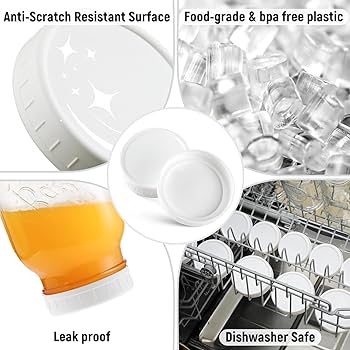
Plastic lids are common for everyday use. They are lightweight and come in many colors. These lids are often made from BPA-free plastic. Plastic lids generally handle dishwasher cleaning well. They are less likely to rust or corrode. Still, high heat can sometimes warp or weaken them over time.
Silicone Seals
Silicone seals help create an airtight closure. They fit inside metal or plastic lids. Silicone is flexible and heat resistant. Silicone seals are dishwasher safe and easy to clean. They resist stains and odors better than rubber. Over time, silicone seals can wear out and need replacement.

Credit: www.amazon.ca
Dishwasher Safety Factors
Knowing whether your Mason jar lids are dishwasher safe depends on a few important factors. Understanding these can save you from unexpected damage and keep your jars sealed tight for longer. Let’s look closely at what affects the dishwasher safety of these lids.
Material Durability
Mason jar lids come in different materials like metal, plastic, or silicone. Metal lids can rust or corrode if exposed to harsh dishwasher detergents or high heat repeatedly. Plastic lids might warp or crack if they aren’t designed to handle the dishwasher’s environment.
Have you noticed any discoloration or rough edges after washing lids in the dishwasher? That’s a clear sign the material isn’t durable enough for dishwasher use. Choosing lids labeled “dishwasher safe” ensures they can handle the wash cycle without damage.
Heat Resistance
Dishwashers use high temperatures to clean and sanitize, which can be tough on Mason jar lids. If a lid isn’t heat resistant, it might lose its shape or weaken, affecting its ability to seal properly. Silicone lids generally handle heat better, while some plastics may melt or deform.
Think about how often you run hot cycles. If you prefer quick or cold cycles, some lids might survive, but frequent hot washes could shorten their lifespan. Checking the manufacturer’s heat tolerance recommendations can guide you in protecting your lids.
Seal Integrity
The main job of a Mason jar lid is to create an airtight seal. Dishwashing can sometimes damage the sealing compound, especially on metal lids with rubber or silicone rings. If the seal cracks or wears down, your jars won’t preserve food properly.
Have you ever opened a jar to find the lid loose or the contents spoiled? That might be due to compromised seal integrity after dishwasher use. Hand washing the lids or removing seals before washing can help maintain their sealing power.
Cleaning Metal Lids
Cleaning metal lids of mason jars might seem straightforward, but it requires some care to keep them in good shape. These lids are often made of thin metal, which can rust or warp if not handled properly. Understanding how to clean them safely will help you extend their life and maintain their sealing ability.
Rust Prevention
Rust is the biggest enemy of metal lids. After washing, always dry the lids immediately and thoroughly. Leaving them wet or damp invites rust to form quickly.
You might think dishwasher heat and detergent protect against rust, but they can actually strip away protective coatings. Consider hand-washing your lids with mild soap and warm water to avoid this damage.
Have you noticed tiny brown spots on your lids? Those are early signs of rust. Don’t ignore them—cleaning these spots right away with a gentle scrub can stop rust from spreading.
Avoiding Warping
Warping happens when metal lids are exposed to high heat for too long. The dishwasher’s hot water cycle or drying cycle can cause lids to bend out of shape.
Warped lids won’t seal properly, leading to leaks or spoilage. If your lids start to look uneven or don’t fit tightly, it’s time to rethink your cleaning method.
Try placing lids on the top rack of the dishwasher away from the heating element, or better yet, wash them by hand to keep their shape intact.
Best Dishwasher Practices
If you prefer using a dishwasher, there are ways to reduce damage to your metal lids. Place lids securely on the top rack to avoid direct contact with heating elements. This reduces exposure to extreme heat.
Use a gentle or eco-friendly wash cycle with lower temperatures. This helps protect the metal’s coating and prevents rust.
Remove lids promptly after the cycle ends and dry them with a clean towel. Leaving them in a humid dishwasher can cause rust and warping.
- Secure lids on the top rack
- Choose low-temperature cycles
- Dry lids immediately after washing
Cleaning Plastic And Silicone Lids
Plastic and silicone lids for mason jars need careful cleaning. These materials can change shape or texture if treated wrongly. Proper washing keeps them clean and extends their life. Dishwashers can be safe, but only with the right steps. Follow these tips to protect your lids during cleaning.
Avoiding Melting
Plastic lids can melt under high heat. Silicone is more heat resistant but still needs care. Use the dishwasher’s top rack only. Avoid placing lids near heating elements. Select a gentle or low-heat cycle. This prevents warping and keeps lids safe.
Maintaining Flexibility
Silicone lids stay soft and flexible with gentle cleaning. Hot water and harsh detergents can make them stiff. Use mild soap when hand washing. If using a dishwasher, choose a short, cool cycle. This keeps the lids easy to use and seals tight.
Optimal Dishwasher Placement
Place lids upside down on the top rack. This position avoids water pooling inside. Keep lids away from heavy dishes or sharp items. Use a small basket or mesh bag for tiny lids. Proper placement helps lids dry fully and stay in good shape.
Handwashing Tips
Handwashing your mason jar lids can be the best way to keep them in top shape, especially if you’re unsure about their dishwasher safety. Taking a bit of extra care ensures the lids don’t lose their seal or get damaged over time. Let’s look at some practical handwashing tips that make cleaning easy and effective.
Effective Cleaning Methods
Start by rinsing the lids with warm water to remove any loose debris. Use a soft sponge or cloth with gentle scrubbing to avoid scratching the metal or plastic surfaces. For stuck-on residue, soak the lids in warm soapy water for 10–15 minutes before scrubbing.
Pay special attention to the sealing ring and threads where dirt can hide. A soft-bristled toothbrush works great to reach those tricky spots without damaging the lid. Have you tried this trick before? It really makes a difference in keeping lids clean and functional.
Safe Detergents
Choose mild dish soap without harsh chemicals or abrasives to protect the lids’ finish and seals. Avoid bleach or strong degreasers, as they can degrade rubber rings and metal coatings. Natural or hypoallergenic soaps often work well and are gentle on your hands too.
Using the right detergent helps keep your lids safe and extends their lifespan. You might want to test a new soap on a single lid before cleaning your entire collection, just to be sure it doesn’t cause any discoloration or damage.
Drying Techniques
After washing, dry your mason jar lids thoroughly to prevent rust and mold. Pat them with a clean towel and leave them open to air dry completely. Don’t stack lids while they’re damp, as trapped moisture can cause unpleasant odors or damage.
Have you noticed a difference when you let lids air dry versus drying them quickly? Taking a little extra time here can save you from dealing with rusty or smelly lids later on.

Credit: masonjarlifestyle.com
Extending Lid Lifespan
Extending the lifespan of your mason jar lids is key to saving money and ensuring your preserved goods stay fresh. Proper care can prevent warping, rust, and seal failure, which are common issues that shorten lid usability. Let’s look at some practical ways you can keep those lids in top shape longer.
Storage Recommendations
Store your mason jar lids in a dry, cool place to avoid rust and corrosion. Keep them separate from the jars when not in use to prevent pressure marks or warping. Consider using a small container or drawer organizer to keep lids stacked neatly and protected from dust and moisture.
Regular Inspection
Check your lids regularly for signs of damage like dents, rust spots, or worn-out seals. Even small imperfections can affect the airtight seal and spoil your contents. Ask yourself: have you noticed any leaks or strange smells from previously sealed jars? If yes, it’s time to inspect your lids closely.
Replacing Worn Seals
The rubber or silicone seal inside the lid is what keeps your jars airtight. Over time, these seals can crack or lose their flexibility. Replace seals immediately once you spot any wear to maintain a proper seal and avoid food spoilage.

Credit: masonjarlifestyle.com
Frequently Asked Questions
Are Mason Jar Lids Safe For Dishwasher Use?
Most Mason jar lids are dishwasher safe, but check manufacturer guidelines first. Dishwasher heat may damage the sealing compound over time. Hand washing preserves lid integrity and prolongs lifespan. Use the dishwasher’s top rack for gentler cleaning when needed.
Can Dishwasher Damage Mason Jar Lids?
Yes, dishwasher heat and strong detergents can warp or degrade Mason jar lids. The sealing gasket may weaken, reducing airtightness. Hand washing is recommended to maintain lid functionality and durability. Avoid harsh detergents and high heat cycles for best care.
How To Clean Mason Jar Lids In Dishwasher?
Place Mason jar lids on the dishwasher’s top rack to avoid heat damage. Use mild detergent and avoid heated drying cycles. Remove lids promptly after the cycle to prevent moisture buildup. Hand washing is safer for long-term lid preservation.
Do All Mason Jar Lids Fit Dishwasher Racks?
Not all Mason jar lids fit securely on dishwasher racks. Smaller lids may fall through or get damaged. Use a dishwasher basket or mesh to keep lids safe during cleaning. Hand washing is a reliable alternative for tricky lids.
Conclusion
Mason jar lids can usually go in the dishwasher safely. Check the lid’s material and manufacturer’s advice first. Metal lids may rust if washed often in the dishwasher. Plastic lids tend to hold up better in hot water. Hand washing can help lids last longer.
Clean lids well to keep jars sealed tight. Proper care keeps your jars ready for use. Simple steps make cleaning easy and safe. Choose the best method for your lids and enjoy fresh storage every time.