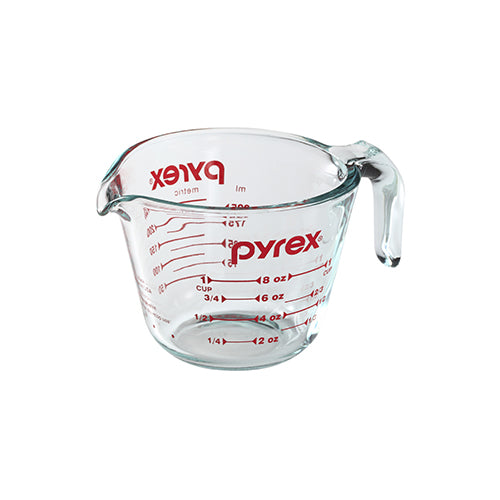
Are you wondering if the measuring cups you use every day are safe to pop into the microwave? You’re not alone.
Many people ask this question because using the wrong cup can lead to melted plastic, ruined measurements, or even harmful chemicals seeping into your food. Knowing whether your measuring cups are microwave safe can save you time, money, and stress.
Keep reading to find out what you need to look for and how to protect yourself and your kitchen tools.
Types Of Measuring Cups
Measuring cups come in different materials. Each type has unique features and uses.
Knowing the types helps you pick the right one for cooking or baking.
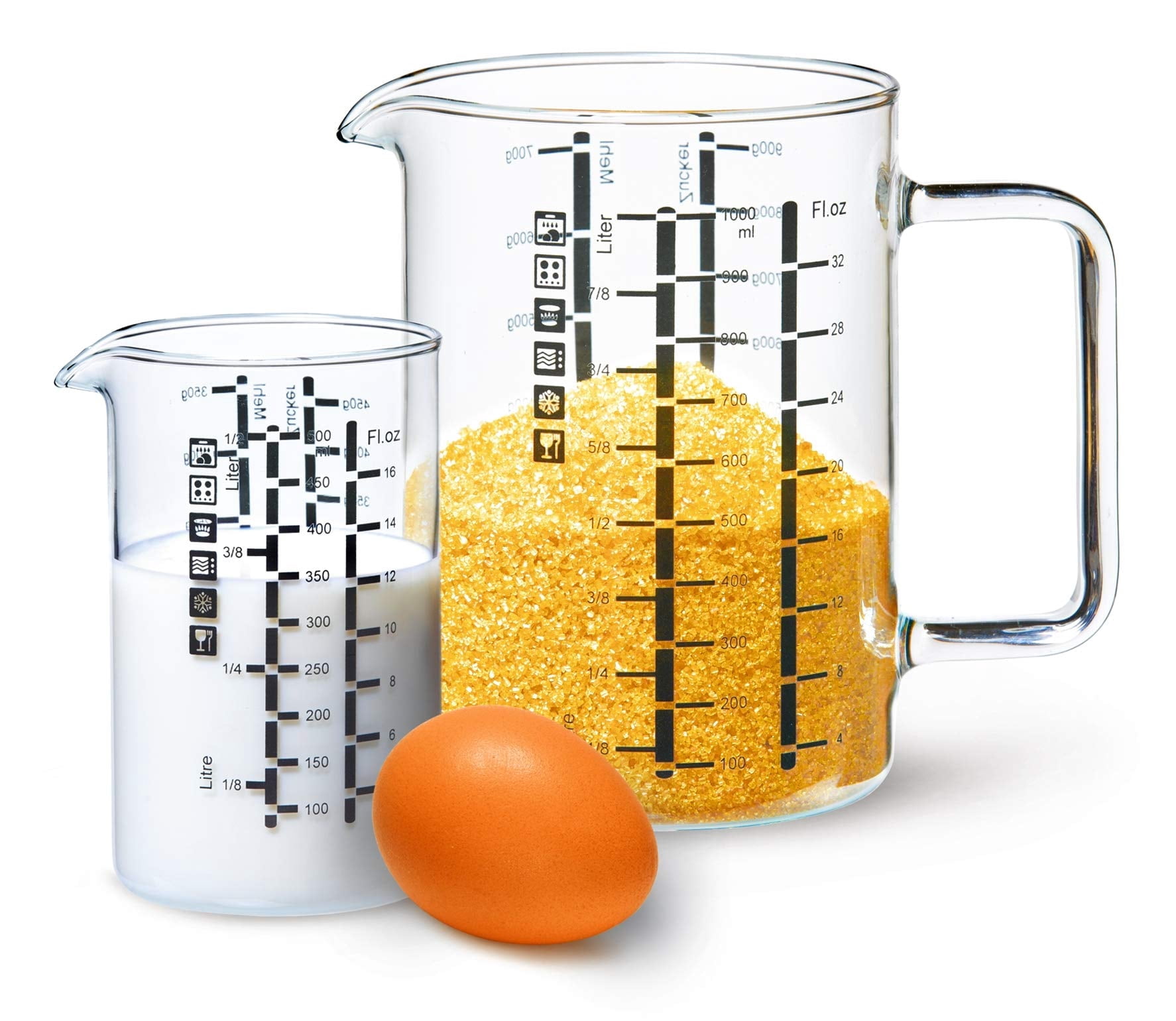
Glass Measuring Cups
Glass measuring cups are clear and let you see the amount easily. They often have a spout for pouring.
These cups are microwave safe. You can heat or melt ingredients directly in them.
Plastic Measuring Cups
Plastic cups are lightweight and less likely to break. They come in many colors and sizes.
- Usually not microwave safe
- Can stain or absorb smells
- Easy to handle for kids
Metal Measuring Cups
Metal cups are strong and last a long time. They do not absorb stains or smells.
| Feature | Metal Cups |
|---|---|
| Microwave Safe | No |
| Durability | High |
| Weight | Heavier |
| Cleaning | Easy |

Credit: www.amazon.com
Microwave Safety Of Materials
Not all materials are safe to use in microwaves. Some can melt, catch fire, or release harmful chemicals.
It is important to know which materials work well in microwaves to keep you and your food safe.
Glass In Microwave
Glass is usually safe to use in microwaves if it is labeled microwave-safe. It heats evenly and does not melt.
Not all glass is safe. Some glass can crack or shatter from sudden heat changes.
- Use microwave-safe glass containers only
- Avoid glass with metal trims or decorations
- Check for cracks before microwaving
Plastic In Microwave
Some plastics are microwave-safe, but many are not. Unsafe plastics can melt or release harmful chemicals.
Look for labels that say “microwave-safe” on plastic measuring cups and containers.
- Do not use plastic that is cracked or old
- Avoid plastic not marked microwave-safe
- Use plastic wraps labeled safe for microwave use
Metal In Microwave
Metal is not safe in microwaves. It can cause sparks and fires. Metal also blocks microwave energy.
Do not use metal measuring cups or containers in the microwave. Always choose glass or microwave-safe plastic.
- Avoid all metal containers and utensils
- No aluminum foil or metal trims
- Use metal only outside the microwave
Identifying Microwave-safe Cups
Measuring cups are common in kitchens. It is important to know if they can be used in microwaves safely.
Not all measuring cups are microwave safe. You need to check before heating food or liquids.
Labels And Symbols
Look for special labels on measuring cups. These show if they are safe for microwave use.
Common microwave-safe symbols include a microwave icon or waves. Some cups say “microwave safe” on them.
- Microwave icon: A small microwave drawing
- Wavy lines: Symbolize microwave waves
- Text label: Words like “microwave safe”
Manufacturer Guidelines
Check the instructions from the cup’s maker. They often tell if the cup is microwave safe.
Some materials like glass or certain plastics can be microwaved. Others like metal or some plastics cannot.
- Read the product packaging or manual
- Visit the manufacturer’s website for details
- Follow heating time and power level recommendations
Risks Of Using Non-safe Cups
Measuring cups that are not microwave safe can cause many problems. Using them in the microwave can harm your health and damage the cups.
It is important to know the risks before heating food or liquids in these cups. This guide explains the main dangers.
Chemical Leaching
Non-safe measuring cups may release harmful chemicals when heated. These chemicals can mix with your food or drink.
- Plastic cups may release BPA or phthalates
- Chemicals can cause health problems over time
- Leaching risks increase with higher heat
- Metal cups coated with unsafe paints can also leach toxins
Melting And Warping
Non-microwave safe cups may melt or warp in the microwave. This can ruin the cup and create a mess.
| Material | Risk of Melting | Effect on Cup |
| Thin Plastic | High | Melts, loses shape |
| Low-Quality Silicone | Medium | Warps, softens |
| Glass (Non-Tempered) | Low | May crack or break |
| Metal | None | Safe but may heat unevenly |
Fire Hazards
Using non-safe cups can sometimes cause fire risks. Some materials catch fire or spark inside the microwave.
- Plastic cups may catch fire if overheated
- Metal cups can cause sparks and damage the microwave
- Damaged cups increase fire risk
- Always check the cup’s microwave safety label
Best Practices For Microwave Use
Measuring cups can be handy in the microwave. It is important to use them safely to avoid damage and accidents.
This guide shows how to place cups, avoid overheating, and keep them clean.
Proper Cup Placement
Place measuring cups in the center of the microwave turntable. This helps heat food evenly and prevents tipping.
- Use microwave-safe measuring cups only.
- Do not stack cups inside each other.
- Leave space around the cup for steam to escape.
- Keep handles away from microwave walls.
Avoiding Overheating
Overheating can crack or melt measuring cups. Use short heating times and check often.
| Tip | Explanation |
| Heat in 15-30 second bursts | Prevents hot spots in the cup |
| Do not microwave empty cups | Empty cups can absorb too much heat |
| Use a lower power setting | Reduces risk of damage |
| Check cup temperature often | Stops overheating early |
Cleaning And Maintenance
Clean measuring cups after each use. Proper care keeps them safe and long-lasting.
Follow these tips for cleaning and maintenance:
- Wash with warm, soapy water.
- Use a soft sponge to avoid scratches.
- Rinse thoroughly to remove soap residue.
- Dry completely before storing.
- Do not use harsh chemicals or abrasive pads.
Credit: www.walmart.com
Alternative Tools For Microwaving
Not all measuring cups are safe to use in the microwave. Some materials can melt or release harmful chemicals. It is important to choose the right tools for heating food or liquids.
There are many alternatives to traditional measuring cups that work well in the microwave. These tools help you heat food safely and easily.
Microwave-safe Containers
Microwave-safe containers are made to handle heat without damage. They do not melt or warp under microwave heat. These containers are a good choice for heating liquids or small meals.
Look for containers labeled as microwave-safe. Glass and some plastics are common materials. Always check the manufacturer’s instructions before use.
- Glass containers are durable and heat evenly.
- Microwave-safe plastic containers are lightweight and convenient.
- Ceramic containers can also be safe if marked for microwave use.
Silicone Measuring Cups
Silicone measuring cups are flexible and heat-resistant. They can go into the microwave without melting. Silicone does not release harmful chemicals when heated.
These cups are easy to clean and store because they bend and fold. They are a safe choice for microwaving liquids and small amounts of food.
- Heat resistant up to high temperatures.
- Non-toxic and BPA-free.
- Flexible shape saves space in kitchens.

Credit: www.amazon.com
Frequently Asked Questions
Are Plastic Measuring Cups Microwave Safe?
Plastic measuring cups are not all microwave safe. Always check the manufacturer’s label for microwave compatibility. Some plastics can melt or release harmful chemicals when heated. Opt for microwave-safe glass or ceramic measuring cups to ensure safety. Always prioritize your health and food safety when using kitchen tools.
Can Glass Measuring Cups Go In The Microwave?
Yes, most glass measuring cups are microwave safe. However, always verify the label for confirmation. Glass is generally heat-resistant and doesn’t leach chemicals. It’s a reliable choice for microwaving. Ensure the cup is at room temperature before heating to prevent cracking.
This helps maintain the integrity of your kitchenware.
Are Silicone Measuring Cups Safe For Microwaving?
Silicone measuring cups are typically microwave safe. They can withstand high temperatures without releasing toxins. Always ensure your silicone cups are marked as microwave safe. They provide flexibility and durability for various cooking needs. However, avoid overfilling to prevent spills during microwaving, ensuring a clean and efficient cooking process.
What Happens If Non-microwave Safe Cups Are Used?
Using non-microwave safe cups can lead to melting or chemical leaching. It may also cause food contamination or kitchen accidents. Always choose microwave-safe materials to avoid health hazards. This ensures safe and efficient cooking, protecting both your health and your kitchenware from damage or potential risks.
Conclusion
Measuring cups made from glass or microwave-safe plastic work well in microwaves. Avoid metal or non-microwave-safe plastic cups to prevent damage or accidents. Always check the label before heating food or liquids. Using the right measuring cup keeps your cooking safe and easy.
Small steps like these make a big difference in the kitchen. Remember, safety first for better cooking results every time.