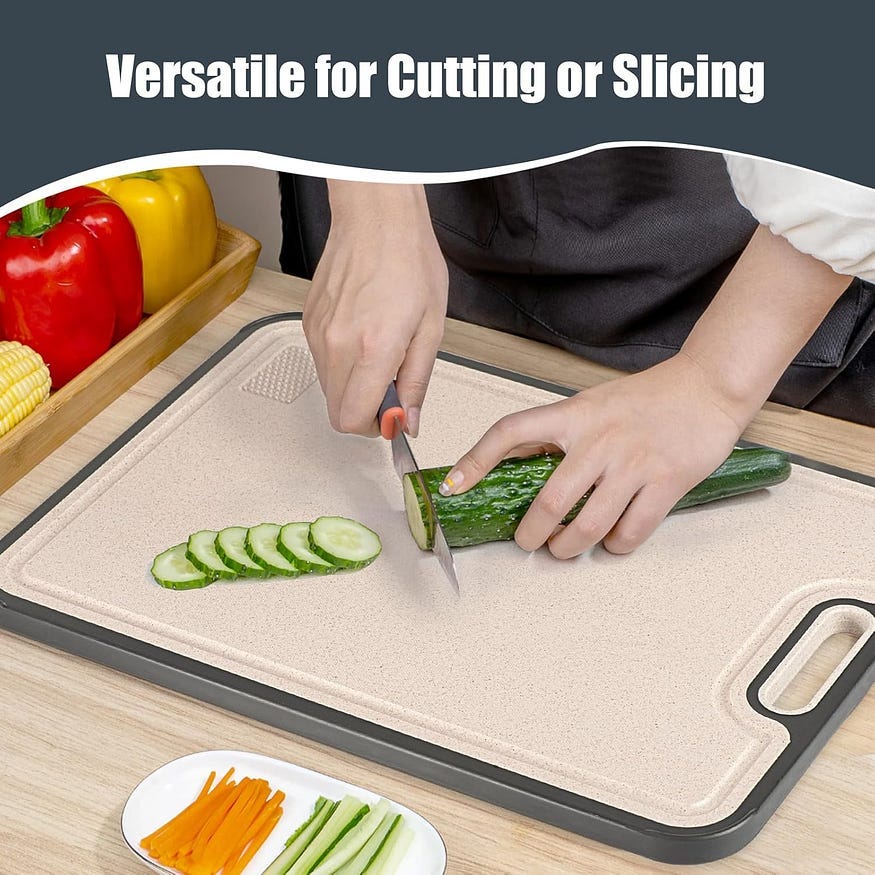
Have you ever wondered if your metal cutting board is secretly harming your knives? You might think metal boards are tough and long-lasting, but what about the sharpness of your blades?
If you want to keep your knives slicing smoothly and avoid costly damage, it’s crucial to know how your cutting surface affects them. Keep reading to discover the surprising truth about metal cutting boards and learn how to protect your valuable knives every time you cook.

Credit: blog.venturemagazine.net
Metal Cutting Boards Types
Metal cutting boards come in different types. They vary in material and surface design. These differences affect how they interact with knives.
Understanding the types helps you choose the best board for your kitchen. This can protect your knives and improve cutting tasks.
Common Materials
Metal boards are made from various metals. Each type has unique properties that affect durability and knife wear.
- Stainless Steel:Very durable and easy to clean. It resists rust and stains but can dull knives quickly.
- Aluminum:Lightweight and affordable. It is softer than steel and less damaging to blades.
- Copper:Rare but attractive. Copper boards are softer but can tarnish over time.
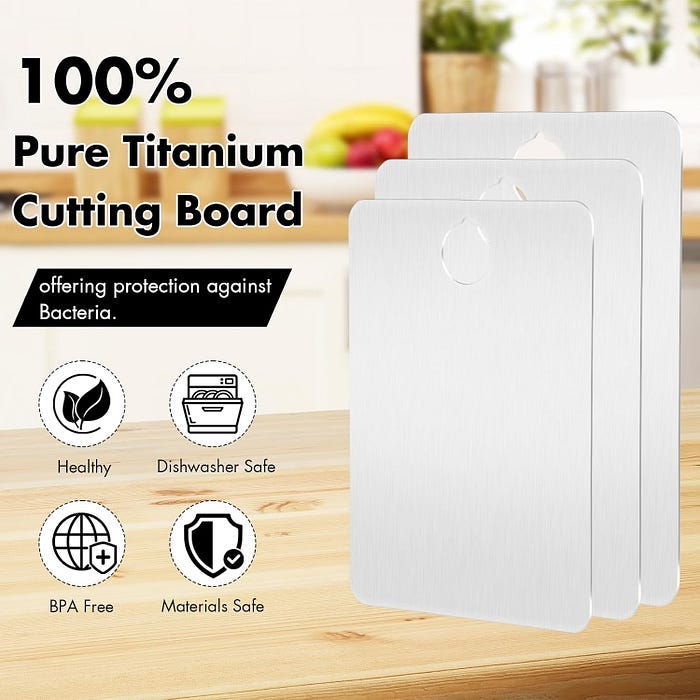
- Titanium:Strong and lightweight. It is gentle on knives but usually expensive.
Surface Textures
Metal cutting boards have different surface finishes. The texture affects how knives glide and how much they get damaged.
| Texture Type | Description | Effect on Knives |
| Polished Smooth | Very flat and shiny surface | Sharp knives can dull faster due to hard contact |
| Brushed | Fine lines etched on surface | Moderate wear on blades, less slippery |
| Textured or Patterned | Raised or indented designs | Can cause uneven wear and more blade damage |
| Matte Finish | Dull and non-reflective surface | Gentler on knives than polished metal |
Credit: medium.com
Knife Edge Wear
Cutting boards affect how long a knife stays sharp. The harder the board, the faster the knife blade wears out. Metal cutting boards are very hard surfaces.
It is important to know how metal boards impact knife edges. This helps you protect your knives and choose the right board.
Impact Of Hard Surfaces
Hard surfaces like metal can dull knife edges quickly. When a knife hits a very hard surface, the blade edge bends or chips.
This damage makes knives lose their sharpness faster. You will need to sharpen your knives more often if you use metal boards.
Comparing Metal To Wood And Plastic
Wood and plastic cutting boards are softer than metal. They cause less damage to knife edges. Wood has natural fibers that are gentle on blades.
Plastic boards are also softer but can get cut marks. These marks help protect the knife edge by giving it a softer surface to cut on.
- Metal boards are very hard and wear knives fast
- Wood boards are softer and protect knife edges better
- Plastic boards are soft but can get cut marks
- Knives last longer when used on wood or plastic
Durability And Maintenance
Metal cutting boards are strong and last a long time. They need care to keep them in good shape.
Understanding their durability and how to maintain them helps protect your knives and board.
Resistance To Damage
Metal boards resist scratches and dents better than wood or plastic. They do not absorb liquids or stains.
Because metal is hard, it can dull knife edges faster. Knives may need more frequent sharpening.
Cleaning And Hygiene
Metal cutting boards are easy to clean. They do not hold bacteria like wood can.
- Wash with warm, soapy water after use
- Use a brush for stuck food
- Dry the board fully to avoid rust
- Sanitize with vinegar or mild bleach if needed
Effect On Different Knives
Metal cutting boards can affect knives differently based on the knife’s material. Some knives handle metal boards better than others. It is important to know how your knife reacts.
Using a metal cutting board may dull some knives faster. The hard surface can wear down the sharp edge quickly. Not all knives have the same resistance to this damage.
Steel Types And Hardness
Knives come in many steel types, each with different hardness levels. Harder steels resist damage better but can be brittle. Softer steels are easier to sharpen but dull faster.
Metal boards are tough on all knives but especially on soft steel. Hard steel knives hold their edge longer but may chip on metal surfaces. Knowing your knife’s steel helps predict wear.
- High carbon steel: hard and sharp, may chip on metal boards
- Stainless steel: less hard, dulls faster on metal surfaces
- Damascus steel: variable hardness, edge care depends on layers
Edge Retention Variations
Edge retention means how long a knife stays sharp. Metal cutting boards can reduce edge retention by causing more wear. Knives with high edge retention last longer but still suffer damage.
Knives with low edge retention need frequent sharpening after use on metal boards. Harder edges resist dulling but risk chipping. Softer edges dull quickly but are easier to fix.
- High edge retention: lasts longer but chips on metal boards
- Medium edge retention: balanced sharpness and durability
- Low edge retention: dulls quickly, easy to sharpen
Professional And Home Use
Metal cutting boards often raise questions about knife safety. Both chefs and home cooks wonder if these boards harm their blades. This article looks at metal boards in kitchens of all kinds.
We will explore what chefs prefer and how practical metal boards are for daily cooking. Understanding these points helps decide if metal boards suit your needs.
Chef Preferences
Chefs think about how cutting boards affect their knives. Many believe metal boards dull knives faster than wood or plastic. Some chefs like metal boards for certain tasks but avoid them for regular chopping.
- Metal boards are very durable and easy to clean.
- They can damage knife edges more quickly than softer boards.
- Some chefs use metal boards for cutting meat or fish to avoid stains.
- Others prefer wood or plastic for better knife care.
- Knife sharpening is needed more often with metal boards.
Practicality In Kitchens
Metal cutting boards have benefits and limits in kitchen use. They are strong but may not be gentle on knives. Considering this helps in choosing the right board.
| Feature | Metal Cutting Boards | Wood/Plastic Boards |
| Durability | High | Moderate |
| Knife Wear | High | Low to Moderate |
| Cleaning | Easy | Requires Care |
| Weight | Heavy | Light |
| Stain Resistance | Excellent | Varies |
Alternatives To Metal Boards
Metal cutting boards can dull your knives quickly. They are very hard and do not give when you cut. Choosing a different material can protect your knives and last longer.
Here are some common alternatives that are easier on knives and safe for food preparation.
Wooden Options
Wooden cutting boards are gentle on knives. They have a soft surface that helps keep blades sharp. Wood also has natural anti-bacterial properties.
These boards come in many types of wood like maple, walnut, and bamboo. They can be heavy but last a long time with care.
- Maple is hard and durable
- Walnut is smooth and elegant
- Bamboo is eco-friendly and light
Plastic And Composite Choices
Plastic boards are affordable and easy to clean. They come in many colors and sizes. Plastic is softer than metal, so it protects knives better.
Composite boards mix wood fibers and resin. They are very strong and gentle on blades. These boards resist stains and do not absorb water.
- Plastic boards are dishwasher safe
- Composite boards are durable and non-porous
- Both options reduce knife wear
Tips To Protect Knives
Metal cutting boards can be tough on knives. They can dull blades faster than wood or plastic boards. Protecting your knives helps them last longer and stay sharp.
Using the right cutting methods and caring for your board can reduce damage to your knives. Here are some tips to keep your knives in good shape.
Proper Cutting Techniques
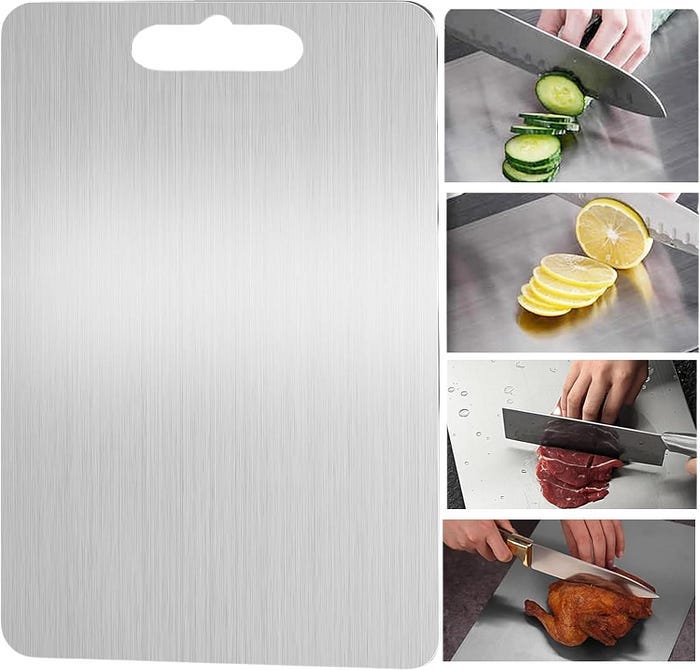
Cutting on metal boards requires care to avoid dulling your knives. Use gentle, controlled motions instead of hard chopping.
Try to avoid dragging your knife blade across the metal surface. Lift the knife slightly when you move it to cut.
- Use slicing or rocking motions to cut food
- Avoid pressing too hard on the blade
- Lift the blade off the board between cuts
- Keep knives sharp to reduce pressure while cutting
Board Care Suggestions
Metal boards need proper care to stay smooth and safe for knives. Clean the board after each use to prevent damage.
Check your board for scratches or dents. Smooth surfaces cause less wear on knife edges.
- Wash the board with warm soapy water after use
- Dry the board completely to prevent rust
- Polish the surface if it becomes rough or scratched
- Replace the board if it develops deep grooves
Credit: medium.com
Frequently Asked Questions
Are Metal Cutting Boards Harmful To Knife Edges?
Metal cutting boards can dull knife edges faster than wood or plastic. Their hard surface causes more blade wear, reducing knife sharpness over time.
Do Metal Cutting Boards Damage Knives More Than Wood?
Yes, metal boards are tougher on knives because metal surfaces don’t absorb impact. Wood is gentler, preserving blade sharpness longer.
Can Using Metal Boards Shorten Knife Lifespan?
Regular use of metal boards can shorten a knife’s lifespan due to faster dulling. Proper maintenance is essential to counteract this.
Why Are Metal Cutting Boards Less Popular For Knives?
Metal boards are less popular because they quickly dull knives and create noise. They also lack the self-healing properties of wood.
Conclusion
Metal cutting boards can harm your knives over time. Their hard surface dulls knife edges quickly. Softer boards like wood or plastic protect blades better. Choosing the right board helps keep knives sharp longer. Think about how often you cut and what you cut.
A good cutting board makes cooking easier and safer. Protect your knives by picking the best board for your needs. Keep blades sharp and ready for every meal. Simple choices make a big difference in the kitchen.