
Are you planning to buy a new dishwasher and wondering if they all come in the same size? You’re not alone.
Many people find themselves puzzled when standing in the appliance aisle, trying to figure out which dishwasher will fit perfectly into their kitchen. The good news is that understanding the size of dishwashers is simpler than you think. By the end of this article, you’ll be equipped with all the knowledge you need to make a confident choice.
So, if you’re ready to demystify the world of dishwasher dimensions and ensure you select the ideal fit for your home, keep reading. You’re about to discover the secrets that most homeowners wish they knew before their purchase.
Credit: www.maytag.com
Standard Dishwasher Dimensions
Understanding the standard dimensions of dishwashers can save you a lot of hassle when planning your kitchen layout. Most dishwashers follow certain size guidelines, but there are subtle differences that might affect your choice. Knowing these dimensions helps you avoid unexpected fitting issues and ensures your new appliance blends seamlessly with your kitchen setup.
Common Widths And Heights
Most dishwashers are designed with a standard width of 24 inches. This size fits well under most kitchen countertops and works with standard cabinetry. Heights typically range between 33 to 35 inches, allowing for easy installation beneath counters.
However, you can find compact models around 18 inches wide, perfect for smaller kitchens or apartments. If your kitchen has unusual cabinet heights, measuring is essential before purchasing.
Depth Variations
Dishwasher depths usually hover around 24 inches, matching countertop depths. Still, some models vary from 22 to 25 inches in depth. This variation can affect how much the dishwasher sticks out from your cabinets.
If you’ve ever had a dishwasher that juts out awkwardly, you know how it disrupts kitchen flow. Always check the exact depth, especially if your kitchen has shallow counters or custom cabinetry.
Built-in Vs Portable Sizes
Built-in dishwashers follow the standard dimensions to fit flush with your cabinets. Portable dishwashers, on the other hand, tend to be smaller and often come on wheels for easy movement.
- Built-in: Around 24″ wide, 33-35″ high, and 24″ deep.
- Portable: Typically narrower and shorter, designed to fit in tight spaces and connect only when needed.
Have you considered if your kitchen needs a permanent appliance or something flexible? Choosing the right size based on your lifestyle can make a big difference in convenience and space management.
Compact And Slim Models
Compact and slim dishwashers offer a practical solution when space is limited. They are designed to fit into smaller kitchens without sacrificing essential features. Understanding their size and ideal placement can help you make a smart choice for your home.
Dimensions Of Compact Dishwashers
Compact dishwashers typically measure around 18 inches in width, compared to standard models that are usually 24 inches wide. Their height and depth are often similar to full-sized units, allowing them to fit under most kitchen counters.
These smaller dimensions make them perfect for apartments or homes where space is at a premium. However, the reduced size means fewer dishes per load, so think about your daily needs before choosing one.
Ideal Spaces For Slim Models
Slim dishwashers are designed with narrow kitchens in mind, often measuring between 18 to 20 inches wide. They work well in tight spaces, such as small kitchens, RVs, or even office break rooms.
You can install slim models in tight gaps between cabinets or in compact kitchen layouts where every inch counts. Are you struggling to fit a dishwasher in your kitchen? Slim models might be the answer you need.
Countertop Dishwashers
Countertop dishwashers offer a compact solution for small kitchens. They sit on the counter and connect easily to your faucet. These models save space and still clean dishes efficiently. Many people choose them for apartments, dorms, or tiny homes. They provide convenience without needing major installation.
Size And Capacity
Countertop dishwashers are smaller than built-in types. Most measure about 17 to 22 inches wide. Their height and depth also stay compact to fit on kitchen counters. Capacity is limited but enough for daily use.
- Usually holds 4 to 6 place settings
- Fits plates, cups, and small pots
- Not ideal for large pots or many dishes
These dishwashers work well for singles or couples. They use less water and energy than full-size models.
When To Choose A Countertop Model
Choose a countertop dishwasher if space is tight. They suit kitchens without built-in dishwasher space. Perfect for renters or temporary homes. Also good for people who wash dishes by hand most times.
- Small kitchens with limited cabinet space
- Temporary living situations, such as dorms
- Those who want a portable option
- People with light dishwashing needs
Countertop dishwashers offer flexibility and easy setup. They plug into a faucet and drain in the sink. No plumbing changes needed.
Credit: www.angi.com
Factors Affecting Dishwasher Size
Dishwasher size varies based on several important factors. Choosing the right size depends on your needs and kitchen space. Understanding these factors helps you pick the best dishwasher.
Capacity And Load Requirements
Dishwashers come in different capacities to fit various household sizes. A larger family needs a dishwasher that holds more dishes. Smaller households may prefer compact models to save space. Consider how many dishes you wash daily. Also, think about the types of items you clean, like pots or delicate glassware. The right capacity ensures efficient cleaning without wasting energy or water.
Kitchen Layout And Space Constraints
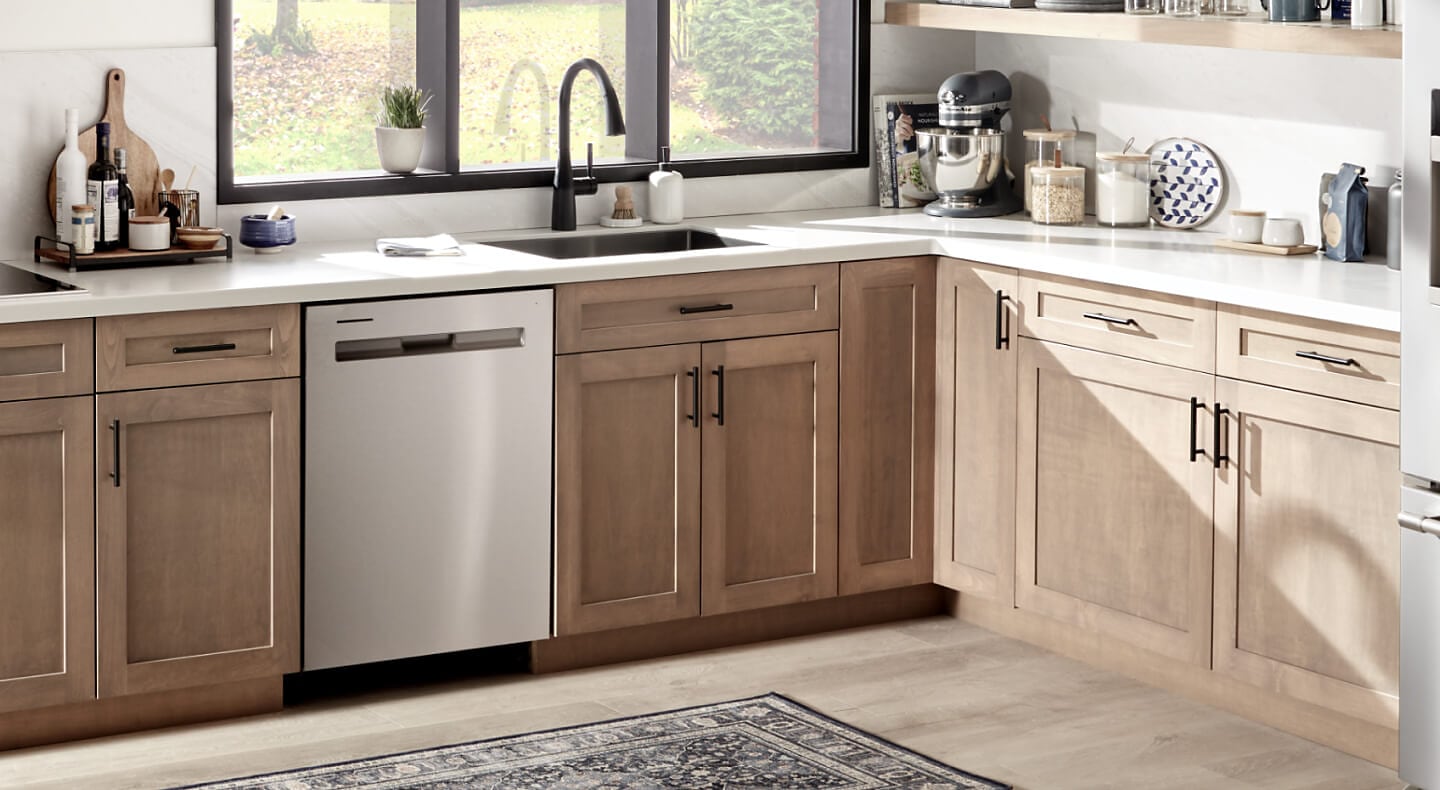
Your kitchen layout limits dishwasher size options. Standard dishwashers usually fit under counters with a width of 24 inches. Smaller kitchens may require slim or drawer-style dishwashers. Measure the available space carefully before buying. Door swing space and plumbing access also matter. A dishwasher that fits well makes installation easier and keeps your kitchen organized.
Custom And Specialty Sizes
Dishwashers come in various sizes to fit different kitchens and needs. Standard models suit most homes, but some spaces require custom or specialty sizes. These options help maximize space and meet unique washing demands. Custom and specialty dishwashers offer flexibility beyond typical dimensions.
Custom Built-in Dishwashers
Custom built-in dishwashers fit perfectly into specific kitchen spaces. They match cabinet designs and sizes for a seamless look. These dishwashers can be narrower or shorter than standard models. Ideal for small kitchens or unusual layouts. Custom sizes allow for better use of limited space.
They often include special features tailored to user needs. Some models have adjustable racks or extra drying options. Built-in options keep the kitchen neat and organized. They blend well with countertops and cabinetry. Perfect for those wanting a unique kitchen style.
Commercial And Large-capacity Models
Commercial dishwashers serve restaurants and large households. These models handle many dishes quickly and efficiently. They are bigger than typical home dishwashers. Designed for heavy use and fast cycles. Large-capacity models fit more plates, pots, and pans.
They often come with stronger wash systems and durable parts. Commercial dishwashers save time in busy kitchens. Large-capacity units suit families or groups that cook often. They require more space but offer excellent cleaning power. These specialty sizes meet high-volume demands with ease.
Measuring For The Perfect Fit
Getting the right dishwasher size is more than just picking a model that looks good. It’s about making sure it fits perfectly in your kitchen space without causing installation headaches or operational issues. Taking accurate measurements and considering clearances upfront saves you time, money, and frustration later on.
How To Measure Your Space
Start by measuring the width, height, and depth of the cabinet space where your dishwasher will go. Use a tape measure and note down each dimension in inches or centimeters.
- Width:Measure the opening from left to right at the top, middle, and bottom to catch any variations.
- Height:Measure from the floor to the underside of the countertop or cabinet above.
- Depth:Measure from the front edge of the cabinet to the back wall.
Double-check your numbers and compare them to the dishwasher’s specs. Have you noticed how even a half-inch difference can make or break the fit? Small mistakes here can lead to costly returns or modifications.
Allowing For Installation Clearances
Dishwashers need space around them for ventilation, plumbing, and door clearance. These gaps aren’t just technical details—they affect how smoothly your dishwasher operates.
- Leave at least 1/2 inch on each side between the dishwasher and cabinetry.
- Allow a few inches at the back for water and electrical connections.
- Ensure there’s enough room in front for the door to open fully without obstruction.
Think about the space you’ll need to pull the racks out comfortably. Have you accounted for your kitchen’s layout quirks, like an adjacent cabinet or an island? These clearances may seem small, but they make a big difference in daily use.
Choosing The Right Dishwasher Size
Choosing the right dishwasher size matters more than you might think. It affects not only how much you can wash at once but also how well the appliance fits in your kitchen space. Picking the perfect size ensures your dishwasher works efficiently and meets your daily needs without wasting energy or space.
Matching Size To Household Needs
Think about how many people live in your home. A small household with one or two people usually needs a compact dishwasher, which saves space and energy.
For larger families, a full-size dishwasher with more capacity is a better fit. It can handle bigger loads, so you spend less time running multiple cycles.
Do you often host guests or cook large meals? Consider a dishwasher with adjustable racks or extra space. This flexibility helps you manage different dish sizes and amounts easily.
Balancing Size And Features
Bigger dishwashers often come with more features, but they also take up more room and use more water and electricity. Smaller models might lack some bells and whistles but can be perfect if your kitchen is tight on space.
Ask yourself which features you truly need. For example, do you want a quick wash cycle, or is noise level a priority? Sometimes a mid-sized model offers the best balance of size and functionality.
Remember, the right dishwasher size is about more than just fitting it in your kitchen. It’s about matching your lifestyle and making dishwashing easier every day.
Credit: www.maytag.com
Frequently Asked Questions
Are Dishwasher Sizes Standardized Across Brands?
Most dishwashers follow a standard width of 24 inches. Height and depth can vary slightly. This helps with easy installation in most kitchens.
What Are The Common Dishwasher Size Variations?
Dishwashers mainly come in full-size (24 inches) and compact (18 inches). Full-size models fit most kitchens, while compact ones suit small spaces.
Can Dishwasher Size Affect Cleaning Performance?
Size alone doesn’t impact cleaning efficiency. Both full-size and compact dishwashers can clean well if designed properly.
How To Measure Space For A Dishwasher?
Measure width, height, and depth of the installation area. Account for door clearance and plumbing connections for a perfect fit.
Conclusion
Most dishwashers have similar sizes, usually around 24 inches wide. This size fits well in most kitchens. Small models are also available for tight spaces. Knowing the size helps when planning your kitchen layout. Always check measurements before buying a dishwasher.
This ensures it fits perfectly under your counter. Choosing the right size saves time and avoids problems later. Size matters, but so do features and capacity. Think about your needs and space. A good fit makes washing dishes easier every day.