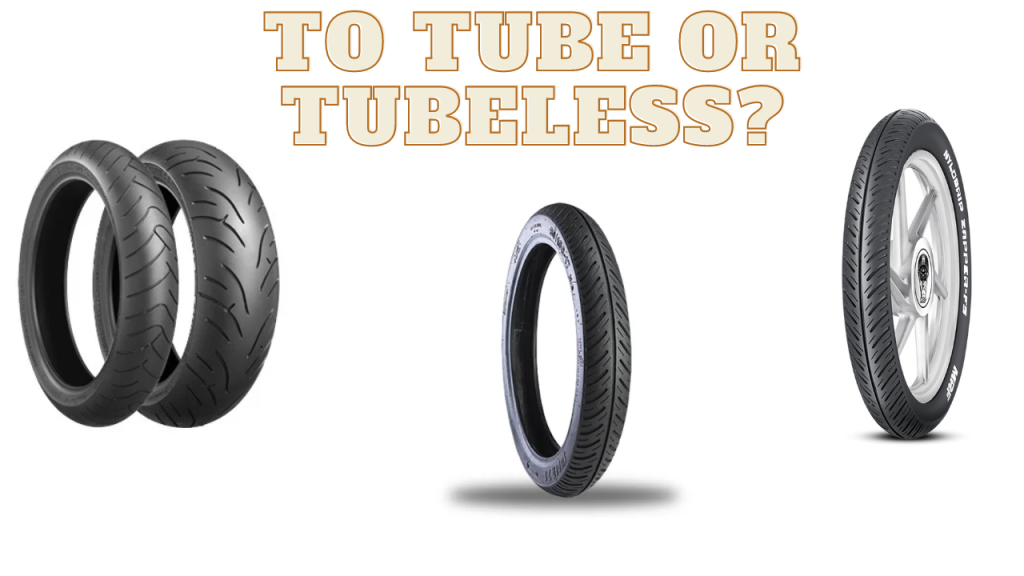
Are you wondering if your motorcycle tires are tubeless or not? This question might seem simple, but the answer can change how you maintain your bike and handle unexpected situations on the road.
Knowing whether your tires are tubeless can save you time, money, and even keep you safer. You’ll discover the key differences, benefits, and what you need to watch out for with tubeless motorcycle tires. Keep reading to make sure you’re fully informed and ready for every ride.

Credit: massdepot.com
Types Of Motorcycle Tires
Motorcycle tires come in different types to fit various riding needs. Choosing the right tire helps improve safety and performance.
This guide explains the difference between tube and tubeless tires and common tire designs you should know.
Tube Vs Tubeless Tires
Tube tires have an inner tube that holds the air. Tubeless tires do not use a tube and keep air inside the tire itself. Each type has its own features.
- Tube Tires:These tires need an inner tube to hold air. They are easier to fix but can lose air faster if punctured.
- Tubeless Tires:These tires do not use an inner tube. They are safer and can seal small punctures automatically.
- Weight and Performance:Tubeless tires are usually lighter and can improve fuel efficiency.
- Cost and Maintenance:Tube tires often cost less but need more care to avoid tube damage.
Common Tire Designs
| Design Type | Description | Best Use |
|---|---|---|
| Bias Ply | Layers of fabric crisscrossed inside the tire | Off-road and heavy bikes |
| Radial | Layers run radially across the tire | High speed and street riding |
| Slick | No tread pattern for maximum road contact | Racing on dry surfaces |
| Dual Sport | Tread designed for both on-road and off-road | Adventure and mixed terrain riding |
Advantages Of Tubeless Tires
Tubeless tires are common on many motorcycles today. They do not have an inner tube like older tires. This design offers several benefits for riders.
Understanding these advantages can help you choose the right tires for your motorcycle. Here are key benefits of tubeless tires.
Improved Safety Features
Tubeless tires reduce the risk of sudden air loss. When a puncture happens, the tire deflates slowly. This gives the rider more control and time to stop safely.
- Less chance of blowouts due to slow air loss
- Better stability on the road in case of puncture
- Improved grip because the tire stays seated on the rim
Better Performance
Tubeless tires offer enhanced performance on various road surfaces. They are lighter than tube tires, which helps with handling and fuel efficiency.
| Feature | Tubeless Tires | Tube Tires |
| Weight | Lighter | Heavier |
| Heat Dissipation | Better | Lower |
| Rolling Resistance | Lower | Higher |
Ease Of Maintenance
Tubeless tires are easier to maintain and repair. Small punctures can be fixed without removing the tire from the rim. This saves time and effort.
Common maintenance benefits include:
- Use of sealant to fix minor holes quickly
- No need to replace inner tubes
- Less frequent tire inflation required
Potential Drawbacks Of Tubeless Tires
Tubeless tires are popular for motorcycles, but they have some downsides. Knowing these can help riders decide if tubeless tires suit their needs.
This article looks at two main issues: repair challenges and compatibility problems with tubeless tires.
Repair Challenges
Fixing tubeless tires can be harder than repairing tires with inner tubes. Some repairs need special tools or skills.
- Small punctures require a plug kit that fits well to avoid air leaks.
- Large holes or sidewall damage usually mean the tire must be replaced.
- Not all repair shops have the right equipment for tubeless tire fixes.
- Improper repairs can cause sudden air loss while riding.
Compatibility Issues
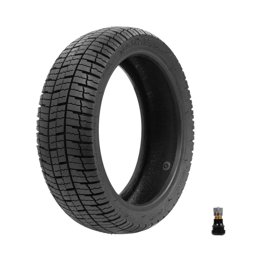
Some motorcycles and wheels are not made for tubeless tires. Using them can cause safety risks or damage.
| Compatibility Factor | Issue | Effect |
| Wheel Type | Not all rims seal air without tubes | Air leaks or tire failure |
| Motorcycle Model | Some bikes need tube tires | Fit problems and safety risks |
| Tire Size | Wrong size may not seal properly | Air pressure loss and poor handling |
Credit: www.walmart.com
Safety Tips For Tubeless Tires
Tubeless tires are common on many motorcycles today. They offer good safety and better performance.
It is important to follow safety tips to keep these tires in good shape. This helps prevent accidents.
Regular Inspection
Check your tubeless tires often for cuts, cracks, or objects stuck in the tire. Early spotting stops bigger problems.
Look for uneven wear that can cause handling issues. Make sure the tire tread is not too low for safe riding.
- Examine tire surface closely every week
- Remove stones or nails carefully
- Check tire sidewalls for cracks
- Measure tread depth regularly
Proper Inflation
Keep your tubeless tires inflated to the right pressure. Too low or too high pressure can cause accidents.
Use a reliable pressure gauge to check tire pressure before rides. Adjust the pressure as stated in your motorcycle manual.
- Check tire pressure when tires are cold
- Use recommended pressure for front and rear tires
- Recheck pressure after long rides
- Do not overinflate or underinflate tires
Handling Punctures
Tubeless tires can often seal small punctures automatically. This helps keep you safe without immediate repairs.
If you have a puncture, stop safely and inspect the tire. Use a repair kit or visit a mechanic for best results.
- Stop riding if tire pressure drops quickly
- Use a tubeless tire repair kit for small holes
- Avoid riding on a flat tire
- Visit a professional for large punctures or sidewall damage
Choosing The Right Tire For Your Bike
Motorcycle tires play a big role in safety and performance. Picking the right tire keeps your ride smooth and secure.
Many motorcycles now use tubeless tires. These tires offer benefits, but you must choose the right type for your bike.
Factors To Consider
Think about your bike type and riding style before choosing a tire. Each bike needs different tire features.
Look at tire size, tread pattern, and whether the tire is tubeless or tube type. These affect grip and durability.
- Tire size must match your bike’s rim and frame
- Tread pattern suits the road or off-road use
- Tubeless tires offer easier puncture repair
- Tube type tires might be cheaper and simpler
- Check the tire’s speed and load ratings
Consulting Professionals
Ask a mechanic or tire expert for advice. They know which tires fit your bike and riding needs.
Experts can recommend brands and types that work well with tubeless systems. They help avoid mistakes that cost money.
Future Trends In Motorcycle Tires
Motorcycle tires are changing with new ideas and designs. These changes make rides safer and better.
One big change is the use of tubeless tires. This trend is growing fast and affects the whole industry.
Technological Innovations
New technology improves tire safety and performance. Sensors can now check tire pressure and temperature.
Smart tires can send data to the rider’s phone. This helps riders avoid accidents and maintain tires better.
- Self-healing tires fix small holes automatically
- Lighter materials reduce tire weight for better speed
- Improved tread designs increase grip on wet roads
Environmental Impact
Making tires with eco-friendly materials is becoming important. These tires break down faster in nature.
Recycling old tires helps reduce waste. Some companies use recycled rubber in new tires to save resources.
- Bio-based rubber reduces use of fossil fuels
- Energy-efficient manufacturing lowers carbon emissions
- Long-lasting tires decrease the need for replacements

Credit: www.amazon.com
Frequently Asked Questions
Are Motorcycle Tires Tubeless By Default?
Not all motorcycle tires are tubeless by default. Many modern bikes come with tubeless tires due to their convenience and safety benefits. However, some motorcycles, especially older or specific models, might still use tube-type tires. Always check your bike’s specifications or consult your manual for accurate information.
What Are The Benefits Of Tubeless Motorcycle Tires?
Tubeless motorcycle tires offer several advantages. They provide better puncture resistance and reduced risk of sudden air loss. They are easier to repair and often deliver improved fuel efficiency. Additionally, they provide enhanced ride comfort and stability. Tubeless tires also generally require less maintenance compared to tube-type tires.
Can I Convert Tube Tires To Tubeless?
Yes, it’s possible to convert tube tires to tubeless, but it requires careful consideration. You need to ensure your rims are compatible with tubeless tires. Professional assistance is recommended to ensure safety and proper sealing. It’s important to weigh the cost and benefits before proceeding with a conversion.
Do Tubeless Tires Require Special Maintenance?
Tubeless tires require regular maintenance like checking air pressure and inspecting for punctures. While they are generally low-maintenance, ensuring proper inflation is crucial for safety and performance. It’s also important to periodically inspect the valve stem and bead seal for any signs of wear or damage.
Conclusion
Motorcycle tires can be tubeless or use tubes. Tubeless tires offer better air retention and fewer punctures. They are easier to repair on the road. Tube tires still exist, especially on older or smaller bikes. Choosing the right tire depends on your bike type and riding style.
Always check your motorcycle’s manual for tire recommendations. Safe riding starts with good tires. Keep your tires in good shape for a smooth, safe ride.